










Georgia–Tajikistan–China: a promising link in the Middle Corridor Article by Vladimir Tskhvediani
On June 19–20, 2026, Georgian Prime Minister Irakli Kobakhidze visited Tajikistan, completing a series of visits to Central Asian states with which Tbilisi has been consistently developing a framework of deeper mutually beneficial cooperation.
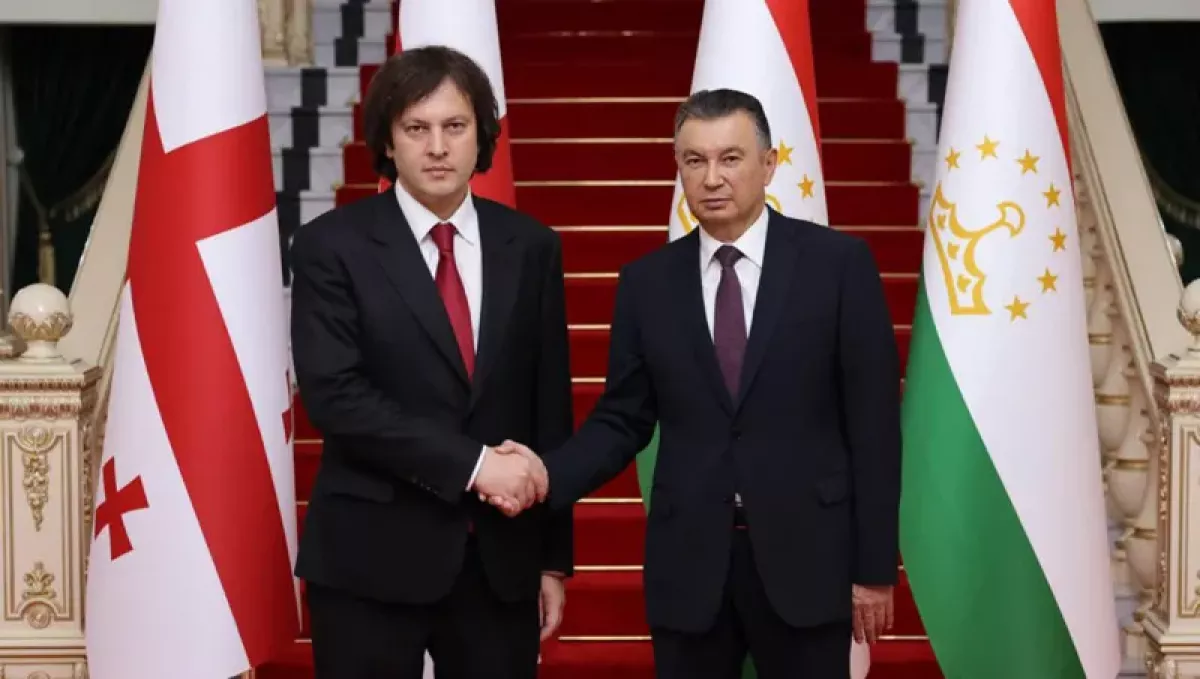
Symbolically, shortly before this, President of Tajikistan Emomali Rahmon visited China on a state visit from May 11 to 14, 2026, at the invitation of Chinese President Xi Jinping, where 31 documents on deepening cooperation between the two countries were signed. Earlier, China and Georgia announced the elevation of their bilateral relations to a comprehensive strategic partnership.
Thus, another axis is taking shape within the framework of the Middle Corridor — China–Tajikistan–Georgia. This link also includes Azerbaijan, Turkmenistan, and Uzbekistan, through whose territories the shortest transit route between Georgia and Tajikistan passes.
Following his visit to Tajikistan, Kobakhidze stated that strengthening relations with Central Asian countries had become one of Tbilisi’s key foreign economic priorities.
The authorities expect to turn Georgia into a key logistics hub for the region. According to Kobakhidze, Georgia connects seven countries with the European market via the Black Sea and therefore must make the most of its transit opportunities.
While the Turkic states of Central Asia are already actively developing relations with Georgia and view the route through the Caspian Sea, Azerbaijan, and Georgia as the most promising access to the sea, Tajikistan is only beginning to explore this direction.
Since the collapse of the Soviet Union, Dushanbe has been considered one of Moscow’s key allies in Central Asia and has focused on developing transit routes through Russian territory.
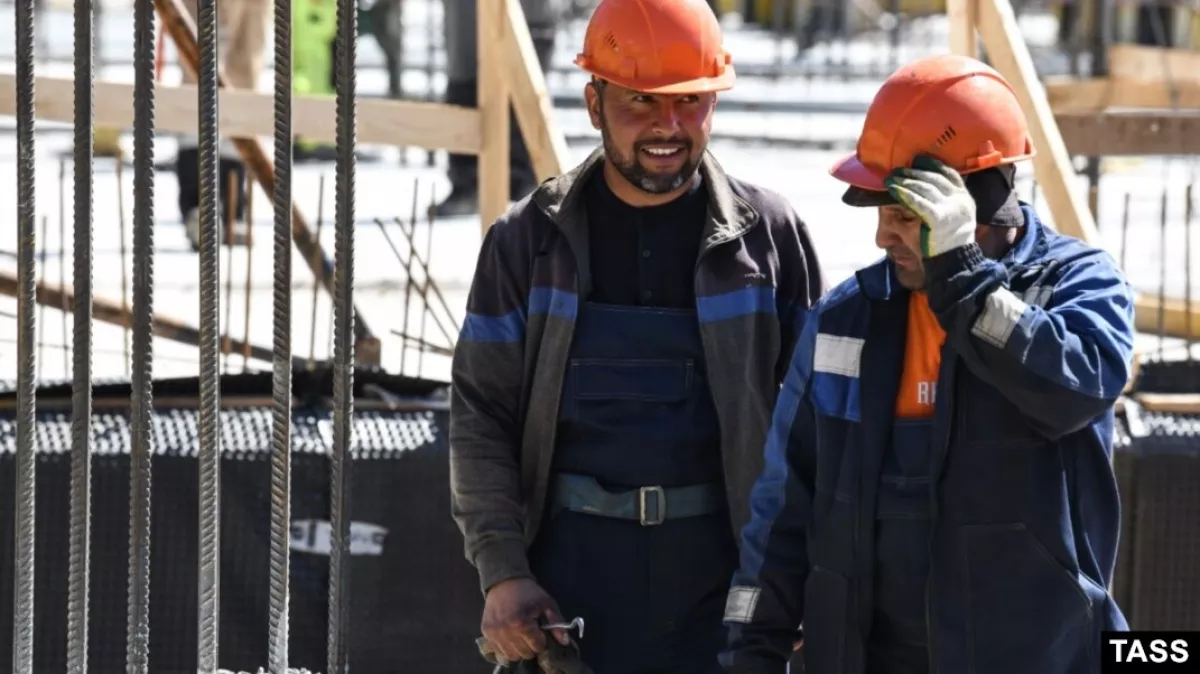
This was also facilitated by the country’s economic dependence on Russia. Millions of Tajiks work in Russia, and the country’s economy, as well as the well-being of many families, depend on remittances from migrant workers.
In addition, Tajikistan for many years placed emphasis on its affiliation with the “Iranian world.” Therefore, the route through Iran was long considered the shortest path to the sea. However, recent developments in the Middle East demonstrate that this route is exposed to serious military and political risks.
Geopolitical realities are forcing Dushanbe to reconsider its approaches to overcoming the country’s landlocked isolation. Access to the sea through Georgia gives Tajikistan the opportunity to build relations with any states without having to take Moscow’s position into account.
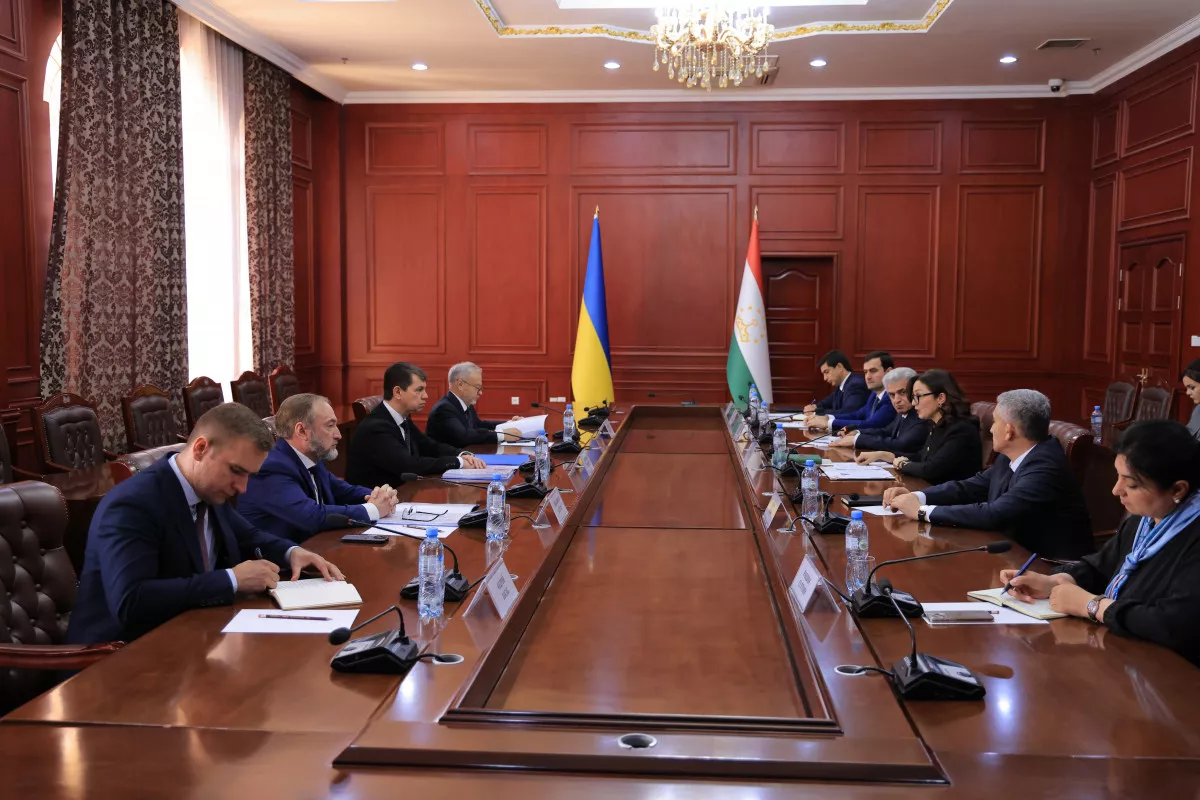
Thus, on June 22, 2026, political consultations between the foreign ministries of Tajikistan and Ukraine were held in Dushanbe. During the meeting, the sides discussed the prospects for Tajik-Ukrainian relations, paying particular attention to trade and economic cooperation, as well as interaction in the fields of education, science, and culture. Today, all of this can be developed through Georgia, Azerbaijan, and the Caspian Sea, rather than through Russia, which is at war with Ukraine.
The route through Georgia could become particularly in demand if Tajikistan and China successfully implement their joint investment programs. Some analysts believe that China may use Tajikistan and other Central Asian countries in a way similar to Vietnam and Southeast Asian states, where part of Chinese production has already been relocated, in order to circumvent U.S. sanctions restrictions.
Moreover, China, facing demographic and resource-related challenges within the country, has in recent years been actively relocating production to states with surplus labour resources. Tajikistan, in turn, has for decades been forced to send a significant portion of its working-age population abroad to seek employment in Russia. Cooperation with China and the creation of new jobs within the country could significantly increase employment and reduce unemployment levels.
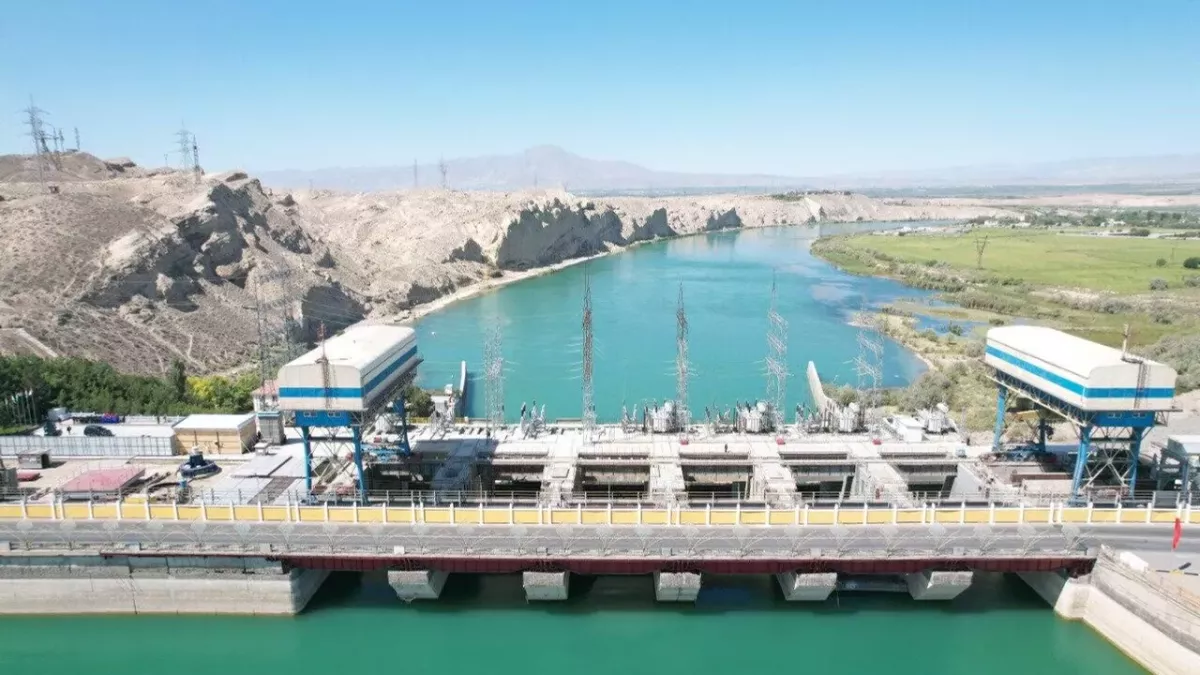
Tajikistan also has another important resource that, for example, is lacking both in China’s western regions and in neighbouring Uzbekistan — its hydropower potential. In terms of hydropower resources per unit of territory, Tajikistan ranks first among the post-Soviet states, even surpassing Georgia in this regard.
Back in the Soviet era, large-scale plans were developed to build hydroelectric power plants on Tajikistan’s rivers and to develop industry based on cheap electricity. However, the collapse of the Soviet Union, the civil war, and the subsequent economic difficulties forced these plans to be abandoned.
Today, the issue of developing industries in Tajikistan with the involvement of Chinese investment and the subsequent export of products to foreign markets, including Europe, has become relevant again. In this case, connecting the country to the transit routes of the Middle Corridor becomes practically essential. Especially since many projects are already being implemented with Chinese capital, including the construction of the deep-water port of Anaklia in Georgia.
By Vladimir Tskhvediani, Georgia, exclusively for Caliber.Az







 editor@caliber.az
 +994 55 444-88-98
 Азербайджан, Баку, ул. Низами, 203, Af Business House, 5-й этаж