










Gushchu Bridge Station: A monument of railway heritage in Dashkasan A journey through history on Caliber.Az
The country’s railway history is closely linked to the development of industry and the exploitation of natural resources, becoming an important part of regional modernisation in the second half of the 19th and early 20th centuries. The construction of new lines and stations not only ensured transport connectivity between settlements, but also formed a distinctive architectural environment around them, influencing the development of towns and workers’ settlements.
The architecture of station buildings from this period was characterised by expressive and well-considered design solutions. Over time, they became part of the country’s cultural landscape, reflecting the development of the railway network and architectural thought. Today, these structures are of significant interest as objects of industrial heritage.
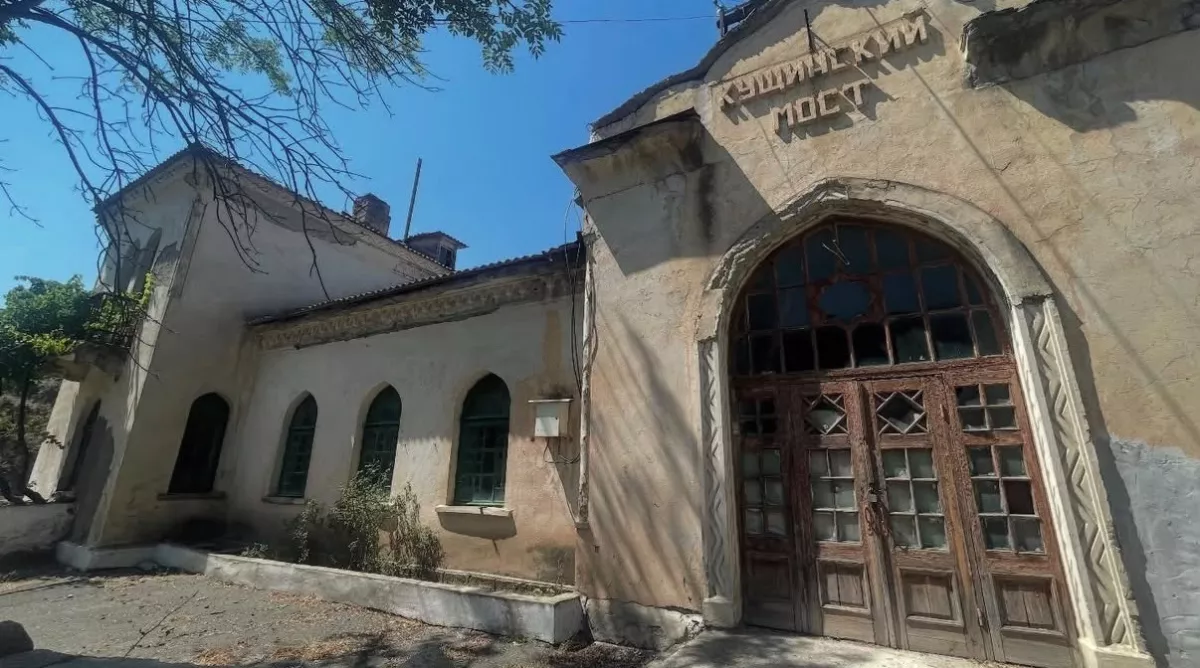
A special place is occupied by Gushchu Bridge Station, located near the village of Gushchu in the Dashkasan district. It is an expressive example of regional railway architecture in which utilitarian functions are organically combined with an artistically thoughtful form. Its appearance is defined by a complex composition of multi-level volumes, united into a cohesive and harmonious architectural solution.
The main façade is accentuated by a large entrance portal with a semicircular arch, giving the building a sense of grandeur and emphasising its public significance. The central part of the building is single-storey — here is located a spacious waiting hall that forms the functional core of the station.
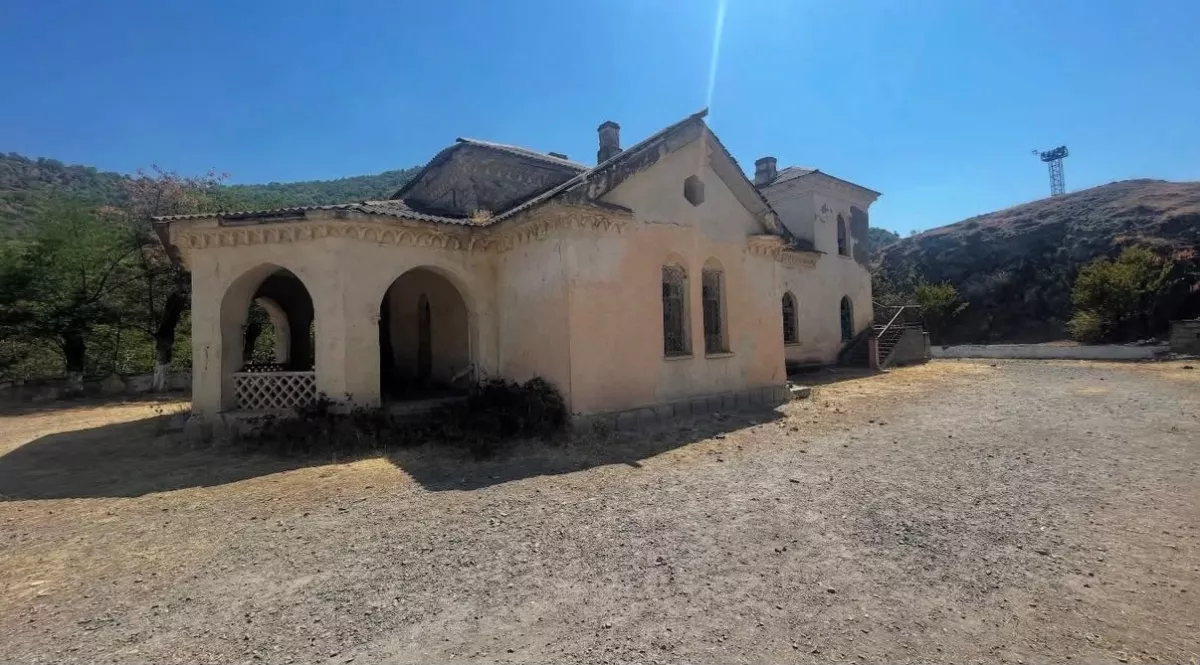
To the right of the building, a covered passenger platform adjoins the structure, providing protection from precipitation and wind. This area is designed as a veranda with an arcade in a national style: the rhythm of the arches creates a striking play of light and shadow, forming both an open and intimate waiting space. This element gives the station a distinctive atmosphere and subtly evokes the image of villas on the Mediterranean coast, where architecture blends organically into the surrounding environment. Overall, the composition suggests associations with a small seaside villa, where functionality is combined with a sense of romance, space, and air.
The two-storey wing attached on the left is treated in a more plastic manner and reinforces this image: an external staircase and a small balcony add pictorial quality to the silhouette, while also emphasising the building’s intimate, almost manor-like character. Service rooms were once located here, including a doctor’s office, which highlighted the social significance of the station.
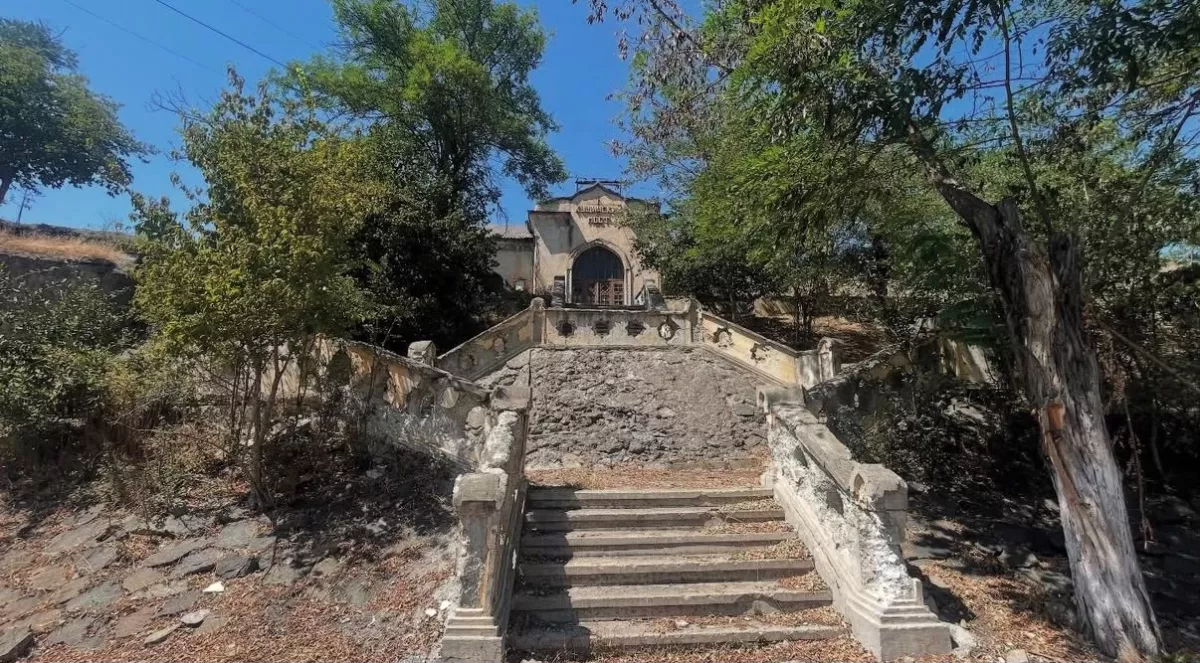
The façades of the building are restrained yet expressive: arched windows, laconic decoration, and carefully balanced proportions create a coherent and harmonious image. The architecture of the station intertwines elements of Romanticism, Neo-Gothic design, and industrial construction, complemented by features of the monumental Soviet architectural school, resulting in a multilayered and recognisable character. At the same time, the structure is organically integrated into the landscape, while the descent to the railway tracks is organised as a kind of amphitheatre, strengthening the connection between architecture and terrain.
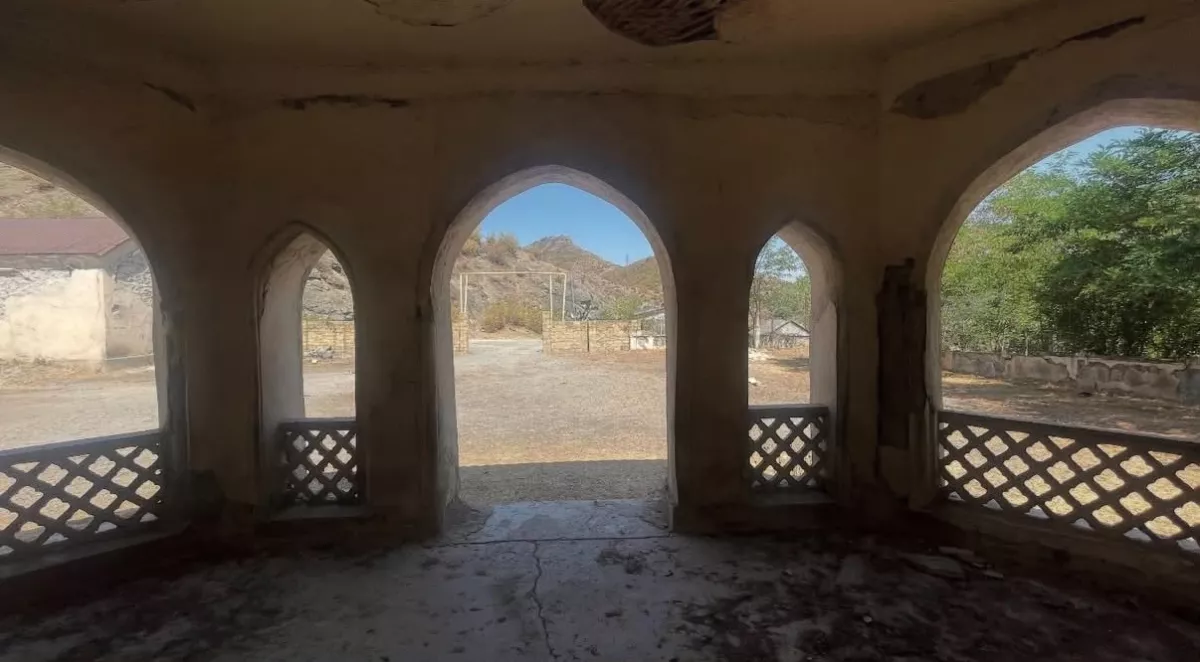
The interior spaces of the station in the past were characterised by austerity, a clear functional structure, and a well-considered organisation that reflected the engineering mindset of its time.
Everything here was subordinated to the logic of passenger flow and the organisation of operational processes — without excessive decoration, but with careful attention to comfort and order. The station played an important role in transporting industrial goods related to the development of local mineral deposits, serving as a significant hub in the regional infrastructure. Over time, its original function lost its relevance; however, the architectural expressiveness of the building has been preserved.
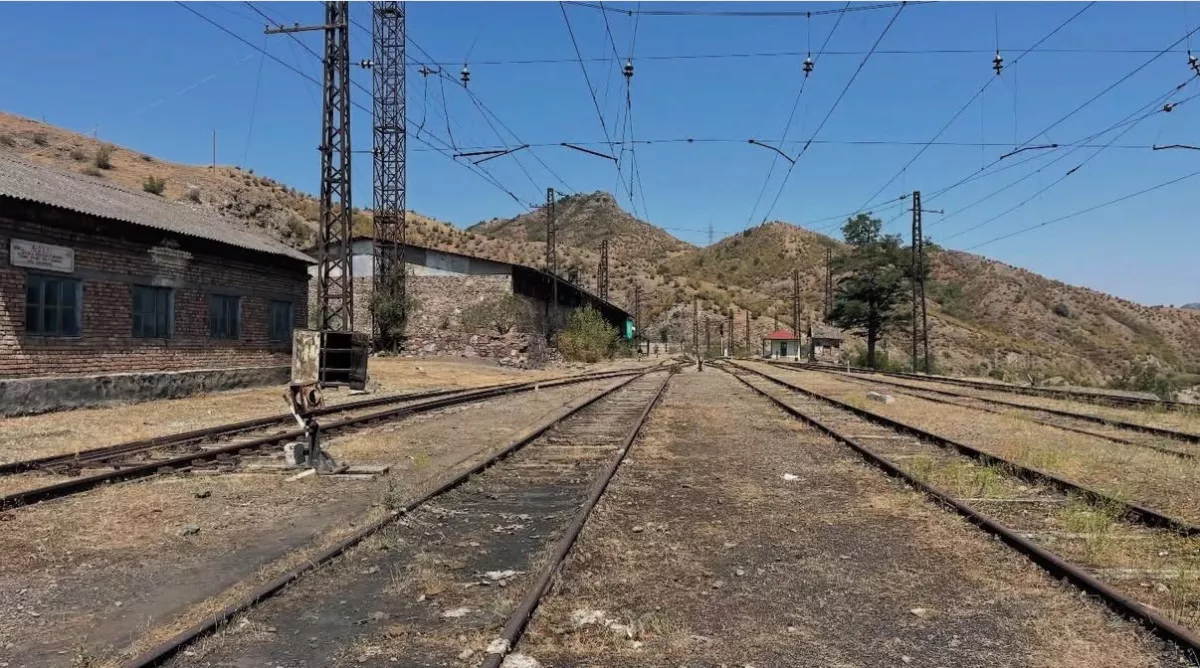
Today, Gushchu Bridge Station remains a valuable monument of railway heritage and an example of how a utilitarian structure can acquire artistic significance. It retains the atmosphere of a bygone era and continues to exist organically within the surrounding landscape. The site is still perceived as a living part of the historical memory of the region, connecting its industrial past with the architectural culture of its time.
By Vahid Shukurov, specially for Caliber.Az







 editor@caliber.az
 +994 55 444-88-98
 Азербайджан, Баку, ул. Низами, 203, Af Business House, 5-й этаж