










“Help has arrived” messages appear after hack amid Tehran strikes photo / video
Strikes have been recorded in Tehran, including attacks targeting the Presidential Palace complex, as tensions sharply escalate following Israeli military action against Iranian territory on February 28. According to media reports, the first wave of strikes focused on sites in the Iranian capital.
Iran’s parliamentary speaker stated that the country is preparing to deliver a “tough response” to the ongoing events. Tehran’s airport is expected to remain closed for the next 48 hours, according to reports by Nuw100.
Israeli media outlets reported that General Amir Hatami, Commander-in-Chief of the Iranian Army, was allegedly eliminated during the operation. Residents described widespread panic across Tehran amid powerful explosions and significant damage to government buildings. According to Reuters, Iran’s Supreme Leader Ali Khamenei has left Tehran and has been transferred to a secure location, while mobile communications have been disrupted in several areas of the city.
Explosions have also been reported in the Iranian cities of Qom and Isfahan, indicating a broader geographical scope of the strikes.
Alongside the military escalation, developments have extended into the digital sphere. Iranian users reported that the popular prayer-time application “Bad Saba” had been hacked. Instead of its usual notifications, citizens reportedly received messages supporting the attack and calling against the regime under the headline “Help Has Arrived.”
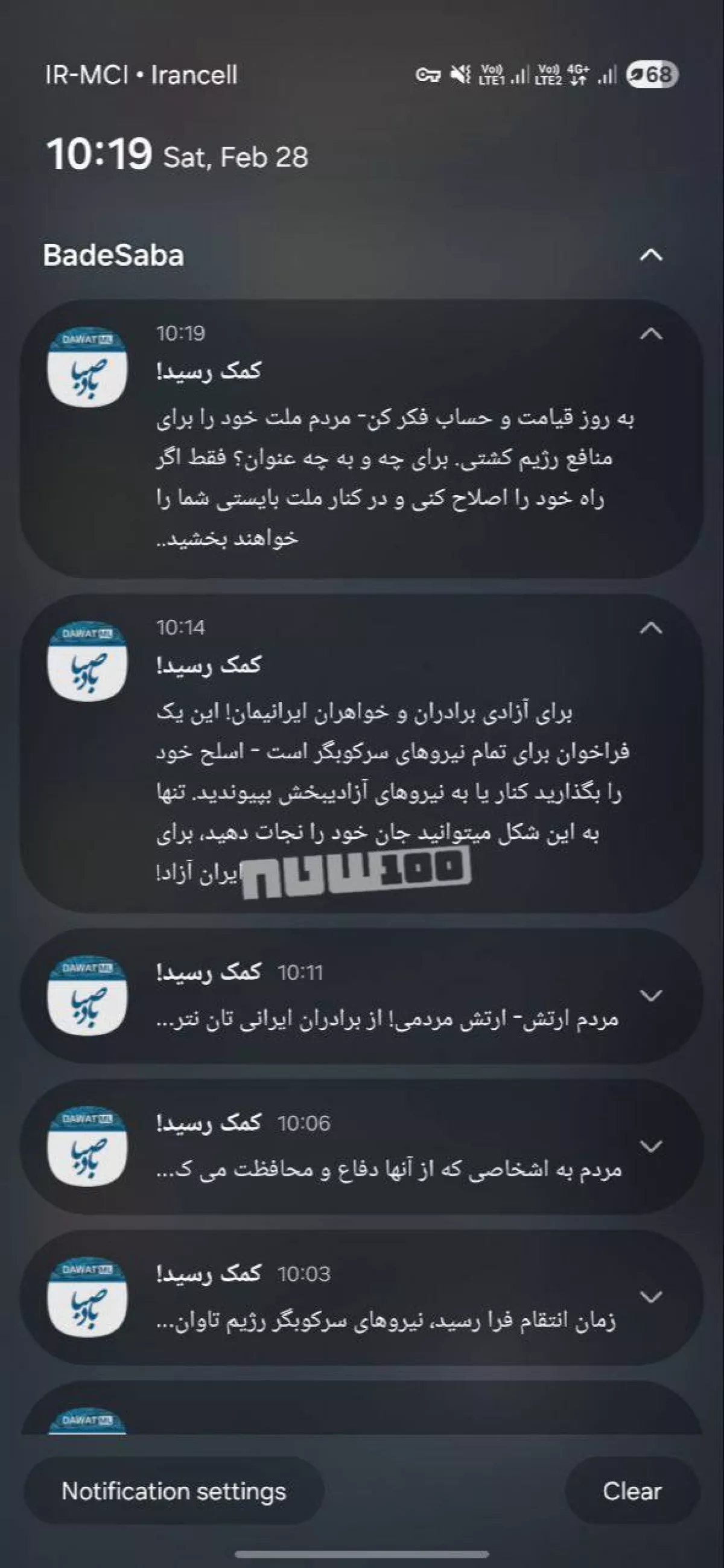
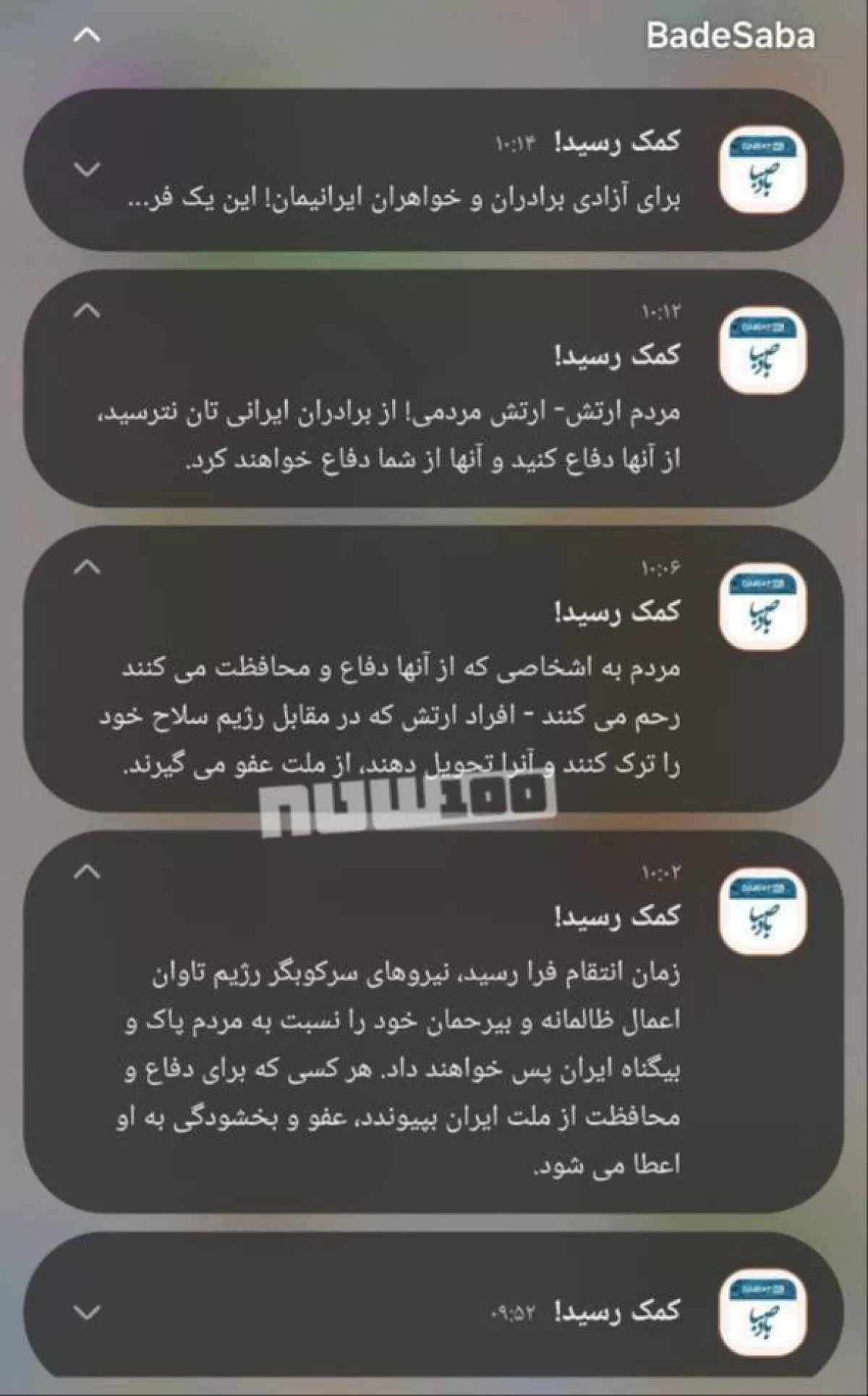
Security measures have also intensified across the region. Tel Hashomer Hospital has begun relocating hospital wards to protected facilities, while the US embassy in Qatar instructed its personnel to barricade themselves in designated safe zones. The operation reportedly includes aerial refuelling of aircraft launched from Rubaga, and strikes on the presidential complex in Tehran have already been confirmed.
Journalists further reported that, ahead of the Israeli strikes, senior ministers were issued “red phones” and instructed to remain near them throughout Saturday to receive urgent notifications or calls. Ministers were also ordered not to comment publicly on the attacks or discuss the possibility of strikes.
By Tamilla Hasanova







 editor@caliber.az
 +994 55 444-88-98
 Азербайджан, Баку, ул. Низами, 203, Af Business House, 5-й этаж