










IV Global Media Forum: Shusha once again speaks to world in language of trust Overview by Teymur Atayev
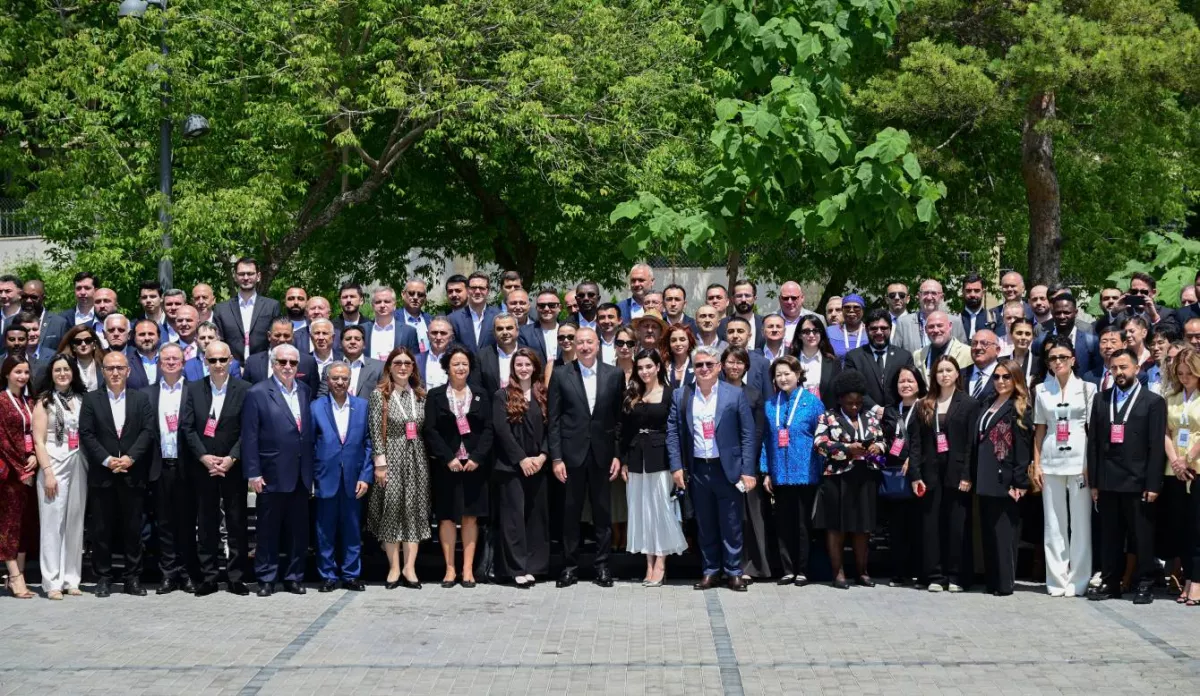
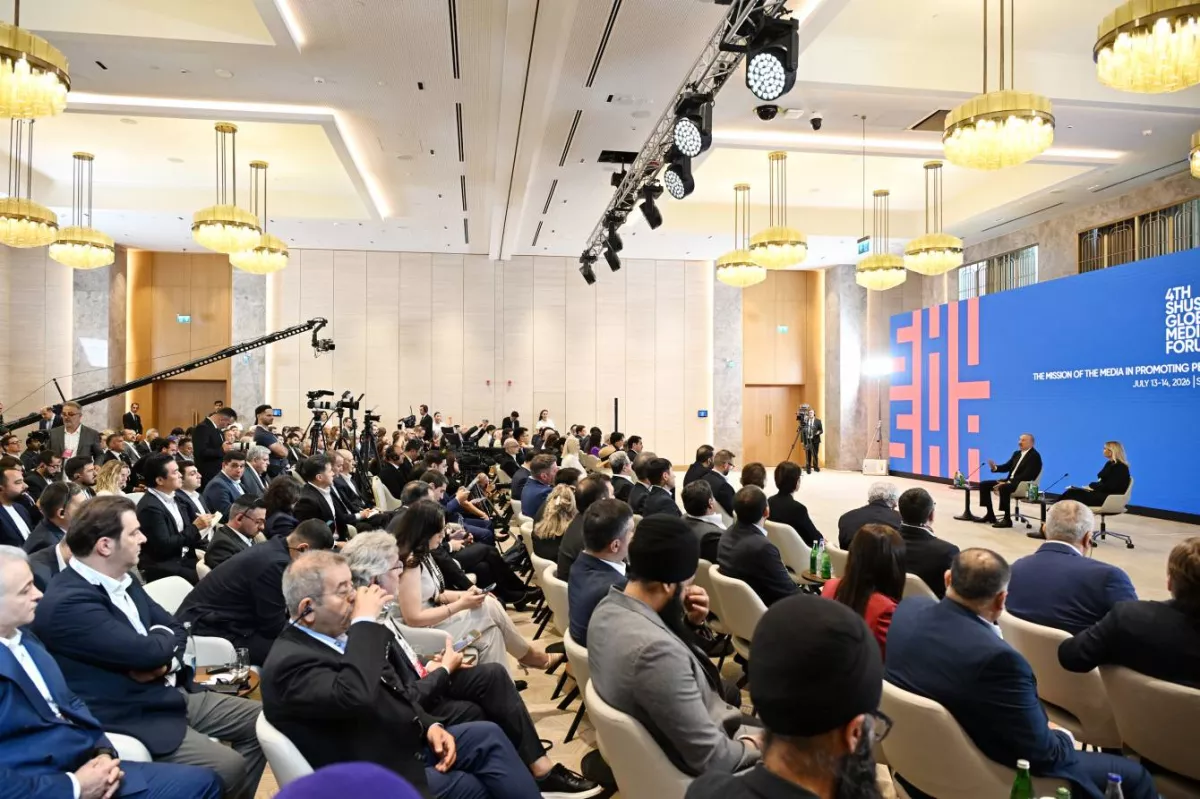
Azerbaijan has once again opened its doors to host a major international event. The country’s jewel, Shusha, welcomed the 4th Global Media Forum, the agenda of which speaks for itself: "The Mission of The Media in Promoting Peace: Restoring Truth and Rebuilding Trust."
Truth and trust—these are precisely the two elements the world is sorely lacking today. Against this backdrop, Azerbaijan has consistently pursued a peace-oriented policy based on the principles of justice, transparency, and strict adherence to international law. It is this very approach that fosters trust. The principle of "said and done" has long become an integral part of official Baku's policy on the international stage.
These principles were once again reaffirmed in the speech delivered by Azerbaijani President Ilham Aliyev at the 4th Global Media Forum. At the same time, his key messages clearly reflected continuity with the statements he made at the 3rd Global Media Forum a year earlier, further demonstrating the consistency of Azerbaijan's foreign policy course.
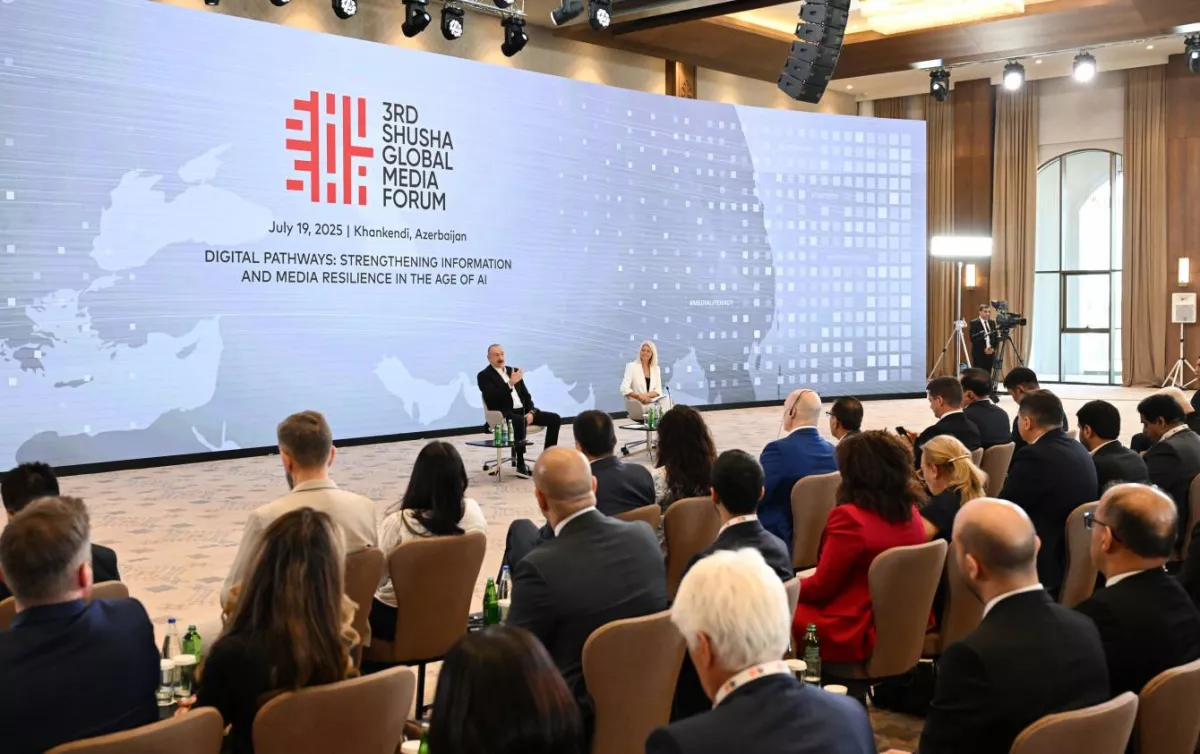
At the 3rd Global Media Forum in 2025, the president, noting the increase in the number of participants and the expanded geography of the event (140 guests from 52 countries), explained this by the need for open discussions on global issues in a friendly atmosphere.
The 4th Global Media Forum has already brought together around 160 media representatives, experts, and officials from 53 countries around the world, as well as representatives of nearly ten international organizations and companies. In other words, the growing popularity of the Shusha Global Media Forum is becoming increasingly evident.
Ilham Aliyev expressed confidence that the forum's guests could see with their own eyes the scale of the transformations taking place in Karabakh. Moreover, one of the state's key priorities remains ensuring sustainable development and the reconstruction of the territories liberated from occupation.
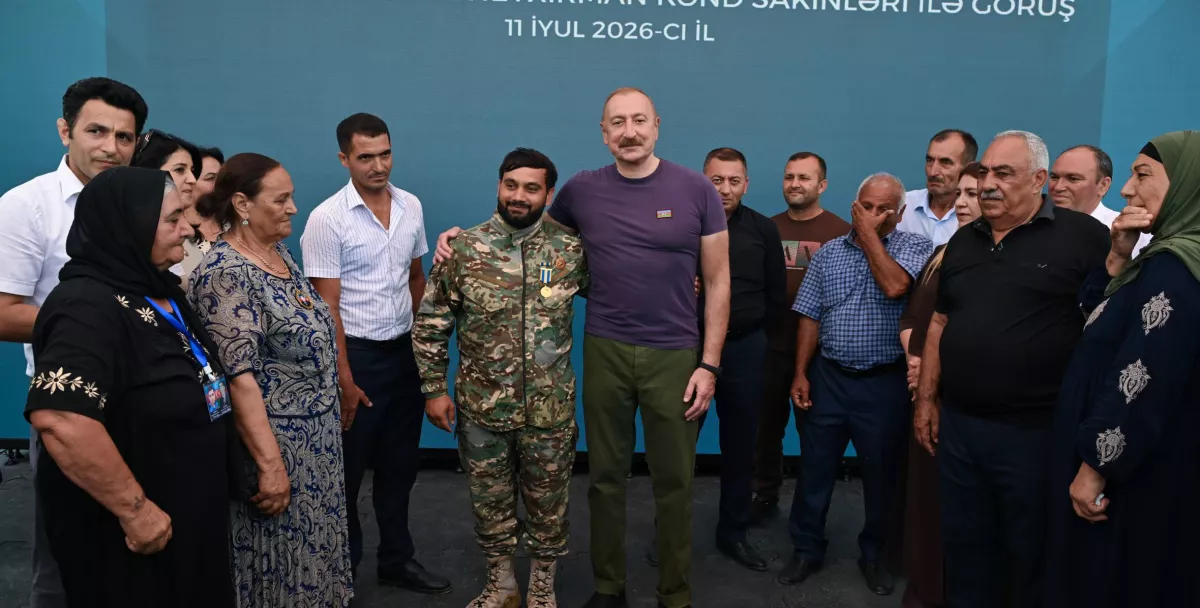
A day before the opening of the 4th Global Media Forum, during a meeting with former internally displaced persons who had returned to their native lands, Aliyev emphasized that the process of the population's return would continue to expand. This once again confirms the consistency of Azerbaijan's policy. After all, at the 3rd Global Media Forum, the leader stated that "the number of people returning is increasing and will continue to increase even faster in the future," since, following the completion of most infrastructure projects, more funds would be allocated to housing construction.
Once again, the principle of "said and done" finds practical confirmation. This is also evident in the issue of the Zangezur Corridor, which Ilham Aliyev described at the 3rd Global Media Forum as a future international transit artery.
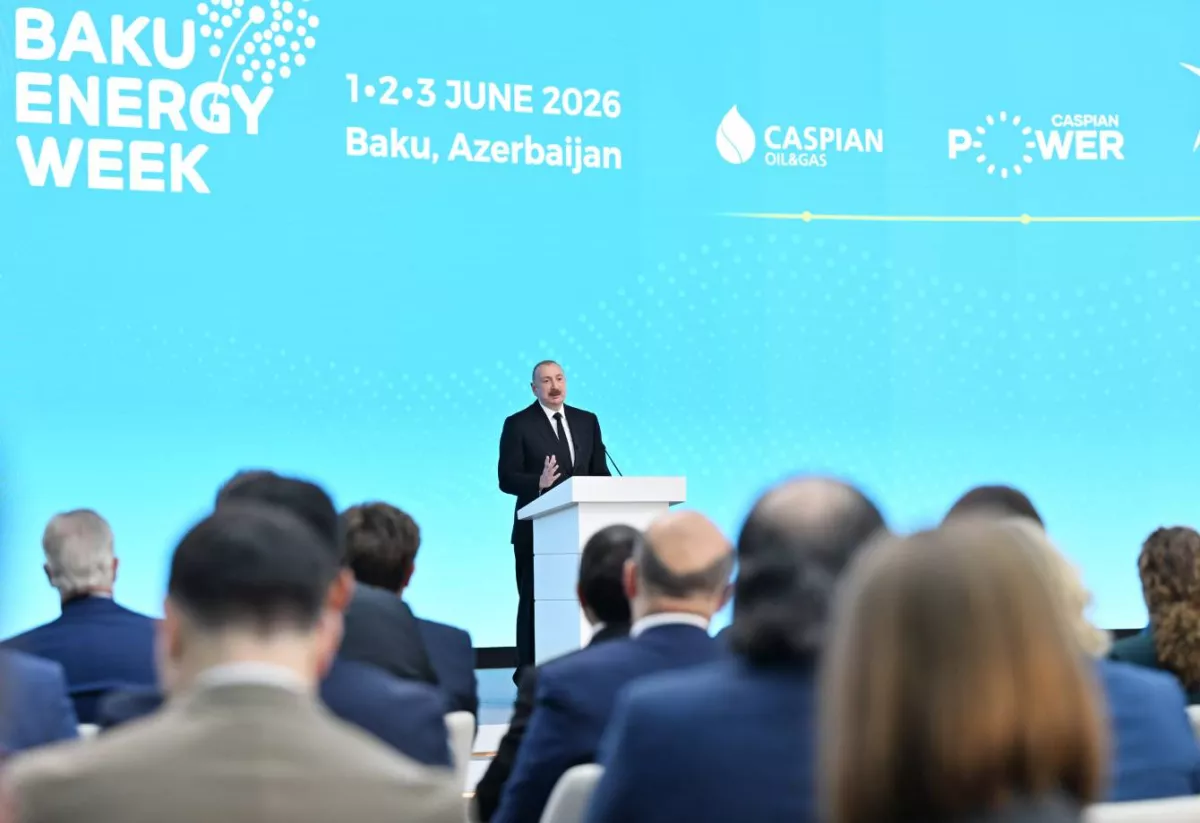
In his recent speech at the opening of Baku Energy Week, the president described the Zangezur Corridor as a branch of the East–West route and emphasized that its construction would undoubtedly be carried out "based on the document signed at the White House on August 8." That is why, the day before in Shusha, Aliyev once again included the completion of the relevant projects and the launch of new transport routes among the state's most important priorities.
In this context, the leader once again drew attention to the geographical factor, which he had also spoken about a year earlier. At that time, he noted that geographical location could become either a source of threats or a major advantage—it all depends on whose hands it is in.
At the 3rd Global Media Forum, Ilham Aliyev described Azerbaijan as a key link in the route between Europe and Asia—a country with extensive experience in implementing megaprojects, a diversified foreign policy, and a readiness to play an important role in international affairs.
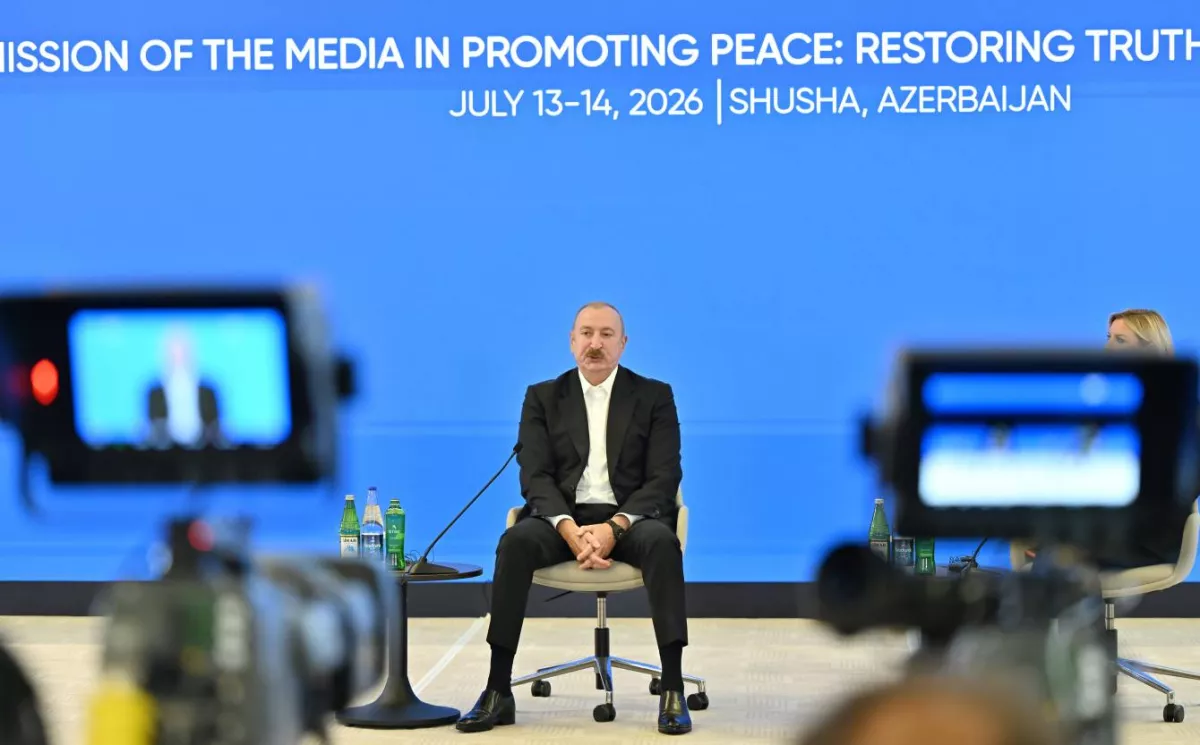
At the 4th Global Media Forum, the leader elaborated on this idea, noting that today Baku, which supplies pipeline gas to 16 countries, has established itself as a reliable and predictable partner. At the same time, Azerbaijan continues to expand its transport infrastructure, strengthening regional connectivity and maintaining excellent relations with its neighbors both to the West and to the East.
Today, Absheron's "blue gold" is supplied even to Syria, from where it may eventually be exported to neighboring countries experiencing high demand for natural gas.
The president also singled out cooperation with all the countries located along the Middle Corridor. He emphasized that Central Asia and Azerbaijan are, in effect, forming a single economic and political space, which is of particular importance for the implementation of transport and logistics projects.
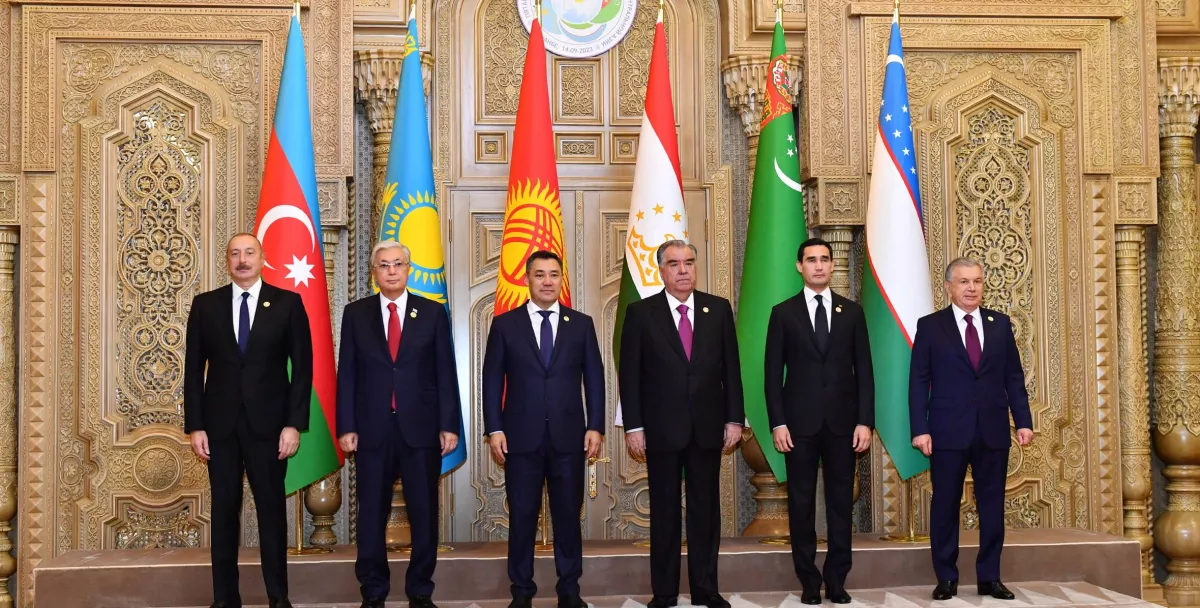
Here, it is once again appropriate to recall the Global Media Forum held in 2025, where President Aliyev spoke about the interconnectedness of Azerbaijan and the Central Asian countries, emphasizing the prospects for further expanding this space. This approach became a logical continuation of the position voiced by the president at the Fifth Consultative Meeting of the Heads of State of Central Asia in 2023, when he noted that "Our brothers in Central Asia know that Azerbaijan’s entire transportation and logistics infrastructure is available to them."
Thus, a comparison of the president's key messages delivered a year apart clearly demonstrates that Baku's foreign policy is based on continuity, predictability, and transparency.
Aliyev also made a number of important clarifications regarding other geographical directions. In particular, he stated that Azerbaijan has no intention of engaging in confrontation, especially against the backdrop of regular attacks by PACE and the European Parliament, which President Ilham Aliyev figuratively described as a manifestation of obsession.
Against this backdrop, he also focused on Baku's initiatives aimed at strengthening solidarity, mutual understanding, and the unity of the Islamic world, emphasizing that Azerbaijan is making every effort to achieve these goals.
In this regard, one cannot but recall the leader's statement made less than a week earlier that, during Azerbaijan's chairmanship of the OIC in 2027, Baku will make every effort to mobilize joint action to strengthen Islamic solidarity and turn it into a real force.
Regarding Azerbaijan–China relations, Aliyev noted the intensification of cooperation in the political, economic, transport, and other spheres, including a new area—the defense industry. At the same time, the volume of cargo transportation from China through Azerbaijan and to Azerbaijan via the Middle Corridor has increased significantly.
As a separate point, Ilham Aliyev touched upon Azerbaijan–U.S. relations, placing particular emphasis on the role of U.S. President Donald Trump and his team in creating the conditions for achieving peace in the region. According to the president, whereas Joe Biden's approach—both during his time as a senator and as president—was aimed at keeping the South Caucasus in a state of conflict, Trump had been focused on peace from the very beginning.
It is worth recalling that in June 2026, the country's leader, emphasizing Donald Trump's indispensable role in establishing and strengthening the strategic partnership between Azerbaijan and the United States, expressed his gratitude for Trump's determination to advance the peace agenda in the South Caucasus. Continuing this theme in Shusha, Aliyev once again raised the issue of the complete repeal of Section 907.
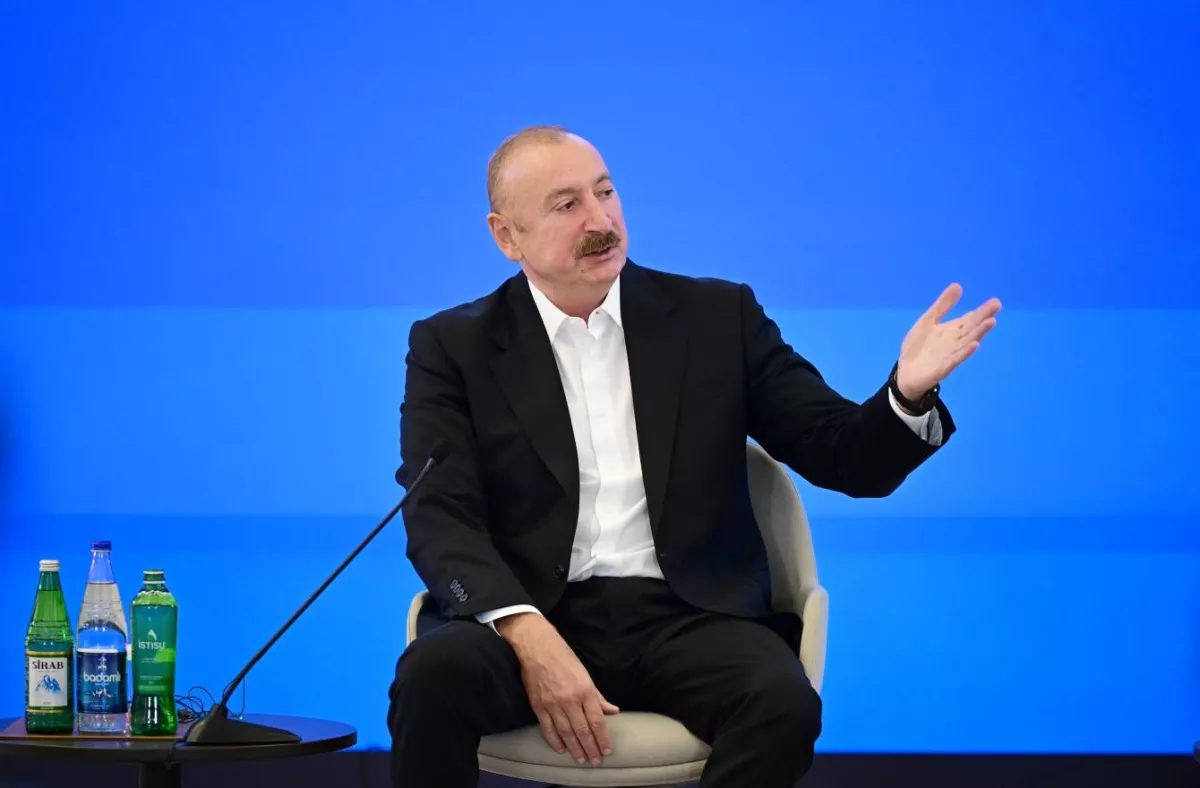
Speaking about the Turkish direction, Ilham Aliyev stated that there are no other two countries in the world that are as close to each other and as consistently supportive of one another, strengthening regional stability, transport connectivity, and security.
The president also separately addressed the development of Azerbaijan's relations with Uzbekistan, Kazakhstan, Japan, and Russia.
In light of the above, it is difficult not to note how consistently and thoughtfully Azerbaijan's foreign policy is being pursued. Aliyev identified one of the key reasons for this as Baku's ability to avoid being drawn into geopolitical intrigues and to prevent external actors from using Azerbaijan for their own interests.
This position fully corresponds to the principle previously formulated by the leader, according to which Azerbaijan, being a country that is completely independent economically, is “dependent on no country.”
It was precisely this economic independence that strengthened Azerbaijan's political sovereignty and made it possible to pursue a policy guided exclusively by the interests of the Azerbaijani people.
Azerbaijan's confident position on the international stage, which has been further reinforced following the Great Victory achieved in full accordance with the norms and principles of international law, has inspired hope among many countries that are also striving to restore historical justice.
This has also been facilitated by the active work of the Baku Initiative Group, which the head of state described as one of the most effective non-governmental organizations. It was this organization that succeeded in placing the issue of colonialism on the global agenda.
The significance of this work is demonstrated, in particular, by the long-standing difficult situation of the residents of France's so-called overseas territories, who continue to suffer from the consequences of colonial and imperialist policies.
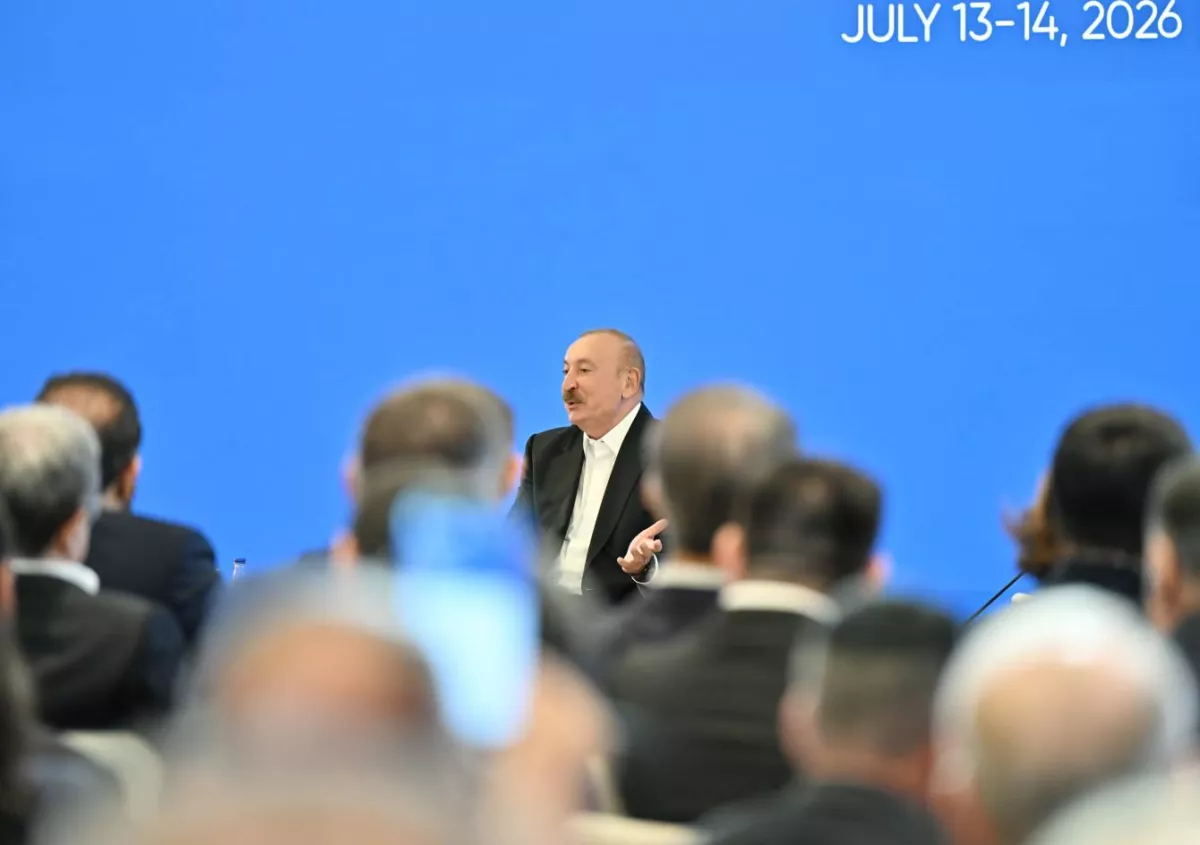
President Ilham Aliyev also addressed the issue of reforming the United Nations, once again advocating the allocation, on a rotational basis, of permanent seats with veto power on the UN Security Council to the countries chairing the Non-Aligned Movement, the Organization of Islamic Cooperation (OIC), and the African Union. According to him, such an approach would be a genuine manifestation of justice.
The president called for an immediate end to the war between Russia and Ukraine. In addition, he emphasized the importance of normalizing relations between the United States and Iran, expressing hope that the existing differences could be resolved through the mediation of Pakistan—the only country that, in his words, "managed to mediate and that took this responsibility."
The assessments and facts presented above clearly demonstrate the strengthening of Azerbaijan's international standing and its growing geopolitical capabilities. This is precisely what Ilham Aliyev meant when he emphasized that Azerbaijan has now emerged as a middle power.
The leader identified the criterion for such a status as the international recognition of a country's potential, its ability to consistently defend its national interests regardless of the position of major powers, as well as its readiness to use all available capabilities in the event of attempts to harm Azerbaijan.
Among these factors, he cited both the country's high level of defense capability, demonstrated, among other things, on the battlefield, and its ability to "influence, with your only word or with your only statement, events that are happening beyond your boundaries."
With a view to further strengthening these positions, Aliyev, taking into account the real threats that persist in the region, emphasized the need to further expand the country's capabilities, including by strengthening its defense capacity and developing practical cooperation with the broadest possible range of countries.
The president identified the internal cohesion of society as the foundation for implementing this policy, noting that at the present historical stage, it is difficult to find a society as united as the one in Azerbaijan today.
The 4th Global Media Forum once again confirmed Azerbaijan's significance, and not merely because of its geographical location. Today, this country stands as an influential middle power that, despite geopolitical upheavals, including those occurring along its borders, consistently pursues its policy on the basis of the norms and principles of international law, firmly defending its national interests without causing harm to other states.
Amid the continuing global geopolitical turbulence, such an approach remains a rarity. Nevertheless, Azerbaijan continues to follow this course consistently, shaping new trends in contemporary international politics.







 editor@caliber.az
 +994 55 444-88-98
 Азербайджан, Баку, ул. Низами, 203, Af Business House, 5-й этаж