










The Caucasus reset: from confrontation to a new system of relations Arab News on Baku-Ankara-Yerevan rapprochement
Saudi newspaper Arab News has published an article dedicated to the prospects of establishing a new regional system of security and cooperation in the South Caucasus. Caliber.Az presents an excerpt from the article to its readers.
Editor's note: Dr. Sinem Cengiz is a Turkish political analyst who specializes in Türkiye’s relations with the Middle East
"In his first interview following the announcement of the Makkah Joint Defense Agreement, Turkish Foreign Minister Hakan Fidan raised the possibility of establishing a future joint defense framework involving countries in the South Caucasus, as Azerbaijan and Armenia move toward a final peace agreement.
Importantly, Fidan was not announcing that such a framework is being negotiated. He presented it as a future possibility that if the Azerbaijan-Armenia peace process produces a durable settlement, a similar model could eventually become relevant in the South Caucasus as the region’s security environment evolves.
For the first time in their history, neither Türkiye and Armenia nor Armenia and Azerbaijan view each other as adversaries. All three states are prioritizing diplomacy over confrontation. In 2022, Türkiye and Armenia launched a normalization process with the appointment of special envoys by both sides. Last year, Armenia and Azerbaijan signed a peace framework. The two neighbors, long divided by territorial disputes, agreed to end hostilities, normalize relations, and respect each other’s territorial integrity.
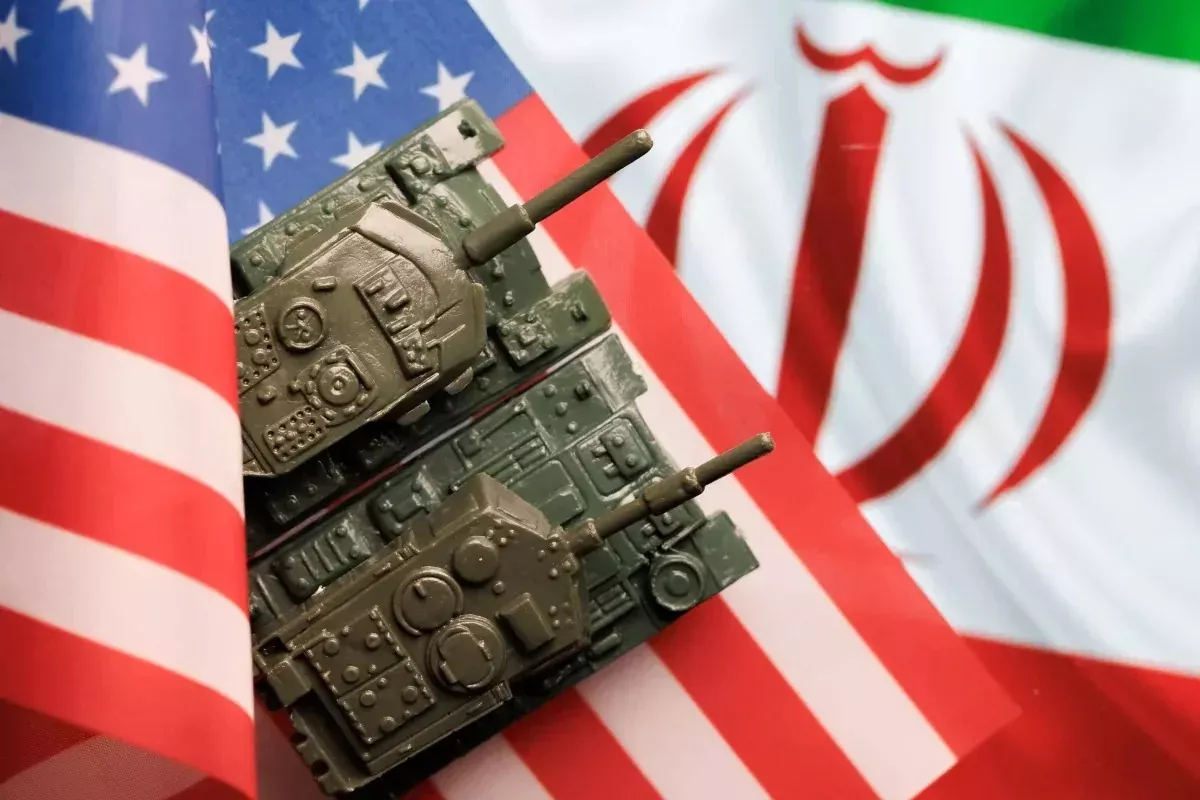
Their mutual interests in the stability of the South Caucasus are rapidly paving the way toward normalization. They also share common concerns about the US-Israeli war on Iran spilling into the South Caucasus, and their efforts to stay away from the fallout of the war brought them even closer.
On Tuesday, Armenia’s parliament approved the government’s 2026-2031 program, which sets out plans to consolidate peace with Azerbaijan, establish diplomatic relations with Türkiye, and deepen ties with other regional and global partners. For years, Armenia’s closed borders with Türkiye and Azerbaijan have left Yerevan heavily dependent on Russia and Iran, both of which are currently engaged in wars. Now, Armenia is effectively seeking to end its landlocked status, and moving away from Russia by engaging in strategic partnerships with Western institutions.
Within this context, last year, for the first time since its independence in 1991, Armenia assumed full control of the Agarak border checkpoint along its border with Iran. Armenian border guards replaced Russia’s Border Service, which had managed the checkpoint for more than three decades. Moreover, Yerevan prepares for a EU accession bid.
These moves showed a clear recalibration in Armenia’s foreign policy approach. Normalization with Türkiye and Azerbaijan fits squarely into this new approach. It also marks the beginning of a new era in the South Caucasus.
Despite the positive steps taken toward the stability in the South Caucasus, it is significant to understand the possibilities and challenges of a future joint defense framework that the Turkish foreign minister highlighted.
As with any regional security or economic framework, there are likely to be spoilers seeking to derail the progress for the sake of their own interests. Russia has already seen its influence in Armenia and Azerbaijan decline, while Iran has faced a broader erosion of its regional influence, from Syria to the South Caucasus.
What might a future regional framework in the South Caucasus look like? Türkiye and Azerbaijan already share close military and political ties. A defense framework involving these two countries is a plausible one. While Armenia has taken significant steps toward normalization with Turkiye and Azerbaijan, it may be unrealistic to expect Yerevan to join a trilateral security framework in the short to medium term.
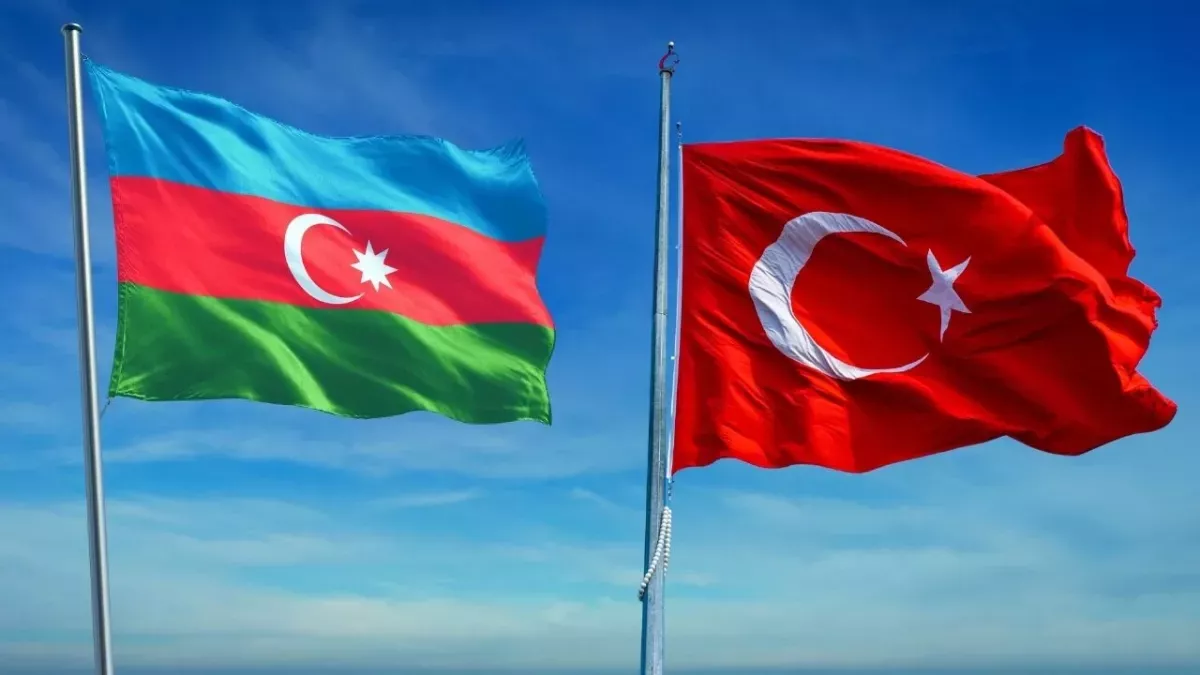
However, Armenia could gradually integrate into a broader regional framework through more limited forms of cooperation, starting with transport connectivity. They all seek to construct alternative routes as a way to diversify regional connectivity. The connectivity network could potentially pave the way for a shared regional security mechanism. Even without a formal joint defense framework, such a process would itself represent a major transformation in their relationships. Recently, there have been some significant steps in this regard.
This week, Azerbaijan and Armenia discussed opportunities for electricity imports and exports, as well as possible options for interconnecting their energy infrastructure at the state border for this purpose. The sequence of events suggests that energy cooperation is already moving beyond political statements. Moreover, Baku recently said that its railway link to Armenia is being constructed and was expected to be completed in 2027. In May, Türkiye also removed restrictions on direct trade with Yerevan and direct flights resumed.
Although a future defense framework might need years to happen, at this stage, the normalization of Turkish-Armenian relations, and the implementation of the peace treaty between Baku and Yerevan itself would be the greatest step toward stability in the South Caucasus.







 editor@caliber.az
 +994 55 444-88-98
 Азербайджан, Баку, ул. Низами, 203, Af Business House, 5-й этаж