










The illusion of compromise Why the Russia–Ukraine war is far from frozen
Russian President Vladimir Putin’s statement expressing readiness for peace negotiations with Ukraine has once again brought an old yet still unresolved issue back into the spotlight — the so-called “Istanbul agreements.” Formally, this refers to the negotiations held in Türkiye in March 2022, but their actual substance and status remain a matter of debate.
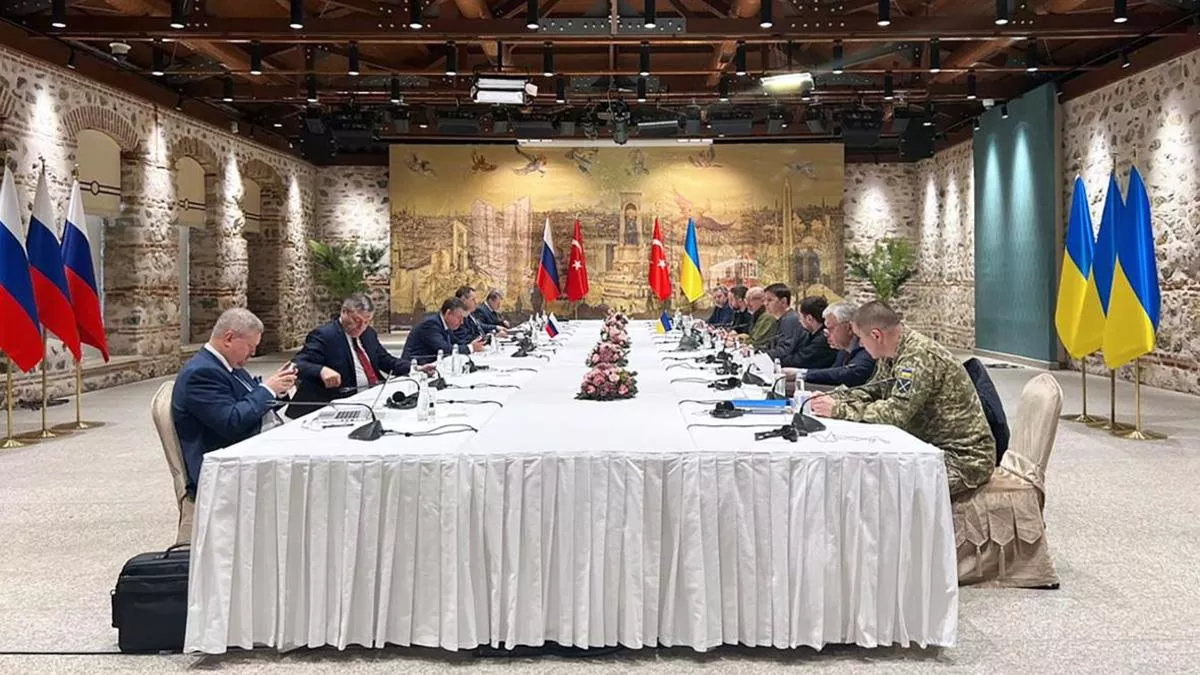
Moscow maintains that agreements were reached and even “initialled” by the Ukrainian side. Kyiv, however, has consistently insisted that no agreements ever existed; rather, there was only a set of ultimatums put forward by Russia that Ukraine could not accept.
To understand the significance of the Kremlin’s latest statement, it is necessary to revisit those events. In Istanbul, the parties did indeed discuss possible parameters for a settlement, including Ukraine’s neutral status, security guarantees, and territorial issues. However, these were working proposals and draft frameworks rather than finalised agreements. The initialling of certain documents did not constitute their approval; it was merely a technical step in the negotiating process, not a political decision. Ultimately, the talks reached a deadlock, primarily because the positions of the two sides proved irreconcilable.
Nevertheless, Moscow continues to invoke the “Istanbul process” as an allegedly agreed-upon foundation for future negotiations. This is a highly convenient narrative, allowing Russia to present itself as a party willing to “return to existing agreements” while shifting responsibility for the continuation of the war onto Ukraine. The same logic is evident in the statements of Russian Foreign Minister Sergey Lavrov, who has repeatedly expressed readiness to resume dialogue “from the point at which it was suspended.”
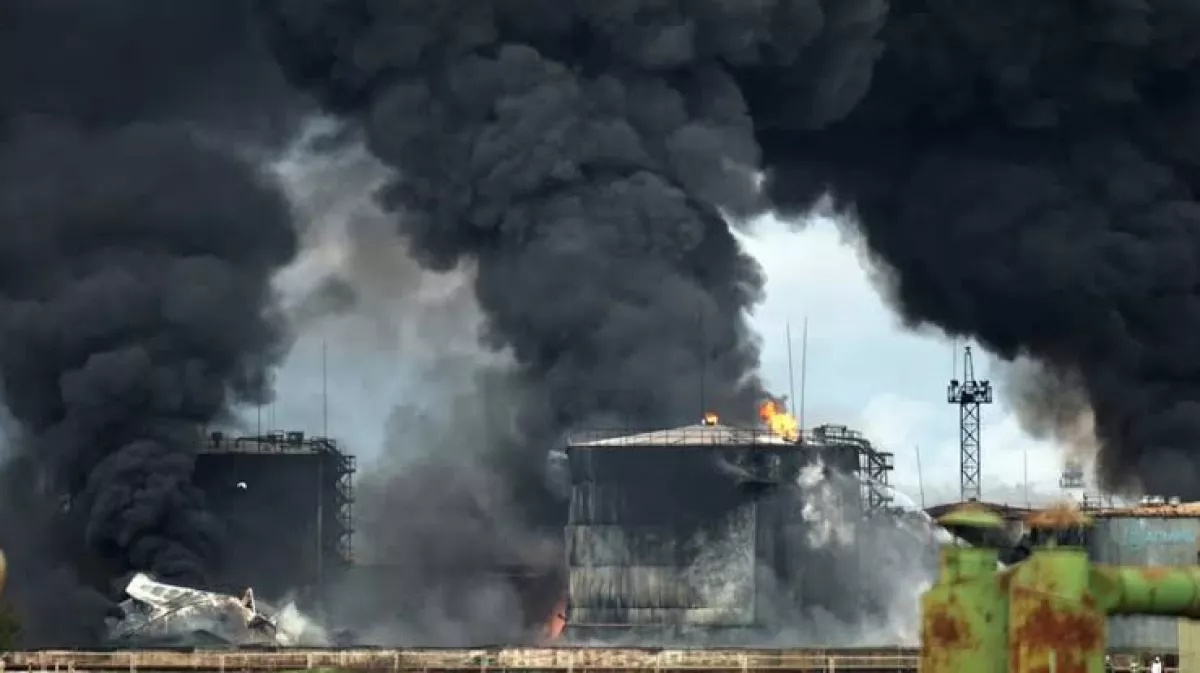
A key element of Russia’s overall approach is its proposal to effectively formalise the current situation on the battlefield and with regard to territorial control. The problem, however, is that these so-called “realities” are far removed from the picture portrayed by the Russian leadership. Available data and assessments by independent experts suggest that the front remains largely deadlocked, while in several sectors, Ukraine has managed to regain the initiative. Moreover, large-scale strikes against logistics networks, bridges, warehouses, and energy infrastructure have created significant challenges for Russia.
The situation in Crimea is particularly illustrative. Ukrainian attacks on railway hubs, oil depots, and energy facilities have increasingly undermined the sustainability of Russia’s military presence on the peninsula. Disruptions to supply lines, fuel shortages, interruptions in electricity provision, and mounting pressure on transport corridors are turning Crimea from a strategic stronghold into a vulnerable liability. In effect, a strategy aimed at isolating the peninsula is already being implemented.
Taken together, these factors — growing military pressure, economic losses, and sustained strikes on critical infrastructure — might appear capable of pushing Moscow towards compromise. In reality, however, the opposite seems to be occurring. Russian rhetoric remains unchanged, while its demands continue to be maximalist and wholly unacceptable to Kyiv, as they contradict the very principle of Ukrainian sovereignty and effectively undermine the foundations of the European security architecture.
Thus, the latest statements by the Russian leadership appear to be less a signal of a genuine policy shift than an element of a broader information and diplomatic strategy. The Kremlin seeks to project an image of “constructiveness” to external audiences while remaining unwilling to abandon its core objectives. In essence, this is an attempt to shape the environment for future negotiations on terms favourable to Russia without altering the substance of its position.
This reality points to one conclusion: a “freeze” of the conflict remains unlikely in the near term. At the very least, there are currently no visible factors that could bring the parties to a compromise before the end of the summer. The war of attrition continues, and its trajectory is becoming increasingly dependent on Ukraine’s ability to inflict sustained damage on Russian military and economic infrastructure. The more significant Ukraine’s successes in this regard, the greater the likelihood that Moscow will eventually be compelled to reassess its position.







 editor@caliber.az
 +994 55 444-88-98
 Азербайджан, Баку, ул. Низами, 203, Af Business House, 5-й этаж