










The shadow of the Russia–Ukraine war once again looms over Georgia Article by Vladimir Tskhvediani
A few days after the NATO Summit in Ankara, on July 11, 2026, the media unexpectedly "recalled" that Georgia had not been invited to the summit. The opposition renewed its attacks on the ruling Georgian Dream party, accusing it of causing Georgia’s "international isolation" through its policies. On the same day, the opposition organised a march on Rustaveli Avenue in Tbilisi in memory of approximately 120 Georgian volunteers who were killed in Ukraine while fighting on the side of the Armed Forces of Ukraine.
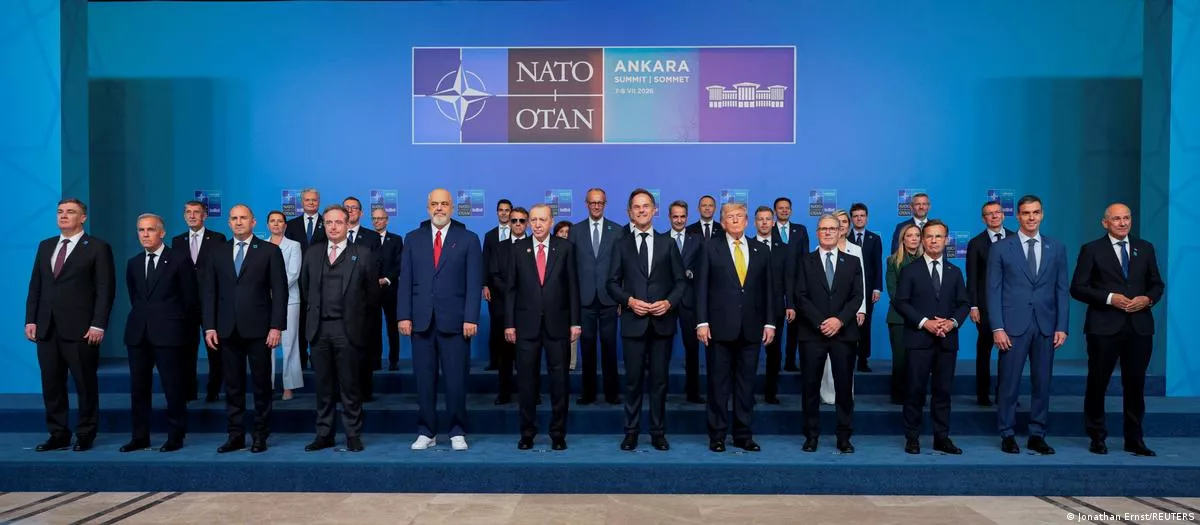
On July 7–8, 2026, the NATO Summit was held in Ankara, with its key outcome being a declaration providing for increased defence spending and long-term support for Ukraine.
This decision was also influenced by the fact that the geographic scope of Ukrainian strikes on Russia has recently expanded significantly, already leading to a major fuel crisis and the partial logistical isolation of occupied Crimea. Since the NATO Summit in Ankara was primarily devoted to issues related, in one way or another, to the Russia–Ukraine war, Georgia’s absence from the event, given that it has not been drawn into the conflict either directly or indirectly, appears entirely logical.
Commenting on the NATO Summit in Ankara, representatives of the Georgian government pointed out that its agenda simply did not include the meeting formats in which Georgia had previously participated, and rejected accusations of "political isolation."
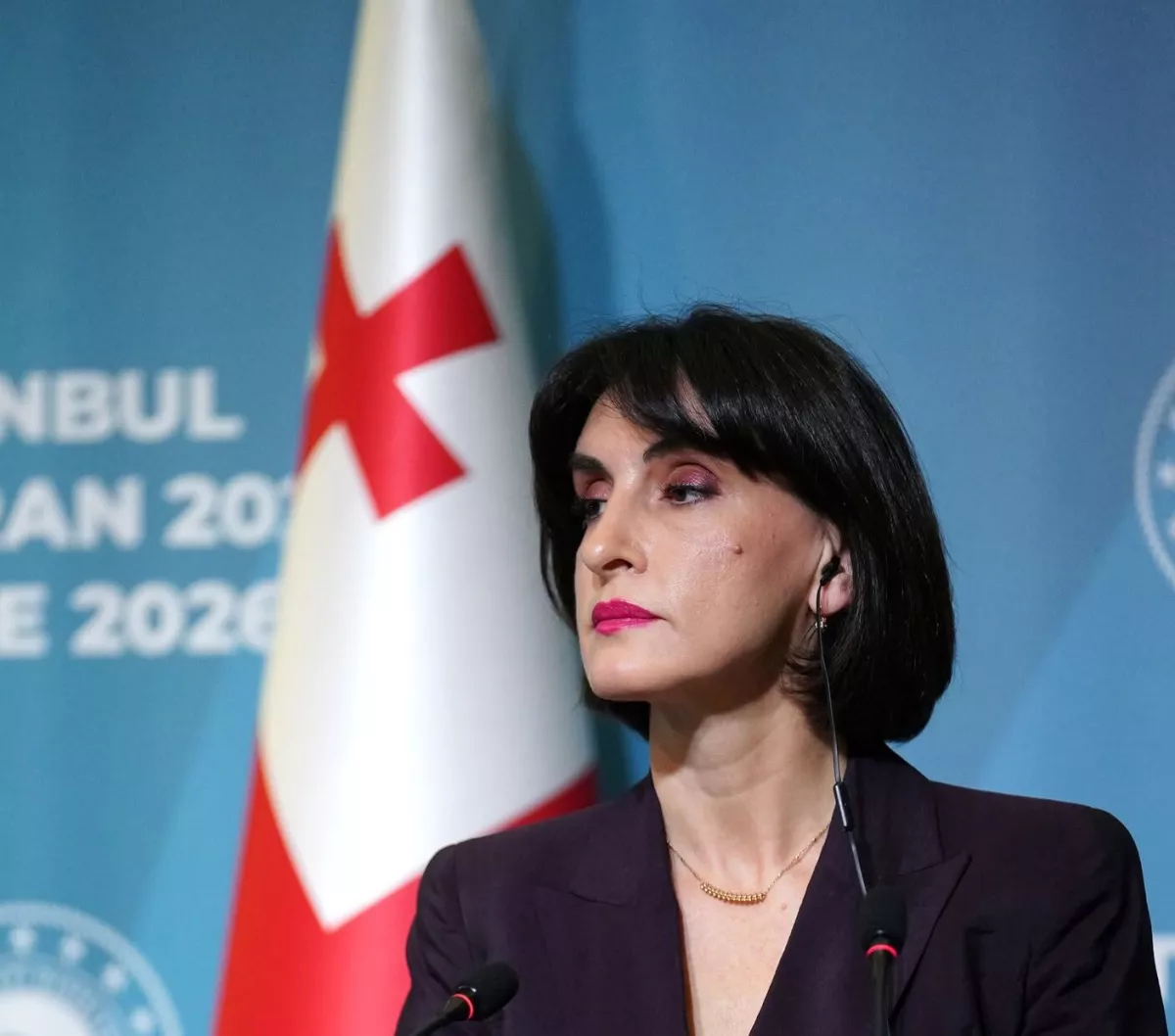
The Georgian Ministry of Foreign Affairs also announced that Foreign Minister Maka Bochorishvili intends to take part in a separate event in Türkiye titled "Allies in Ankara."
It is clear that today, when NATO is openly supporting Ukraine in the Russia–Ukraine war, emphasising Georgia’s rapid rapprochement with the Alliance could provoke outright irritation in Moscow. This could result in an increased Russian military presence in the occupied regions of Abkhazia and the Tskhinvali region. Such a development would clearly not contribute to the process of their peaceful de-occupation, which the Georgian authorities have made a priority.
Meanwhile, following the NATO Summit and its distinctly pro-Ukrainian outcomes, signs have emerged that Georgia’s pro-Western opposition is once again beginning to prepare public opinion for the opening of a "second front."
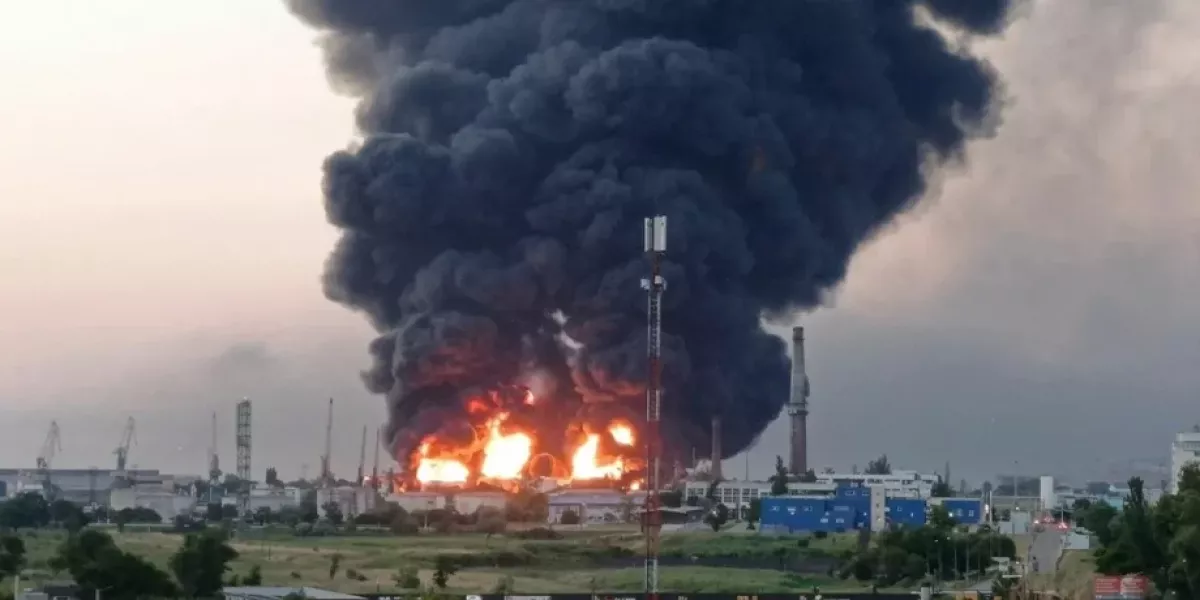
If one reasons from the perspective of those seeking to inflict the greatest possible negative impact on Russian society through the ongoing war in Ukraine, everything appears logical. In occupied Ukrainian Crimea, the resort season has been disrupted due to strikes by the Armed Forces of Ukraine and the fuel crisis.
The safety of resorts along the Krasnodar Krai coast also remains in question. As a result, many Russian citizens hoping for a "peaceful" vacation have headed to occupied Abkhazia.
No large-scale strikes by the Armed Forces of Ukraine have so far been carried out on this internationally recognised territory of Georgia, the government of which has officially maintained neutrality in the Russia–Ukraine war. However, if such strikes were to begin, the last illusion of "peaceful life," which Russian propaganda has been struggling to preserve amid the war in Ukraine, would be shattered.
Not to mention that Georgia's entry into the war and the opening of a "second front" in the Caucasus, which would make such strikes "legitimate," would sharply worsen Russia's geopolitical position.
Many in the European Union would like to see such a scenario materialise. Especially since plans to draw Georgia into the war have existed for a long time, and the outcomes of the NATO Summit in Ankara have once again strengthened confidence in Ukraine's "imminent victory."
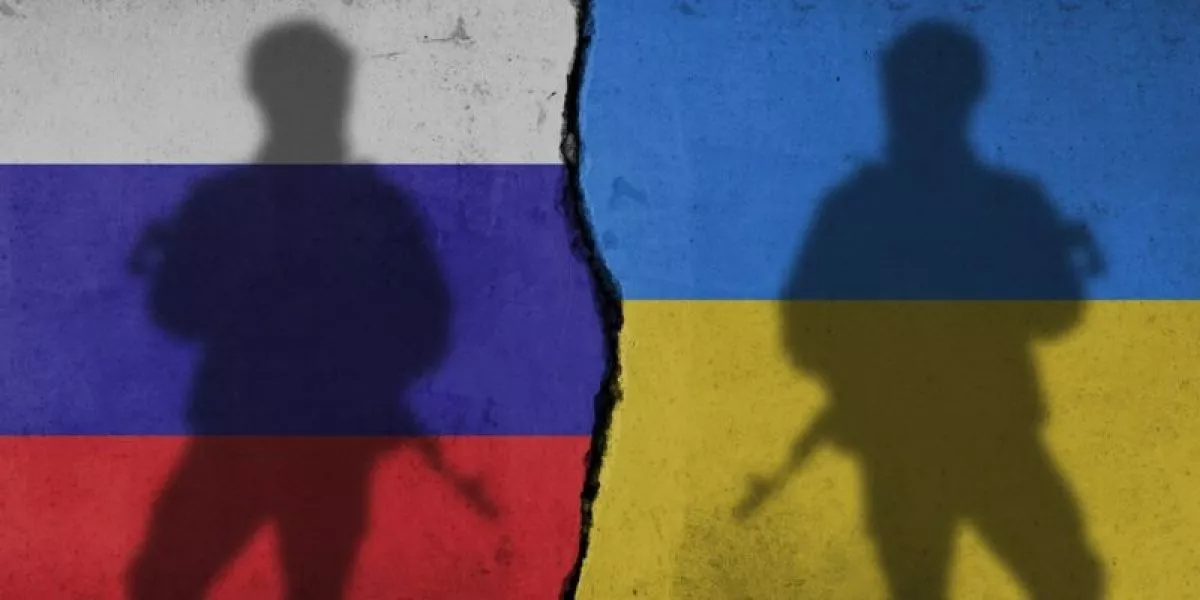
In 2022, following the withdrawal of Russian forces from previously occupied territories in the Kyiv, Chernihiv, Sumy, and Kharkiv regions, as well as the "surrender" of Kherson, there was no shortage of statements from Georgian opposition figures claiming that Ukraine was "on the verge" of winning the war. At the time, the ruling Georgian Dream party was openly accused of missing the opportunity for Georgia to "join the victors in time."
Judging by recent developments, Georgia's pro-Western opposition is now attempting to launch a similar information campaign, calling on the country to "help Ukraine achieve its inevitable victory." Hence the "heroisation" of those who died fighting Russia in Ukraine, with the clear implication that the number of such heroes could increase sharply in the near future. It appears that the European sponsors of the pro-Western opposition have renewed their directive to promote the opening of a "second front" in Georgia.
It is true, however, that in 2022–2023, few in Georgia anticipated that U.S. and Western assistance to Ukraine would decline, leaving it sufficient to contain the Russian offensive but insufficient to secure victory. Likewise, few expected the Russia–Ukraine war to drag on for four and a half years, resulting in enormous destruction and human losses and, most tragically, with no end yet in sight.
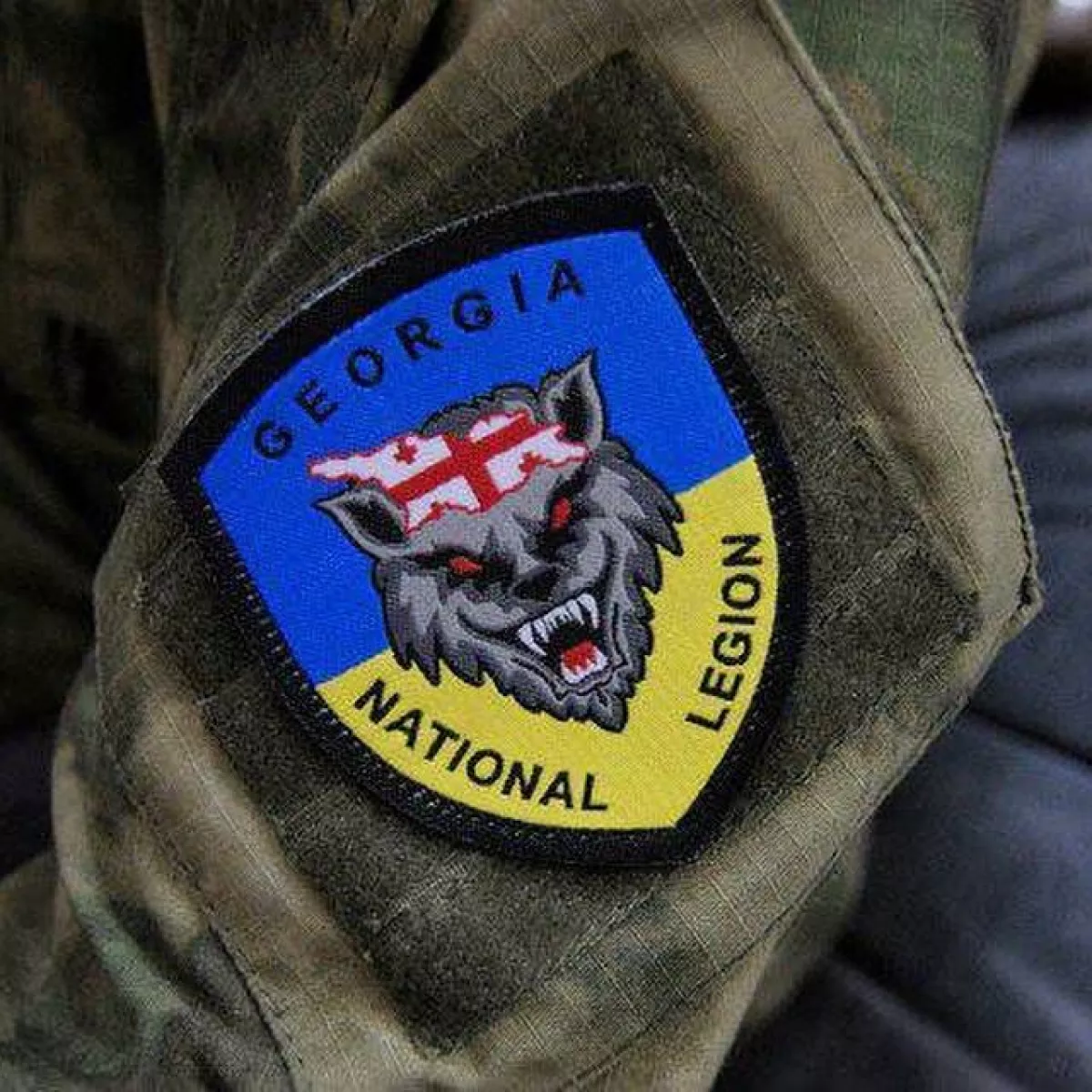
By organising a march in memory of the 120 Georgian volunteers who were killed while fighting on the side of the Armed Forces of Ukraine (ethnic Georgians have also been killed fighting on the Russian side, and their number has likewise clearly exceeded one hundred), representatives of Georgia's pro-Western opposition do not point out that, against the backdrop of a war that has now lasted four and a half years, this figure is relatively small.
If losses on both sides, including civilians, are taken into account, the total number of victims has long exceeded one million. In virtually every Ukrainian city or major district centre, memorials, plaques, and display boards bearing the portraits of hundreds and thousands of those killed have been erected. This raises the question: does the population of small Georgia want such a fate for itself and its country?
By Vladimir Tskhvediani, Georgia, exclusively for Caliber.Az







 editor@caliber.az
 +994 55 444-88-98
 Азербайджан, Баку, ул. Низами, 203, Af Business House, 5-й этаж