










Ukraine hits key Russian rocket fuel plant in Rostov Region PHOTO / UPDATED
Ukrainian forces have struck the Kamensky Plant, a Russian defence-industrial facility in Kamensk-Shakhtinsky, Rostov Region, the General Staff of the Armed Forces of Ukraine said.
The strike was carried out overnight on August 16, the Ukrainian military noted.
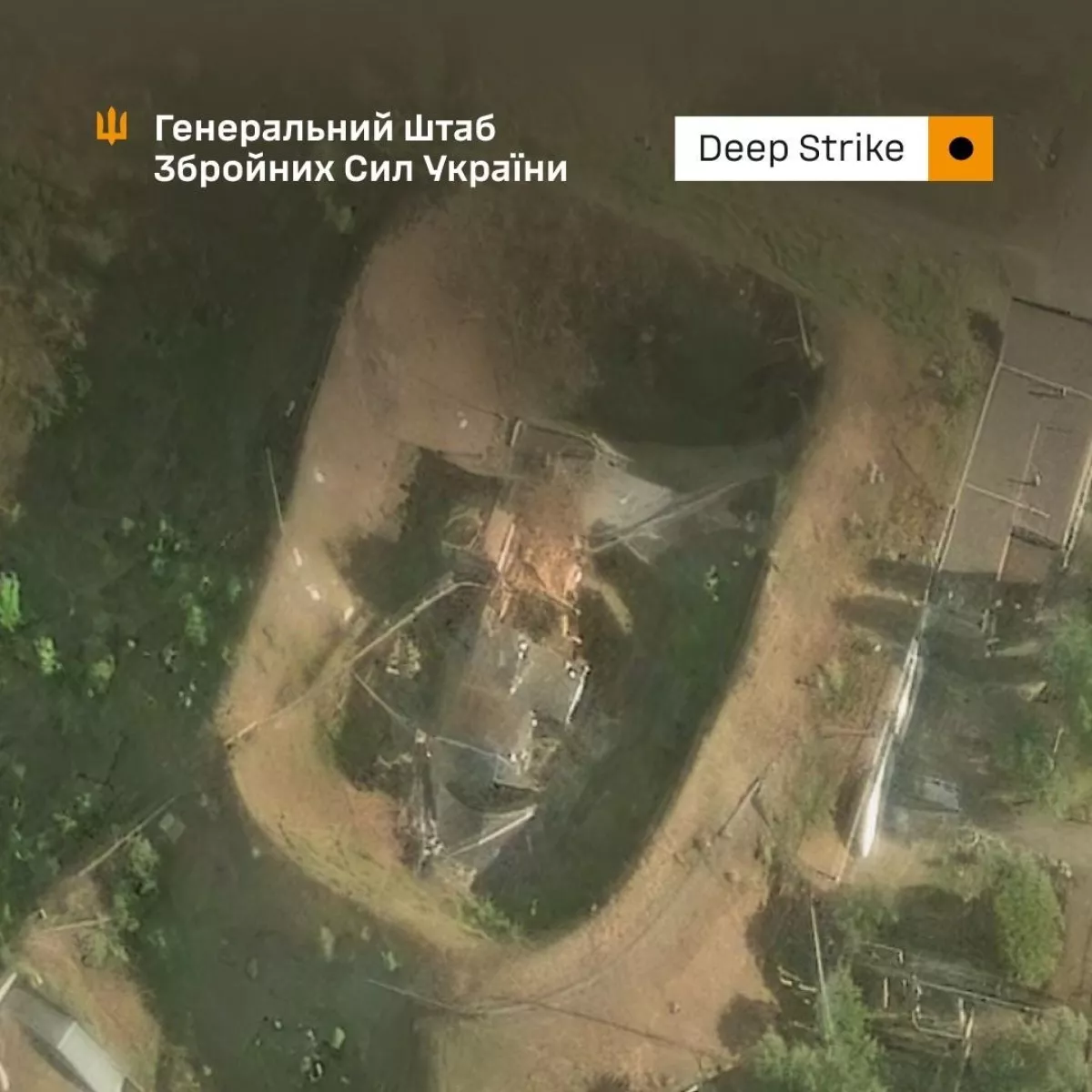
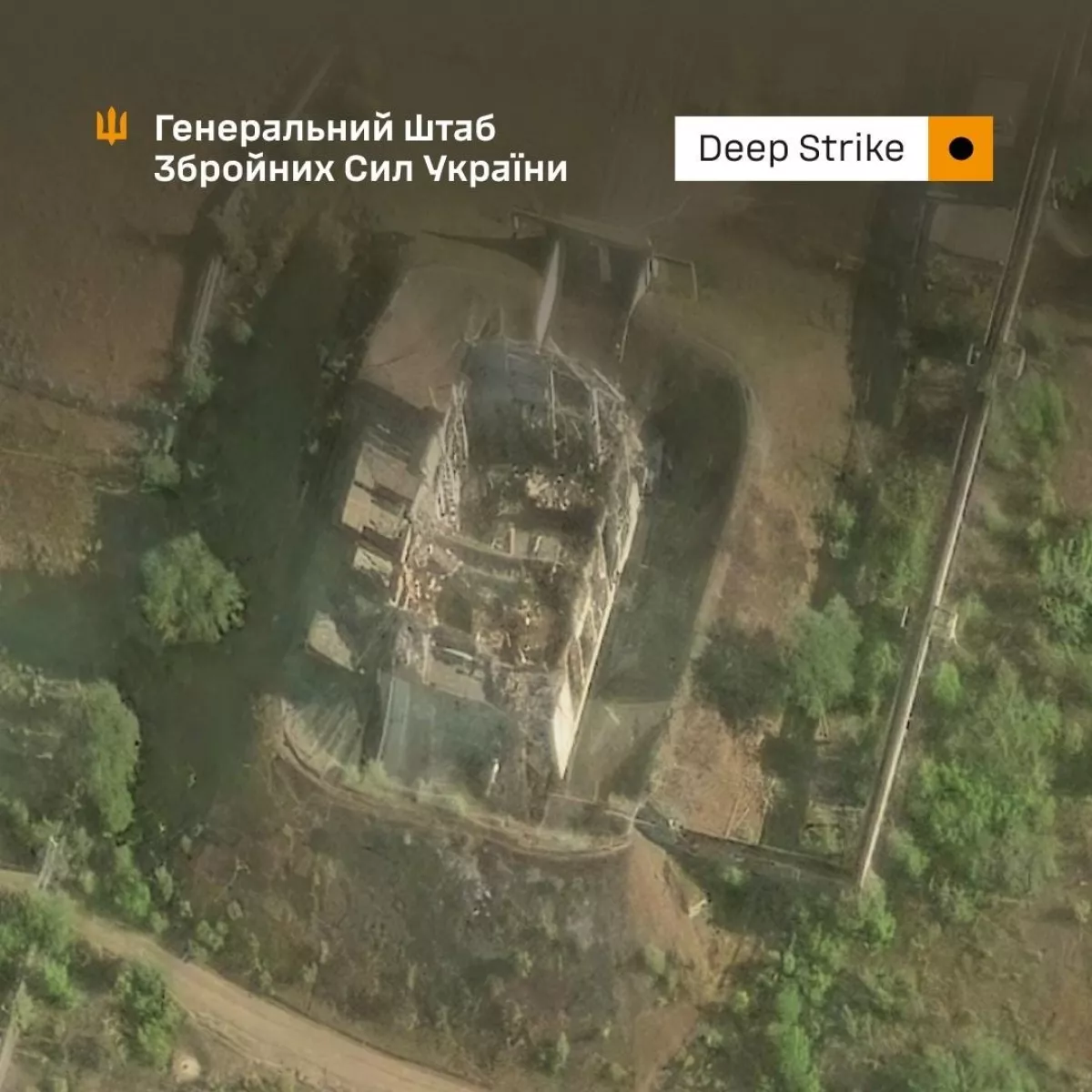
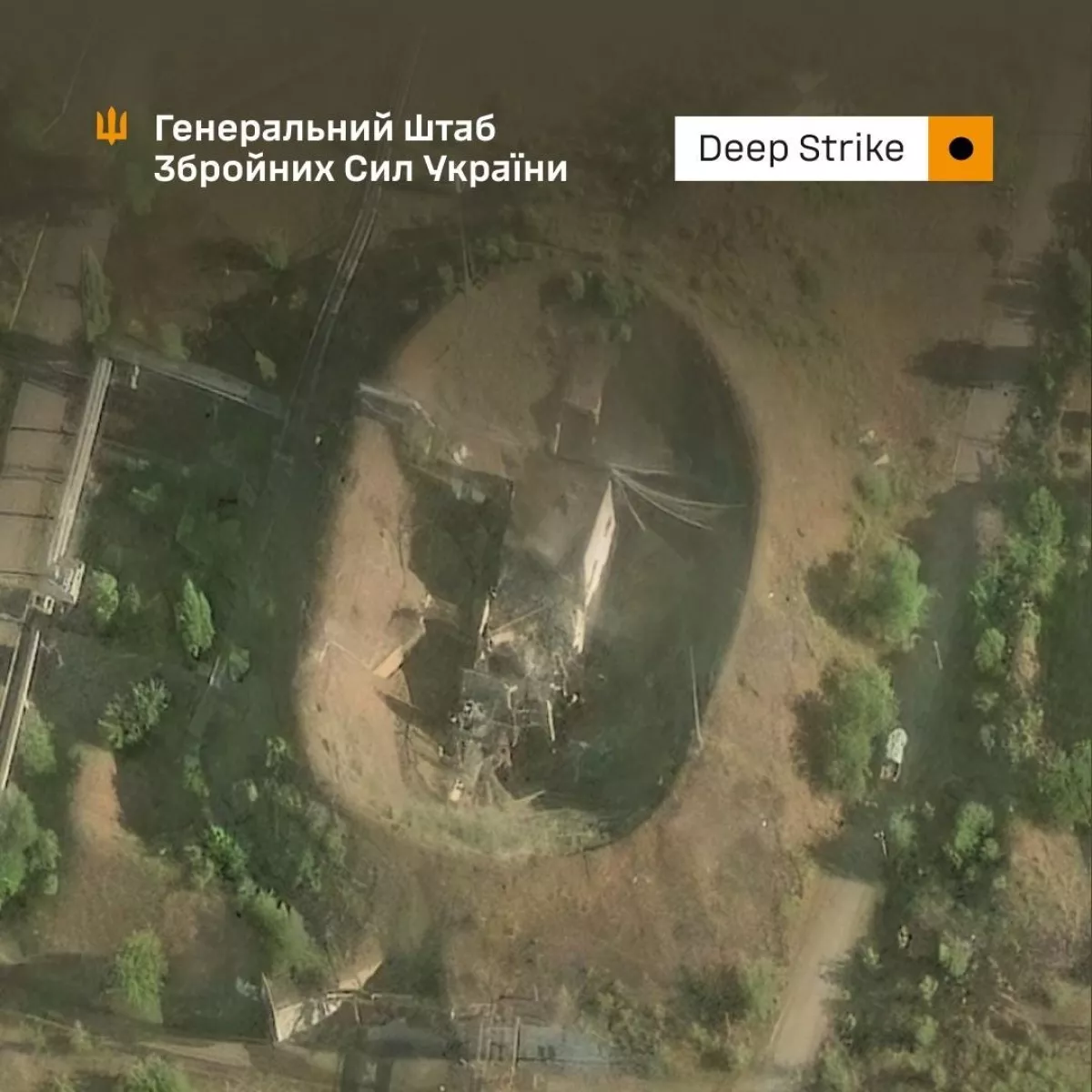
The General Staff said the attack destroyed two production workshops and damaged four others. The extent of the overall damage is still being assessed.
According to Ukrainian authorities, the Kamensky Plant is part of Russia’s military-industrial complex and produces explosives, gunpowder and solid rocket propellant.
The facility manufactures solid rocket fuel for the Uragan, Smerch and Tornado-S multiple-launch rocket systems, as well as for other Russian missile and aviation systems.
11:58
Ukrainian forces have struck the Kamensky Plant, a Russian defence-industrial facility producing solid rocket propellant for several multiple-launch rocket systems, in the Rostov Region, Exilenova+ reports.
The strike was carried out overnight on August 16 at the facility in Kamensk-Shakhtinsky. The plant produces solid rocket fuel for the Uragan, Smerch, and Tornado-S multiple-launch rocket systems, as well as for a range of missile and aviation systems used by the Russian military.
The facility had reportedly been heavily fortified against drone attacks. Nearly all key production workshops were equipped with anti-drone protection and reinforced with earth embankments.
Ukrainian forces reportedly penetrated multiple layers of Russian air defences, including Pantsir and S-300 systems, and struck several sections of the plant. At least five impacts were reported across different workshops.
Several Russian air-defence assets were also reportedly hit. Images and observations from the site indicated signs of fire at the position of one surface-to-air missile system, believed to be a Pantsir-S1.
Fire damage was also reportedly recorded at positions of multifunctional illumination and guidance radars associated with S-300 and S-400 air-defence systems.
By Vafa Guliyeva







 editor@caliber.az
 +994 55 444-88-98
 Азербайджан, Баку, ул. Низами, 203, Af Business House, 5-й этаж