










Azerbaijan’s airspace authority marks 30 years with surge in transit traffic, global role VIDEO
The air traffic control authority Azeraeronavigatsiya (AZANS), a subsidiary of Azerbaijan Airlines (AZAL) under AZCON Holding, is celebrating its 30th anniversary amid rapid growth in air traffic and increasing global relevance.
According to the press service of Heydar Aliyev International Airport, AZANS has steadily developed over the past three decades, building a modern, safe, and efficient air navigation system while strengthening Azerbaijan’s position as a key transit hub between Europe and Asia, Caliber.Az reports.
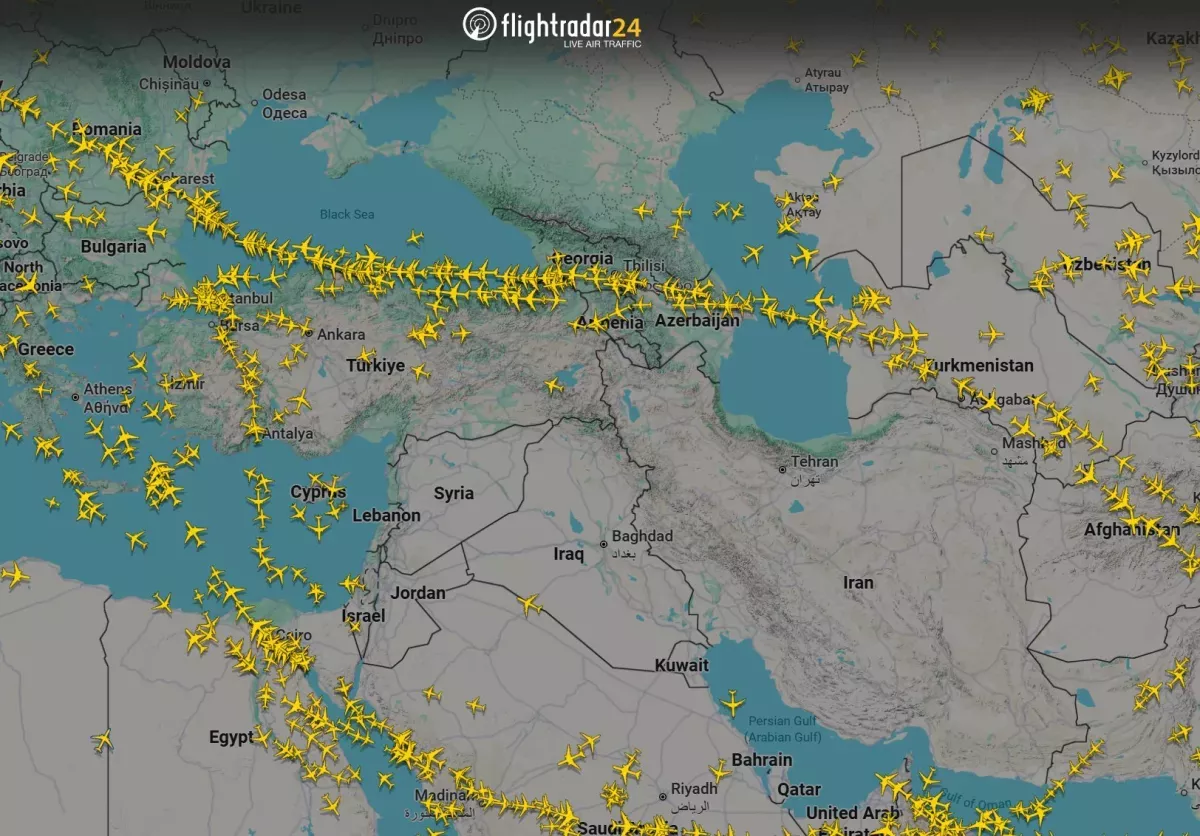
The press service highlighted that Azerbaijan’s strategic geographic location at the crossroads of major air transport corridors has significantly boosted its importance in global aviation, especially in recent years as regional dynamics have shifted. This growing role is reflected in sharp increases in flight activity.
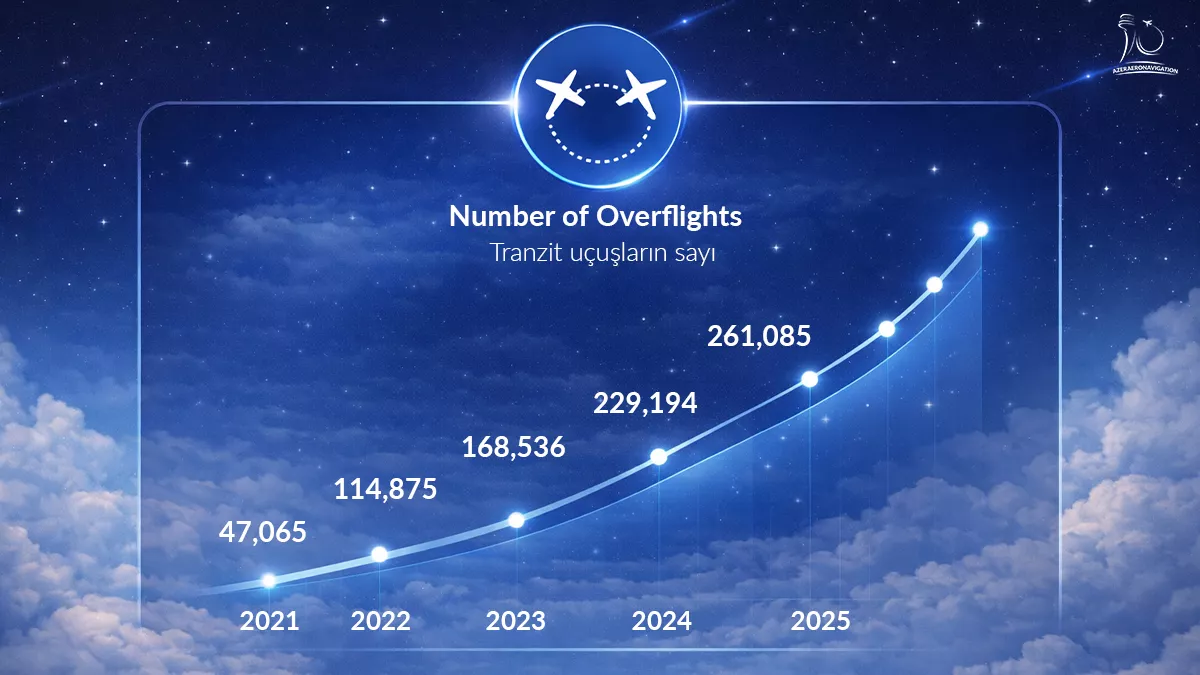
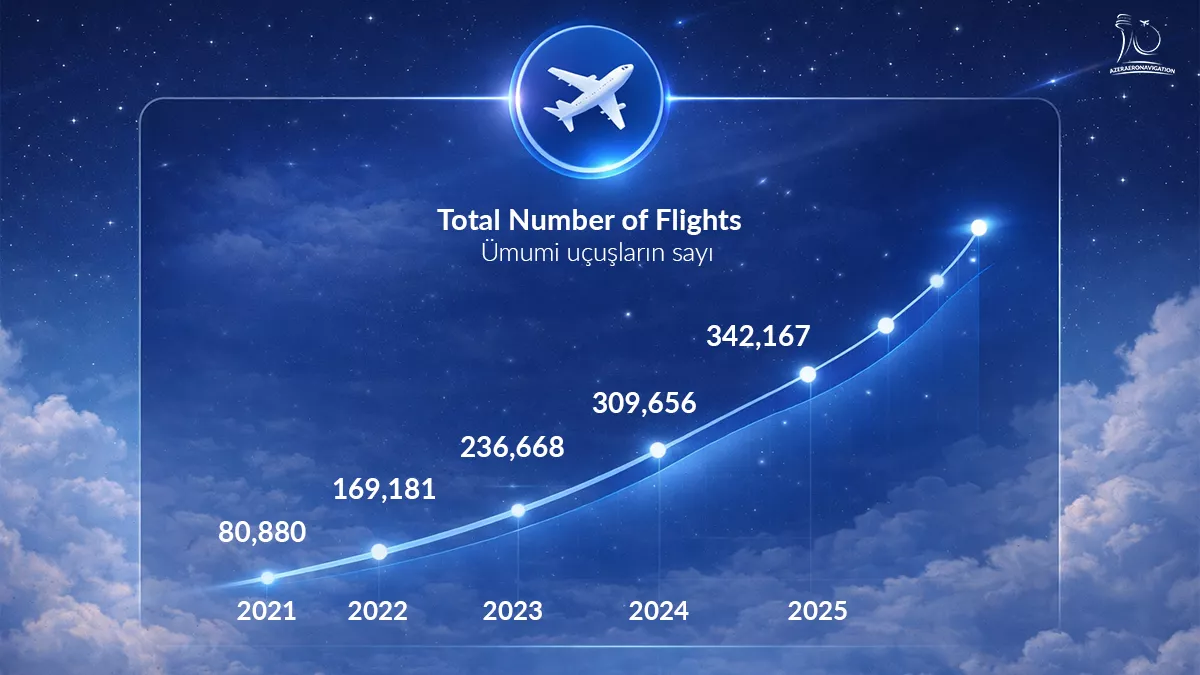
The number of flights handled rose dramatically from 80,880 in 2021 to 342,167 in 2025, underscoring the country’s expanding presence in international air traffic. Transit traffic has been a major driver of this growth, with volumes increasing by 360% since 2021. On peak days, the Baku Flight Information Region recorded as many as 830 daily transit flights, indicating a notable rise in operational intensity.
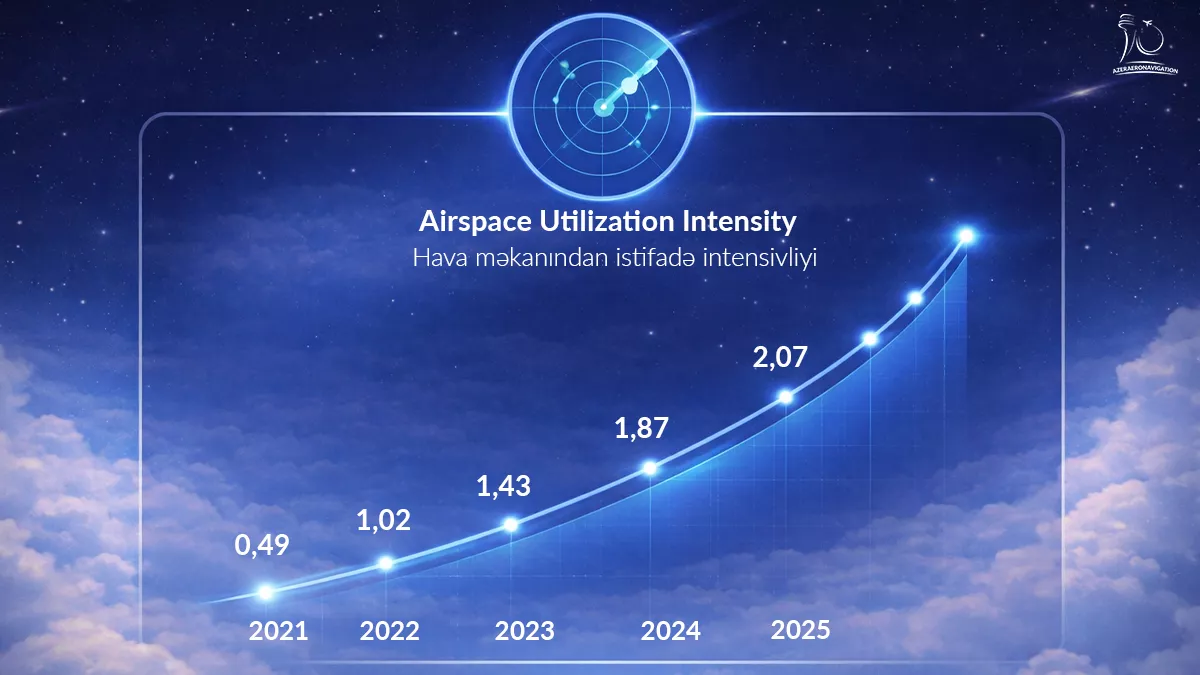
Airspace efficiency has also improved considerably. The flight density index climbed from 0.49 in 2021 to 2.07 in 2025, reflecting more effective use of available capacity. At the same time, AZANS has gained the confidence of around 300 international airlines, which now regularly use Azerbaijan’s airspace.
The organisation also emphasised its role in reopening airspace over previously inaccessible territories, noting that navigation infrastructure in these areas was rapidly restored and integrated into international systems, enabling the swift resumption of air transport links.
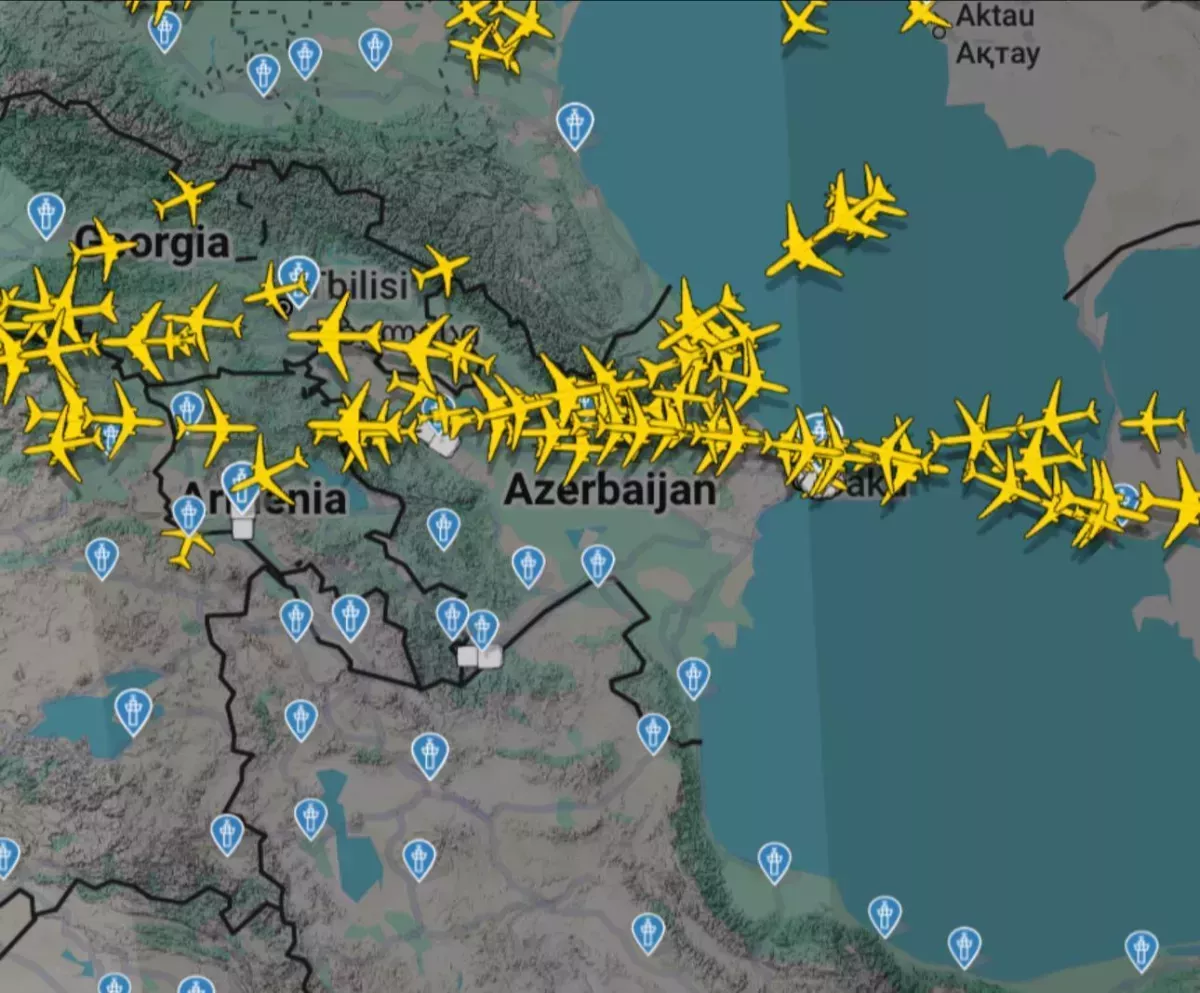
In terms of performance, AZANS reported near-perfect operational metrics, with air navigation data accuracy and system reliability both at 100%, and timeliness of information delivery reaching 99.6%.
By Sabina Mammadli







 editor@caliber.az
 +994 55 444-88-98
 Азербайджан, Баку, ул. Низами, 203, Af Business House, 5-й этаж