










Ecology, development, income: Azerbaijan’s green tourism formula Review by Khazar Akhundov
The tourism sector is among the industries most vulnerable to the impacts of climate change. To address these challenges, one of the United Nations agencies, the World Tourism Organization (UNWTO), has been actively promoting eco-tourism and agritourism, which not only contribute to environmental protection but also support the development of rural communities.
In recent years, Azerbaijan has been actively advancing projects focused on “green” recreational destinations as part of this broader agenda. These trends were at the centre of discussions at the international conference “Circular Green Tourism in the CICA Countries”, held in Baku the previous day and organised by the State Tourism Agency in cooperation with the Secretariat of the Conference on Interaction and Confidence-Building Measures in Asia (CICA).
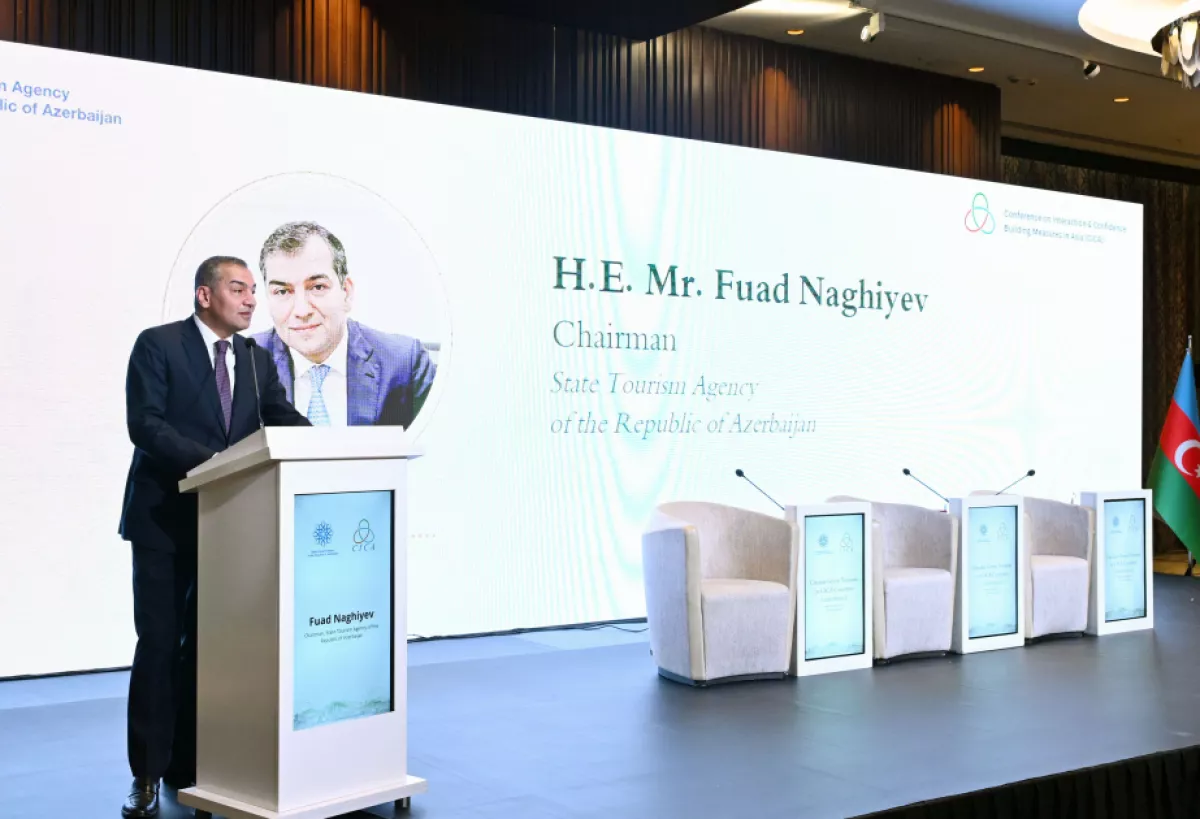
As noted by the Chairman of the State Tourism Agency, Fuad Naghiyev, in his address to the forum, “rising temperatures, the depletion of water resources, extreme weather events and ecosystem degradation driven by global climate change are affecting a number of countries with well-developed tourism industries. Therefore, the future of tourism worldwide depends on a healthy environment, protected natural resources and a commitment to the Sustainable Development Goals.”
He also stressed that the countries within the CICA area, endowed with rich cultural heritage, diverse natural landscapes and significant tourism potential, are likewise facing the consequences of climate change, the risk of resource depletion and the need to transition to sustainable tourism models.
Addressing these challenges will undoubtedly be facilitated by closer cooperation, the exchange of experience and sectoral development based on shared approaches. In this context, Fuad Naghiyev recalled that, at Azerbaijan’s initiative, a Tourism Day was held during COP29, creating new opportunities for international cooperation and marking the first time that the tourism sector was formally incorporated into the global climate agenda.
Notably, the COP29 Declaration on Enhanced Climate Action in Tourism received the support of more than 70 countries worldwide, including a number of European states.
A logical continuation of this trend was the hosting in Baku, in June last year, of the 71st session of the UN Tourism European Regional Commission, which included the thematic conference “From Momentum to Milestones: Advancing Climate Action in Tourism Beyond COP29.”
The event showcased new initiatives aimed at strengthening climate action in the tourism sector and promoting low-carbon destinations, while also outlining strategies for adapting the industry to a changing climate.
The strong international interest in this area is hardly surprising. According to studies conducted by UN Tourism (UNWTO) and the International Transport Forum, CO2 emissions generated by the tourism sector increased by 60% between 2005 and 2016. During that period, transport activities linked to tourism already accounted for around 5% of total global anthropogenic emissions.
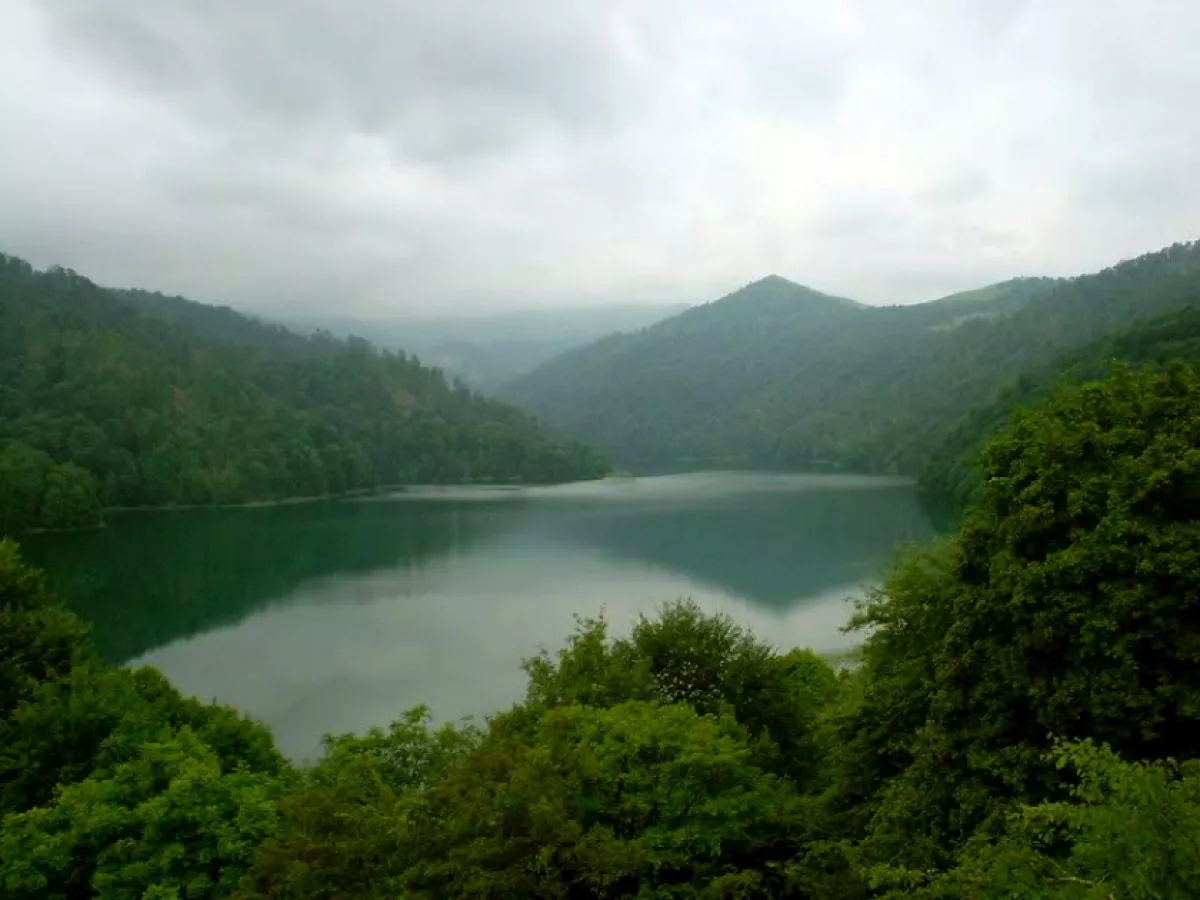
As Fuad Naghiyev noted at the international conference “Circular Green Tourism in the CICA Countries,” “the approaches to assessing the effectiveness of the tourism sector are currently undergoing a fundamental transformation, and success in tourism is no longer measured by the number of visitors arriving in a country. Azerbaijan’s main objective is not only to showcase its rich natural and cultural heritage, but also to ensure its preservation for future generations.”
He also stressed that, in pursuit of these goals, Azerbaijan is implementing a number of key initiatives, including the promotion of nature-based tourism routes and the expansion of eco-tourism and agritourism offerings.
It is worth noting that over the past several decades, countries across Europe, North and South America, Australia, New Zealand, and Southeast Asia have actively developed “green” destinations, including ethnographic and heritage tourism, agritourism, eco-tourism, gastronomic tourism, and wine tourism. A common feature of these segments is the creation of an integrated tourism product that takes visitors away from urban environments and into natural settings, where they can experience local culture and traditions and participate in traditional rural activities.
In Azerbaijan, the first steps toward developing rural tourism were taken between 2004 and 2008 with financial support from the World Bank. During that period, the “National Heritage Preservation” project, focused on historical and ethnographic tourism, was implemented in the Shaki-Zagatala region, and the foundations of the necessary infrastructure began to emerge through village guesthouses and small family-run pensions.
Subsequently, alternative forms of tourism expanded to other parts of the country, including the districts of Lankaran, Astara, Masalli and Lerik, as well as the mountainous villages of the Ismayilli, Gabala and Gusar regions.
Various training programmes and courses were organised to teach local residents the basics of running home-based hospitality businesses, while specialised organisations dedicated to the development of rural and eco-tourism were also established. The tourism sector in the Shamakhi district has been particularly active in this regard. The region hosts colourful annual wine festivals, promotes wine tourism, operates several recreational complexes, and continues to develop family-oriented agritourism and eco-tourism destinations.
In recent years, a growing number of domestic and foreign private companies have also shown interest in developing agritourism, eco-tourism and mountain tourism projects in Azerbaijan’s Karabakh region.
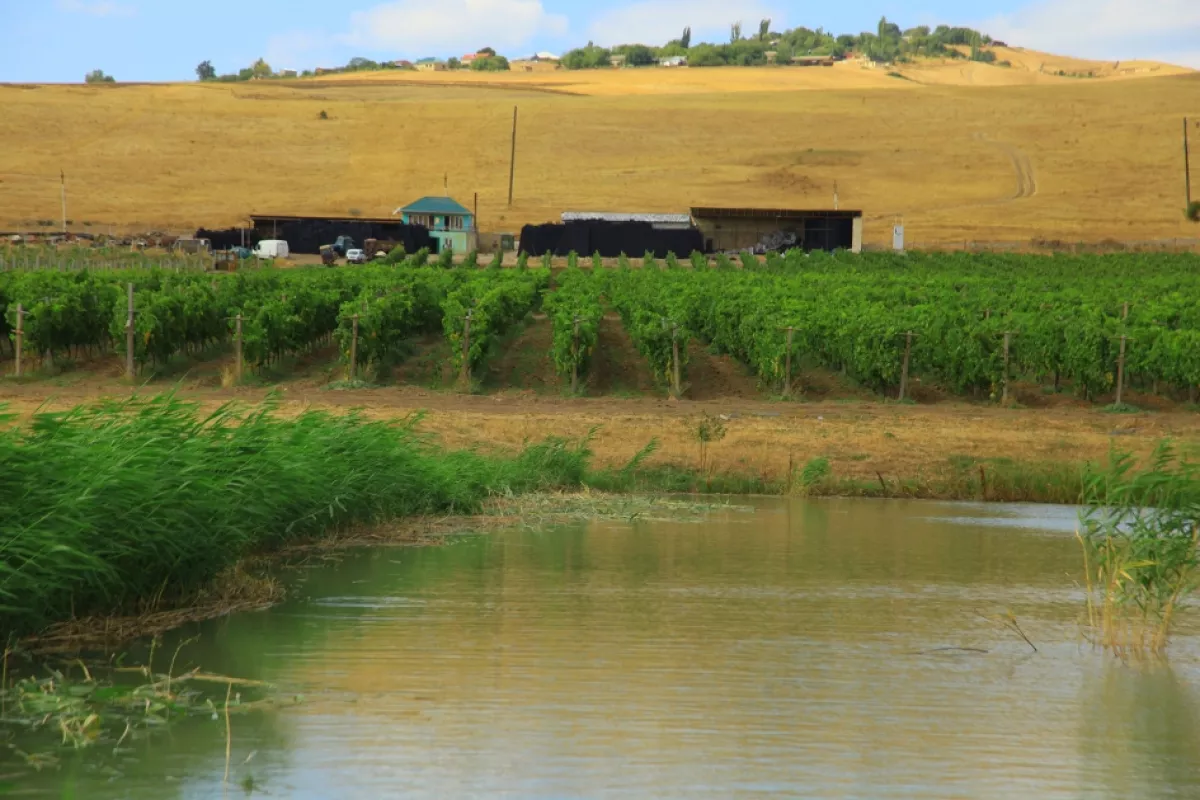
Azerbaijan’s experience in developing alternative tourism destinations, as well as the efforts of the State Tourism Agency and other relevant institutions to promote environmental narratives within the recreation sector, have received international recognition and support for several years.
In particular, speaking at the event in Baku, CICA Secretary General Kairat Sarybay described the conference on circular green tourism as “a timely and valuable initiative of Azerbaijan’s chairmanship.” He noted that, for local communities, the tourism industry serves as a source of income and employment; for small businesses, it provides access to new markets; for younger generations, it offers opportunities to acquire skills and engage actively in society; for states, it acts as a tool of cultural diplomacy and sustainable development; and for entire continents, it represents a pathway towards deeper cooperation and stronger mutual trust.
In this context, he emphasised that the historic Silk Road once connected peoples, trade centres, cultural traditions and ideas, and that today there is a need to create a renewed tourism-oriented Silk Road based on the principles of sustainability, digital innovation, responsible engagement, value creation for local communities and environmental protection.
According to the Secretary General, the forum held in Baku served as a practical platform for advancing sustainable tourism policies, promoting the efficient use of resources, fostering local value chains, encouraging the involvement of local communities, supporting responsible hospitality practices, and deepening cooperation among tourism authorities and other stakeholders from the CICA member states.
A similar view was expressed by another participant at the conference, Tajikistan’s Ambassador to Azerbaijan, Ilhom Abdurakhmon, who stated that his country considers Baku’s initiative to promote circular green tourism across the CICA member states highly relevant in the face of growing global environmental challenges.
According to the diplomat, tourism must move beyond its traditional economic function and evolve into a powerful instrument for environmental stewardship, cultural preservation, social inclusion and regional cooperation. In this important and forward-looking field, he noted, Azerbaijan’s initiatives undoubtedly serve as a model for other member states of the Conference on Interaction and Confidence-Building Measures in Asia (CICA).







 editor@caliber.az
 +994 55 444-88-98
 Азербайджан, Баку, ул. Низами, 203, Af Business House, 5-й этаж