










France's arms fiasco: Key customer backs away from Rafale deal Article by Pilot Auction Facility
The Pilot Auction Facility website has published an article by Jacob Miller on France's failed deal to sell Rafale fighter jets. Caliber.Az offers its readers the most telling parts of the piece.
“On the Quai d’Orsay side of the Seine on Monday morning [February 2 - ed.], the mood was closer to a funeral than a routine briefing. Phones were buzzing, aides were pacing, and one word was on every lip: “Rafale.” The day before, Paris was still quietly celebrating what was supposed to be a done deal – a €3.2 billion contract for French‑made fighter jets, a rare industrial and diplomatic win wrapped into one.
Then came the call. The partner country was backing out at the last minute. The contract was dead, the announcement frozen, and the political class in Paris instantly turned on itself.
Within hours, accusations of political cowardice were flying, and a deeper, older fracture had reopened.
How deal fell apart overnight
For weeks, French officials had been calling it a “historic partnership”. Diplomats had polished joint communiqués, Dassault executives were quietly booking hotel rooms for a signing ceremony, and TV pundits were already rehearsing their patriotic sound bites. Everyone in the small world of defense watchers knows the routine: years of talks, then a burst of euphoria when the last comma in the contract finally lands.
This time, the routine ended in a crash. The buyer – a mid‑sized strategic partner Paris had courted relentlessly – suddenly stepped away, citing “political conditions at home”.
Behind the scenes, the story feels almost like a diplomatic thriller. Negotiators spent months moving between Paris, the partner capital. Technical teams had validated the specs, pilots had tested simulators, financing was wrapped, and local parliaments were being briefed. There was even a draft press release, already translated and approved.
Then domestic politics in the buyer country abruptly shifted. Opposition parties seized on the Rafale deal as a symbol of “alignment with Western powers”. Social media campaigns attacked the price tag. A few influential ministers, suddenly nervous about the next election cycle, started dragging their feet. The call to Paris came almost at midnight: no signature, not now, maybe never.
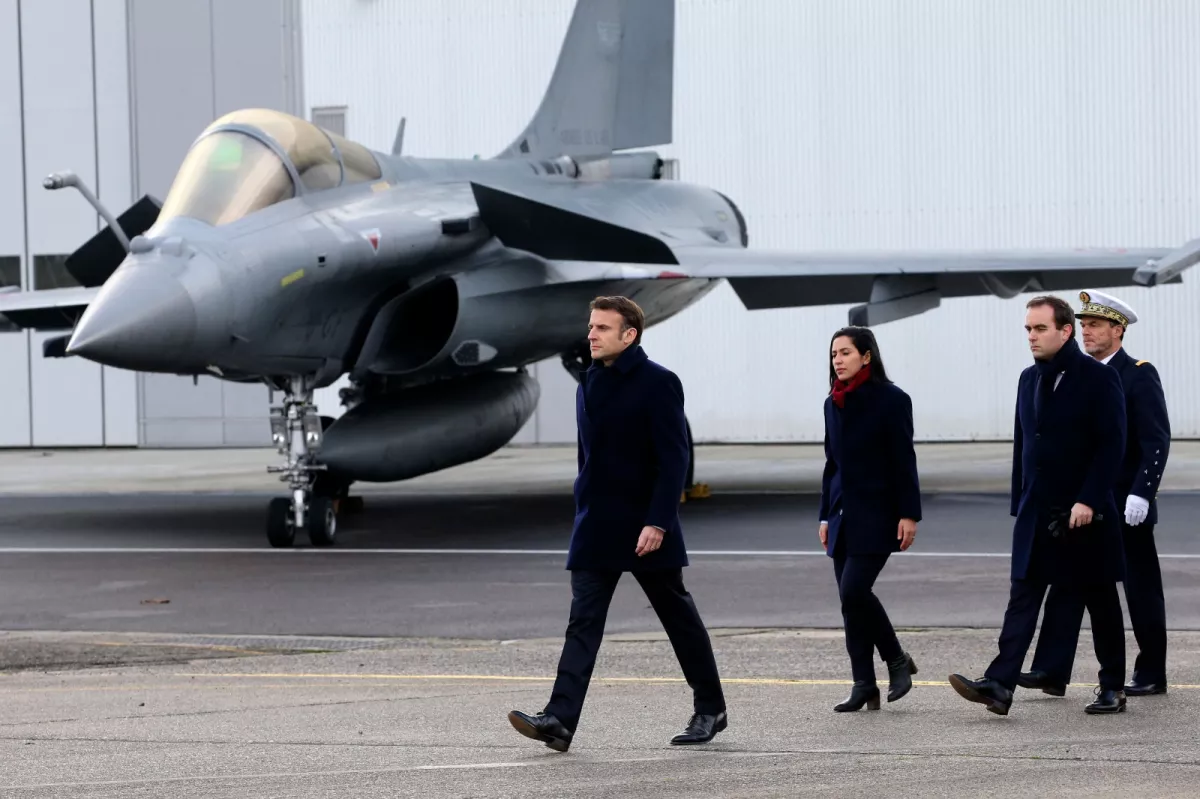
French insiders immediately pointed a finger not only outward, but inward. Defense officials blame what they call a chronic lack of political backbone at the top when storms hit.
Instead of standing squarely behind the deal and defending it publicly, Paris went quiet for several crucial days, letting rumors grow and critics set the narrative. For a partner already feeling exposed at home, that silence sounded like abandonment.
This is where the rift over national pride comes in. Selling Rafales isn’t just about export figures. It’s about projecting an image of a country that believes in its own technology and will fight for it, politically and symbolically. When that sense of conviction seems shaky, even the best‑engineered jet starts to look vulnerable.
Anatomy of wounded national ego
Defending a strategic contract like this is almost a choreography. Every gesture counts. From the first visit of a French president to a future buyer’s air base to the last discreet phone call between ministers, the message has to be the same: France is all‑in. When one piece hesitates, the whole thing starts wobbling.
In the Rafale story, seasoned observers describe a crucial gap. While Dassault, the armed forces, and diplomats pushed hard, political leaders in Paris were careful, almost cold. Public statements were toned down, too cautious to scare domestic critics or European partners. On paper, it looked prudent. On the ground, it looked like a lack of courage.
One former negotiator describes a telling scene. A few days before the reversal, the buyer’s delegation was in Paris for a last round of talks. In the schedule, there was supposed to be a short but symbolically powerful meeting with a top French political figure. That meeting was shortened, then downgraded, then quietly replaced by a lower‑level handshake and a bland photo op.
For the visiting team, already under pressure at home, this felt like a slap.
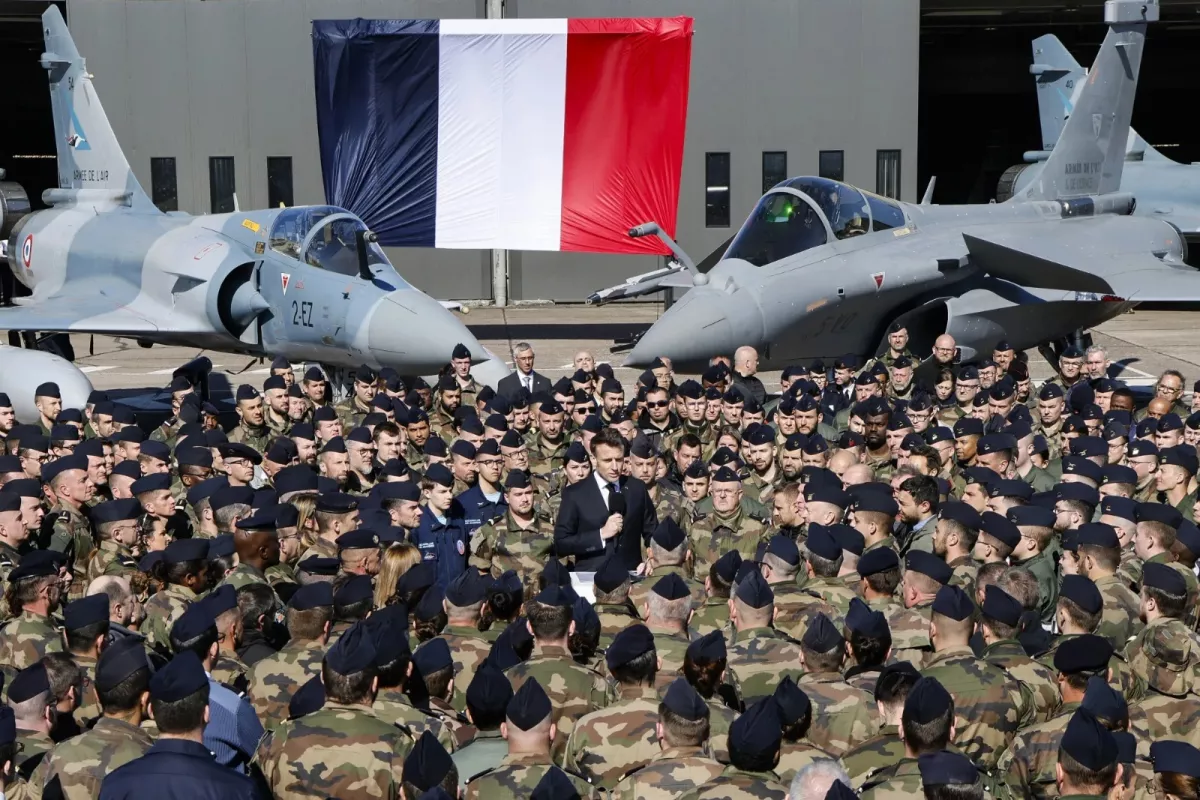
The Rafale is, for many in France, the purest symbol of national high tech: engines, avionics, radar, all homegrown, all wrapped in the tricolor flag. When such a deal collapses, criticism naturally targets the political class first. People ask why leaders didn’t speak louder, risk more, or simply own the choice.
Let’s be honest: nobody really reads the full 400‑page export contract, but everyone feels the humiliation when a billion‑euro deal is yanked away at the last minute. That sting is amplified by a broader anxiety – the fear that France is losing its nerve in a world where stronger powers push aggressively for every win.
Lesson that goes beyond fighter jets
The lost Rafale contract will enter the charts as a big red number in next year’s export figures. But the deeper cost is harder to measure. Trust dented with a partner. Competitors smelling blood.
France is now faced with an uncomfortable mirror: a country that loves to present itself as a proud, independent power, yet hesitates when pride requires taking clear, sometimes unpopular stands.
The Rafale will keep flying, other deals will come, other ceremonies will fill the news feeds. Still, the aftertaste of this reversal will linger in the corridors of power and the workshops where these jets are built. It invites a harder, less comfortable conversation: not about the performance of a fighter, but about the spine of a state, and the very real price of blinking in plain sight of the world,” the article reads.







 editor@caliber.az
 +994 55 444-88-98
 Азербайджан, Баку, ул. Низами, 203, Af Business House, 5-й этаж