










Gandhi vs Modi: India slipping toward authoritarianism
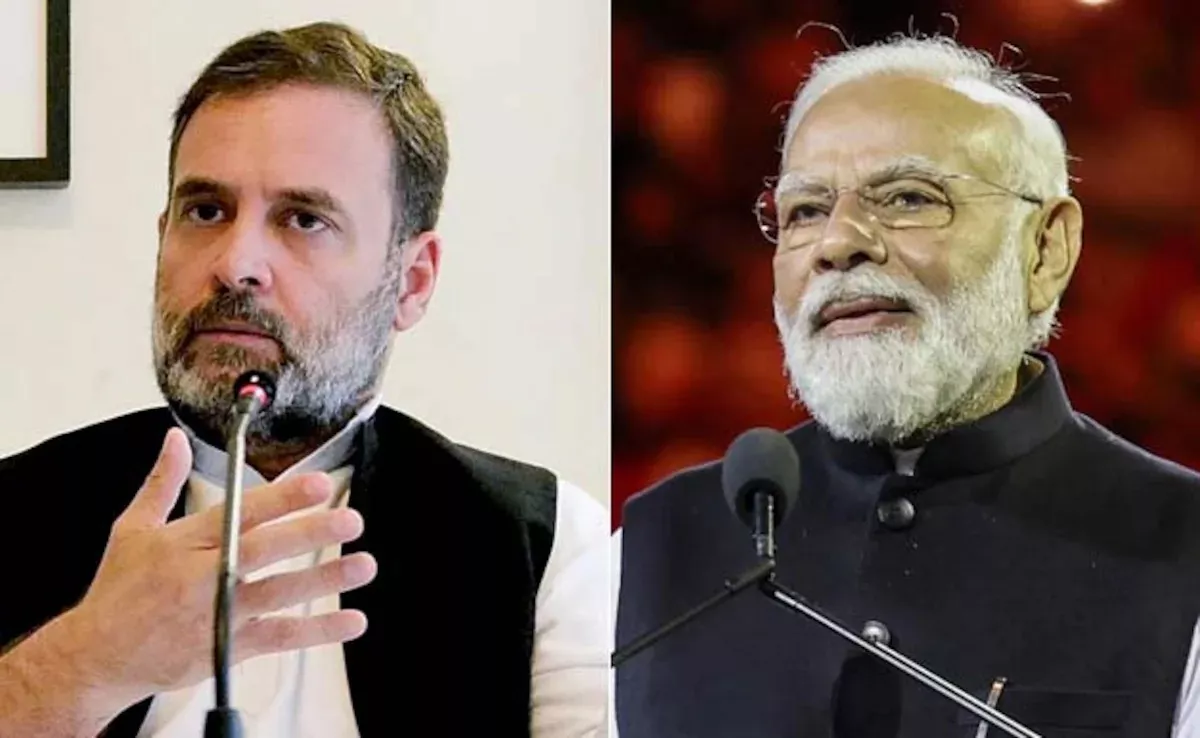
India’s Leader of the Opposition Rahul Gandhi accused Prime Minister Narendra Modi’s government of actively discouraging visiting foreign leaders from meeting him, describing the practice as a break from democratic convention and evidence of what he called growing political insecurity within the ruling establishment.
His remarks came just hours before Russian President Vladimir Putin began a two-day visit to India, Caliber.Az reports, citing the American channel Muslim Network TV.
Gandhi told reporters in Parliament that such meetings between foreign dignitaries and the opposition had been standard political practice under earlier governments led by Atal Bihari Vajpayee and Manmohan Singh.
He said the Modi administration has repeatedly instructed visiting officials to avoid engagement with him, arguing that the government fears alternative political viewpoints.
He said the government “tells them not to meet me,” calling the move “insecurity” and stressing that foreign leaders deserve access to more than one political voice because the opposition also “represents India.” Gandhi added that preventing such dialogue undermines international confidence in India’s democratic institutions.
His comments were supported by Priyanka Gandhi Vadra, daughter of former Prime Minister Rajiv Gandhi and a senior leader of the Congress party, who said that blocking diplomatic outreach to the opposition reflects an attempt to capture institutions and silence dissent.
She said the government is “breaking long-established protocols” designed to ensure that visiting heads of state hear multiple political perspectives rather than only the ruling party’s narrative.
Congress general secretary K.C. Venugopal said meetings between the Leader of the Opposition and foreign dignitaries were a “time-tested democratic tradition” that strengthened India’s credibility abroad.
He argued that discouraging such interactions signals that the government is unwilling to share political space or tolerate disagreement.
Political analysts say the dispute reflects wider concerns that Indian democracy is experiencing increasing centralization of power, shrinking space for opposition parties, and the suppression of independent media and civil society.
Rights groups and international observers have warned that dissent is being systematically undermined as Modi enters his third term, with state agencies frequently used against opposition leaders and electoral competition becoming increasingly uneven.
The controversy comes amid India’s deepening strategic engagement with Russia, raising questions over diplomatic transparency and the exclusion of alternative voices from foreign-policy discussions.







 editor@caliber.az
 +994 55 444-88-98
 Азербайджан, Баку, ул. Низами, 203, Af Business House, 5-й этаж