










Is control over Strait of Hormuz more important than nuclear deal? Analysis by Shereshevskiy
On July 11, the U.S. military launched a new round of strikes on Iranian targets near the Strait of Hormuz in response to a missile strike by the Islamic Revolutionary Guard Corps (IRGC), which caused serious damage to a commercial cargo ship. The strikes continued in the following days.
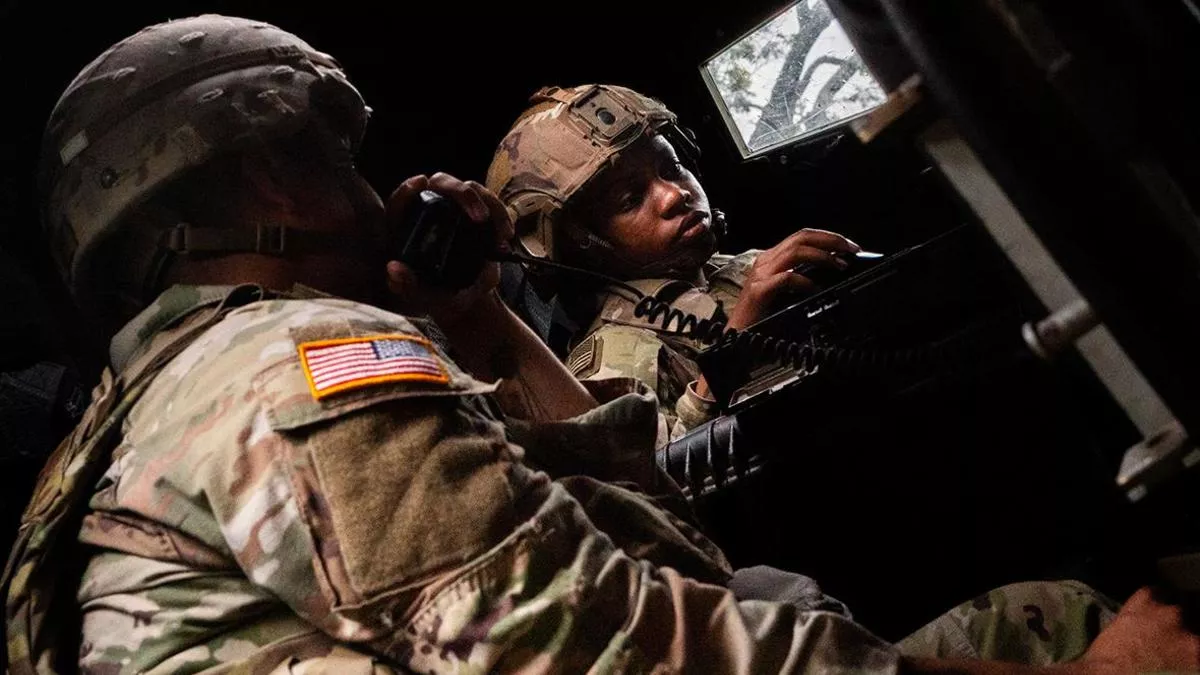
The resumption of clashes threatens the memorandum of understanding signed last month between the United States and Iran. They began several hours after regional diplomats concluded talks at which they unsuccessfully attempted to resolve the confrontation surrounding the Strait of Hormuz.
On July 10, the Trump administration demanded that Iran publicly guarantee safe passage through the strait — this was a key condition set by Washington for ending hostilities between the two countries. In response, the IRGC, which is the country’s second and main military force, struck a commercial cargo ship and declared the strait closed “until further notice.” A statement from the U.S. Central Command (CENTCOM) says that the Cyprus-flagged container ship was unable to continue its voyage after a fire broke out on board and caused serious damage to the engine room.
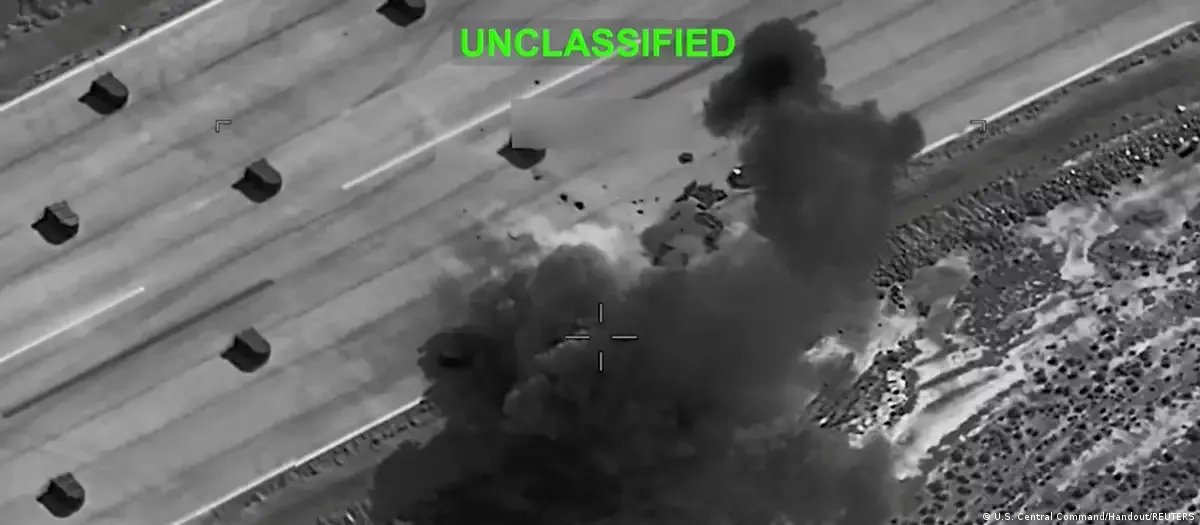
After that, the United States carried out strikes on Iranian air and ground surveillance radars, missile and drone storage facilities, launch sites, and other military targets. The U.S. Central Command stated that American forces struck around 140 Iranian military targets using precision-guided munitions launched from fighter jets, drones, and ships. The strikes continued in the following days and nights.
“The United States is imposing a heavy cost by continuing to degrade Iran’s ability to attack civilian mariners and commercial ships freely transiting the strait,” the U.S. Central Command said.
“Iran made a poor choice. Now they pay,” U.S. Secretary of Defence Pete Hegseth wrote on the social media platform X.
The IRGC, which currently effectively controls Iran, stated that it had warned several vessels against using what it described as an unauthorised route through the strait and fired “warning shots” after a cargo ship failed to change course.
“Following this incident, firstly, due to the emergence of this insecurity due to illegal intervention by foreigners, the Strait of Hormuz will be closed until further notice and until the end of American interventions in this region and no vessels will be allowed to pass through,” the IRGC said.
In addition, after the resumption of American bombing, Iran launched strikes against U.S. bases in Bahrain, Jordan, Iraq, Kuwait, and Qatar and has continued shelling them ever since.
Why was the ceasefire agreement disrupted?
The shots fired at vessels attempting to pass through the Strait of Hormuz were carried out because Tehran does not want commercial ships to pass through Omani rather than Iranian territorial waters and attacks those that do not comply with its demands. In doing so, the IRGC is demonstrating its intention to maintain control over the Strait of Hormuz, through which around 20 per cent of global oil trade previously passed.
Interestingly, Iran is not currently launching strikes against Israel, as it did during previous rounds of the conflict. At first glance, this appears to be because Israel is also not attacking Iran. However, in reality, the reason is likely not limited to this. Arab countries have not attacked Iran, yet Tehran is striking U.S. military bases located on their territory. At the same time, the IRGC is not attacking U.S. bases located in Israel.

Iranian economist, financial analyst, political commentator, and opposition figure Saeed Ghasseminejad commented on Tehran’s actions as follows: “The reason the regime stopped targeting Israel is simple: Israel hit back hard and imposed significant costs. The reason the regime continues targeting the United States is equally simple: it perceives the U.S. response as weak and timid.”
There may be some truth to this. Trump is attempting to force Iran to stop obstructing navigation through the Strait of Hormuz by exerting military pressure on it. However, the current strikes are significantly less extensive than those carried out during the 39-day war in February–April.
It is likely that, in this way, the U.S. president is, on the one hand, attempting to discipline Iran, and on the other, demonstrating readiness for negotiations on ensuring free navigation through the strait. The logic appears to be roughly as follows: we are carrying out strikes, but we are not using the full extent of our available military capabilities. The U.S. administration needs to ensure freedom of navigation in this area, as Iran’s closure of the strait leads to an increase in global oil and gasoline prices, including in the United States. This, in turn, could negatively affect the ratings of the Republican Party ahead of the congressional elections scheduled for November 3.
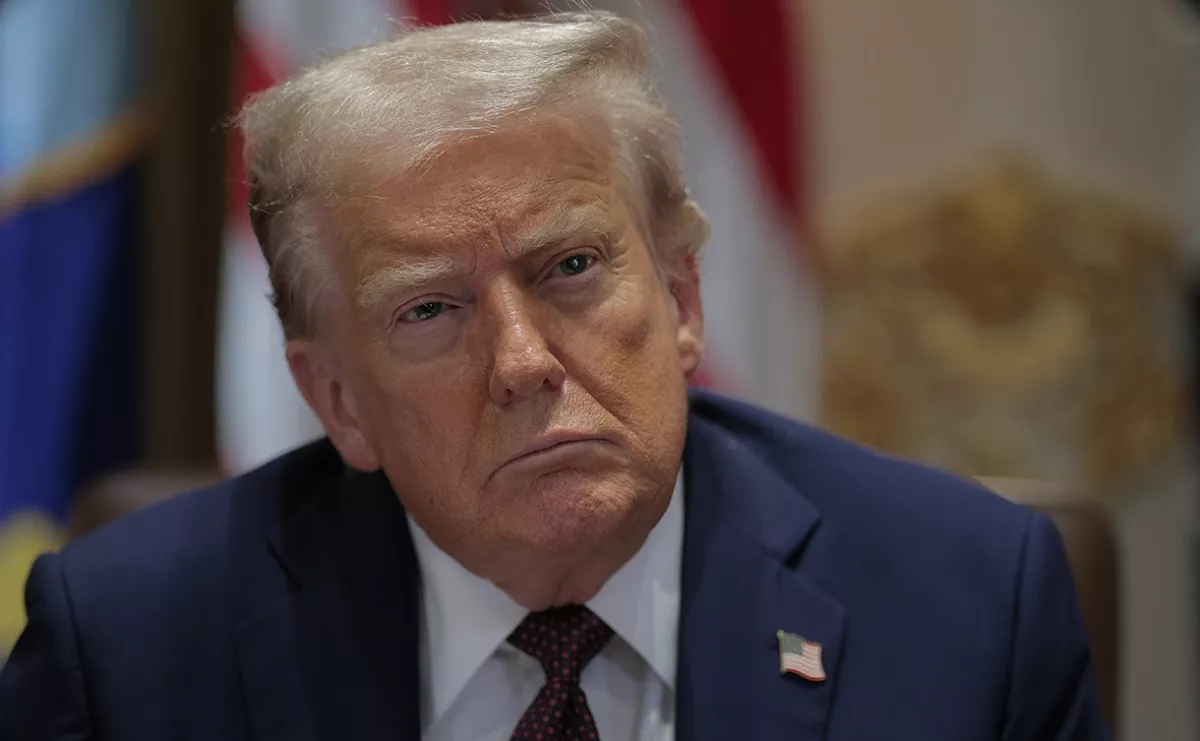
This is precisely why Trump appears to be pursuing a middle-ground strategy — carrying out strikes but not allowing the situation to escalate into a full-scale war.
At the same time, he is restraining Israel, preventing it from resuming attacks on Iran. Washington’s logic, apparently, is to increase pressure on Tehran while preventing the crisis from developing into a major regional conflict. The United States likely considers this strategy effective for now.
However, Tehran is responding forcefully. It considers maintaining control over the Strait of Hormuz one of the regime’s key objectives and has no intention of abandoning it. In addition, Iran does not trust the United States after Washington’s unilateral withdrawal from the nuclear deal in 2018.
The agreement concluded in 2015 provided for the lifting of key economic sanctions against Iran in exchange for restrictions on its nuclear program. However, after the U.S. withdrawal from the deal, previous sanctions were reinstated, and new severe restrictions were introduced. Later, in 2025 and 2026, the United States joined Israeli strikes against Iran.
After the U.S.-Israeli bombings and the deaths of virtually all of Iran’s top leadership, Tehran appears to have concluded that maintaining control over the strait is a matter of regime survival. By blocking a key maritime route, Iran gains the ability to threaten the United States and the global economy through rising energy prices and the risk of a global recession.
To effectively halt the movement of vessels through the Strait of Hormuz — one of the most important arteries of the global economy — Tehran only needed to attack one or two commercial ships every few days with missiles or drones. This instrument has become Iran’s main lever of geopolitical pressure on the United States and the international community — a lever that Tehran, despite being inferior to its adversaries in military power, is not prepared to give up.
The United States, in turn, is demanding not only the reopening of the Strait of Hormuz but also that Iran abandon uranium enrichment and hand over to the American side 400 kilograms of uranium that has already been enriched — to a level close to weapons-grade. Tehran rejects these demands, considering the preservation of its uranium enrichment program a strategic matter of national security.
Chances for a ceasefire remain
The positions of Iran and the United States remain irreconcilable and, at first glance, appear to lead to further escalation of the conflict. Nevertheless, the possibility of a temporary ceasefire remains. After all, a ceasefire regime was already in effect in June, despite sporadic exchanges of fire. Even on July 10, oil tankers continued to pass through the Strait of Hormuz, although their number amounted to no more than 10 per cent of the pre-war traffic (before the war, 100–150 vessels passed through the strait daily).
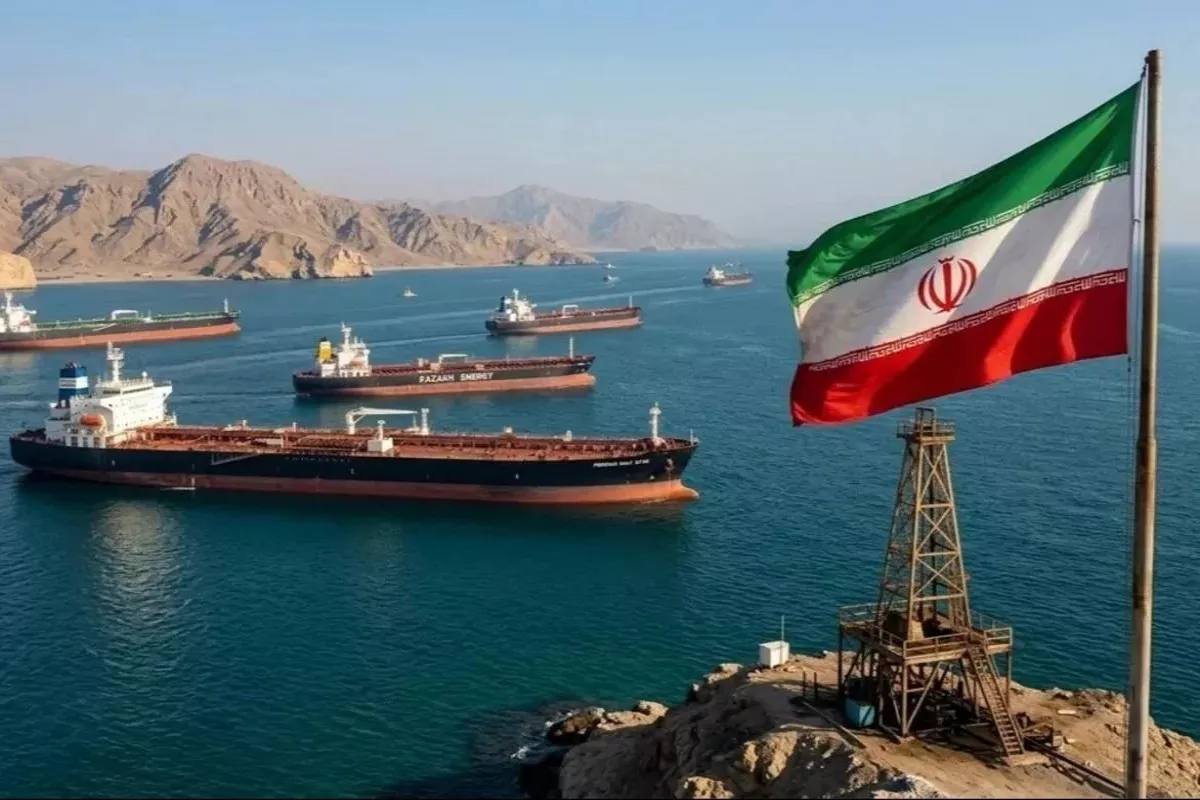
The reason is that the United States is not interested in escalation or, at least, in the resumption of a full-scale war with Iran before the congressional elections scheduled for November 3.
The Iranian leadership, for its part, is prepared to keep the strait open under its own conditions — if vessels pass only through Iranian territorial waters.
In Tehran, this is viewed as a form of maintaining control over the strait, and Iranian officials state that in the future they intend to charge vessels for passage. At the same time, the Iranian leadership is also interested in its own survival and economic recovery, which is impossible under an American blockade. As long as Iran continues shelling vessels, the United States is preventing Iranian oil tankers from passing through the strait.
The declining importance of the Strait of Hormuz
Over time, it may become clear that the importance of the Strait of Hormuz was overestimated. Saudi Arabia and the UAE have expanded oil exports through pipelines that bypass the strait, and Saudi Arabia continues to build a new pipeline. At the same time, many countries are making efforts to reduce their dependence on petroleum products and use energy resources more efficiently. Therefore, the sharp rise in global oil prices that many economists expected after the resumption of the conflict has not occurred so far.
Moreover, even under the current circumstances, a small number of vessels continue to pass through the strait despite the ongoing danger. Tanker owners are willing to accept these risks.
In other words, the world is gradually learning to live without the Strait of Hormuz. Paradoxically, this circumstance could also encourage the United States to further escalate the situation. If the closure or partial closure of the strait ceases to have a significant impact on oil prices, Washington will have greater freedom of action.
The possibility of conflict radicalisation
The key point is that after the congressional elections, Donald Trump will no longer be constrained by domestic political limitations to the same extent as he is now.
If the conflict with Iran continues after the elections, the United States could sharply increase the intensity of its strikes and stop restraining Israel, which is believed to be ready to resume large-scale military operations but has not yet received the corresponding signal from Washington.
There is an opinion that without a ground operation, the United States will not be able to inflict a decisive defeat on the Iranian regime, and that Washington will not undertake such an operation. However, this assessment may prove to be mistaken.
The resumption of a full-scale U.S.-Israeli war with Iran could have extremely serious consequences. The United States has already stated the possibility of destroying all 30 Iranian oil refineries, as well as key power plants, bridges, and railway infrastructure. Israel is also believed to have similar plans. In theory, such actions could lead to large-scale destruction of Iran’s infrastructure, plunge the country into chaos, or even create conditions for its fragmentation, especially if domestic protests resume at the same time.
In addition, the United States and Israel could increase support for armed groups operating inside Iran, including Kurdish formations and groups in Sistan and Baluchestan. The use of American airborne units cannot be ruled out either.
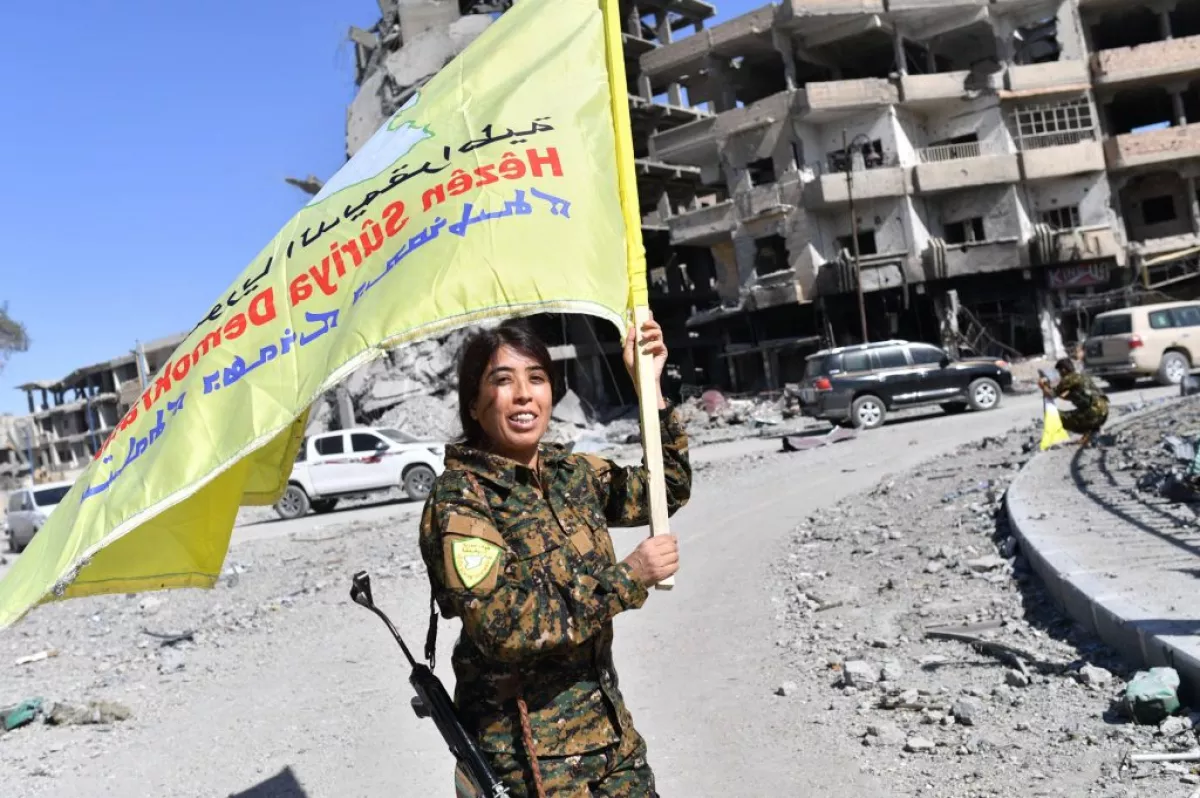
Such a hybrid strategy was already used by the United States in 2001 against the Taliban movement in Afghanistan, when the actions of American forces were combined with the advance of armed Afghan opposition groups.
As a result, Kabul was captured by anti-Taliban coalition forces with U.S. support. A similar model was also used in the fight against ISIS in Syria, where Kurdish armed formations operated with the support of American air forces, which carried out strikes against the enemy’s defences. Ultimately, this led to the defeat of ISIS and the fall of its capital, Raqqa.
Taken together, such measures could theoretically change the situation in Iran in the future as well. Even if they do not lead to the fall of the current regime, they could irreversibly alter the country’s position.
The Iranian leadership is acting forcefully, and its strategy follows a certain logic. It seeks to maintain control over the Strait of Hormuz at any cost, viewing it as the most effective instrument of political pressure.
However, Tehran may be overestimating its own capabilities. The United States and Israel possess significantly greater military potential and, judging by their statements, do not intend to accept the continuation of Iranian control over the strait. For Washington, this issue appears to be becoming even more significant than Iran’s nuclear program. If Tehran does not change its position, the scale of the war in the Middle East could increase substantially.







 editor@caliber.az
 +994 55 444-88-98
 Азербайджан, Баку, ул. Низами, 203, Af Business House, 5-й этаж