










Memory versus partnership Where is the Poland–Ukraine conflict heading?
The events of June 2026 surrounding the Polish leadership’s decision to strip Ukrainian President Volodymyr Zelenskyy of the Order of the White Eagle have become one of the most illustrative examples of how historical memory is used in modern politics as a tool of pressure, voter mobilisation, and rating enhancement.
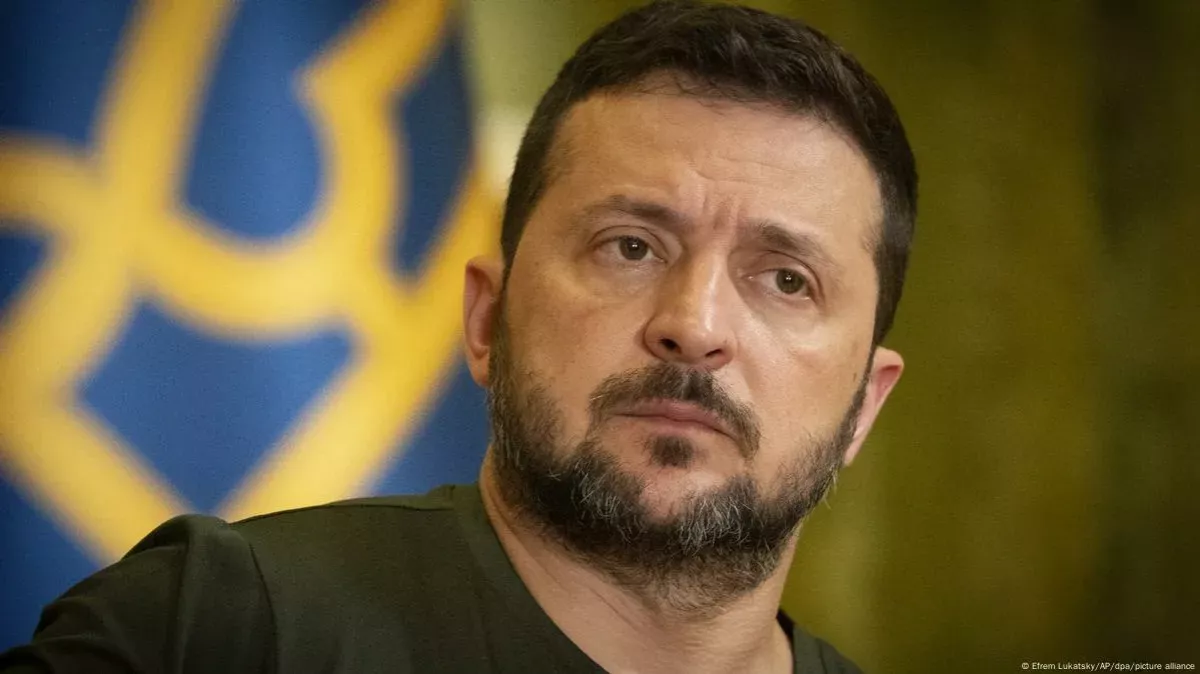
What began with the naming of the Separate Special Operations Centre “North” of the Ukrainian Special Operations Forces rapidly crossed the boundaries of symbolism and turned into a serious diplomatic crisis between the two countries that, until recently, demonstrated an unprecedented level of solidarity. We are witnessing a classic situation in which politicians, regardless of country, turn to difficult and painful pages of history, using them as a kind of sling, which they swing in order to achieve short-term political gains, without always considering the long-term consequences for bilateral relations.
Undoubtedly, President Zelenskyy’s decision to assign a Ukrainian unit a name associated with the Ukrainian Insurgent Army (UPA) provoked a fully predictable reaction in Poland — the historical memory of the Volhynia tragedy and the actions of the UPA remains one of the most sensitive issues for Polish society. And Kyiv could have taken this fact into account when making such a decision. That is the first point.
At the same time, another fact is equally obvious: the Polish leadership had the opportunity to respond to this move by the Ukrainian authorities differently. Instead of escalating the situation into the public sphere and moving towards open confrontation, it could have limited itself to diplomatic channels, closed consultations, and a carefully calibrated statement of its position. However, Warsaw chose the path of public pressure and demonstrative steps.
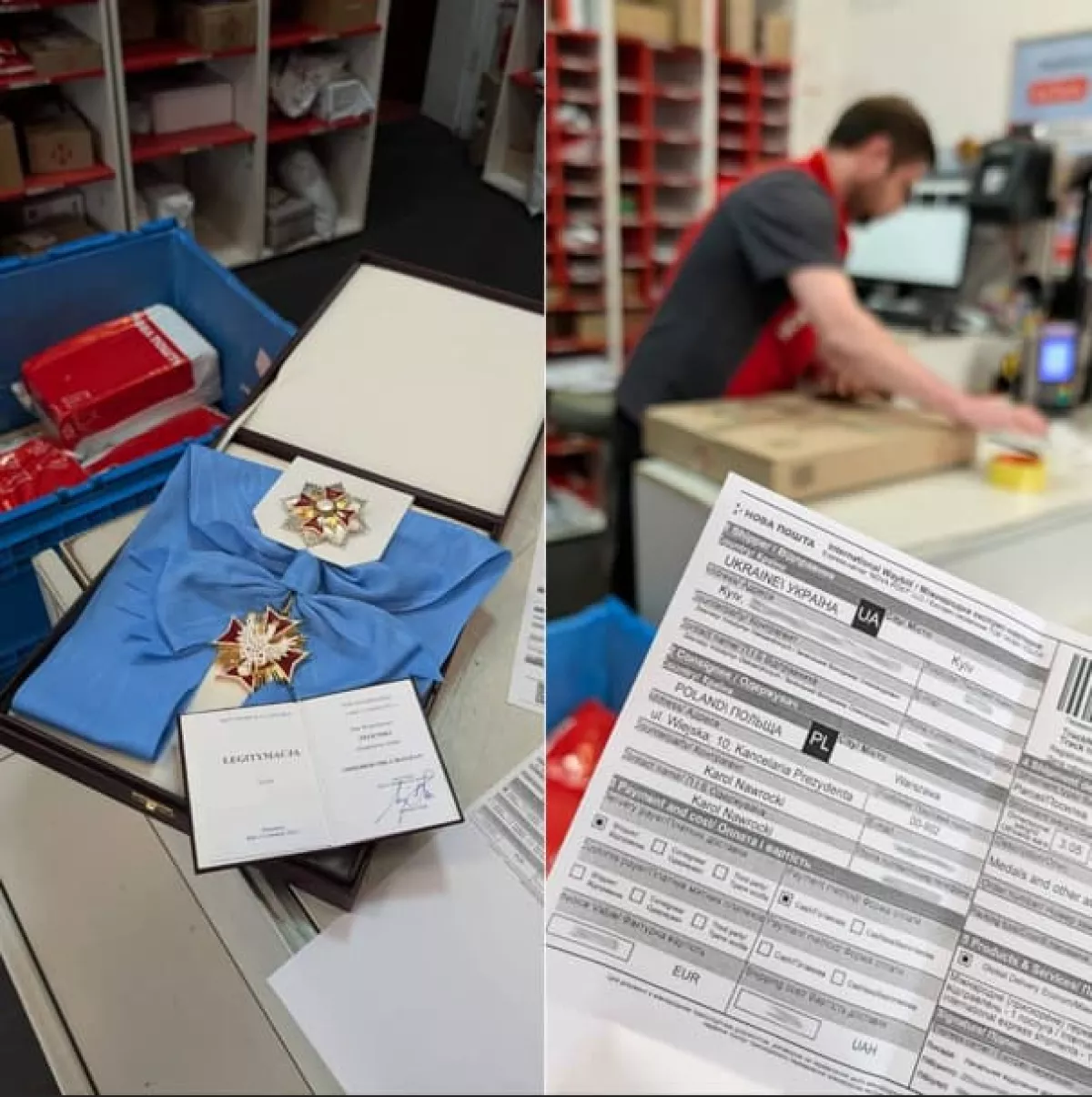
As a result, Ukrainian Foreign Minister Andrii Sybiha officially announced the return of the Commander's Cross with Star of the Order “For Merit to the Republic of Poland”; Head of the Office of the President Kyrylo Budanov officially stated that he was renouncing the Golden Officer’s Cross of the Order “For Merit to the Republic of Poland”; and Ukraine’s Ambassador to Warsaw Vasyl Bodnar returned the Knight’s Cross of the Order “For Merit to the Republic of Poland.” In turn, on June 20, Zelenskyy informed that he was returning the order to Nawrocki by post, after which former presidents Leonid Kuchma, Viktor Yushchenko, and Petro Poroshenko also renounced the Order of the White Eagle.
Thus, the conflict has snowballed, and the timing chosen for its escalation is also of considerable importance. Ukraine is in a state of full-scale war with Russia, having been resisting for more than four years in what many international observers describe as a heroic effort, and under these conditions, any friction with allies objectively weakens Kyiv’s position. In this context, it should be noted that a number of Western analysts have repeatedly emphasised that in the event of a rapid Russian victory, Poland could become the next target despite its NATO membership, which makes the current Poland–Ukraine dispute not merely a bilateral issue, but a factor affecting the entire security architecture of Eastern Europe.
The Ukrainian side, in turn, appeals to the symbolic significance of the award. In Kyiv, it is emphasised that the Order of the White Eagle was awarded not so much to Volodymyr Zelenskyy personally, but to the Ukrainian people for their courage, resilience, and resistance. From this perspective, the decision to strip the award is seen as a politically motivated move directed against the Ukrainian state as a whole.
An additional argument widely discussed in Ukraine’s public sphere is a historical precedent: in 1930, the Order of the White Eagle was awarded to Mussolini, and in modern Poland, the issue of revisiting such decisions is periodically raised, although no final conclusion has ever been reached. Against this backdrop, the move to revoke Zelenskyy’s order appears to many in Ukraine as inconsistent and selective, reinforcing the perception that Warsaw is attempting to impose conditions on Kyiv regarding its internal historical policy — something that is interpreted as interference in domestic affairs.
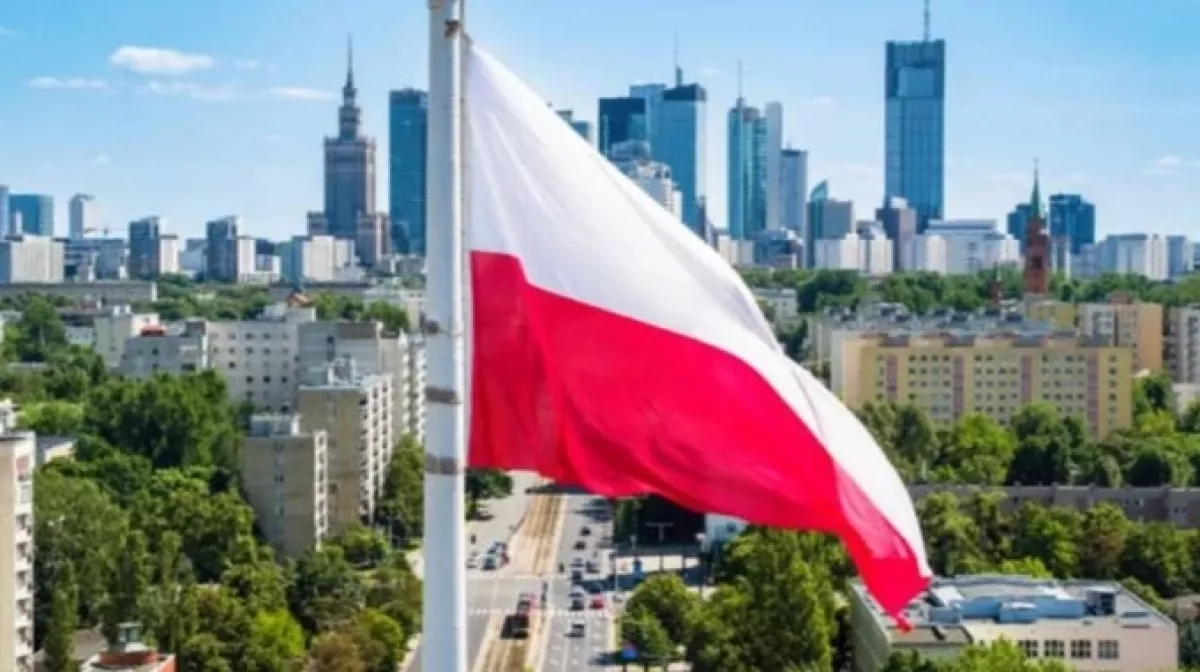
At the same time, it is important to note that Polish society is not monolithic. Alongside the hardline position of part of the political establishment, other voices are also heard in Poland — politicians, public figures, and representatives of the cultural sphere who call for restraint and an awareness of the risks, stressing that such conflicts are objectively beneficial to Russia, as they undermine the unity of the countries opposing it.
More complex but important arguments for mutual understanding are also being voiced: just as for Poles, the UPA is associated with tragedies and crimes, for Ukrainians, the Home Army (Armia Krajowa) in certain regions is linked to violence against the Ukrainian population. These mutual historical traumas require careful and thoughtful dialogue rather than politicisation and use in the current struggle for ratings.
Against this backdrop, the reaction of ordinary citizens appears particularly revealing as a striking contrast to political decisions.
The story of fundraising to purchase buses for the Ukrainian city of Vinnytsia became a vivid example of how public solidarity is often stronger than political disagreements: more than 6,000 concerned citizens collected over half a million zlotys within just a few days to help a Ukrainian city whose transport system is under severe strain due to the war. The initiative emerged after local politicians in Kielce blocked the transfer of buses to Ukraine. Society’s response was unequivocal: if politicians are not ready to help, people are willing to do it themselves. Such actions demonstrate that the deep-rooted ties between the Polish and Ukrainian peoples remain strong despite political crises.
In a broader sense, the current situation is a reminder that historical memory requires respect, a scholarly approach, and dialogue, but its transformation into a political weapon inevitably leads to escalation. Today, it is evident that neither Poland nor Ukraine is interested in a long-term deterioration of relations. Their strategic interests largely coincide, especially in the context of security. That is precisely why any contentious historical issues should be logically and pragmatically postponed until the end of the war, while the key priority at present should remain the preservation of unity and cooperation, which both countries need more than ever.







 editor@caliber.az
 +994 55 444-88-98
 Азербайджан, Баку, ул. Низами, 203, Af Business House, 5-й этаж