










Orbán is gone — Budapest remains A test for Kyiv
The change of government in Hungary has generated cautious optimism within Ukrainian political and expert circles: the departure of Viktor Orbán, whose policies were seen in Kyiv as overtly pro-Russian and systematically obstructing key EU decisions in support of Ukraine, appeared to offer an opportunity for a “reset” in relations. However, the first months of Péter Magyar’s premiership have shown that personalising the problem was an oversimplification, and that Hungary’s position is far more deeply rooted in the country’s national interests and domestic political dynamics.
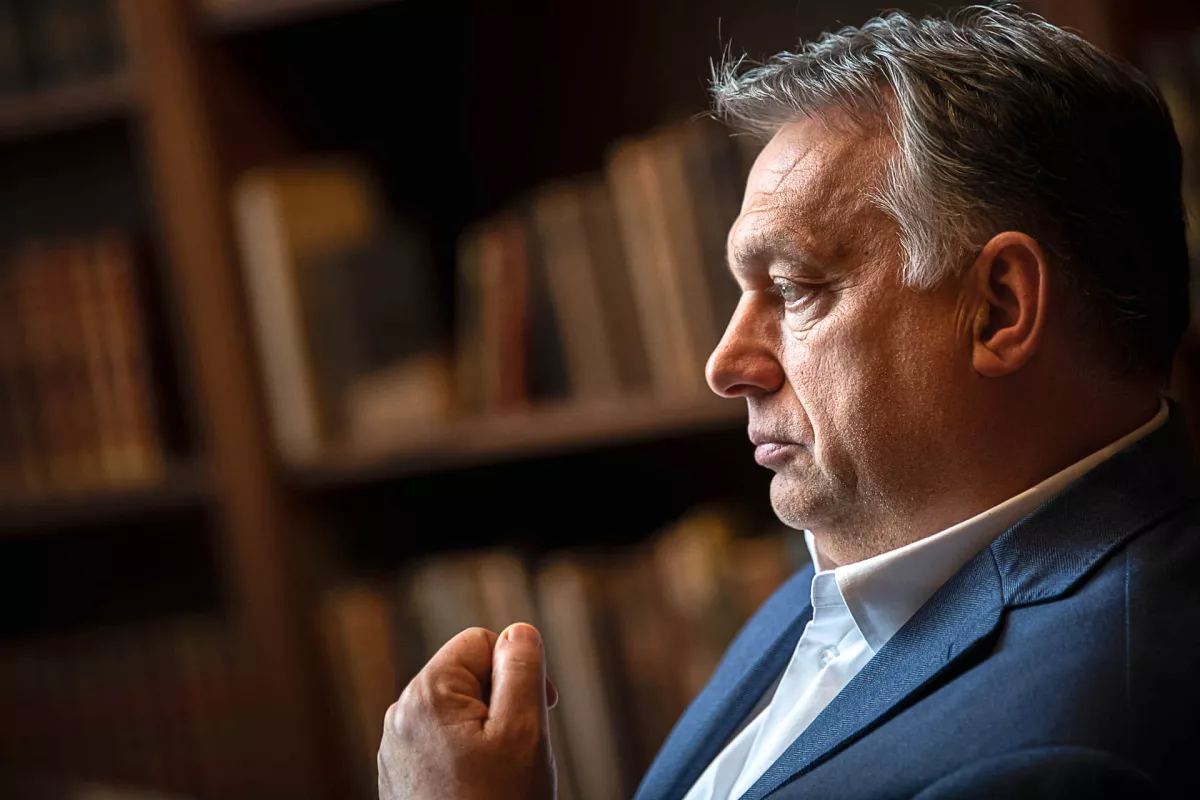
Under the new Hungarian government, certain changes have indeed begun to emerge. In particular, a symbolic step was the lifting of the ban on access to Ukrainian media outlets, which had been introduced in autumn 2025 by Viktor Orbán’s Fidesz party. The decision was accompanied by important rhetoric: officials emphasised the inadmissibility of conflating independent journalism with propaganda resources. This move can be interpreted as an attempt to ease tensions and demonstrate a willingness for more constructive dialogue.
In addition, Budapest supported the opening of the first negotiation cluster within Ukraine’s European Union accession process. This became possible after agreements were reached on one of the most sensitive issues — the rights of the Hungarian minority in Zakarpattia.
However, the positive signals largely end there. The key elements of Hungary’s position remain unchanged, and in some respects have even taken on a more assertive tone. Péter Magyar, like his predecessor, continues to use the issue of protecting national minorities as a tool of pressure on Kyiv. Moreover, this does not concern only cultural and linguistic rights, but extends to broader demands, including autonomy — a highly sensitive issue for the Ukrainian state amid the ongoing war.
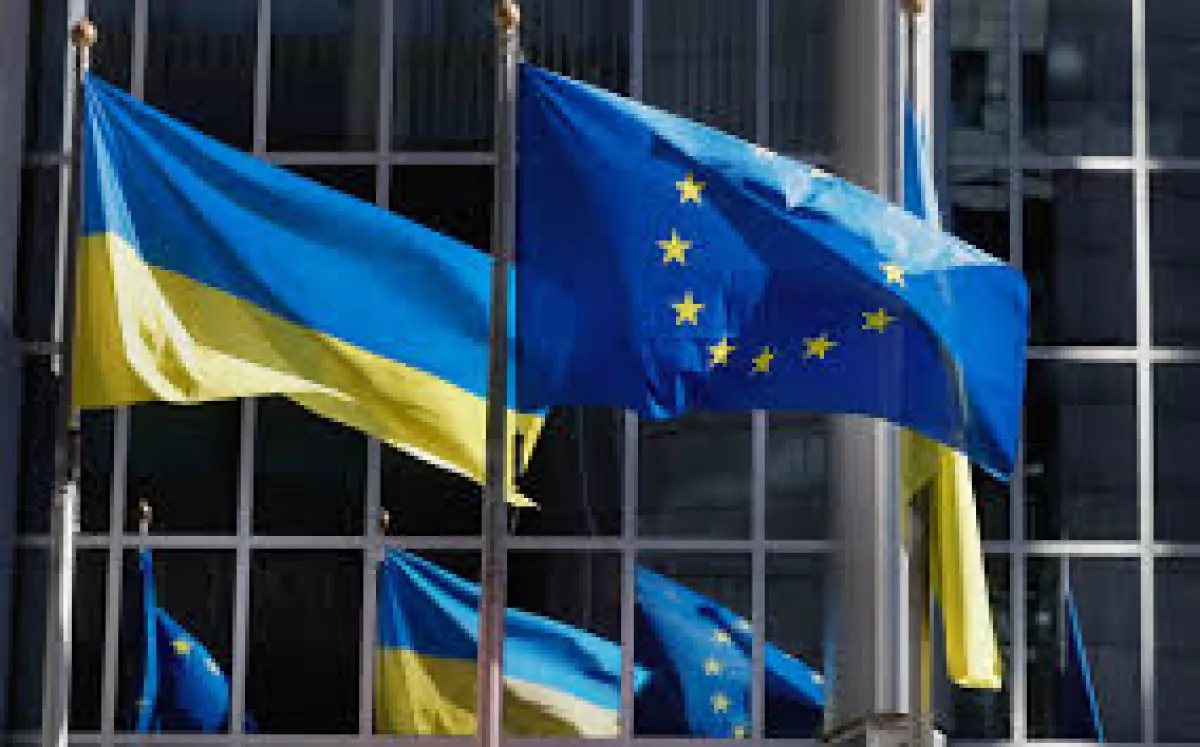
The situation surrounding the final declaration of the EU summit is also telling: at Budapest’s initiative, wording on the accelerated accession of Ukraine to the Union was removed from the document. This move demonstrates that Hungary remains willing to use consensus mechanisms within the European Union to adjust the overall European line in line with its own interests. Thus, Magyar’s support for Ukraine’s European integration is conditional in nature and directly tied to the fulfilment of certain demands from Budapest.
It is important to understand that the firmness of Hungary’s position is not solely the product of any individual prime minister’s personality. It is largely shaped by domestic political calculations. In Hungary, the issue of protecting ethnic kin abroad has traditionally occupied a prominent place in public discourse, and the roughly 100,000 ethnic Hungarians living in Zakarpattia constitute a significant electoral constituency whose interests no government in Budapest can ignore.
On the other hand, the Ukrainian leadership also operates within a logic of national interests. In the context of full-scale war, any issues related to autonomy acquire additional sensitivity. Kyiv is forced to strike a difficult balance between the conditions for EU accession, internal security, and the need to maintain societal cohesion.
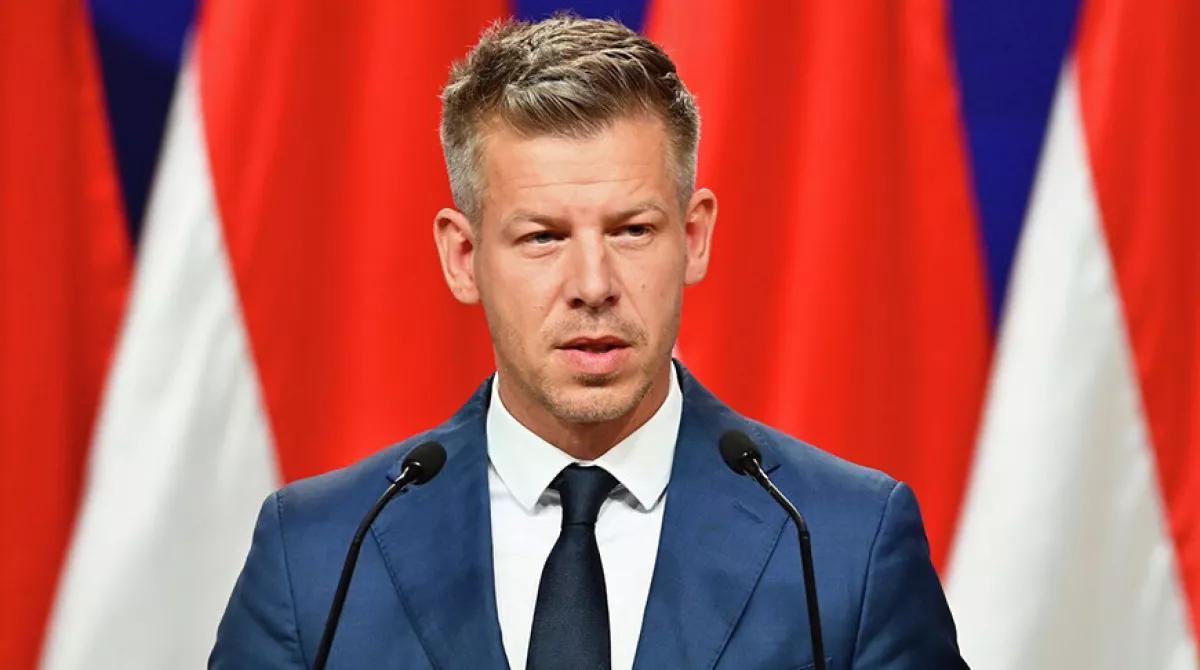
Thus, expectations of a rapid improvement in relations following the change of government in Hungary proved to be overstated. Although Péter Magyar demonstrates a more flexible and, at times, pragmatic approach than Viktor Orbán, the differences between them on strategic issues are not particularly significant. Moreover, in certain instances, the new prime minister has acted even more consistently and firmly than his predecessor.
This, however, does not imply a deadlock. On the contrary, the current dynamics in relations can be seen as a transition towards a more realistic model of engagement. Kyiv and Budapest are gradually moving away from mutual accusations and beginning to build dialogue on the basis of concrete agreements, albeit difficult ones that require complex compromise.
The absence of an “idyll” in bilateral relations is, in this case, more of a norm than an exception. Interaction between states with different historical, political, and social contexts is rarely smooth, and in this regard, the ability of both sides to manage tensions without allowing them to escalate into a systemic crisis becomes of key importance.
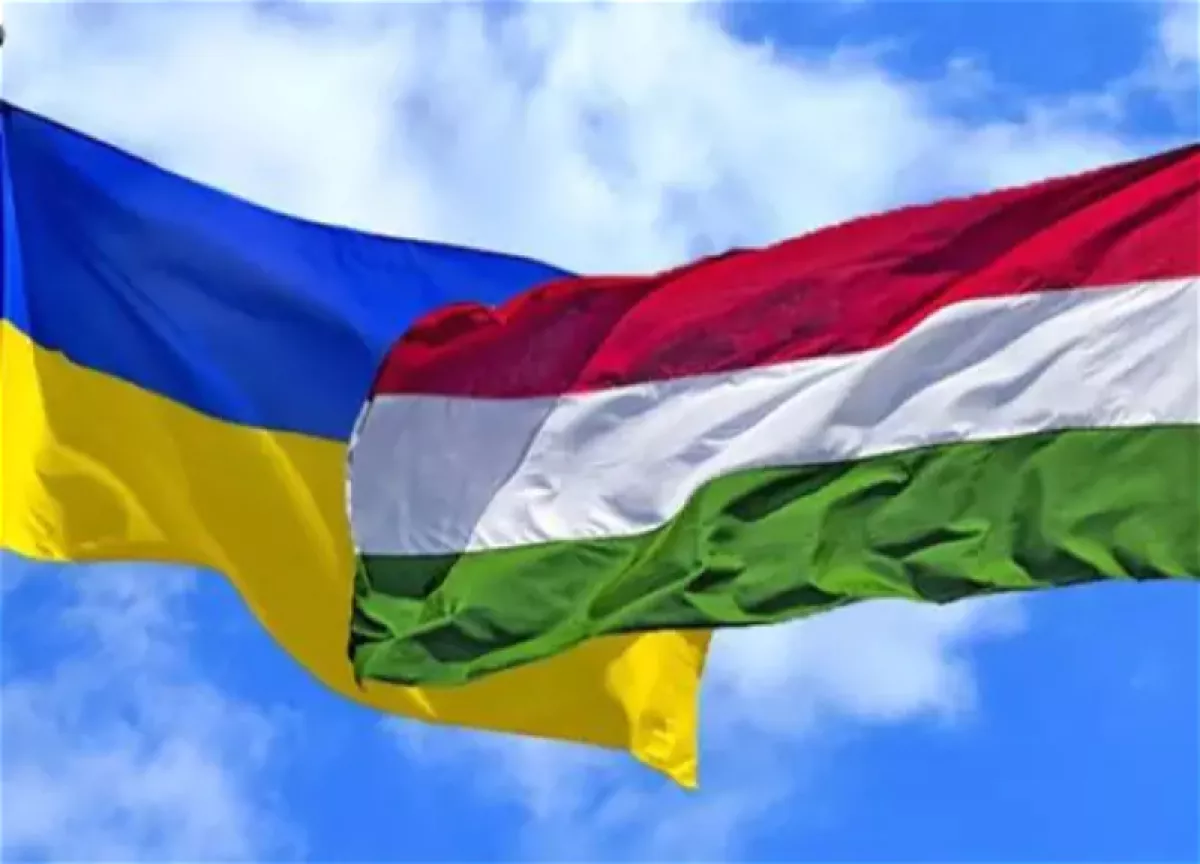
The prospects for Ukrainian–Hungarian relations will depend on the extent to which both sides are able to institutionalise the agreements they have reached and establish mechanisms for preventing crises. In this process, the European Union undoubtedly plays a significant role, acting both as an arbiter and as a stakeholder.
Ultimately, the key conclusion is that the problem in Kyiv–Budapest relations has never been reducible to the personality of Viktor Orbán, and the change of leadership has merely exposed the structural nature of the disagreements. And while some positive shifts have emerged in certain areas, it is still premature to speak of a qualitative breakthrough. However, in a constantly evolving geopolitical environment, much depends on the ability of both sides to maintain a workable balance.







 editor@caliber.az
 +994 55 444-88-98
 Азербайджан, Баку, ул. Низами, 203, Af Business House, 5-й этаж