










Reshuffle without crisis: Lithuania changes government Article by Matanat Nasibova
Recently, the domestic political landscape of the Baltic states has been marked by a trend towards gradual transformation. In May of this year, Latvia’s ruling coalition collapsed following the resignation of two key government figures — Prime Minister Evika Siliņa and Defence Minister Andris Sprūds.
And now, just days ago, Lithuanian Prime Minister Inga Ruginienė announced her resignation after less than nine months in office. Notably, her predecessor, Gintautas Paluckas, also held the post for a relatively short period — less than eight months — before stepping down amid a high-profile corruption scandal.
As a result, Ruginienė’s cabinet became the 20th government formed since Lithuania restored its independence.
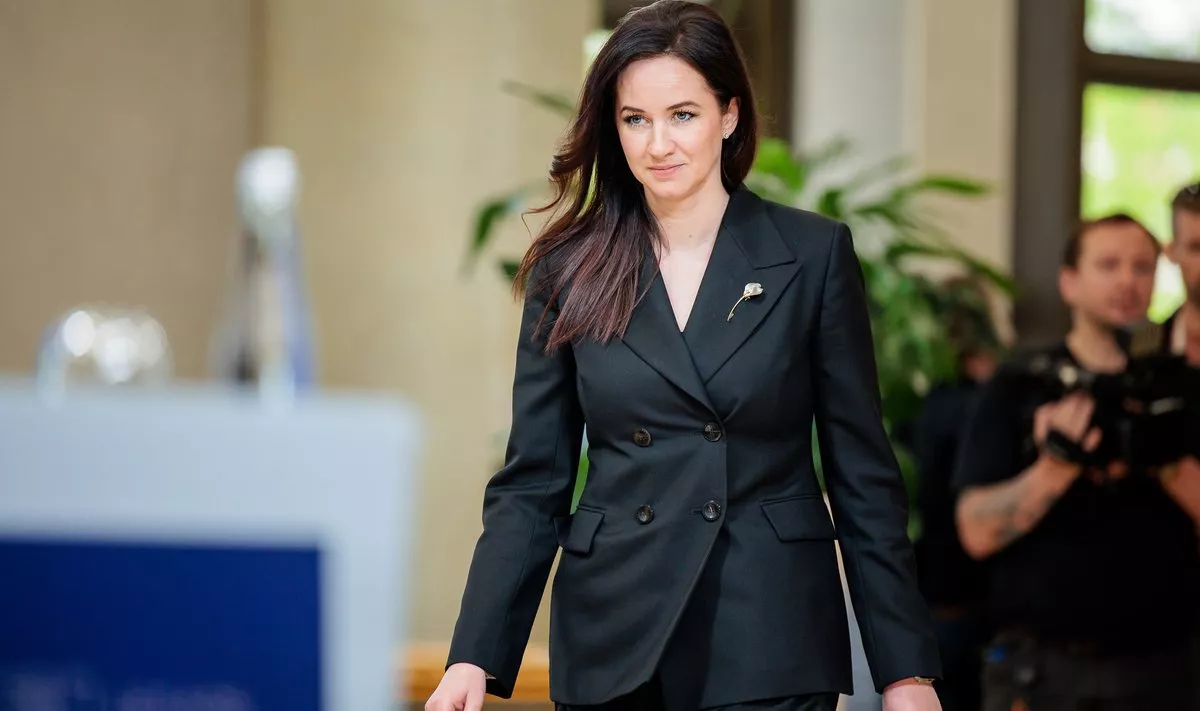
The first reports suggesting that Ruginienė, a representative of Lithuania’s ruling Social Democratic Party (LSDP), would step down emerged on June 8. The decision was prompted by changes within the governing coalition: on June 6, the Social Democrats decided to end their cooperation with the Dawn of Nemunas party, resulting in the loss of the coalition’s parliamentary majority and the subsequent need for the Cabinet of Ministers to resign.
On June 23, Lithuanian President Gitanas Nausėda accepted the resignation of the government led by Inga Ruginienė. The ruling party then nominated LSDP leader Mindaugas Sinkevičius for the post of prime minister. If confirmed, he will have 15 days to present the composition of the new government and its programme in consultation with the head of state.
According to several media reports, the Social Democratic Party will retain control of nine ministries in the new cabinet. Three ministries will be allocated to the Democrats “For Lithuania”, while representatives of the Union of Peasants, Greens and Christian Families will hold two ministerial portfolios.
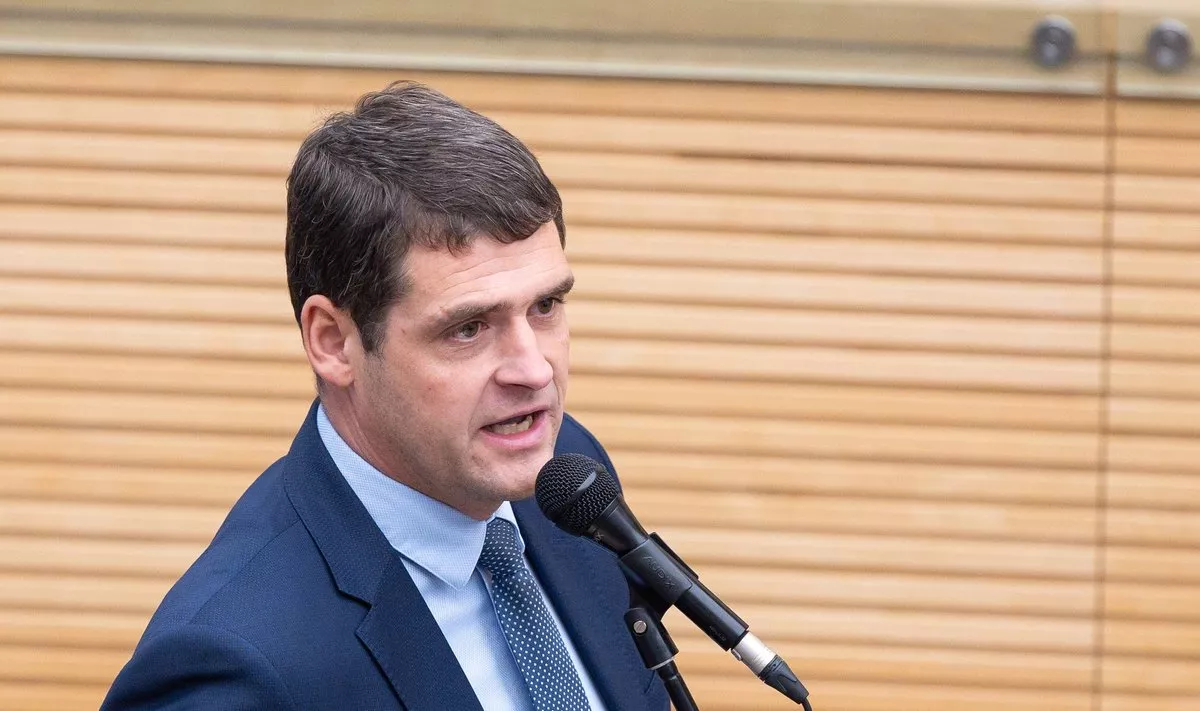
Thus, as the above developments suggest, the reshuffle within the Lithuanian government followed the Social Democrats’ decision to end cooperation with the right-wing populist Dawn of Nemunas (Nemuno Aušra) party, led by Remigijus Žemaitaitis. The politician is known for a number of highly controversial statements, including remarks widely criticised as antisemitic, which ultimately forced him to relinquish his parliamentary mandate in April 2024.
Against this backdrop, the current turn of events was largely predictable. The party’s presence in the Lithuanian Seimas and its cooperation with other political forces had previously been a source of turbulence and disagreement within the country’s political landscape.
The Ruginienė cabinet was no exception. It is therefore hardly surprising that international observers view the prime minister’s resignation primarily as a consequence of coalition instability and the ruling elite’s attempt to prevent a deeper political crisis, particularly at a time when security challenges in the region continue to intensify.
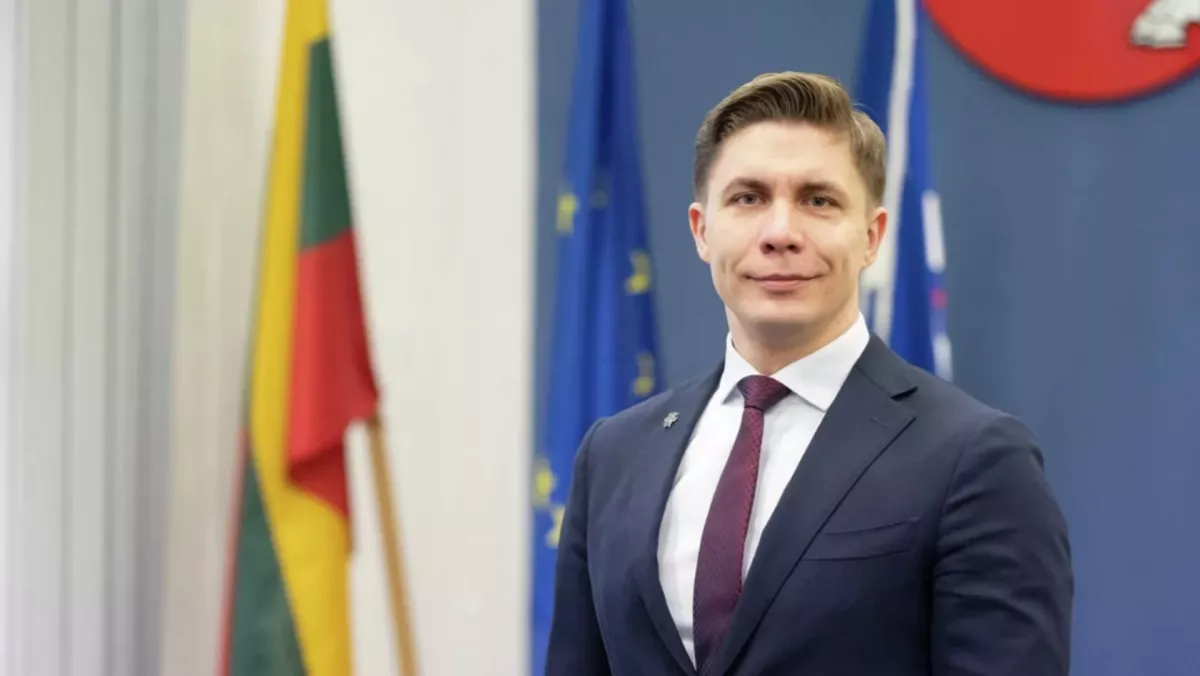
In this regard, Brussels’ notably restrained reaction is highly revealing. EU institutions have largely viewed the resignation of the Ruginienė government as a managed domestic political reshuffle aimed at restoring the stability of Lithuania’s governing coalition without altering Vilnius’ foreign policy course. Moreover, European circles have welcomed the Social Democrats’ decision to sever ties with Dawn of Nemunas, citing the controversial reputation of the party’s leader.
Equally important is the fact that Mindaugas Sinkevičius’ nomination for the post of prime minister is broadly acceptable to the European Union. His political background and policy positions fit squarely within the framework of European social democracy. The party he leads is a member of the Party of European Socialists (PES), where it cooperates closely with other centre-left movements across the EU. It has also consistently advocated strengthening NATO’s eastern flank and maintaining support for Ukraine.
For its part, Lithuanian society has largely perceived the resignation of Inga Ruginienė’s cabinet as a routine technical procedure rather than a socio-political crisis. There is a widespread understanding that the change of government is unlikely to alter the country’s fundamental political and strategic trajectory.
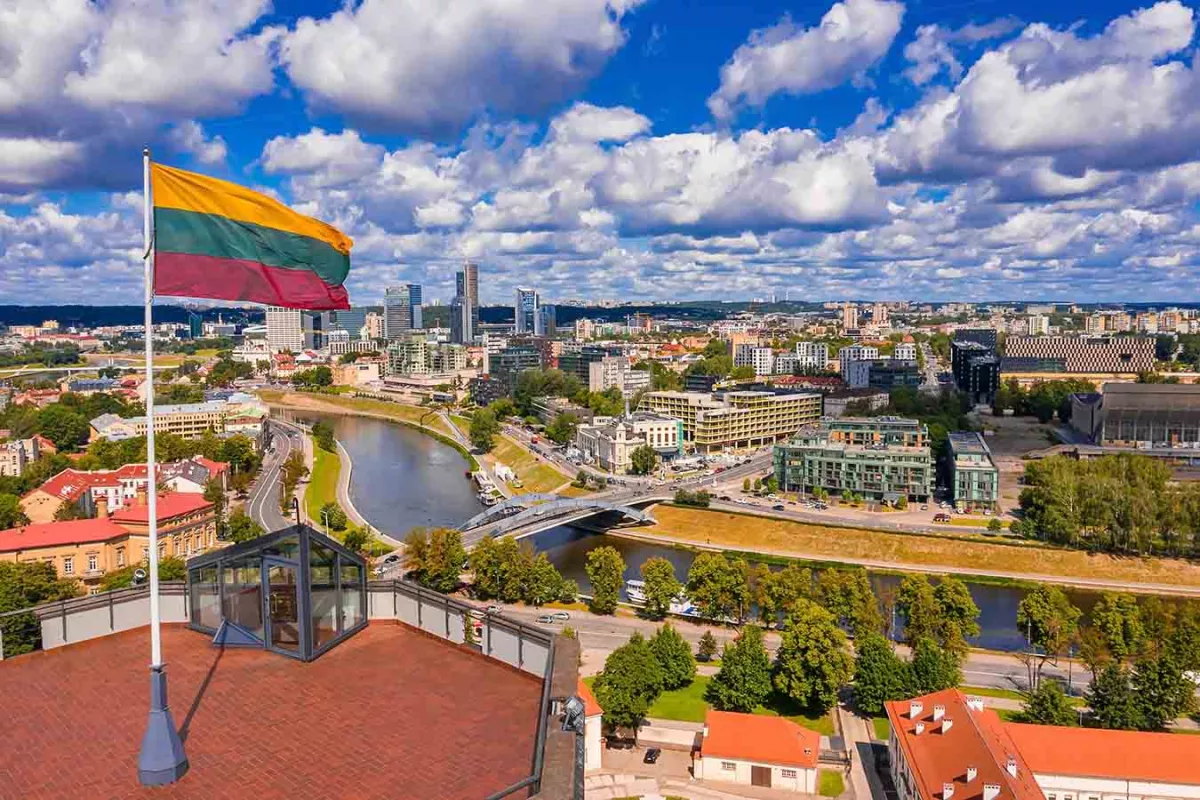
In this context, it is particularly noteworthy that, according to public opinion surveys, Mindaugas Sinkevičius ranks ninth among Lithuania’s most popular politicians. At the same time, the Social Democratic Party he leads enjoys the support of roughly 8.9–11.4% of voters. As for Sinkevičius’ personal approval ratings, between 35.5% and 39% of respondents assess his performance positively, providing him with a significant advantage as he seeks confirmation as the country’s next prime minister.
Against this backdrop, the resignation of Ruginienė and her cabinet can hardly be described as a political crisis. Rather, what has occurred resembles what in chess is known as castling — a strategic rearrangement designed to preserve stability rather than alter the overall direction of play. The most tangible outcome of the process is that the right-wing populist Dawn of Nemunas party will not be represented in the new government.
Nevertheless, one question remains unanswered: whether Sinkevičius — whose nomination, according to media reports, is expected to be formally presented to the Seimas by the Lithuanian president today — will be able, as prime minister, to overcome the unofficial twelve-month barrier that proved insurmountable for his predecessors. For now, that remains an open question.







 editor@caliber.az
 +994 55 444-88-98
 Азербайджан, Баку, ул. Низами, 203, Af Business House, 5-й этаж