










Royal Navy chief: UK must act or risk losing Atlantic supremacy
The head of the Royal Navy has warned the UK government to "step up" and properly fund defence, or risk losing the nation’s longstanding dominance in the Atlantic to Russia.
Speaking at a London conference on December 8, General Sir Gwyn Jenkins said that if Britain fails to maintain its edge, it would be the first time since the Second World War that UK warships and submarines are not the dominant force in their most vital sea lanes alongside allies.
"We are holding on, but not by much," he said. "There is no room for complacency. Our would-be opponents are investing billions. We have to step up, or we will lose that advantage."
As a serving senior military officer, General Jenkins did not directly criticise the pace of plans by Sir Keir Starmer's government to boost defence spending. However, Sky News reported that he and other chiefs held a "very difficult meeting" last month over how to fund plans to rebuild the armed forces amid fears of further cuts.
The First Sea Lord, the first Royal Marine to hold the post, highlighted Russia’s continuing investment in naval capabilities, particularly its Northern Fleet operating in the Atlantic, despite the ongoing war in Ukraine. He noted a 30% increase in Russian incursions in the North Atlantic over the past two years.
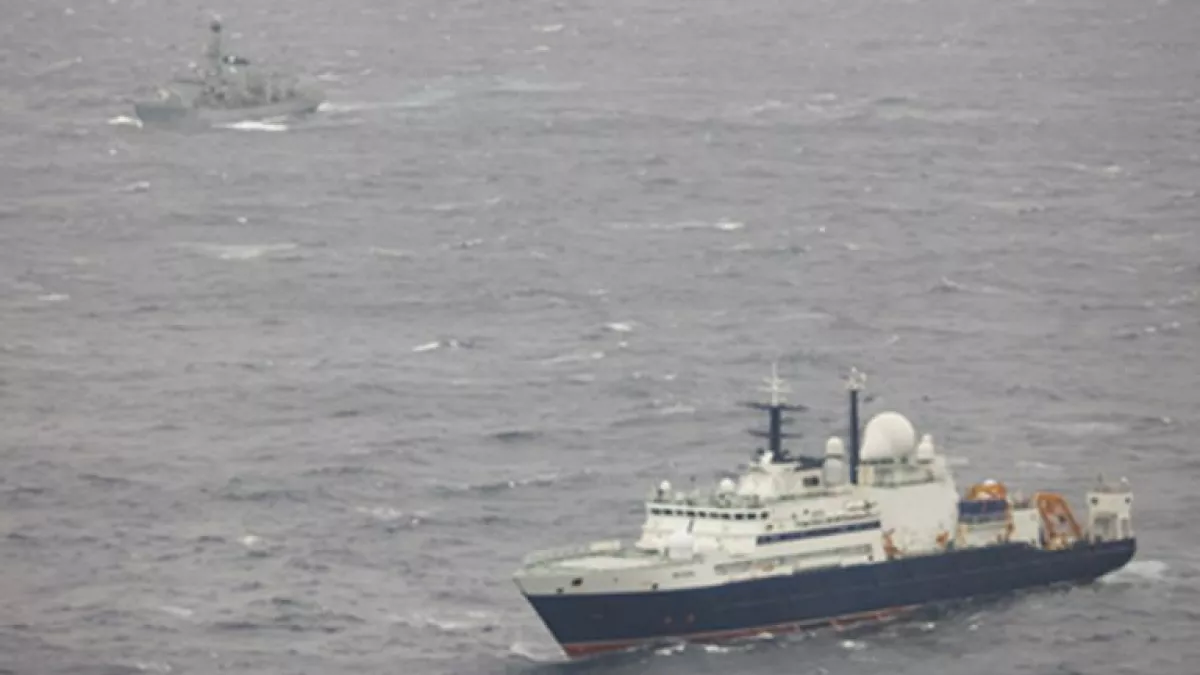
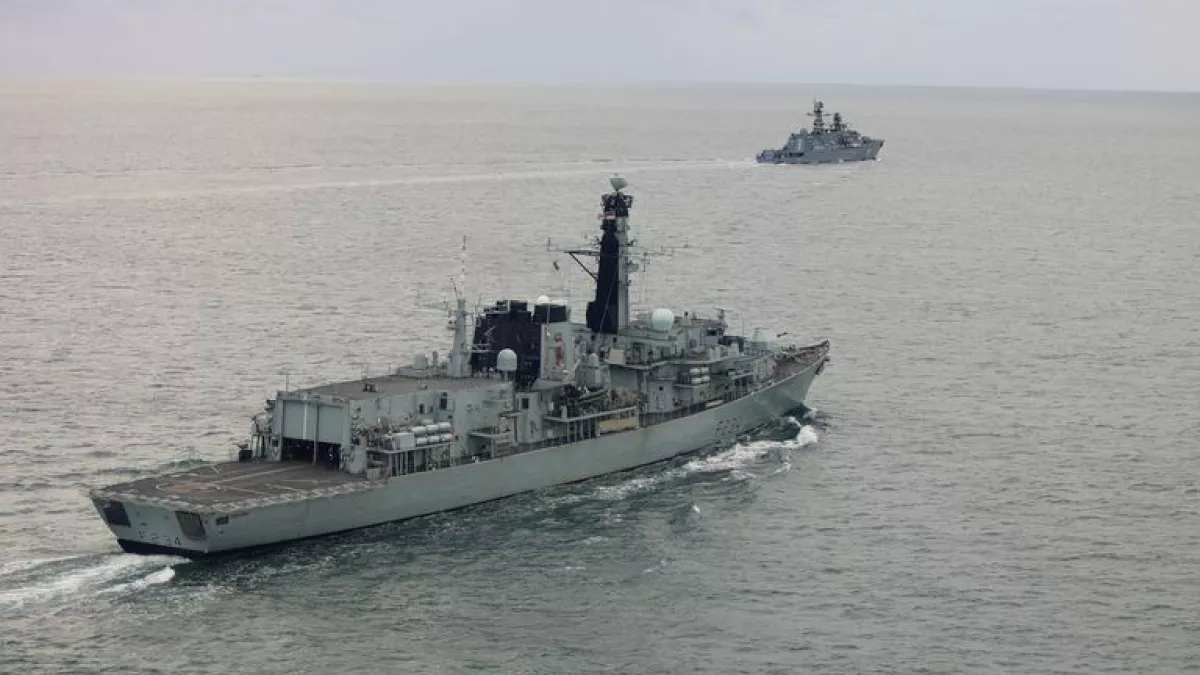
This included the Yantar spy ship, which last month was spotted off the coast of Scotland and reportedly shone a laser at RAF reconnaissance pilots tracking the vessel.
Yet Jenkins stressed that Russia’s activities beneath the waves, where critical communications cables and oil and gas pipelines are located, pose an even greater threat. "I can also tell you today that the advantage that we have enjoyed in the Atlantic since the end of the Second World War is at risk," he said.
The Royal Navy is currently under pressure, with more vessels alongside than at sea, compounded by a shortage of sailors and submariners, which limits fleet availability. Decades of post-Cold War funding cuts and repeated procurement delays have left many ships entering service years late, over budget, and in insufficient numbers.
Despite the stark warning, Jenkins outlined his vision to transform the service and prepare it for war, though full readiness is not expected until 2029—a timeline some consider too slow given Russia’s growing threat to NATO.
His strategy involves a "hybrid navy" combining manned ships and submarines with unmanned systems, alongside streamlining naval bureaucracies to enable faster operations in line with technological developments and threat levels.
"We will face headwinds, we will face rough seas, but together, we can solve these problems if we have the appetite, if we have the determination, and if we have the mindset," he concluded.
By Tamilla Hasanova







 editor@caliber.az
 +994 55 444-88-98
 Азербайджан, Баку, ул. Низами, 203, Af Business House, 5-й этаж