










US diplomacy, Baku’s strategy, and regional instability factors Article by Foreign Policy
The American magazine Foreign Policy has published an article focused on US policy in the South Caucasus. Caliber.Az presents the most notable excerpts from the piece.
Editor’s note: The article is written by Eugene Chausovsky, a senior director at the New Lines Institute.
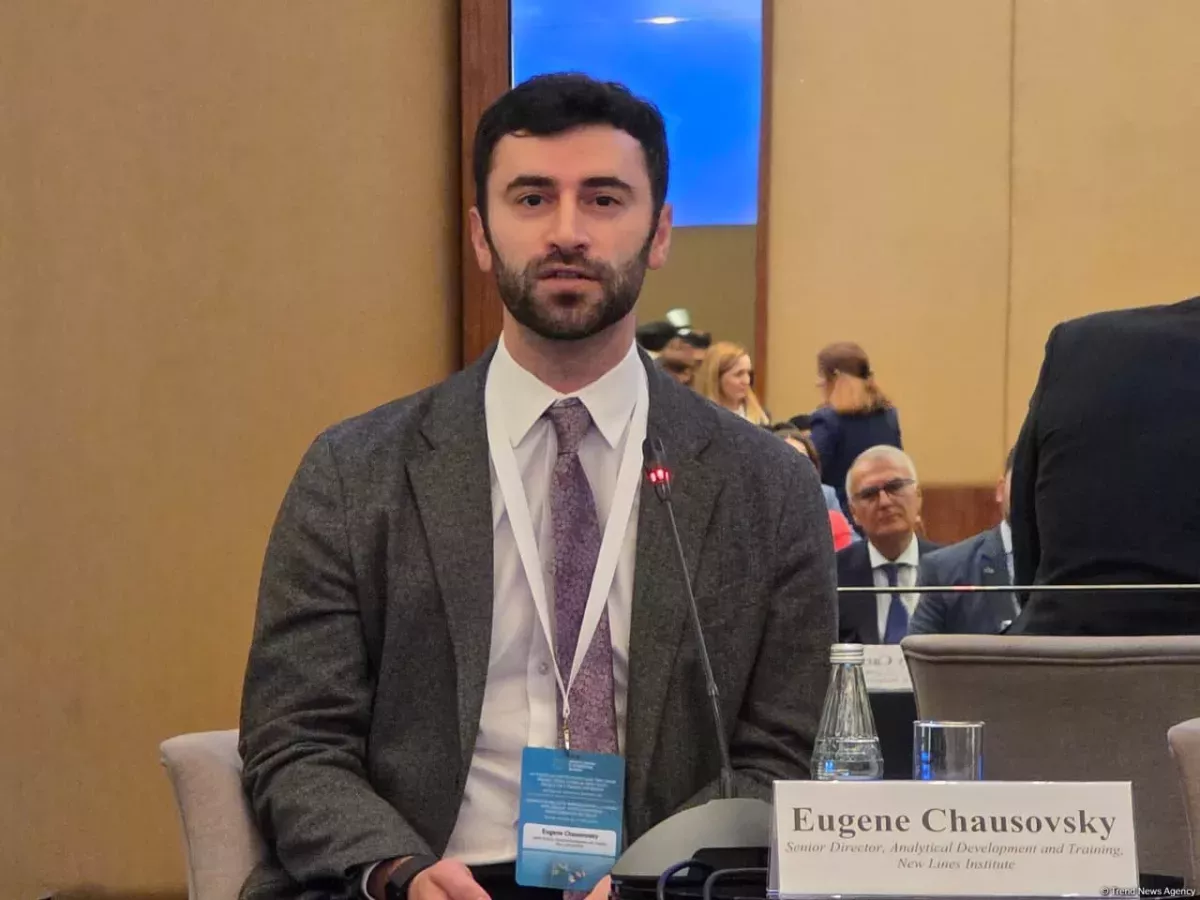
"As Iran convulses from domestic upheaval and the Trump administration contemplates military strikes, the United States has also been quietly yet meaningfully ramping up its engagement with two countries north of Iran: Armenia and Azerbaijan.
The Trump administration has been deeply involved in diplomatic mediation between the two countries, building on U.S. efforts to enhance economic links in the strategically important Caucasus region through international trade and infrastructure development.
While overshadowed by larger and more high-profile wars in Ukraine and the Middle East, the Caucasus region is no stranger to military conflict. From the late 1980s until recently, Armenia and Azerbaijan were in a prolonged state of war over the Karabakh.
Following inconclusive efforts at mediation by the now-dissolved Minsk Group, which was co-chaired by Russia, the United States, and France, Azerbaijan launched military operations in 2020 and then again in 2023 to reclaim lost territory in Karabakh and the surrounding areas.
Azerbaijan’s military operations in Karabakh served to accomplish one of Baku’s long-standing goals: not just regaining lost territory but using those gains to reestablish and enhance connections to areas that had been cut off due to the prolonged conflict. This included its exclave of Nakhchivan and western territory closer to Türkiye, with which Azerbaijan has close diplomatic and security ties.
That desire for connectivity was why Azerbaijan quickly pivoted its focus after the military conflict ended to a peace deal and normalising diplomatic relations with Armenia as a means to facilitate such regional connectivity efforts. Armenian Prime Minister Nikol Pashinyan agreed to engage with Azerbaijan in diplomatic normalisation despite strong opposition from some groups at home.
Talks between Armenia and Azerbaijan made slow and steady progress, including tackling issues such as border delimitation and easing hurdles to trade. It was the return of the Trump administration in late 2024 that accelerated the peace process.
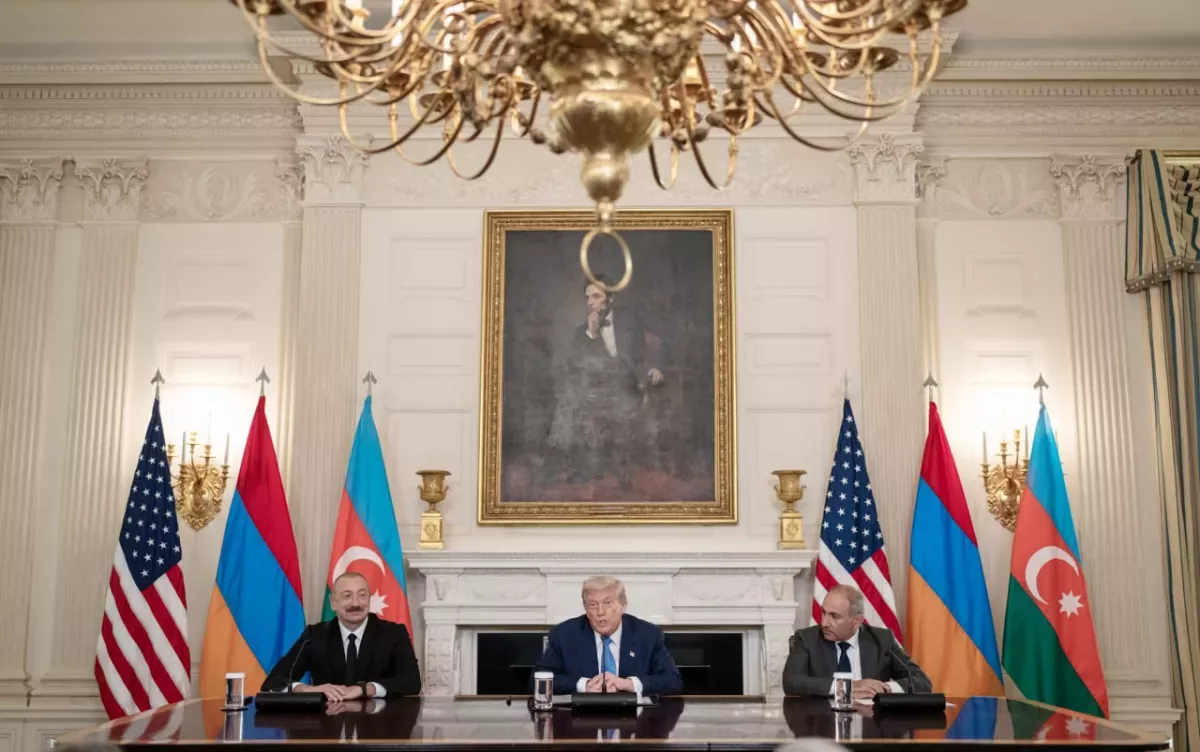
Last August, both Azerbaijani President Ilham Aliyev and Pashinyan joined Trump at the White House, where they held a high-profile ceremony to sign a peace deal.
A crucial component of the 2025 agreement was the creation of a major transit corridor, which will be named the Trump Route for International Peace and Prosperity (TRIPP). The U.S.-backed infrastructure project will link Azerbaijan to Nakhchivan through Armenian territory via road, rail, and pipeline. According to the announcement, the United States will have exclusive development rights in the area for 99 years.
Not only is the Caucasus region rich in energy resources like oil and natural gas (as is Central Asia just across the Caspian Sea), but it also sits on a major transit point. Azerbaijan already exports its oil and gas to Turkey and further on to Europe, serving as an important source of diversification for Europe’s energy reliance on Russia. The corridor could also provide a shorter passage for transporting critical natural resources from Central Asia, including rare-earth minerals, to Western markets.
China has also been seeking to increase its engagement in the region, with the Caucasus and Central Asia serving as key nodes in the so-called Middle Corridor route, which links China to Europe.
However, there are several challenges that could complicate U.S. engagement in the Caucasus, particularly in the form of expanding infrastructure connectivity via the TRIPP and other projects. The first is that the diplomatic normalisation process between Armenia and Azerbaijan has yet to be formally concluded. A key event to watch will be Armenia’s parliamentary elections in June. While poll numbers show that Pashinyan’s ruling party is currently in the lead, there are still opposition groups within Armenia and abroad that will make the election a vital test for Pashinyan and the peace agenda.
Another challenge comes from external actors. Russia has made no secret of its opposition to East-West connectivity projects in the Caucasus, especially those that serve to supplant its role as a major energy provider and transit country and those that involve Western nations like the United States. And while Moscow has certainly seen its influence in Armenia and the Caucasus diminish, Russia remains active in the region.
Iran shares Russia’s opposition to such East-West connectivity projects for many of the same reasons (as well as Azerbaijan’s ties with Israel), and its escalating tensions with the United States are likely to create greater uncertainty in that regard. If the Iranian government can survive its own domestic turbulence, this could drive Tehran and Moscow even further together in opposing such U.S. activity in the region.
Many players have their own interests in shaping the region. U.S. efforts to help normalize ties between Armenia and Azerbaijan and advance the TRIPP will serve as a crucial hinge for Eurasian geopolitics—and a potential model for efforts elsewhere," Eugene Chausovsky wrote.







 editor@caliber.az
 +994 55 444-88-98
 Азербайджан, Баку, ул. Низами, 203, Af Business House, 5-й этаж