










Vilnius recognizes the cost of breaking ties with Beijing Analysis by Limansky
Lithuanian President Gitanas Nausėda has stated that he would like to restore the damaged relations with China. What could this mean for the Lithuanian economy? And how will it affect the situation in the region as a whole, which today remains highly destabilized?
Why did Lithuania undermine China's territorial integrity?
“We’d like to normalize the political relations because those relations have been broken for a few years,” Gitanas Nausėda told Bloomberg on June 18.
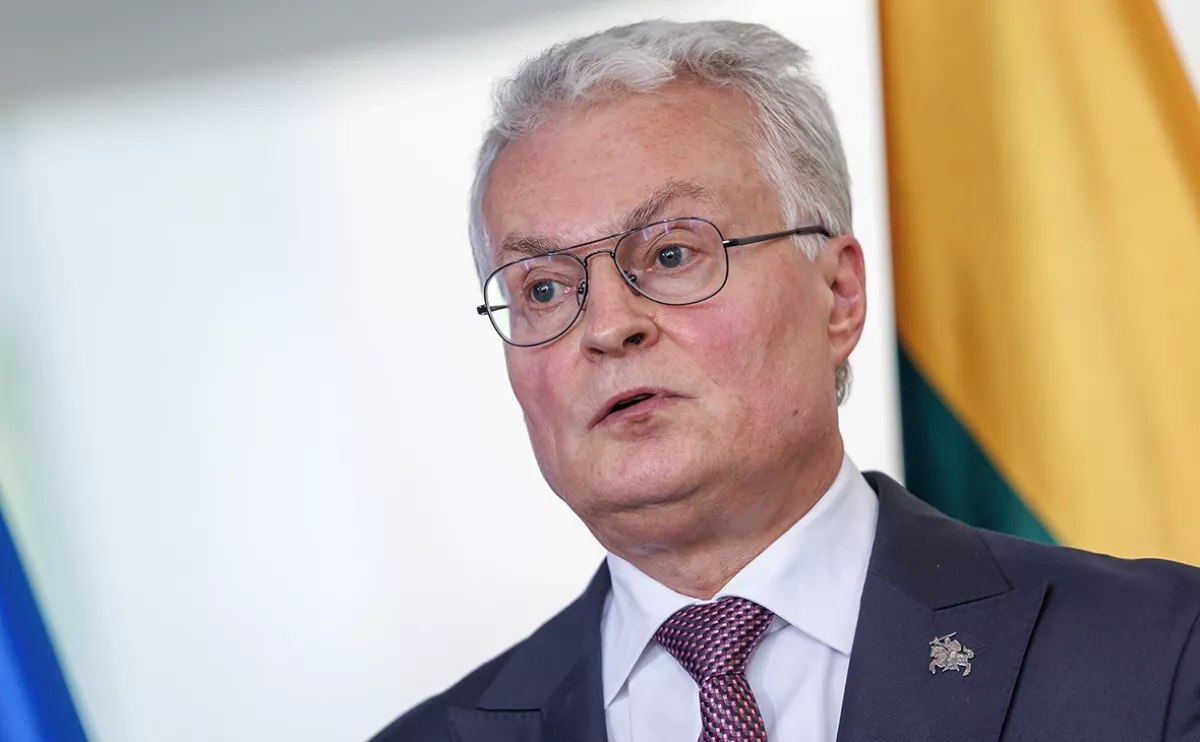
“We are in the process, and I hope that we will see the first results in the next six months.”
Nausėda also noted that within the next six months, the diplomatic missions of China in Vilnius and Lithuania in Beijing should be restored.
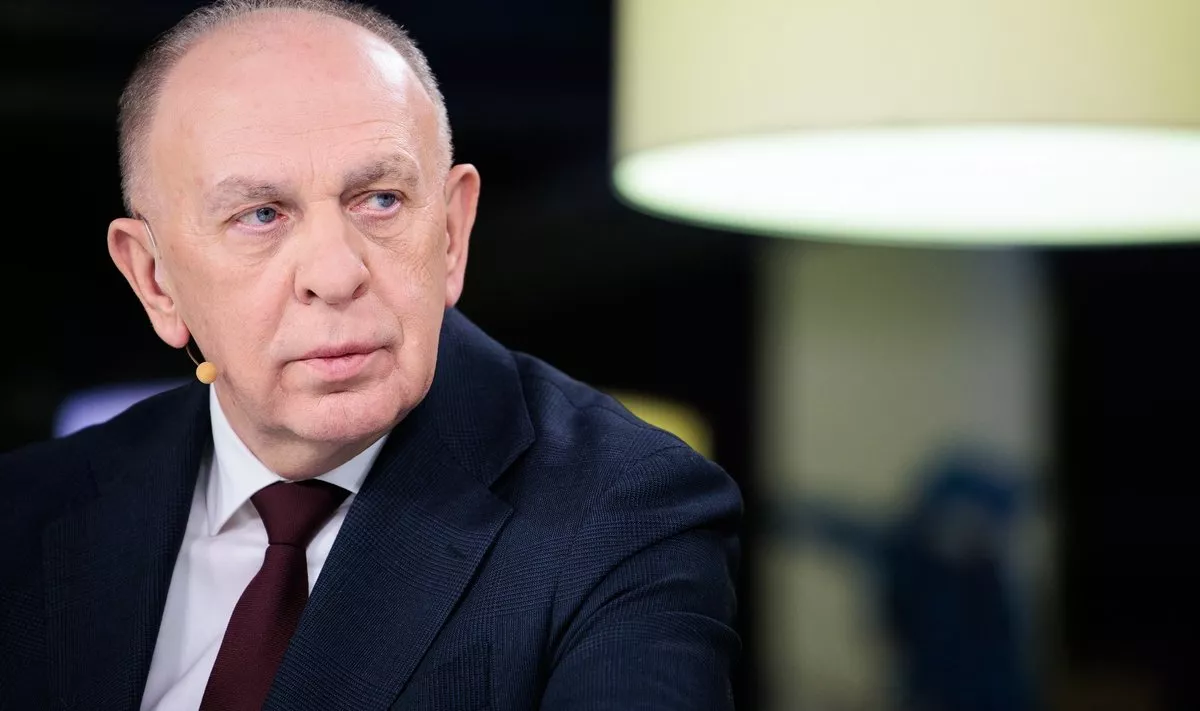
In addition, last week, Chairman of the Seimas Committee on Foreign Affairs Remigijus Motuzas said that Lithuania had proposed allowing China to open a chargé d'affaires office, something to which Vilnius had previously not given its consent.
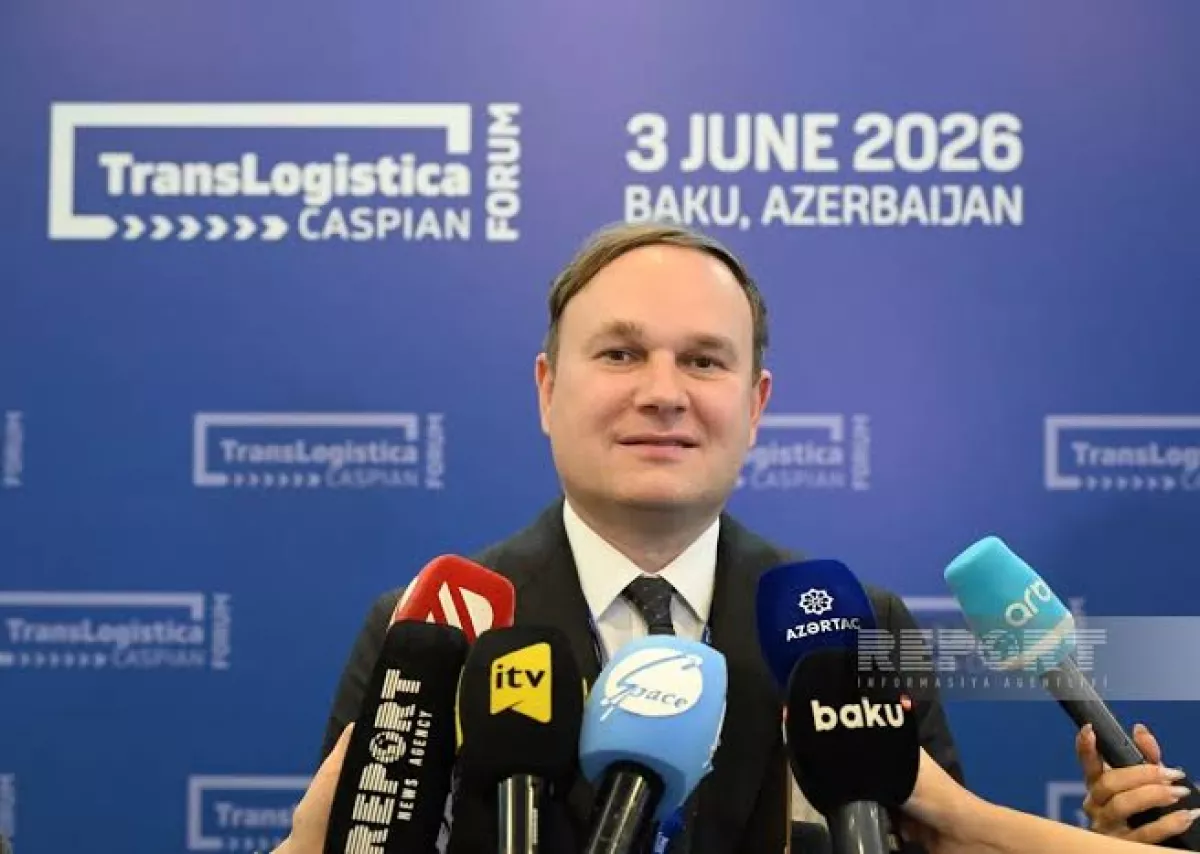
This was preceded by a statement by Julius Skačkauskas, head of the Transport Innovation Association (TIA), made at the Second Caspian International Transport, Transit and Logistics Forum held in Azerbaijan. According to him, Lithuania is seeking to increase the volume of cargo transportation from China via the Middle Corridor. Many interpreted this as a signal of Vilnius' intention to normalize relations with Beijing.
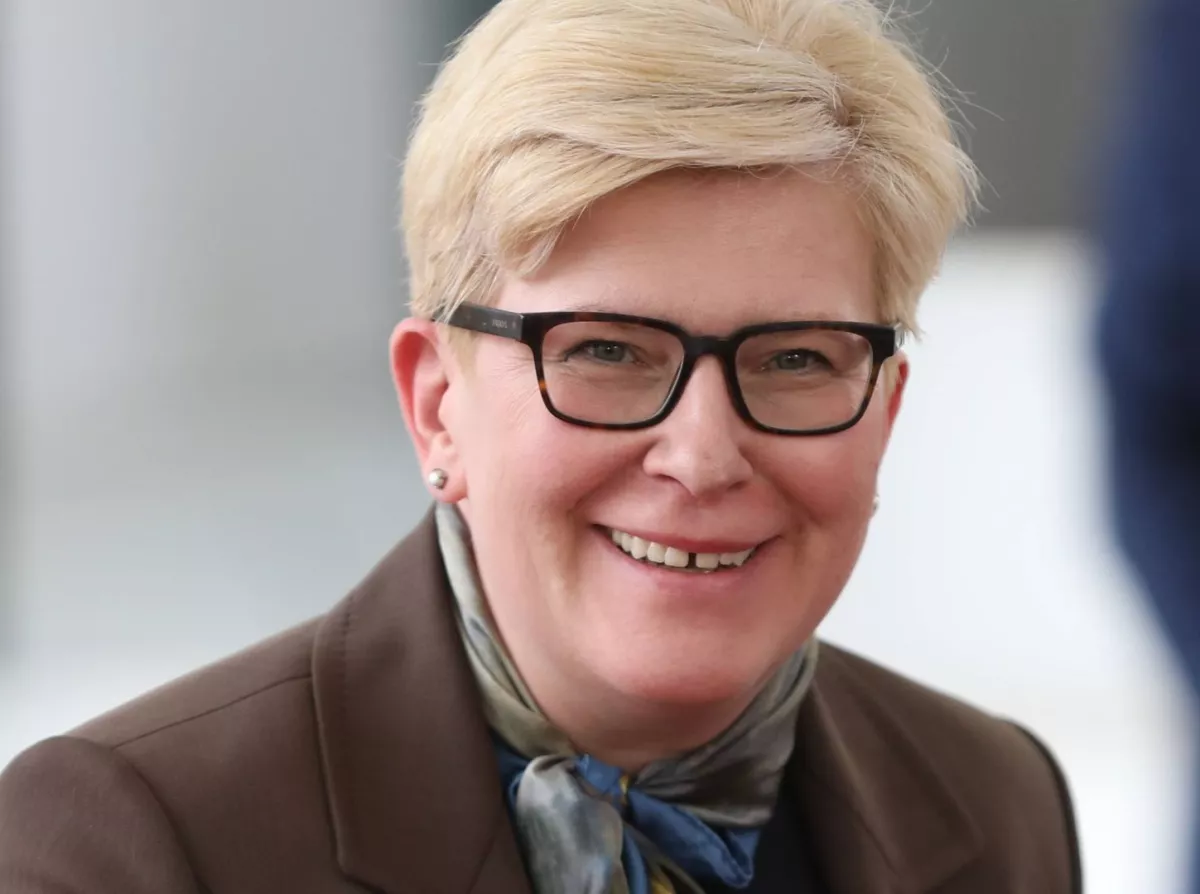
Relations between the two countries deteriorated sharply in 2021. At that time, the centre-right government of Ingrida Šimonytė, despite repeated warnings from China's Ministry of Foreign Affairs, allowed the opening of a "Taiwanese Representative Office" in Vilnius.
Taiwanese representative offices exist in many countries under the guise of trade and other missions. However, there is one important distinction: they are generally named "Taipei Representative Offices." In Lithuania, however, it was established under the name "Taiwanese Representative Office," which de facto gave it a quasi-state character. This became the first such precedent in the European Union.
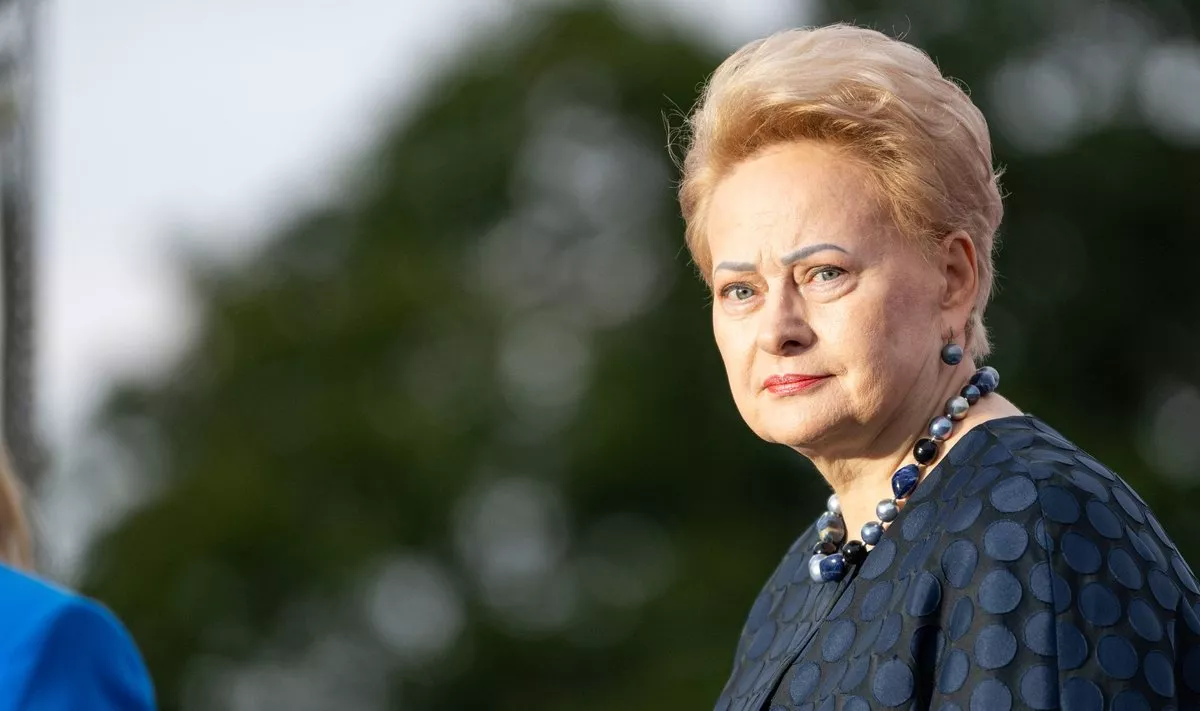
The reasons behind this decision can only be a matter of speculation. Shortly beforehand, then-Lithuanian President Dalia Grybauskaitė had visited the United States. Following that visit, the Lithuanian authorities began adopting increasingly harsh rhetoric toward China.

“We will actively oppose any violation of human rights and democratic freedoms, and will defend those fighting for freedom around the world, from Belarus to Taiwan,” then-Lithuanian Foreign Minister Gabrielius Landsbergis declared.
For their part, foreign NGOs actively promoted this narrative, describing "three-million-strong Lithuania as Europe's bravest country," supposedly the first to confront the enormous "communist monster."
China's Ministry of Foreign Affairs viewed the opening of the "Taiwanese Representative Office" as an infringement on China's territorial integrity and said that it "grossly interferes in China’s internal affairs." In December 2021, in response, Beijing recalled its ambassador from Lithuania and downgraded diplomatic relations to the level of chargé d'affaires.
The Chinese Embassy in Vilnius was also closed. In response, Lithuania refused to accredit lower-ranking Chinese diplomats, while Lithuania's diplomatic mission in Beijing also ceased operations.
In effect, diplomatic relations between Lithuania and China were severed.
Vilnius' strategic mistake
The conflict with China proved even more damaging for Lithuania's economy, which was already going through difficult times. China—the world's largest economy by GDP at purchasing power parity—completely removed Lithuania from its transit routes.
Cargo traffic through Klaipėda immediately fell by 67 per cent, while China's refusal to import products from Lithuania's timber-processing and dairy industries is estimated to have resulted in the loss of around 60,000 jobs. According to President Nausėda himself, Lithuania's exports to China declined threefold between 2020 and 2023.
Beijing subsequently softened its position somewhat. However, even in 2025, Lithuanian exports to China remained at only half of their pre–"Taiwanese Representative Office" level.
At the same time, Lithuania's direct exports to China were not particularly large. However, many Lithuanian companies produced goods for multinational corporations operating in the Chinese market. China subsequently threatened to impose sanctions on any multinational corporations that continued cooperating with Lithuania. In addition, instead of purchasing inexpensive Chinese chips, Lithuanian manufacturers were forced to source significantly more expensive semiconductors from Taiwan.
Linguistic nuances and political maneuvering came at a very high cost to the Lithuanian economy.
At the same time, neither the United States, the European Union, nor Taiwan compensated Lithuania for its losses.
Taipei had pledged to invest €3.5 billion in the construction of a semiconductor technology park near Vilnius. However, the project was abandoned as early as 2024.
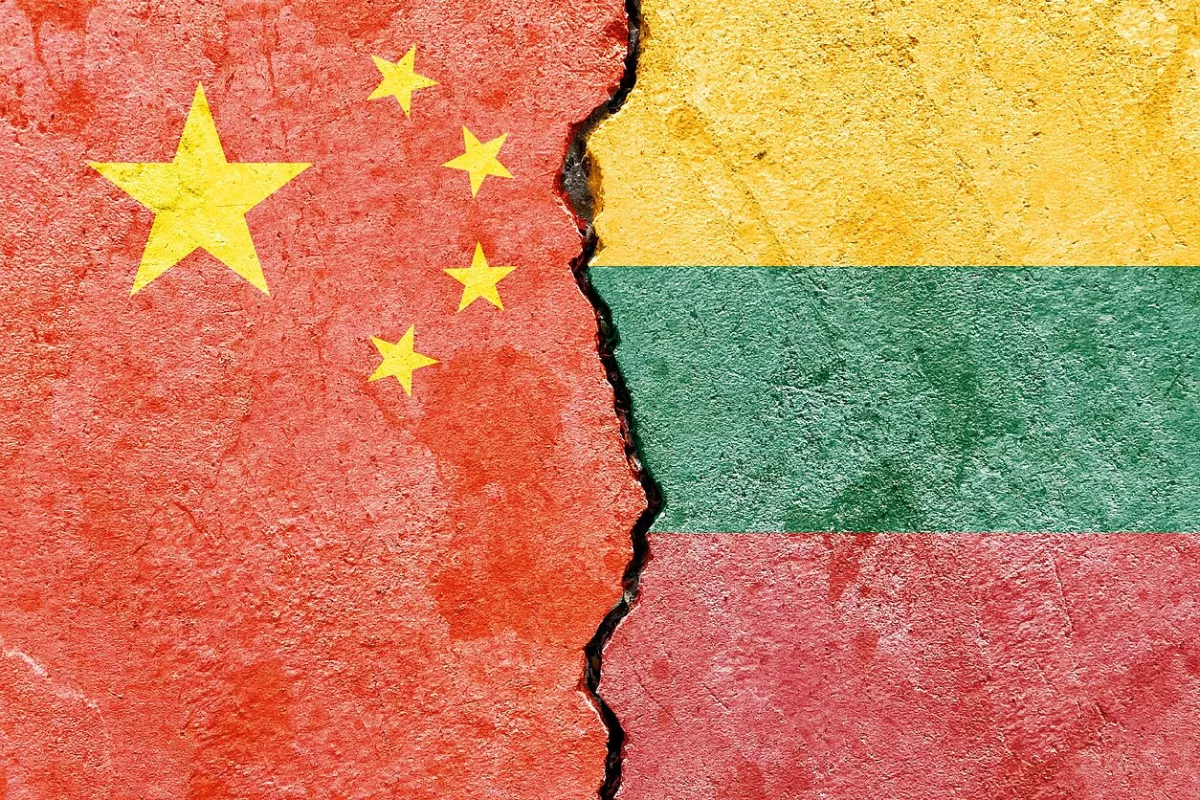
In addition, the European Union filed a complaint against China with the WTO, accusing Beijing of pursuing discriminatory policies toward Lithuania. However, Brussels' support failed to produce any results, and the case was subsequently withdrawn.
At the same time, since 2025, citizens of the European Union have been eligible for visa-free entry to China, while Lithuanian citizens, along with Czech citizens, have continued to be excluded from this arrangement. The European Union itself remains divided over its relations with China. The bloc's leading members, such as Germany and France, are not interested in further deteriorating ties with Beijing and are unwilling to sacrifice mutually beneficial economic cooperation.
Against this backdrop, restoring diplomatic relations with China to the level maintained by other EU member states became one of the key policy objectives of the government led by Social Democrat Inga Ruginienė, which came to power in 2025.

“What did it bring us?” Prime Minister Inga Ruginene summed up the diplomatic démarche. “There is exactly zero benefit from Taiwan and exactly the same big disadvantage from China.”
Lithuania's Social Democratic prime minister explicitly described the opening of the "Taiwanese Representative Office" as a strategic mistake.
Lithuania's lobby for Taiwanese separatism
Lithuanian right-wing politicians from the Homeland Union – Lithuanian Christian Democrats party are categorically opposed to efforts to improve relations with Beijing. Following the latest conciliatory statements toward China, conservative politician Žygimantas Pavilionis immediately described them as a concession to Beijing. From the outset, the right-wing parliamentary opposition has viewed the government's initiatives to normalize relations with China negatively.
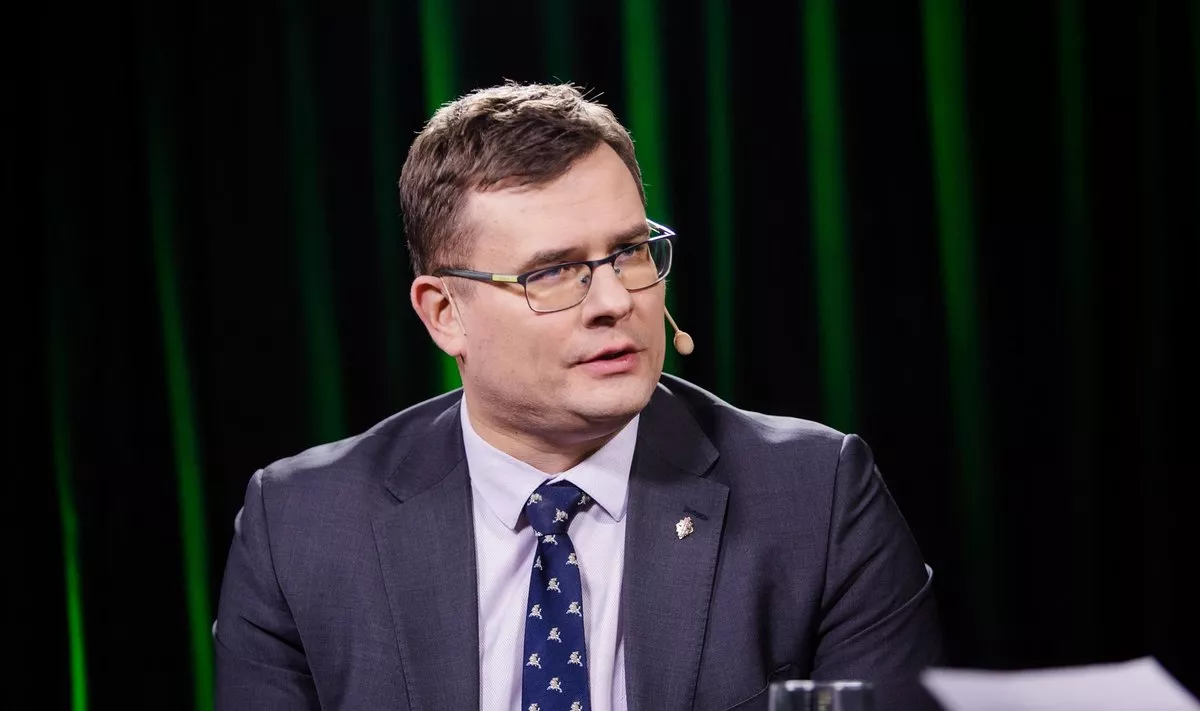
Earlier, the leader of the conservative opposition, Laurynas Kasčiūnas, stated: "China, and above all the Communist Party of China, poses a challenge to the international system. And in order to manage relations with them in accordance with China's approach, Lithuania may have to make numerous concessions."
The centre-right explains its stance toward China by claiming that Beijing allegedly threatens Lithuania's national security by using economic leverage and is capable of "restricting democracy in Lithuania." According to them, Lithuania's confrontation with China serves the cause of "strengthening liberal democracy" in Taiwan and around the world.
According to the conservative leader, Lithuania acted correctly by "preventing the Chinese from gaining access to our critical infrastructure and strategic sectors. As a matter of principle, we are not vulnerable to their influence; we are sufficiently resilient to it."
President Nausėda had also previously made harsh statements about China and Belarus, but has now been forced to soften his anti-China rhetoric.
The national conservatives describe their tough stance toward China as "values-based." However, an investigation by Lithuanian journalists and legal experts found that, in practice, those values may have reflected the commercial interests of companies linked to conservative politicians.
According to their findings, the IT company Teltonika signed a €14 million deal with Taiwan, the artificial intelligence company Oxipit received €3.5 million in investment from the Taiwanese venture capital fund Taiwania Capital, and the solar panel manufacturer SoliTek secured €8 million in loans from Taipei Eximbank. Before the deterioration of relations with China, however, the assets of companies such as Oxipit amounted to only €288,000–788,000.
Lithuanian journalists also established that these companies had supported the election campaigns of right-wing politicians. Among them were Prime Minister Ingrida Šimonytė, under whose government the controversial "Taiwanese Representative Office" was opened, as well as the aforementioned conservative politician Žygimantas Pavilionis, whose campaign was financed by SoliTek.
However, the investigation launched by the Seimas Anti-Corruption Committee during the rule of the Homeland Union – Lithuanian Christian Democrats was effectively shelved.
Following the Social Democrat Inga Ruginienė's cabinet taking office in September 2025, efforts to restore relations with China began to emerge.
Important decision for regional stability
A new government is currently being formed in Lithuania. It is expected to be even more centre-left, as the ruling Social Democratic Party has dissolved its coalition with the right-wing populist Dawn of Nemunas party.
On June 19, President Nausėda made the ability to restore relations with Beijing the key condition for Foreign Minister Kęstutis Budrys to retain his post in the new cabinet. This alone demonstrates the importance Lithuania now attaches to rebuilding ties with China after what many regard as the failure of a policy of courting Taiwanese separatism, pursued under external pressure.
Vilnius has long proposed renaming the "Taiwanese Representative Office" to the more conventional "Taipei Representative Office," the designation typically used in such cases. However, after everything that has happened, will Beijing be satisfied with such a semantic change? Or will it insist on a more substantial reduction in Vilnius' ties with Taiwan?
Professor Cui Hongjian of the Academy of Regional and Global Governance stated: "On the issue of the one-China principle, Lithuania cannot play with fire or attempt to have it both ways. Only by returning to the track of the one-China principle can it create conditions for the normalization of bilateral ties."
The resumption of mutually beneficial economic cooperation is in the national interests of both countries. It cannot be ruled out that such a détente could also have a positive impact on the broader regional situation, which remains seriously destabilized by the war in Ukraine and the clash of great-power interests.
If relations between Vilnius and Beijing are normalized, Belarus could also improve its position. It previously played an important role in facilitating Chinese transit through the Port of Klaipėda, as well as in supplying goods to Lithuania from the Great Stone Belarus–China Industrial Park. Nevertheless, it is still too early to draw far-reaching conclusions, as the political forces advocating further escalation of tensions with China and Belarus continue to wield considerable influence.







 editor@caliber.az
 +994 55 444-88-98
 Азербайджан, Баку, ул. Низами, 203, Af Business House, 5-й этаж