










Deadlock on both sides of Hormuz Analysis by Teymur Atayev
The confrontation between the United States and Iran continues to unsettle the international community, with negative repercussions being felt across virtually every continent. As the experience of the past week has clearly demonstrated, neither signed memorandums of any kind nor, even less so, verbal understandings can serve as a panacea for reliably containing the persistent escalation in relations between the two countries.
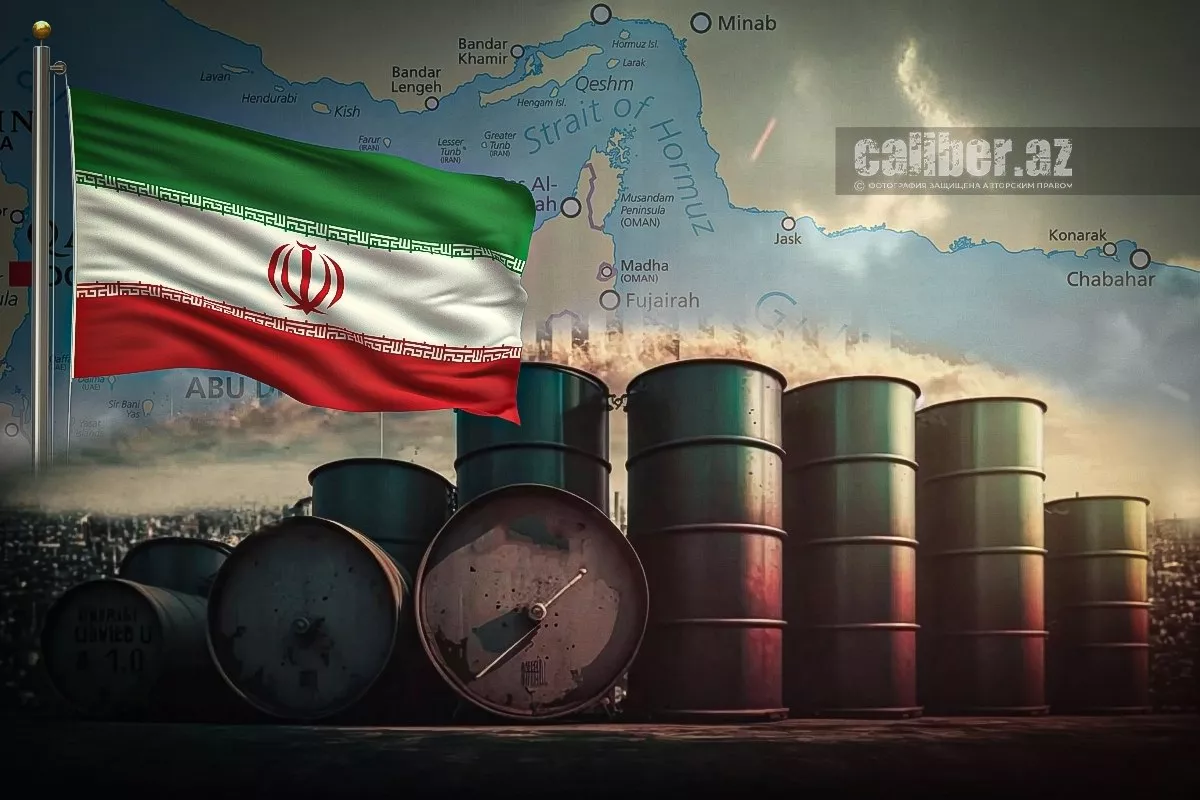
As a result, energy prices continue to fluctuate, much like financial markets and various commodity indices. And although just a few days after each new round of tensions—something the world has unfortunately grown accustomed to—the two sides suddenly (or perhaps not so suddenly?) announce the resumption of negotiations, this ongoing cycle is far from over, at least at the current stage of history.
Some analysts link the latest developments to the U.S. midterm elections scheduled for this autumn. Others are convinced that both sides have always intended to violate any agreements reached under one pretext or another. The New York Times, for its part, attributes the current impasse to differing interpretations by Washington and Tehran of Clause 5 of their memorandum of understanding, prefacing this conclusion with the observation that President Trump's decision to allow Iran to reap the benefits of oil exports has failed to produce the desired results.
In the context of Clause 5, The New York Times argues that the U.S. administration views its provisions as a pathway to the full restoration of unrestricted navigation through the Strait of Hormuz. Tehran, however, interprets the clause through the prism of its own authority over all maritime traffic in these waters, allowing vessels to transit only along the route closest to Iran's coastline. It is in this context that Iran announced plans to impose charges on commercial shipping passing through the Strait of Hormuz.
Under Clause 5 of the U.S.-Iran memorandum, Iran committed, following the signing of the document, to make every effort to ensure the safe and toll-free passage of commercial vessels between the Persian Gulf and the Gulf of Oman for a period of 60 days. Commercial shipping was to resume immediately, while the full restoration of navigation—including the removal of technical and military obstacles, as well as mine clearance by Iran—was to be completed within 30 days.
The memorandum also tasked Iran with engaging Oman in consultations aimed at determining the “the future administration and maritime services in the Strait of Hormuz,” through negotiations with the other Gulf littoral states, in accordance with applicable international law and the sovereign rights of the coastal states.
Apparently, the disagreement between Washington and Tehran over Clause 5 stems from the White House's opposition to Iran becoming the principal overseer—and, so to speak, the financial beneficiary—of ensuring safe navigation through the Strait of Hormuz.
This, however, raises an obvious question: has Iran not repeatedly made its position clear over the past several months? And was this not one of the main stumbling blocks preventing the memorandum from taking effect in the first place?
Be that as it may, The New York Times concludes that, much as the White House was shaken earlier this spring by the realization that the "Iran problem" could not be resolved through military force, it was equally unprepared for the current turn of events.
Richard N. Haass, a veteran diplomat who served at the U.S. Department of State and the National Security Council under several American administrations, including that of President George W. Bush during the early stages of the Iraq War, describes the current situation as a "strategic dead-end." In his view, "the more we attack, the more the Iranians attack the Gulf oil and energy infrastructure. And the administration still has not figured out how to defend those sites."
It is worth recalling that on February 20, 2026—just one week before the outbreak of the Israel-U.S. war against Iran—Haass made a forecast that later proved remarkably accurate. While noting Israel's interest in targeting Iran's ballistic missile arsenal, he also warned that Tehran could retaliate by striking "U.S. military forces in the region, Israel, shipping in the Strait of Hormuz, or oil facilities across the Middle East," a scenario that, he predicted, would trigger a sharp surge in global oil prices.
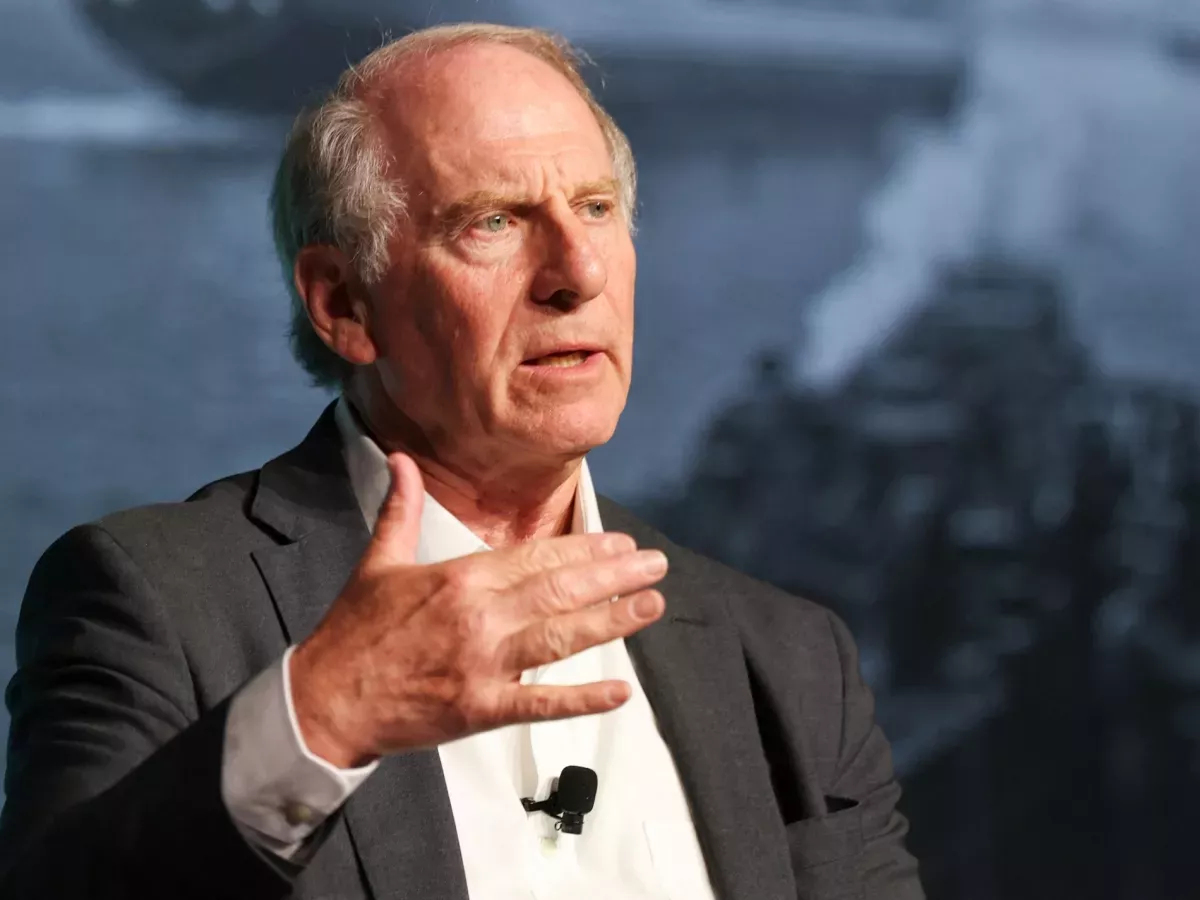
As Haass put it at the time, President Trump would have wanted to avoid such a scenario, particularly given the importance of keeping fuel affordable for American consumers—especially with the U.S. midterm elections only nine months away. Accordingly, Haass argued in February that Trump was seeking to avoid a prolonged conflict, "something Iran might be better at weathering than the United States." He then posed a key question: if events were to unfold in that direction, would Washington be prepared "to back down and accept the sort of deal limiting Iran’s nuclear program that we now find unacceptable? That would be a costly humiliation."
Given how accurate Haass's February forecast ultimately proved to be, his current assessment that U.S.-Iran relations have reached a "strategic dead-end" raises an important question: what lies ahead—not only for the two countries, but for the wider international community?
This question is all the more pressing as some experts have begun to express doubts that, if the parties are unable or unwilling to implement all the provisions of the memorandum, how will the issue of Iran's nuclear program ultimately be resolved?
In any case, the two sides continue, as they often do, to present the world with diametrically opposed accounts of the situation. According to President Donald Trump, Tehran has approached Washington with a request to resume negotiations, and the United States has agreed. Iranian officials, however, have dismissed those claims as fake.
For now, all that remains is to watch how events unfold.







 editor@caliber.az
 +994 55 444-88-98
 Азербайджан, Баку, ул. Низами, 203, Af Business House, 5-й этаж