










First look at North Korea’s new air-launched guided weapons
A recent analysis by The War Zone (TWZ) highlights a rare and revealing look at North Korea’s evolving air-launched weapons portfolio, showcased during celebrations for the 80th anniversary of the Korean People’s Air Force (KPAF).
The event, held at Wonsan Kalma Airport and attended by Kim Jong Un and his daughter Kim Ju Ae, offered an apparent first look at three new types of munitions that could modernise the KPAF’s aging combat fleet.
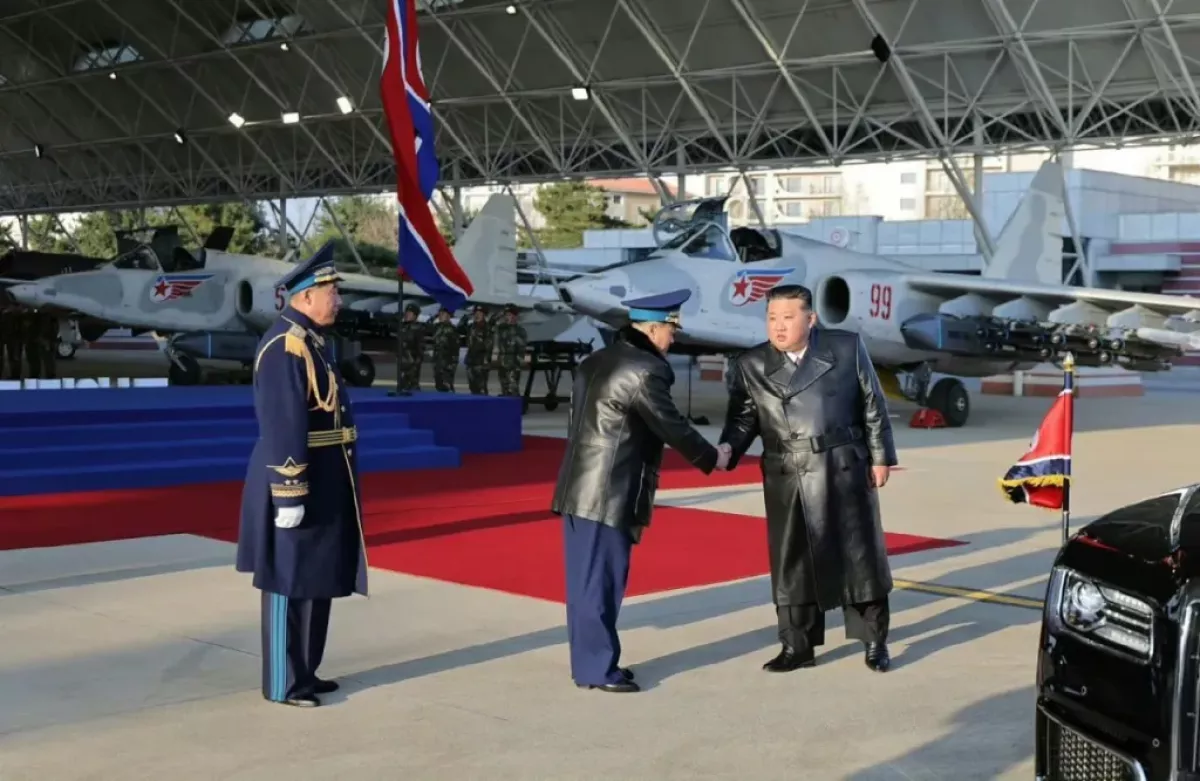
The displays included mobile missile launchers, the KPAF’s airborne early warning and control aircraft based on the Russian Il-76, and notably, new drones modeled closely on the US RQ-4 Global Hawk and MQ-9 Reaper. The centerpiece, however, was a set of air-launched weapons mounted beneath a Su-25 Frogfoot — one of the few relatively modern aircraft in North Korean service.

Kim Jong Un used the occasion to declare that the KPAF would be strengthened with “new strategic military assets and entrusted with a new important duty,” a phrase TWZ notes could refer either to nuclear-related roles or broader support to the country’s nuclear arsenal. He added that “the expectations … for the air force, which will play a role in the exercise of the nuclear war deterrent, are very great.”
The most prominent of the new weapons is a large standoff cruise missile mounted on an inboard Su-25 pylon. South Korean analysts quickly likened its design to the KEPD 350 Taurus, noting features such as a boxy fuselage, pop-out wings, and cruciform tailfins.
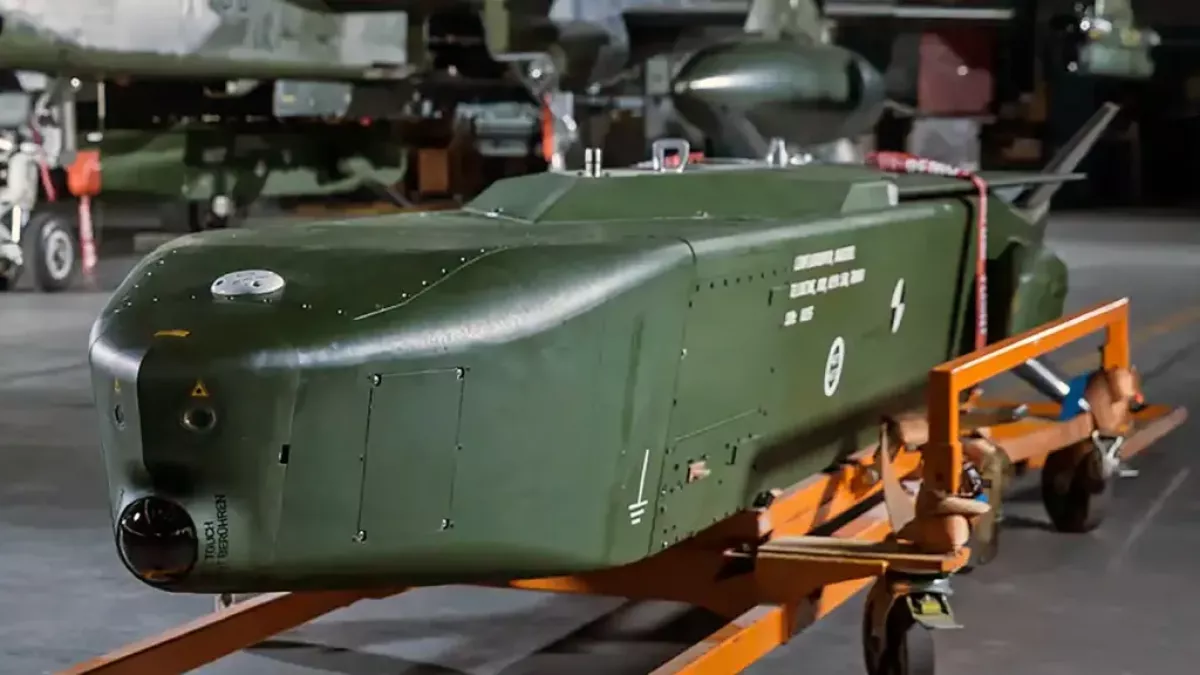
TWZ points out the presence of “an apparent optical window” in the nose, suggesting possible DSMAC terrain-matching guidance. Though range estimates of 124–311 miles remain speculative, TWZ stresses that even an operationally limited version would represent a major leap in North Korea’s precision-strike capability.
Next on the pylons were three smaller missiles clustered on triple launch racks. TWZ argues these resemble an indigenous equivalent to the UK's Brimstone: compact, precision-guided anti-armour weapons. While guidance specifics are unclear, TWZ notes that “the optically transparent seeker” may indicate electro-optical or laser targeting — both compatible with the Su-25’s existing laser designator. If real, these munitions would provide a dramatic upgrade over the KPAF’s current reliance on unguided rockets and bombs.
The final new weapon was a small air-to-air missile on the outer pylon, visually similar in size to the Soviet R-60 but with a more modern control-surface layout reminiscent of the IRIS-T. TWZ highlights that North Korea’s stock of Soviet missiles is aging and unreliable, making the apparent development of a new short-range missile an important step toward modernizing fighter capability.
While TWZ cautions that these systems could still be mockups, it notes that under Kim Jong Un, displayed weapons generally progress to testing or limited deployment. Even so, their effectiveness against modern defences remains uncertain.
By Sabina Mammadli







 editor@caliber.az
 +994 55 444-88-98
 Азербайджан, Баку, ул. Низами, 203, Af Business House, 5-й этаж