










From paper to digital: How Azerbaijan is transforming public services PHOTO
Just over a decade ago, the very thought of renewing or obtaining a passport, applying for a pension or other social benefits, was enough to cause anxiety for the average citizen. Although seemingly straightforward, these procedures were invariably associated with long queues and face-to-face interactions with government officials who, truth be told, were not always known for their patience or courtesy. Worse still, many people found themselves dealing with so-called intermediaries who, in exchange for a fee, offered to "facilitate" the process of obtaining the necessary documents, further eroding public trust in state institutions.
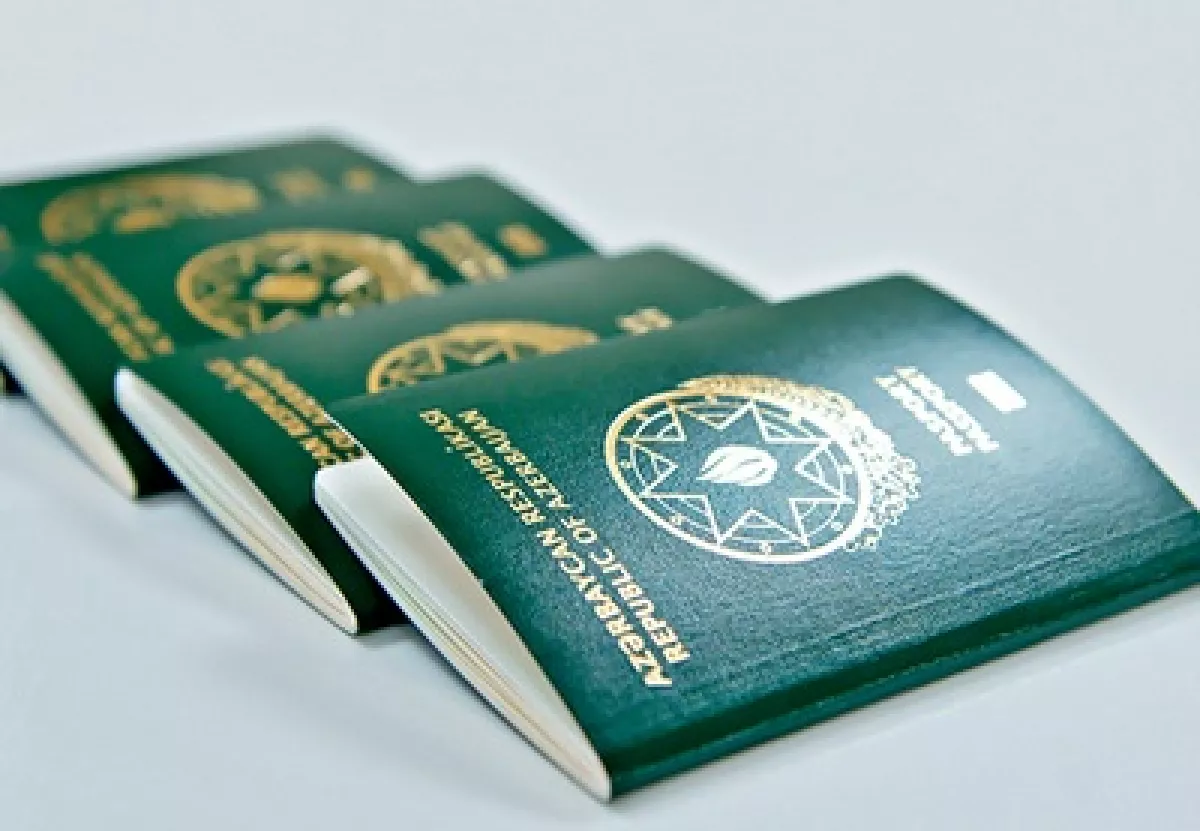
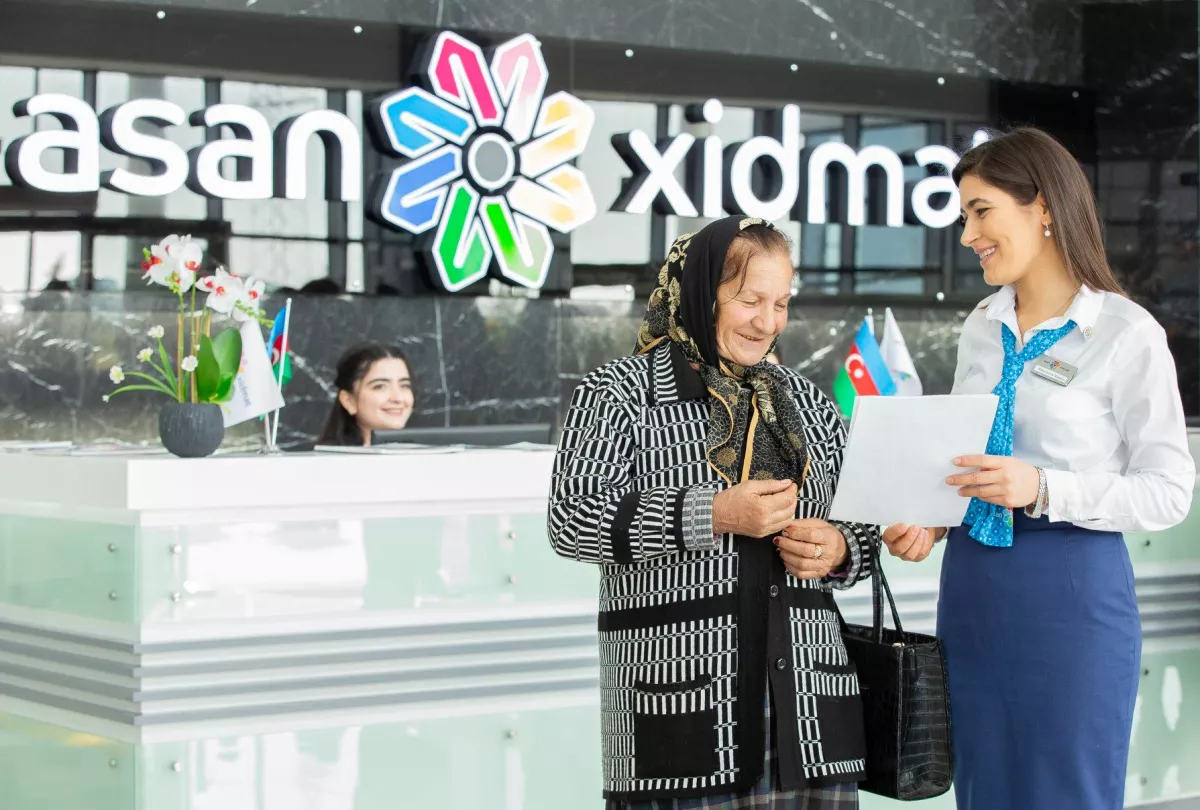
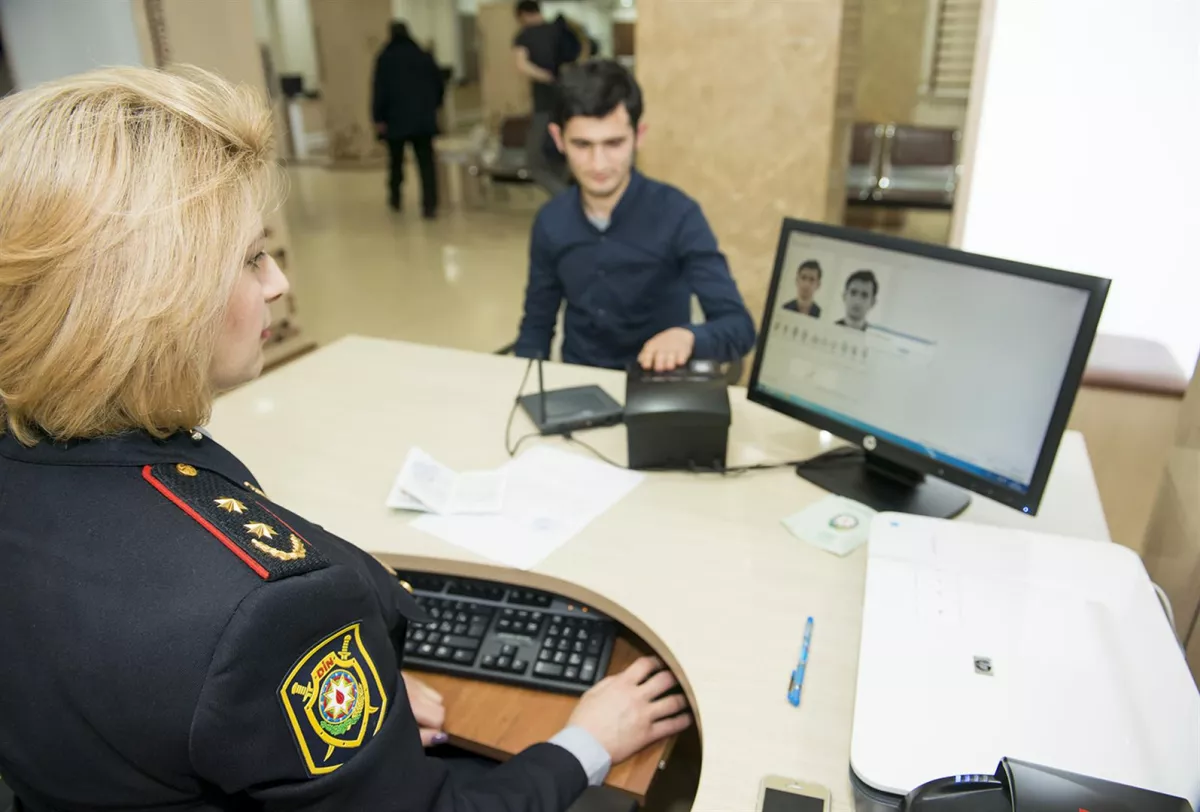
Today, the picture is entirely different. This transformation has been made possible by a digital revolution that began in 2013 with the opening of the first ASAN service centre. Today, obtaining a passport has become significantly faster and more convenient. An electronic queue management system has been introduced, while additional photo kiosks and other technological innovations have reduced the time required to collect applicants' information to just three to five minutes. By comparison, the same process takes around 15 minutes even in many European countries.
The time required to produce and issue passports has also been dramatically reduced—from one month to just ten days, while urgent applications can now be processed within five days or even a single day. Biometric passport issuance equipment has been installed at most Azerbaijani embassies abroad, the previous requirement to apply only at one's place of residence has been abolished, and an SMS notification service now informs citizens when their documents are ready for collection.
As First Vice-President Mehriban Aliyeva emphasised at the meeting held on June 29, "Our work requires the active, coordinated, and effective engagement of all state institutions. Our goal is to transform Azerbaijan into one of the leading countries in the region in the fields of digital development and artificial intelligence. We must study international experience and adopt successful models. At the same time, all decisions must be based on Azerbaijan’s national interests and address the country’s specific needs."

In doing so, Mehriban Aliyeva clearly articulated the guiding philosophy behind these reforms: technology is not merely an abstract concept of progress—it is a practical tool for improving the everyday lives of citizens.


This is particularly evident in such essential public services as the issuance of national identity cards and passports, the automatic processing of one-time childbirth benefits, and the determination of state pensions. While significant improvements have already been achieved in these areas, as noted above, the process of digital transformation is set to continue.

One of the forthcoming innovations will see citizens automatically notified when their national identity card, passport, or driving licence is approaching its expiry date. This will enable them to renew their documents in a timely manner and avoid penalties associated with expired documents.

The next step will be the automatic determination of old-age labour pensions. Citizens will no longer need to submit a separate application, as pension eligibility will be assessed in advance using information already available within state information systems. The same principle will apply to the one-time childbirth allowance: once a child's birth has been registered in the relevant government databases, the payment will be processed automatically, without requiring parents to submit additional documents or file a separate application.

At the heart of these processes is the MyGov platform, whose popularity among the public has reached record levels. In just a few months, the number of active users has increased from 2.7 million to 3.5 million.

This rapid growth is largely due to the convenience MyGov offers. The platform enables citizens to obtain certificates and other official documents from the comfort of their homes, eliminating the need to visit multiple ministries and government agencies. Digital versions of national identity cards, driving licences, birth certificates, and university diplomas are always readily accessible and can be securely shared via QR codes. As Azerbaijan's digital transformation continues, the platform's capabilities are expected to expand even further.

Equally important is the overarching objective of the announced reforms: to consolidate all government services on a single platform, minimise paper-based bureaucracy, and ensure faster, more efficient public service delivery. Put simply, citizens will no longer have to navigate between multiple government websites or download numerous mobile applications—everything will be integrated into one unified digital ecosystem.

As these developments demonstrate, digitalisation is far more than a fashionable buzzword. It is a practical, citizen-centred transformation aimed at making everyday life as convenient as possible. This approach fully reflects the strategy of President Ilham Aliyev, under which the Azerbaijani citizen remains at the very heart of the state's policies.







 editor@caliber.az
 +994 55 444-88-98
 Азербайджан, Баку, ул. Низами, 203, Af Business House, 5-й этаж