










Lessons from Starmer’s political failure Review by Teymur Atayev
In the United Kingdom, speculation is growing about the possible resignation of Prime Minister Keir Starmer. Declining approval ratings, economic challenges, and mounting dissatisfaction over unfulfilled campaign promises have significantly weakened his position.
In its 2024 election manifesto, Starmer's Labour Party placed strong emphasis on change, presenting a plan aimed to "kickstart economic growth by reforming Britain’s economy and bring about a decade of renewal."
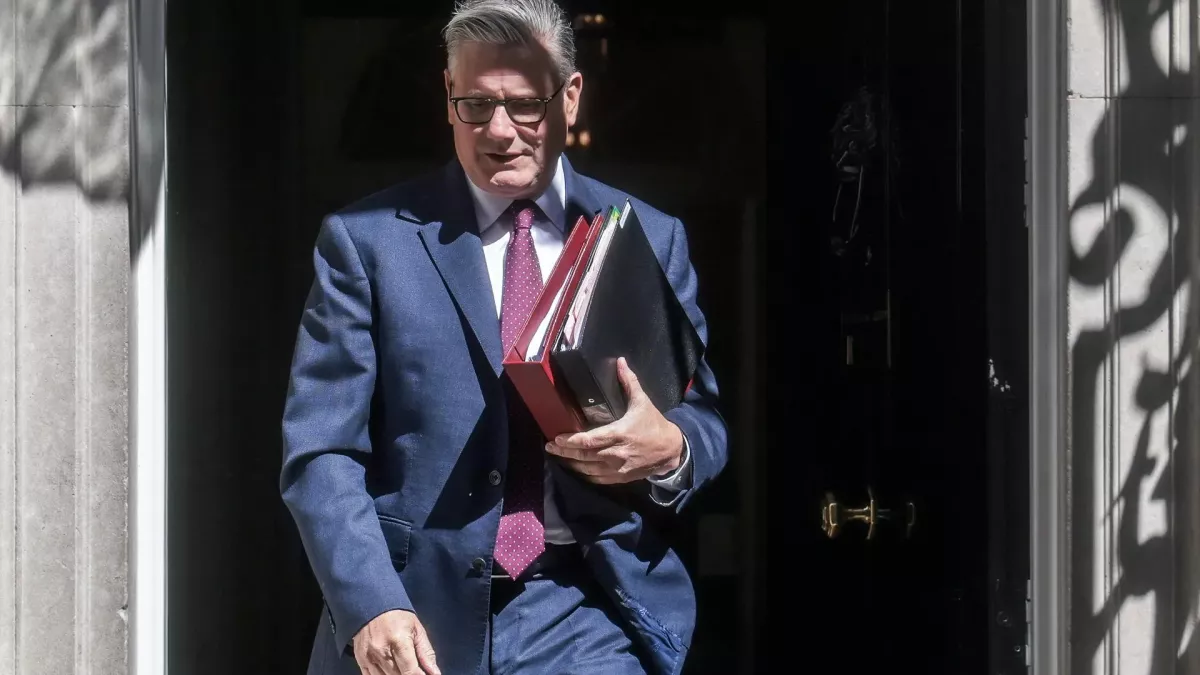
The plan was founded on confidence in Britain and its future potential. It was presented as a fully costed, financially sustainable, and credible roadmap for transforming the country after 14 years of Conservative rule.
A considerable number of Britons were impressed by the manifesto. As a result, less than two years ago, the Labour Party, led by Starmer, secured a majority of seats in the House of Commons in the snap parliamentary election, bringing an end to 14 years of Conservative government.
In his keynote speech on the government's Plan for Change at the end of 2024, Starmer pledged to “ending the madness of each of our 43 forces purchasing their own cars and uniforms. Or take our planning system… A blockage in our economy that is so big…,” and so on, which, he argued, would deliver the economic growth the United Kingdom needs and meet the expectations of working families.
However, by the end of 2025, the UK's GDP had grown by only 1.3 per cent, falling short of IMF forecasts. As a result, Starmer's government faced serious difficulties in restoring economic activity, while real GDP per capita—considered an important indicator of living standards—declined by 0.1 per cent for two consecutive quarters.
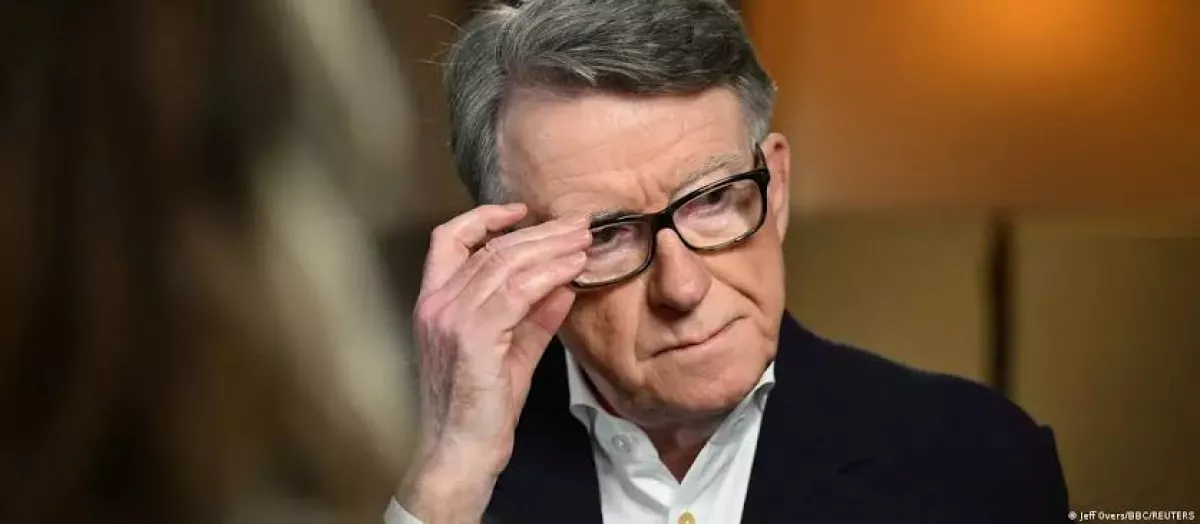
By early autumn 2025, Starmer’s approval rating had fallen to its lowest level since he became leader of the Labour Party. At the same time, he was forced to accept the resignation of his deputy, Angela Rayner, and dismiss Peter Mandelson from his post as Ambassador to the United States. The reason for the latter decision was Mandelson’s appearance in the so-called “Epstein files.” In September 2025, only 21 per cent of Britons expressed a positive view of the prime minister’s performance.
True, the British economy subsequently experienced a period of growth, but only until April of this year, when it contracted by 0.1 per cent. One of the reasons cited was increased pressure on the manufacturing sector as a result of the war waged by Israel and the United States against Iran. It was noted that in April, 40 per cent of trading companies faced higher prices for purchased goods, indicating that inflationary pressures remained persistent.
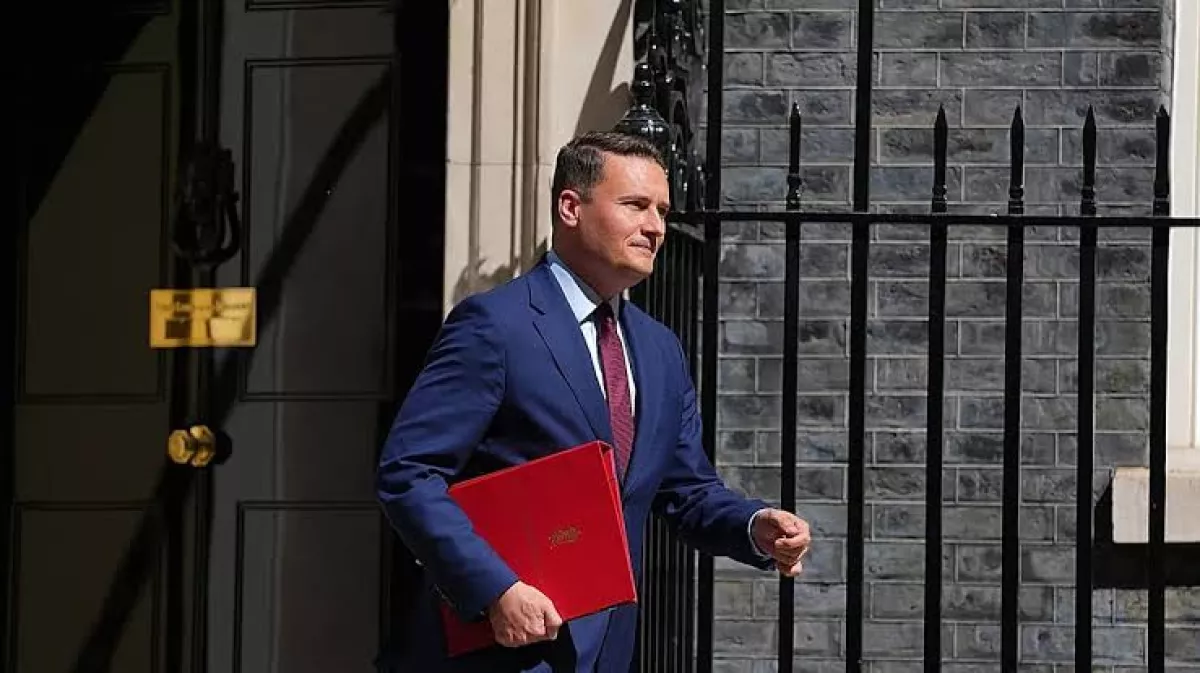
Therefore, it is hardly surprising that in May 2026 the Labour Party suffered a crushing defeat in the local elections. Against this backdrop, the UK Health Secretary Wes Streeting resigned, stating that he had lost confidence in the prime minister.
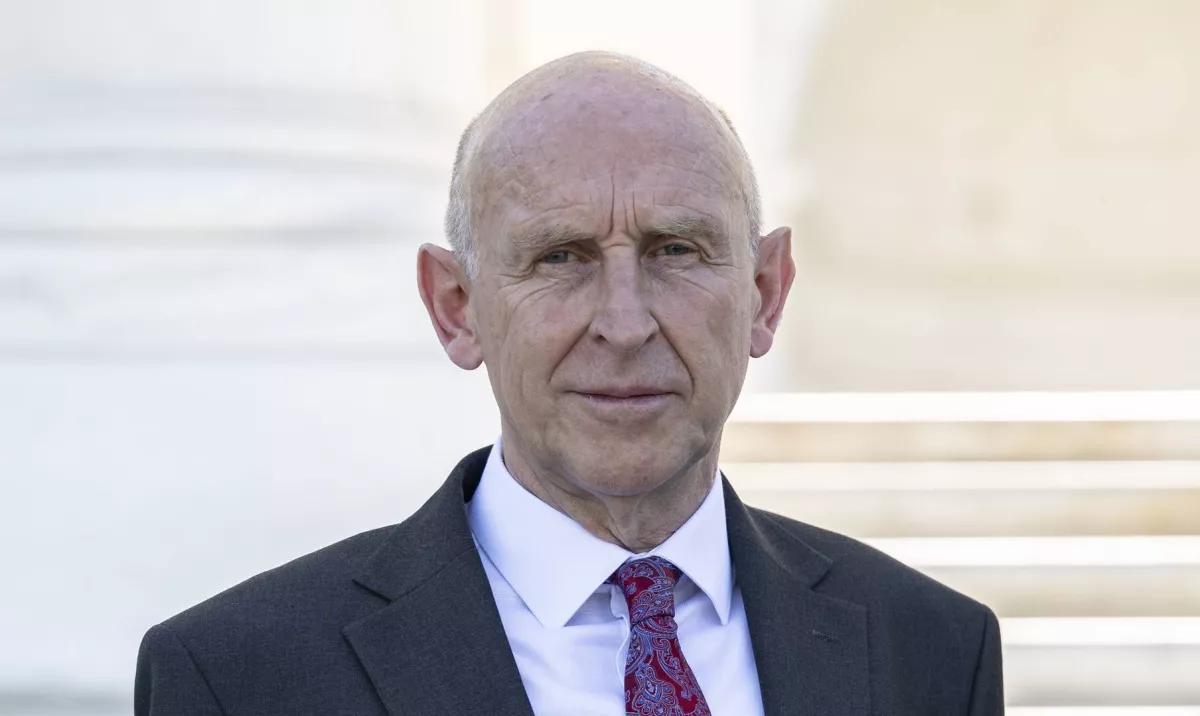
A similar move was made in June by UK Defence Secretary John Healey, who expressed dissatisfaction with the investment plan for the defence sector.
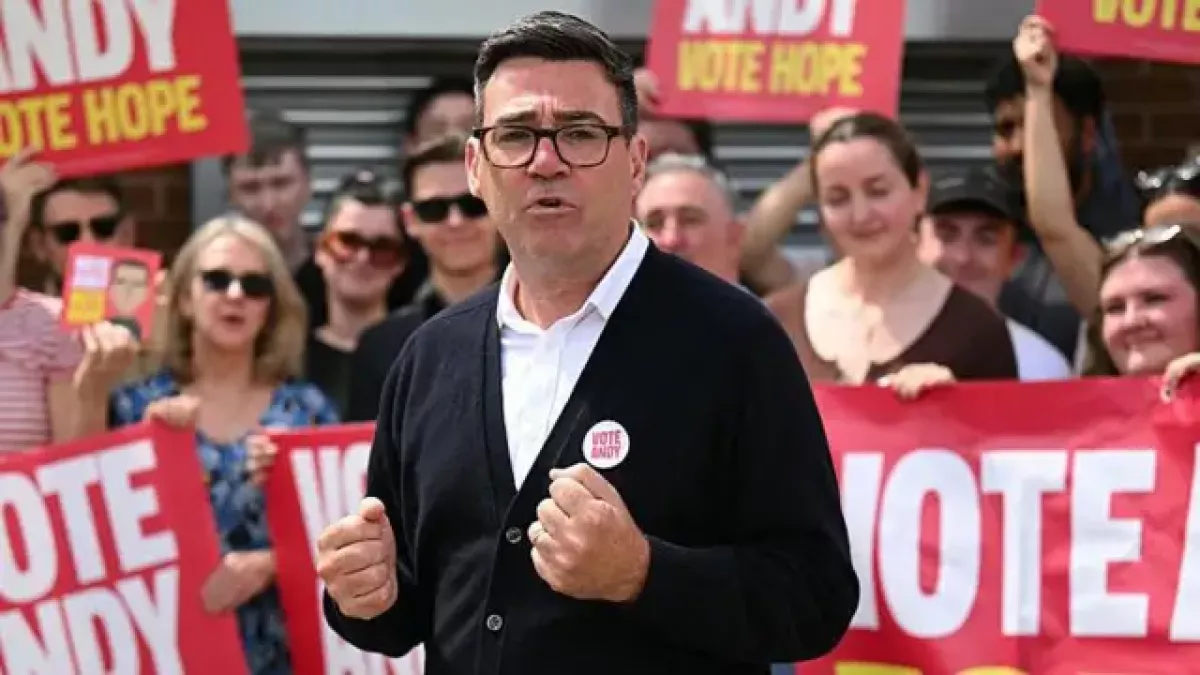
And as the “icing on the cake” for the British prime minister, the results of the June parliamentary by-election in the constituency of Makerfield effectively opened the way for Greater Manchester Mayor Andy Burnham to compete for the position of prime minister.
Thus, the clouds surrounding Starmer’s political future continue to gather. Analysts of all kinds will undoubtedly continue to debate the reasons behind these developments for a long time, but once again, it becomes clear how important it is for any political leader to address the country’s domestic problems effectively above all.
Despite his pre-election promises to address domestic economic and social issues, Starmer devoted a significant amount of time to international affairs. This is quite understandable, as global geopolitical turbulence literally forced him to pay increased attention to foreign policy moves.
However, he failed to achieve any notable successes in foreign policy either. The British star, which had always shone brightly on the world stage, has clearly begun to fade. This is especially true given that London’s individual steps, whether related to the war in Ukraine or the situation in the Middle East, did not play a significant role in global politics.
In addition, Starmer was unable to establish a stable line of relations with Washington, which also had a negative impact on his approval ratings. Moreover, some experts openly stated that a number of Starmer’s steps indicated his tacit, albeit unspoken, recognition of Trump’s global leadership. Although Trump spoke of the United Kingdom with respect, he nevertheless viewed it somewhat condescendingly.
Thus, according to many analysts, Starmer, much like German Chancellor Friedrich Merz and French President Emmanuel Macron, turned out to be far from the kind of European leader capable of shaping the global agenda.
This factor seriously undermined Starmer’s reputation, as he proved unable to achieve convincing results either in domestic or foreign policy.
Thus, as observers emphasise, the developments in the United Kingdom have become another confirmation that modern London, just like Paris and Berlin, no longer possesses the influence over global processes that has traditionally been associated with these capitals.







 editor@caliber.az
 +994 55 444-88-98
 Азербайджан, Баку, ул. Низами, 203, Af Business House, 5-й этаж