










Seoul in NATO's orbit: what does the new NATO agreement mean for South Korea? Analysis by Matanat Nasibova
Thanks to its strategic geographic location, high-tech economy, and one of the world's most advanced defense industrial bases, South Korea occupies a special place in NATO's strategy for expanding cooperation with countries across the Indo-Pacific and Asia-Pacific regions. As one of the world's leading producers of advanced military equipment, Seoul is becoming an increasingly valuable partner for the Alliance—not only in terms of defense industry cooperation, but in broader strategic respects as well.
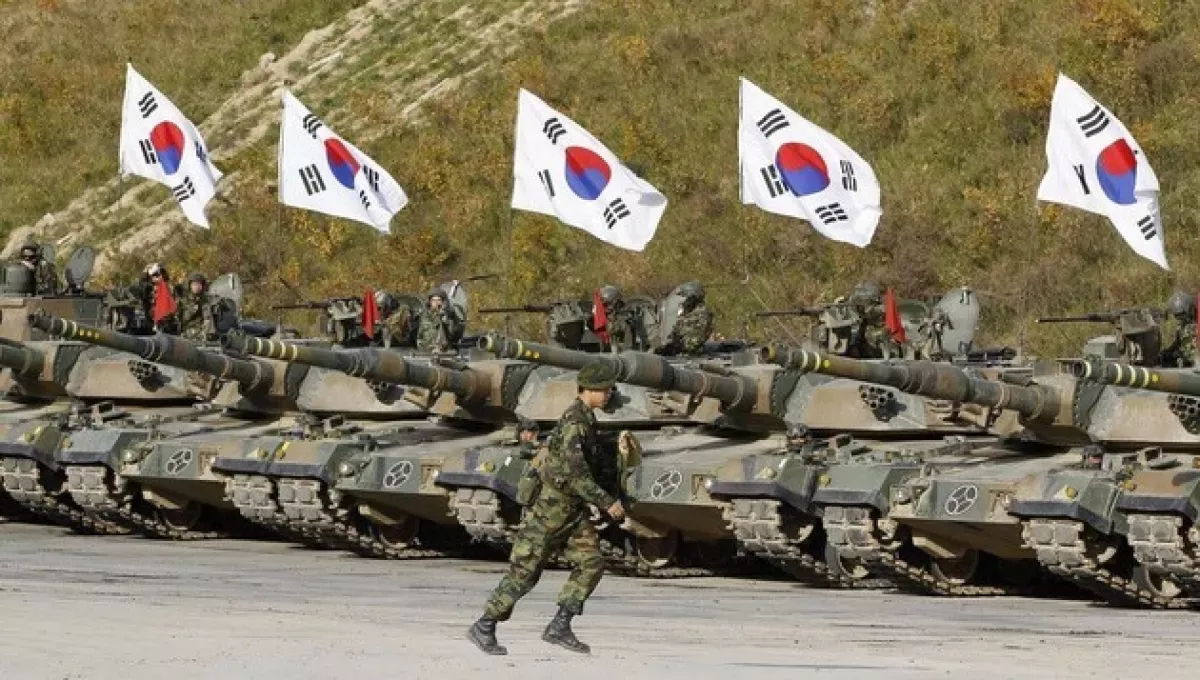
The above assessments are increasingly being borne out in practice. Speaking on the sidelines of the NATO summit in Ankara, South Korean National Security Adviser Wi Sung-lac revealed that Seoul and the Alliance have launched negotiations on a framework agreement that would grant South Korean companies access to NATO's defense procurement market, valued at approximately $9.9 billion.
This opens up a unique opportunity for Seoul to significantly strengthen its position as one of the Alliance's key arms suppliers. The move comes at a time when the global defense market is undergoing profound changes, driven by Washington's reassessment of its relationships with some allies, heightened tensions in the Middle East, and Europe's large-scale military rearmament efforts. Against this backdrop, South Korea's defense industry is emerging as an attractive alternative, offering advanced weaponry, relatively short delivery times, and competitive pricing.
Perhaps the clearest illustration of this trend is Poland, which has signed contracts with Seoul worth approximately $13.7 billion for the procurement of tanks, self-propelled howitzers, multiple launch rocket systems, and other military equipment. Deals of this scale demonstrate that South Korea is steadily cementing its status as one of the world's leading arms exporters, while cooperation with NATO is acquiring not only political but also substantial economic significance for Seoul.
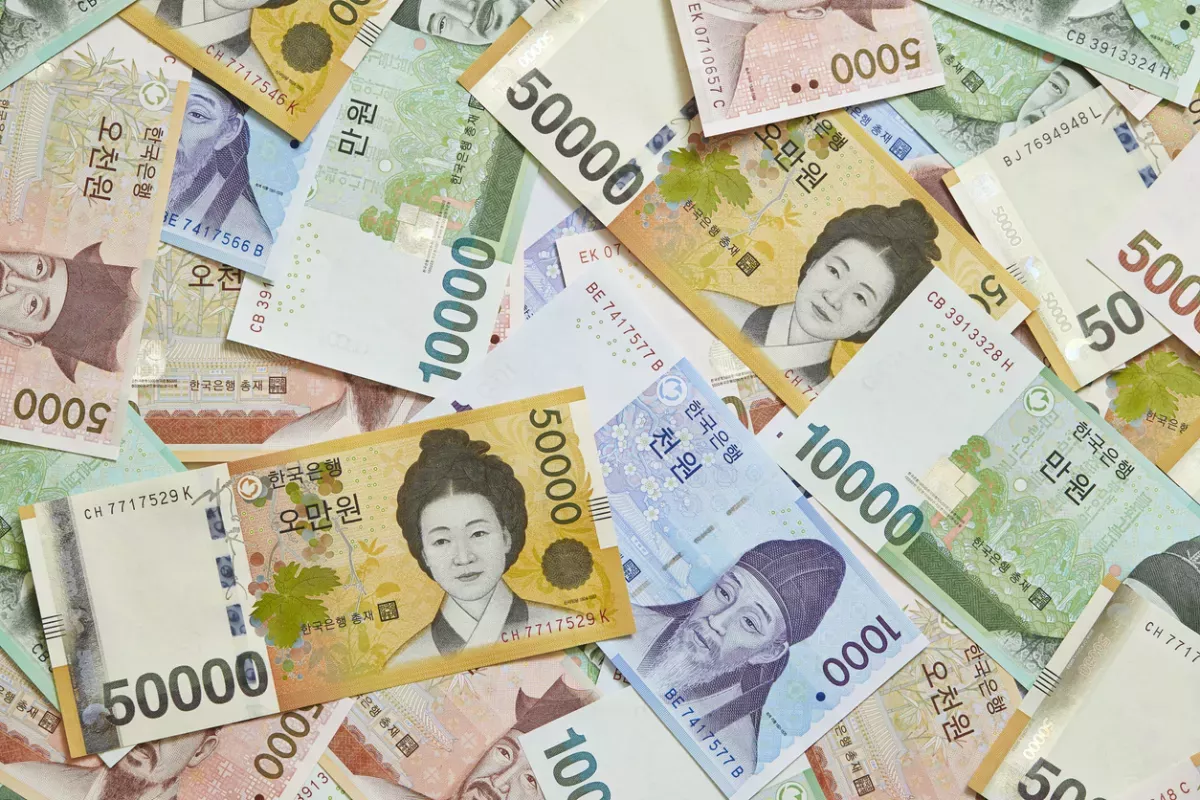
At the same time, Seoul continues to take steps to enhance the attractiveness of its economy for foreign investors. In June this year, South Korea launched 24-hour trading of its national currency as part of its efforts to secure developed market status under the MSCI classification. Although the country retained its emerging market designation following the latest MSCI review, these measures underscore the government's determination to strengthen the competitiveness of South Korea's financial system and reinforce the country's position in global capital markets.
Moreover, cooperation between NATO and South Korea extends far beyond economics and arms trade, increasingly becoming part of a broader strategy to strengthen security across the Indo-Pacific and Asia-Pacific regions. For Seoul, partnership with the Alliance offers an opportunity to bolster international political support, expand exports from its defense industry, and gain greater access to advanced technologies, intelligence, and new defense contracts. For NATO, meanwhile, South Korea represents a highly advanced technological partner capable of strengthening the Alliance's defense capabilities while reducing its dependence on a limited number of arms suppliers. These are the principal advantages of deepening bilateral cooperation.
However, this cooperation also has a downside, reflected in the reactions of China, Russia, and North Korea. For Beijing, South Korea's growing ties with NATO are inherently alarming, as they signal the West's expanding presence beyond the Alliance's traditional area of responsibility. Consequently, China has sharply criticized Seoul's closer engagement with NATO, viewing it as part of a broader strategy to establish an "Asian version of NATO." Beijing accuses the Alliance of fueling confrontation, promoting a "Cold War mentality," and interfering in the affairs of the Asia-Pacific region.
For example, when South Korea joined NATO's Cooperative Cyber Defence Centre of Excellence (CCDCOE), Chinese state media—most notably Global Times—portrayed the move as turning Seoul into a "pawn" of the United States. The outlet argued that the Alliance's cyber initiatives are aimed at containing both China and North Korea, warning that South Korea's integration into Western military networks could ultimately undermine its own economic and diplomatic interests.
Moreover, according to international analysts, if Seoul's partnership with NATO were to evolve into an explicitly anti-China coalition, Beijing would likely respond by further deepening its strategic alignment with Russia while expanding its support for North Korea in an effort to restore the regional balance of power.
For its part, Russia views NATO's expanding military cooperation with Asian partners as part of a broader strategy to extend Western influence into the Asia-Pacific region and as a direct threat to its own security. Russian officials argue that the Alliance has moved beyond its traditional regional boundaries and is seeking to project bloc-based thinking into Asia.
Moscow has also repeatedly warned Seoul over its participation in NATO-led initiatives to support Ukraine, stressing that any direct or indirect supply of South Korean weapons to Kyiv could permanently undermine prospects for dialogue on the Korean Peninsula. Russia has already designated South Korea as an "unfriendly country" and regards the growing integration of the South Korean defense industry into NATO's orbit as a direct challenge to its security interests in the Russian Far East.
As for North Korea, which has officially designated South Korea as its "number one enemy," Pyongyang fully aligns with Beijing in its assessment of the growing Seoul–NATO partnership. North Korean officials argue that closer ties are paving the way for the creation of an "Asian version of NATO" and have responded by intensifying their nuclear rhetoric.
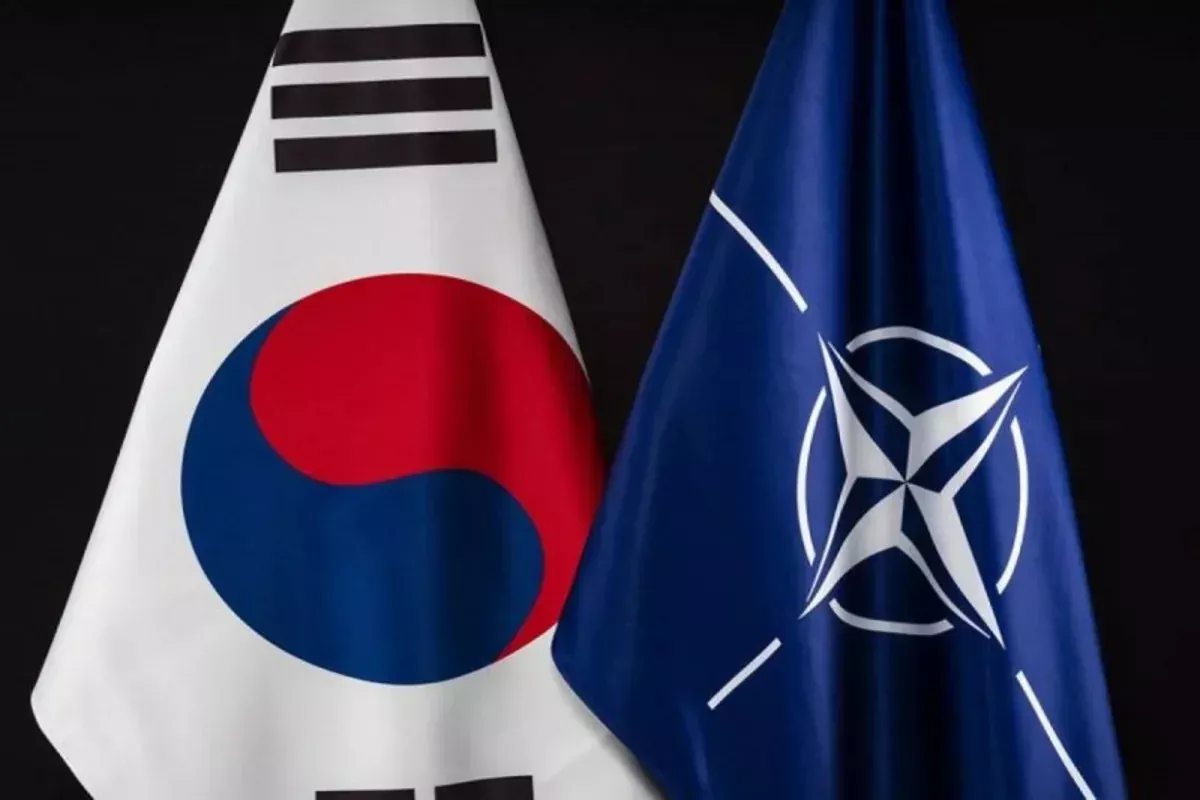
In light of the above, it can be argued with considerable confidence that deeper military cooperation between South Korea and NATO is likely to sharpen the geopolitical divide between the Western alliance on one side and China and Russia on the other. Rather than strengthening regional stability, this trend risks turning the Indo-Pacific and Asia-Pacific into yet another arena of strategic competition and prolonged geopolitical confrontation.







 editor@caliber.az
 +994 55 444-88-98
 Азербайджан, Баку, ул. Низами, 203, Af Business House, 5-й этаж