










South Caucasus in 2026: Era of peace and economic integration Article by EU Reporter
EU Reporter has published an article by Ukrainian political analyst Taras Kuzio, focusing on the outcomes of 2025 for the South Caucasus and forecasts for 2026. Caliber.Az offers its readers the most insightful parts of the piece.
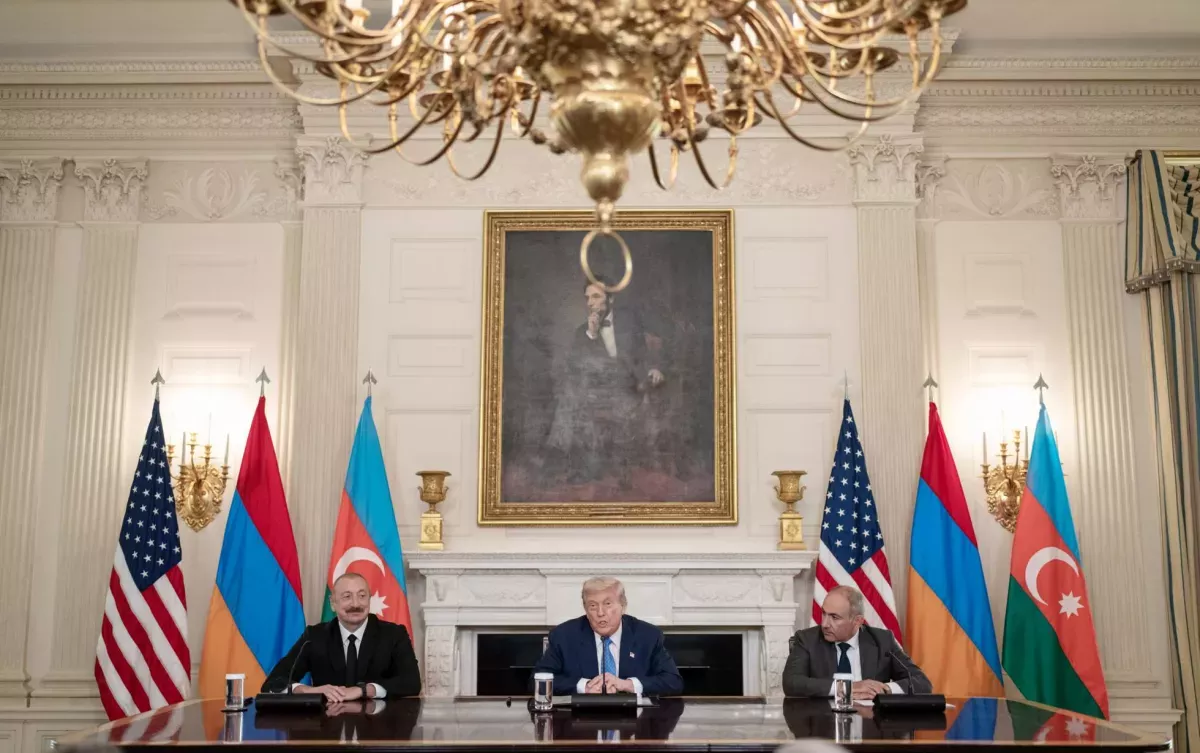
"The South Caucasus had a good year. The most bitter conflict that emerged during the disintegration of the USSR between Armenia and Azerbaijan was resolved with the signing of a peace agreement in the White House. Although US President Donald Trump presided over the signing, his input into the peace process was marginal at best.
Conflicts in Moldova, Georgia and Chechnya had also broken out three decades ago, but that between Armenia and Azerbaijan was the most intractable.
After its victory in the 1988-1994 First Karabakh War, Armenia occupied a fifth of Azerbaijan for nearly three decades that was ethnically cleansed of its Azerbaijani inhabitants.
Armenia relinquished its expansionist project of a “Greater Armenia” only after the territory it was occupying was taken back by Azerbaijan in 2020 and 2023.
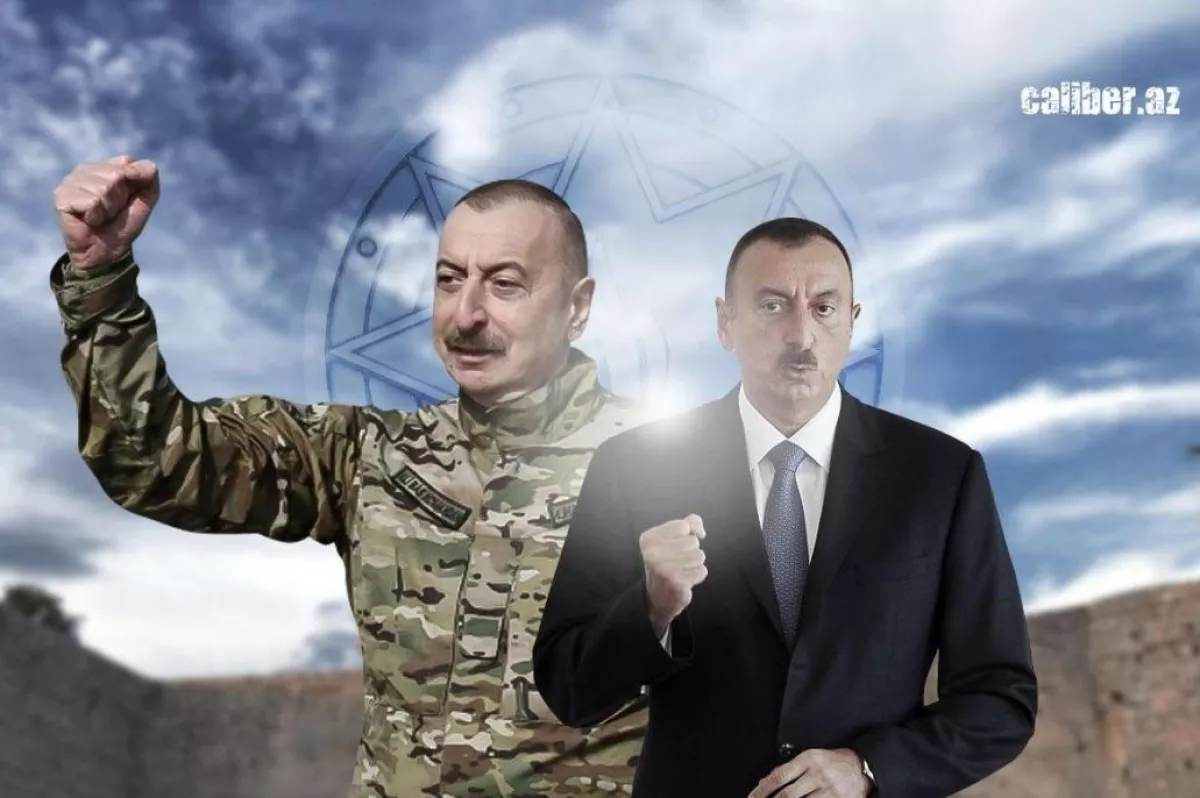
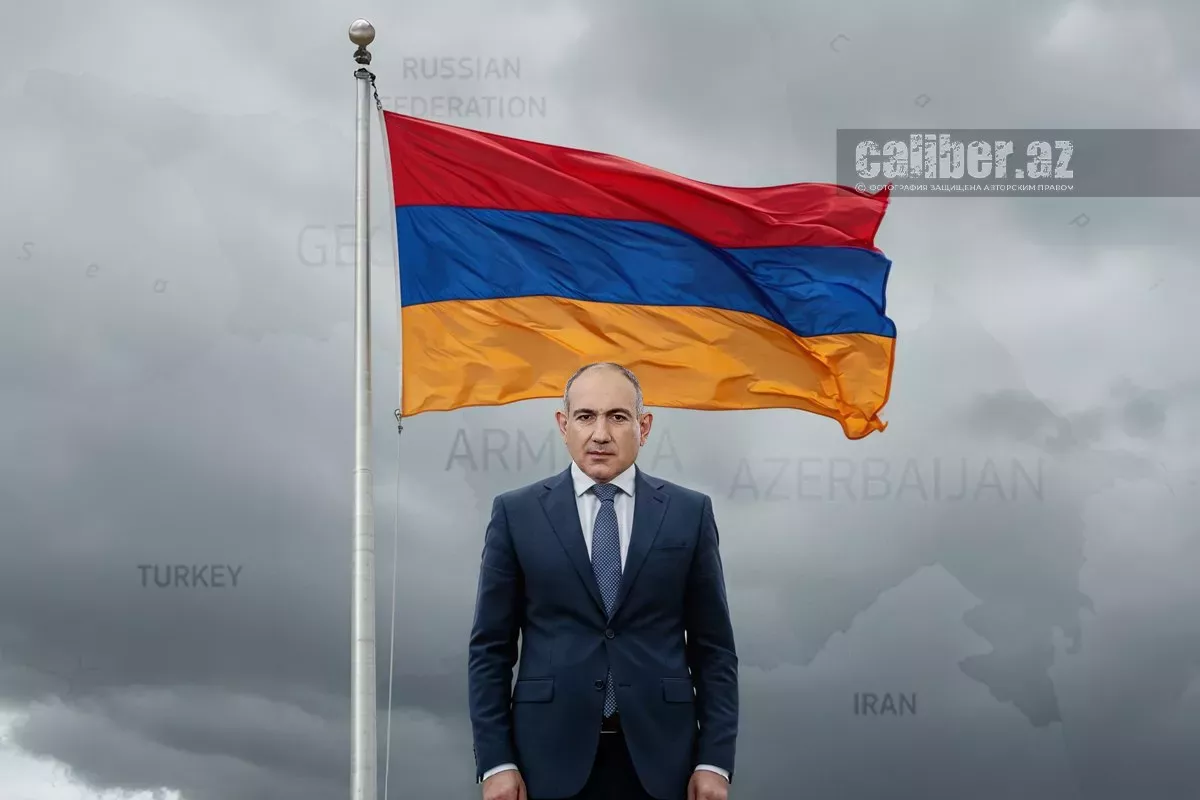
Armenian Prime Minister Nikol Pashinyan, opposed by angry Armenian nationalist, the Armenian diaspora, and the Armenian Apostolic Church, declared that Armenia must accept that its international borders are those Armenia possessed as republican boundaries in the USSR. This represented a major shift from Armenian nationalism and was central to his government's drive for a peace agreement with Azerbaijan and the normalisation of relations with Türkiye.
Pashinyan argued that pursuing “historical Armenia” has only led to conflict. He also realised that as long as Armenia was isolated, it would have to remain within Russia’s sphere of influence. A peace agreement would therefore open the door to lessening Armenian ties with Russia and renewing integration into Europe.
The signing of a peace agreement in the White House opened the door to a resolution of the Zangezur Corridor that travels 42 kms from Azerbaijan through Armenia’s Syunik province to the Azerbaijani province of Nakhchivan. The US brokered its resolution with the creation of the Trump Route for International Peace and Prosperity (TRIPP) that would bypass Iran and reduce Russian influence. Increased economic integration and trade will come from the restoration of road, rail, and pipeline links.
Armenia is set to benefit from joining Azerbaijan, Türkiye and Georgia in the international transportation of oil and gas through the South Caucasus.
Russia and Iran are spoilers. They both do not wish to see a reduction in their influence in the South Caucasus at the expense of the United States and Europe.
Russia and Iran are anti-American. Russia views the war in Ukraine as a proxy war against the West, with Ukraine a US puppet state. Iran’s theocratic regime has always been hostile to the ‘great Satan’ – the USA, especially after Trump supported Israel and launched attacks against Iranian nuclear facilities.
With a large diaspora in the US, anti-Americanism is unpopular in Armenia. Anti-Americanism is also a non-starter in Azerbaijan.
The Kremlin is heavily preoccupied in fighting a large war in Ukraine, and its influence in and ability to cajole Eurasian states is in decline.
Following Azerbaijan’s lead, Kazakhstan is launching military reforms that include a $1 billion project to build four new factories producing NATO-standard artillery and mines.
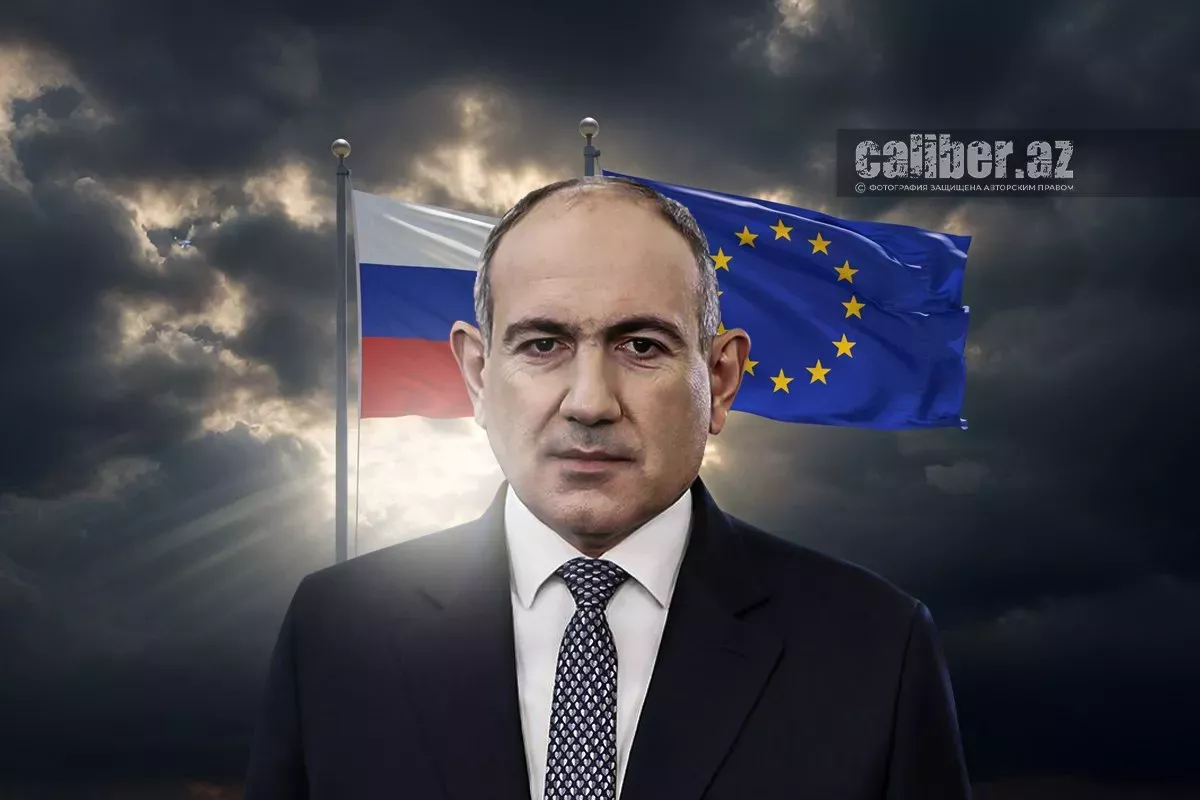
Russia does, though, have leverage over Armenia in its membership of the moribund CSTO (Collective Security Treaty Organisation) and Eurasian Economic Union (EaEU). In 2013, Russia successfully pressured Armenia to drop its signing of an Association Agreement with the EU and instead join the EaEU.
Adopted in December 2025, the Strategic Agenda for the EU-Armenia Partnership is an overly ambitious plan to deepen cooperation.
Will the EU’s enhanced cooperation with Armenia strengthen the path to peace in the South Caucasus or lead to Azerbaijan’s marginalisation from Europe?
The EU-Arm document contains references to the Karabakh conflict. It is unfortunate, as this conflict was a Russian instrument of control.
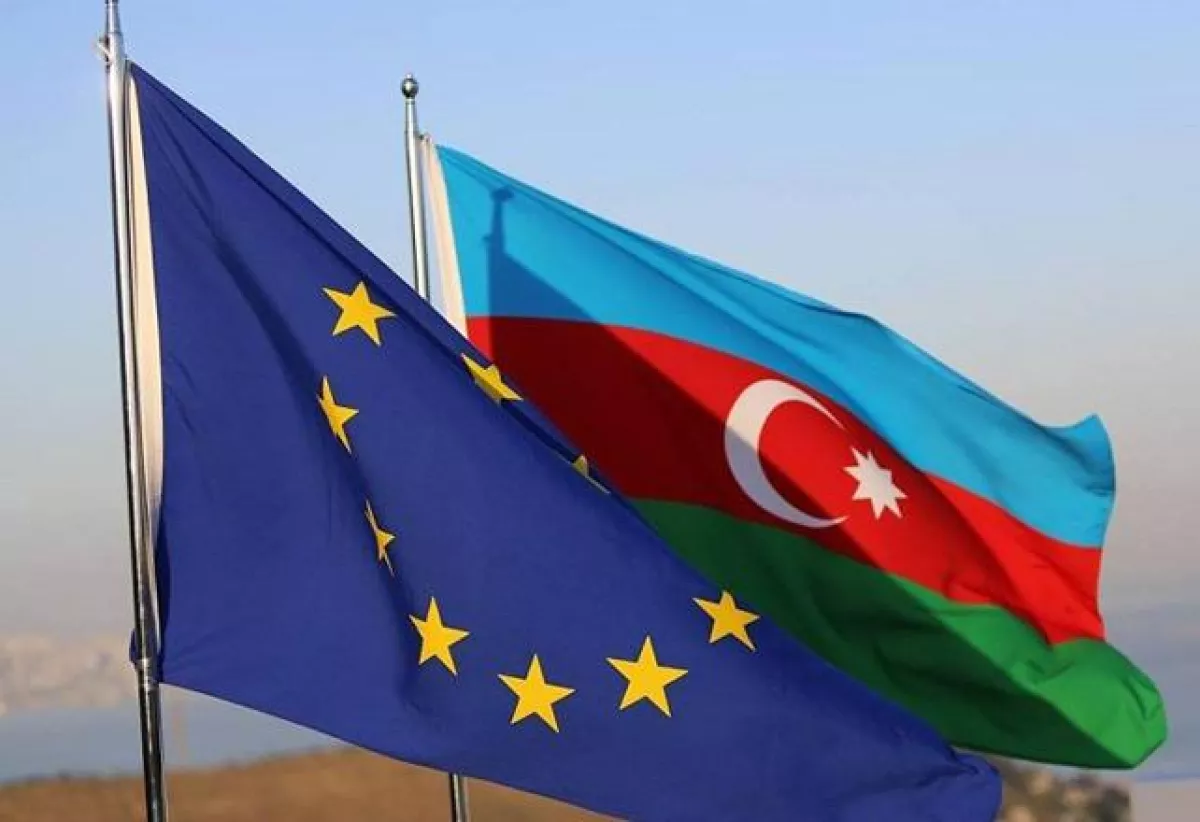
Meanwhile, despite its importance to Europe’s energy security, Azerbaijan is largely ignored by the EU. Armenia is alone in benefiting from EU assistance. Nearly one million Azerbaijanis were removed or fled from Armenia and occupied Azerbaijan in the early 1990s, and their housing and social needs have only been met by the Azerbaijani government. The Strategic Agenda for the EU-Armenia Partnership only talks of ‘addressing the needs and supporting the socio-economic inclusion of Karabakh Armenians displaced following Azerbaijan’s military operation’ and ‘the social inclusion of women and girls and persons in vulnerable situations, such as Karabakh Armenians.’
Peace has descended upon a strategically important region – the South Caucasus - which experienced the greatest conflict. In 2026, Armenians and Azerbaijanis will build on their peace agreement to increase trade and expand Armenia’s security with Europe and Azerbaijan's with the Turkic World,” Taras Kuzio wrote.







 editor@caliber.az
 +994 55 444-88-98
 Азербайджан, Баку, ул. Низами, 203, Af Business House, 5-й этаж