










Türkiye reveals early findings on C-130 crash at Georgia–Azerbaijan border PHOTO
Türkiye’s Ministry of National Defence has released its initial findings into the crash of a C-130 military transport aircraft that went down near the Georgia–Azerbaijan border on 11 November 2025, killing 20 personnel.
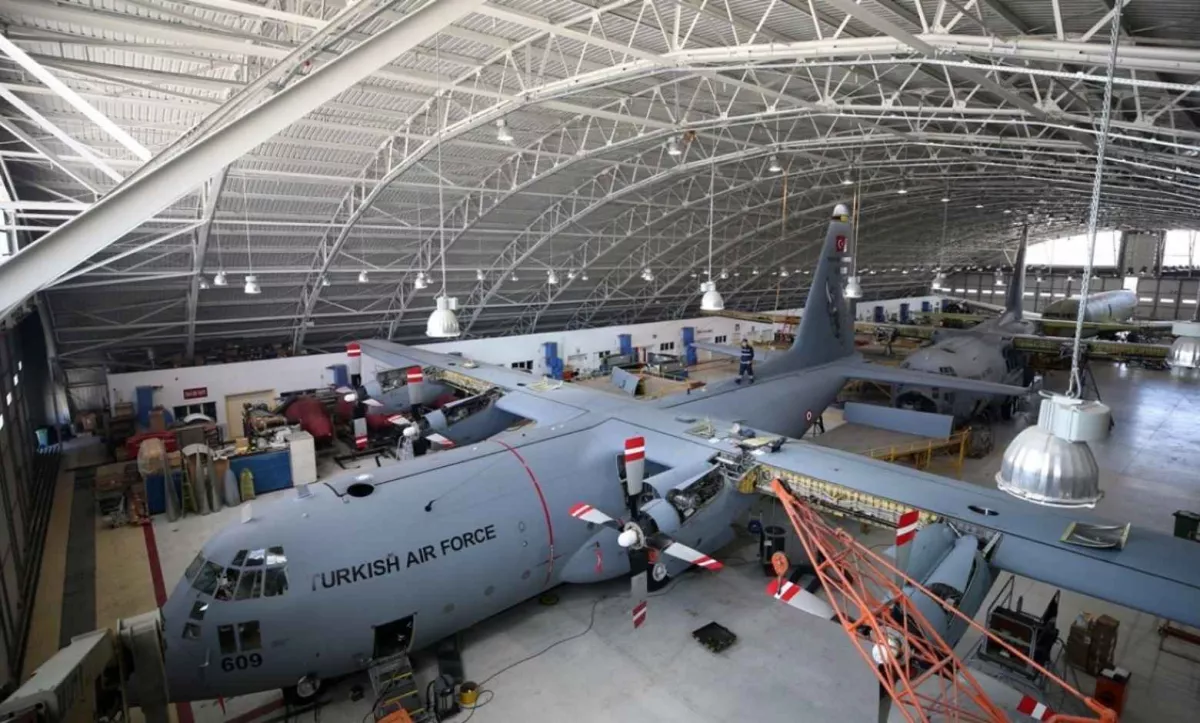
In a statement, the ministry said technical investigations led by the Air Force Command are ongoing, both at the crash site in Georgia and at the 2nd Air Maintenance Factory Directorate in Kayseri, where the wreckage was transferred for further analysis.
The inquiry is being conducted in coordination with multiple institutions, including the 1st Air Maintenance Factory Directorate in Eskişehir, the 12th Air Transport Main Base Command, Turkish Aerospace Industries (TUSAŞ), the Mechanical and Chemical Industry Corporation (MKE), and specialist units from the Gendarmerie General Command.
No prior malfunction detected
Analysis of the aircraft’s Flight Data Recorder (FDR) indicates that, up to the moment of the incident, both the aircraft systems and cockpit communications were operating normally, with no anomalies recorded. Investigators said the incident appears to have developed suddenly.
The FDR recording ceased when the aircraft’s tail cone section separated from the fuselage, severing power and data cables. As a result, no additional data clarifying the cause of the crash was captured.
Engines and propellers functioned normally
Detailed examinations of the aircraft’s engines and propeller systems found no evidence of malfunction prior to the crash. Investigators also ruled out structural damage caused by propeller detachment.
No evidence of explosion
Forensic analysis conducted by the Gendarmerie’s criminal department found no traces of explosive materials, either internally or externally, in samples taken from the wreckage.
Structural analysis ongoing
Metallurgical studies of structural components are continuing. Preliminary findings suggest that fractures did not originate from fatigue. However, material testing indicates brittle behaviour under stress. Full reports on fracture analysis are still pending.
Media claims rejected
The ministry dismissed reports suggesting the involvement of nitrogen cylinders, stating that the aircraft instead carried two 19 kg fire extinguishers containing non-flammable Halon gas. These were recovered intact from the wreckage with no signs of impact damage.
Possible cause under review
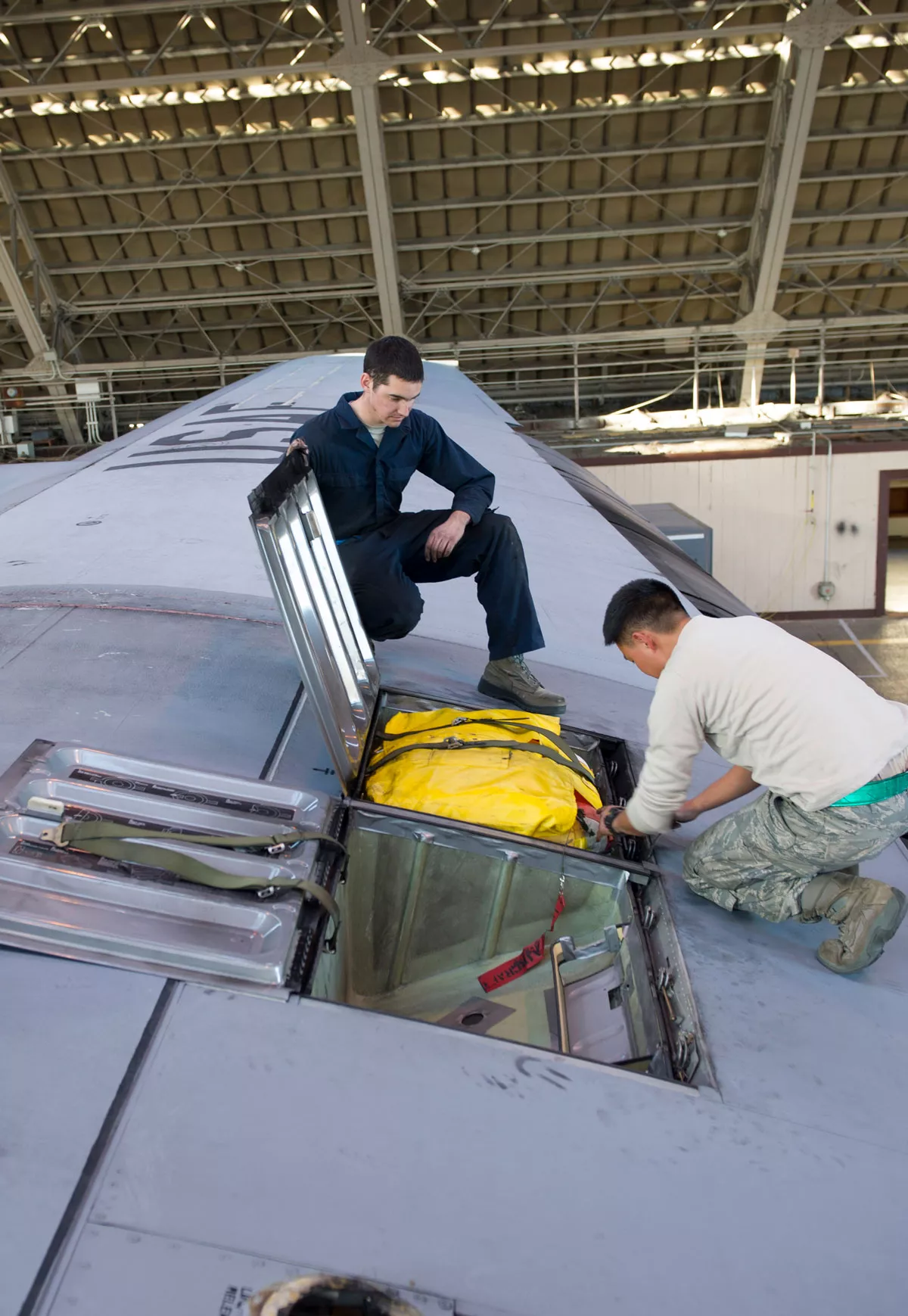
Investigators are examining a scenario in which a component mounted on the upper wing—along with a carbon dioxide cylinder—became dislodged and struck the left rear fuselage. This may have caused structural damage to the vertical and horizontal stabilisers, potentially leading to the crash.
Further laboratory testing is under way to confirm this hypothesis.
Focus on life raft system
Attention has also turned to the aircraft’s life raft system. On C-130 Hercules aircraft, inflatable life rafts are typically stored on the upper wing surface, behind the engines. In emergency water landings, they can be deployed either from the cockpit or manually, inflating automatically upon release.
Each raft can typically accommodate between 20 and 33 people, with higher capacity possible in overload conditions.
Final report pending
The ministry urged the public to disregard speculative or misleading claims not based on official statements, adding that a final report will be published transparently once all investigative processes are complete.
By Aghakazim Guliyev







 editor@caliber.az
 +994 55 444-88-98
 Азербайджан, Баку, ул. Низами, 203, Af Business House, 5-й этаж