










Azerbaijan and Turkmenistan elevate strategic partnership Caspian brotherhood deepens
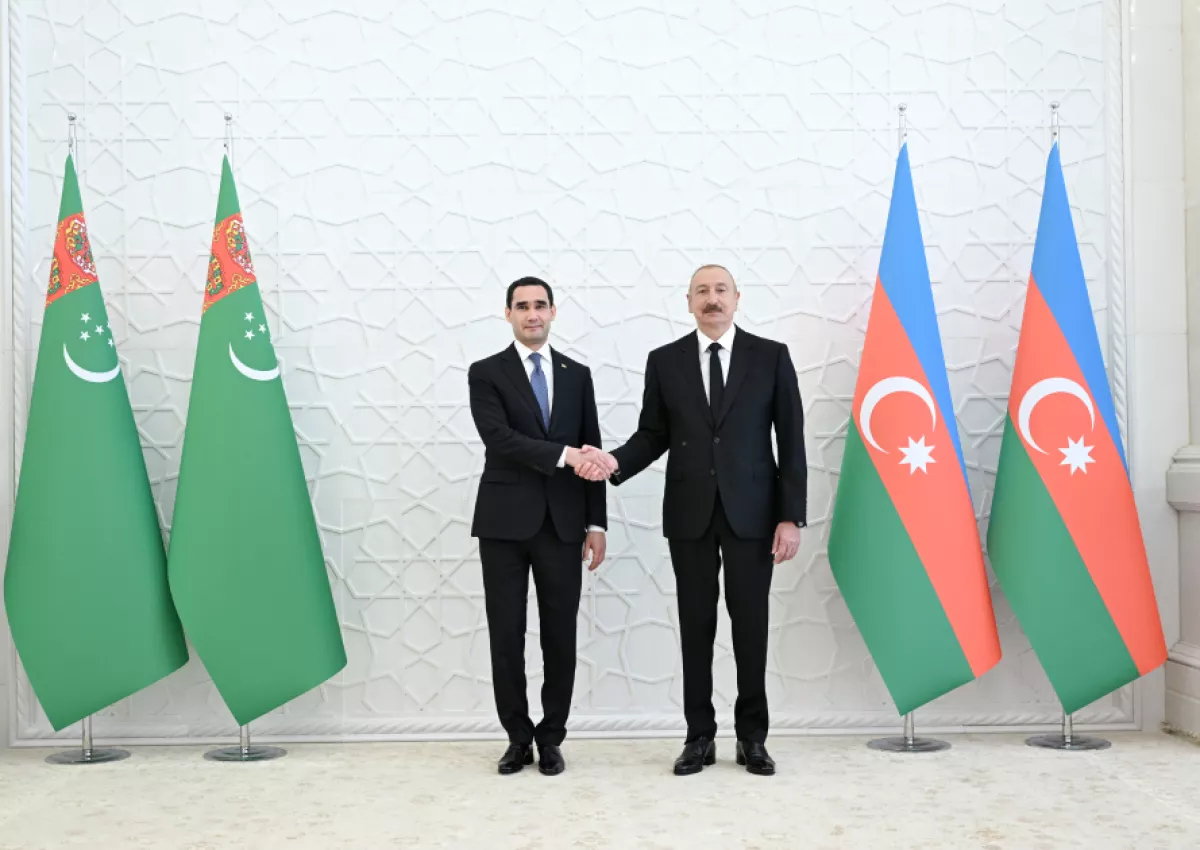
Against the backdrop of geopolitical conflicts in Eastern Europe and the Middle East, the states of the Caspian region are steadily strengthening cooperation in both multilateral and bilateral formats. The core of the integration vector remains energy and transport-logistics projects, including those on the Azerbaijan–Turkmenistan track. A logical continuation of this trend was the state visit of the President of Turkmenistan, Serdar Berdimuhamedov, to Azerbaijan.
During meetings between the head of the Turkmen state and President Ilham Aliyev, prospects for business partnership were discussed, and the leaders of the two countries also took part in a ceremony marking the transfer to Turkmenistan of the oil tanker Dostlug, built at the Baku Shipyard.
For many years, Baku has been building highly productive business cooperation with Ashgabat, both in a bilateral format and within the framework of the Organization of Turkic States (OTS) and other international and regional structures. This partnership is based on mutually beneficial trade relations, the stable trans-Caspian transshipment of hydrocarbons, mineral, agricultural and other raw materials, as well as joint efforts to expand the port infrastructure of the Middle Corridor.
Since 2021, Baku and Ashgabat have implemented gas swap projects, participated in initiatives for the prospective trans-Caspian transit of “green” electricity, and the laying of a submarine optical internet cable, while also expanding cooperation in shipbuilding and renewable energy (RES).
The visit of the President of Turkmenistan to Azerbaijan marks another milestone in strengthening friendly relations between the two states and expanding business cooperation. In his statement to the press, President Ilham Aliyev noted that during the talks, both in expanded format and one-on-one, many issues of bilateral cooperation were discussed and further ways of developing relations between the two countries were outlined.
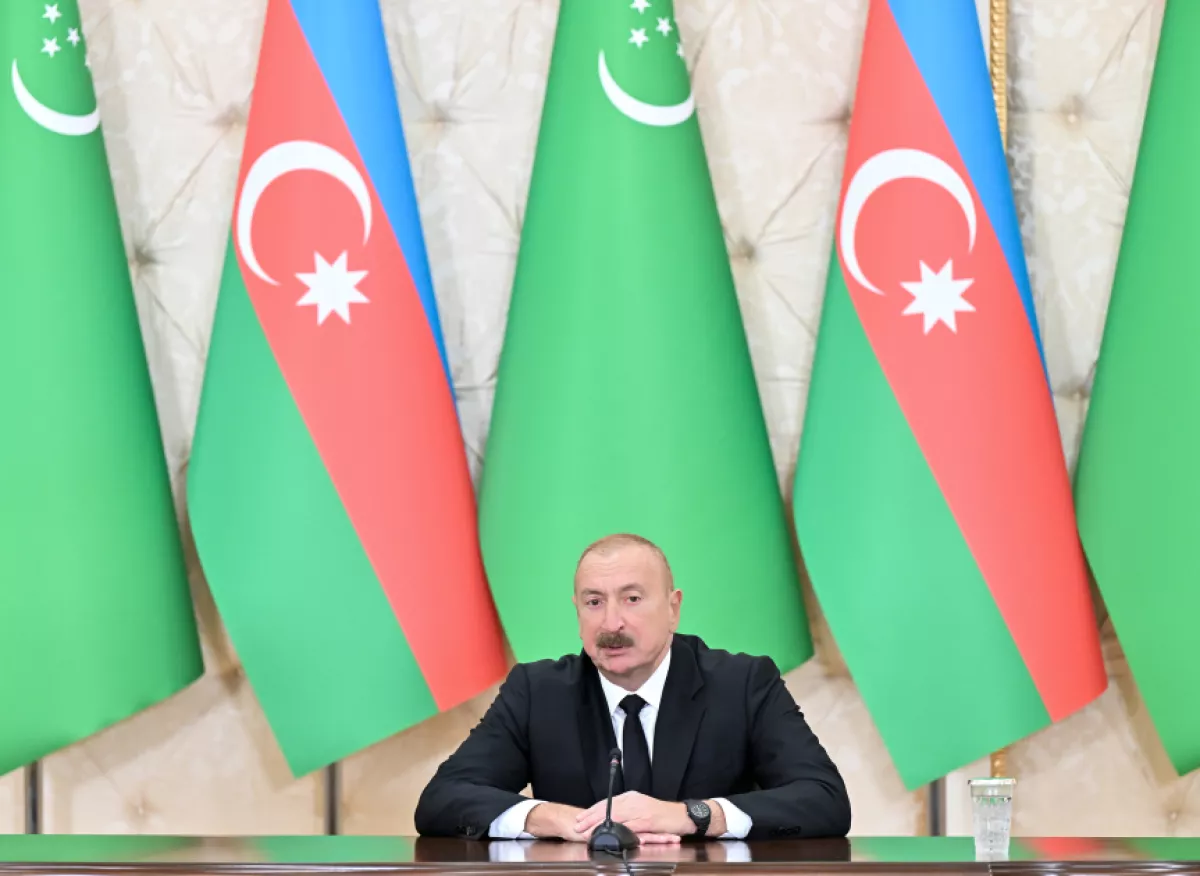
“I would like to once again express my gratitude to the Turkmen side for their active support for Azerbaijan’s accession as a full member of the Consultative Meeting of Heads of State of Central Asia. I regard this event as historic. Although we are not geographically part of Central Asia, our cultural and historical ties, as well as the practical issues we are addressing today regarding regional connectivity and transport-logistics cooperation, naturally create the prerequisites for considering the broader Central Asian region as a single geopolitical and geo-economic space,” said the Head of the Azerbaijani state.
President Aliyev also emphasised the need to expand cooperation in the transport and logistics sector, which is of strategic importance not only for the countries of the region but also for a wider geography, as there are currently not many reliable and secure transport routes in the world that connect countries cooperating with each other.
“We have agreed to deepen coordination in the transport and logistics sphere in order to increase cargo flows — which are already growing as a result of our joint efforts — and to attract cargo from third countries. Therefore, this area will remain one of the priority directions of both bilateral and multilateral cooperation,” he said.
Ilham Aliyev expressed confidence that members of the Turkmen delegation would hold productive discussions with their Azerbaijani counterparts during the visit, and recalled that after detailed elaboration, the instructions considered at the current meeting in Baku would be placed on the agenda of the Intergovernmental Commission, which will be held next month in Turkmenistan.
Particular attention is drawn to the significance of the documents exchanged during the visit of the Turkmen leader. In particular, at the ceremony of exchanging documents signed between the Republic of Azerbaijan and Turkmenistan, the heads of state signed a Joint Statement. Subsequently, the heads of relevant agencies exchanged protocols and memoranda on cooperation.
Among these documents, it is important to highlight the Programme of Cooperation in Industry for 2026–2028, agreements on cooperation in the energy sector and on the main directions of developing and deepening economic cooperation, memoranda of understanding between the ministries of agriculture of the two countries, between the Central Bank of Azerbaijan and the Ministry of Finance and Economy of Turkmenistan, a protocol on cooperation in the field of customs statistics of mutual trade, as well as “Technical Specifications for the initial exchange of information on goods and vehicles transported between the Republic of Azerbaijan and Turkmenistan.”
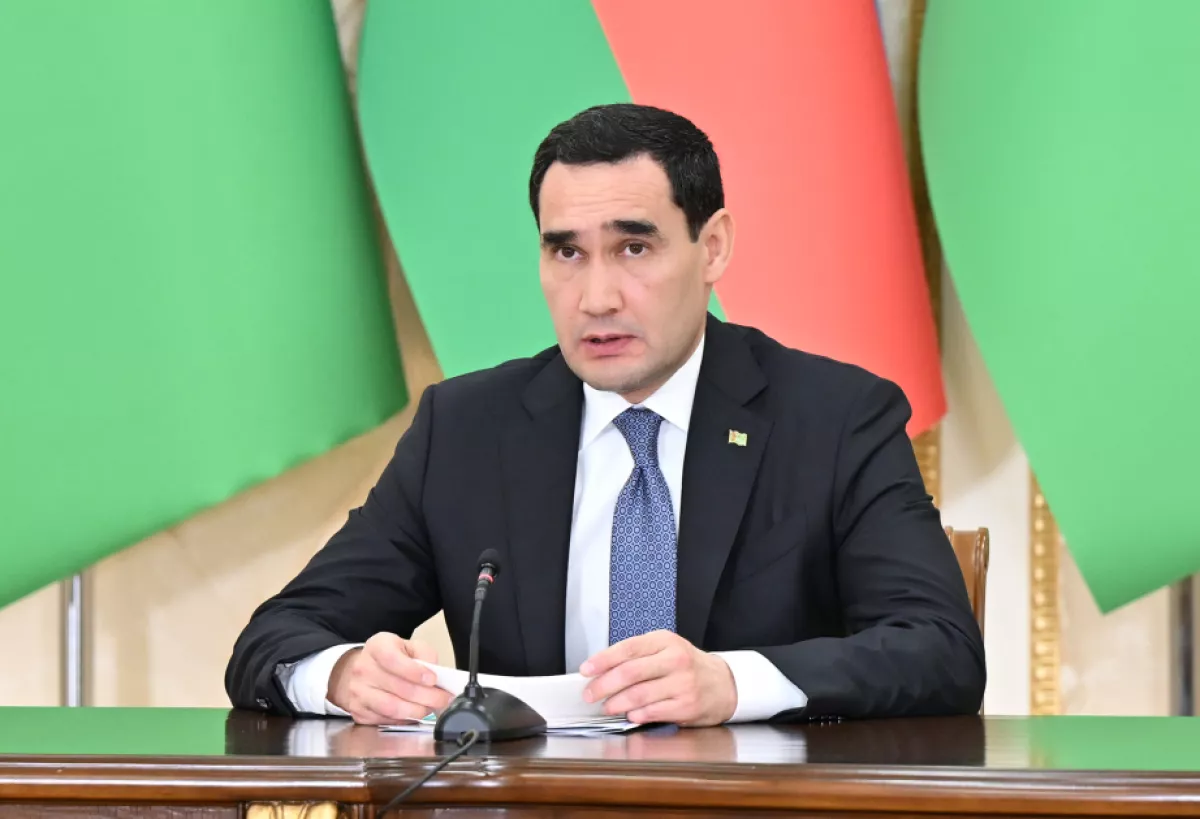
For his part, Serdar Berdimuhamedov, in his statement to the press, highly praised his visit, noting that cooperation between Turkmenistan and the Republic of Azerbaijan will develop across all key areas, as this serves the long-term interests of both countries and their peoples.
The Head of Turkmenistan also stated that among the priority areas are energy, transport, the chemical and textile industries, and several other sectors. He noted that an agreement had been reached on close cooperation in developing transport and transit corridors along the East–West route through the territories of both countries.
In this regard, it should be noted that during the expanded-format meeting it was emphasised that the favourable geographical location of Turkmenistan and Azerbaijan creates important advantages for the development of international transport corridors and opens up strong opportunities for economic, trade, and investment cooperation.
In this context, Serdar Berdimuhamedov proposed further intensifying the activities of the Turkmen–Azerbaijani Commission on Transport, Transit and Logistics. Stressing that the Afghanistan–Turkmenistan–Azerbaijan–Georgia–Türkiye transport corridor is an example of successful cooperation, he stated that the two countries support the initiative to establish the Caspian Sea–Black Sea transport corridor along the Turkmenistan–Azerbaijan–Georgia–Romania route.
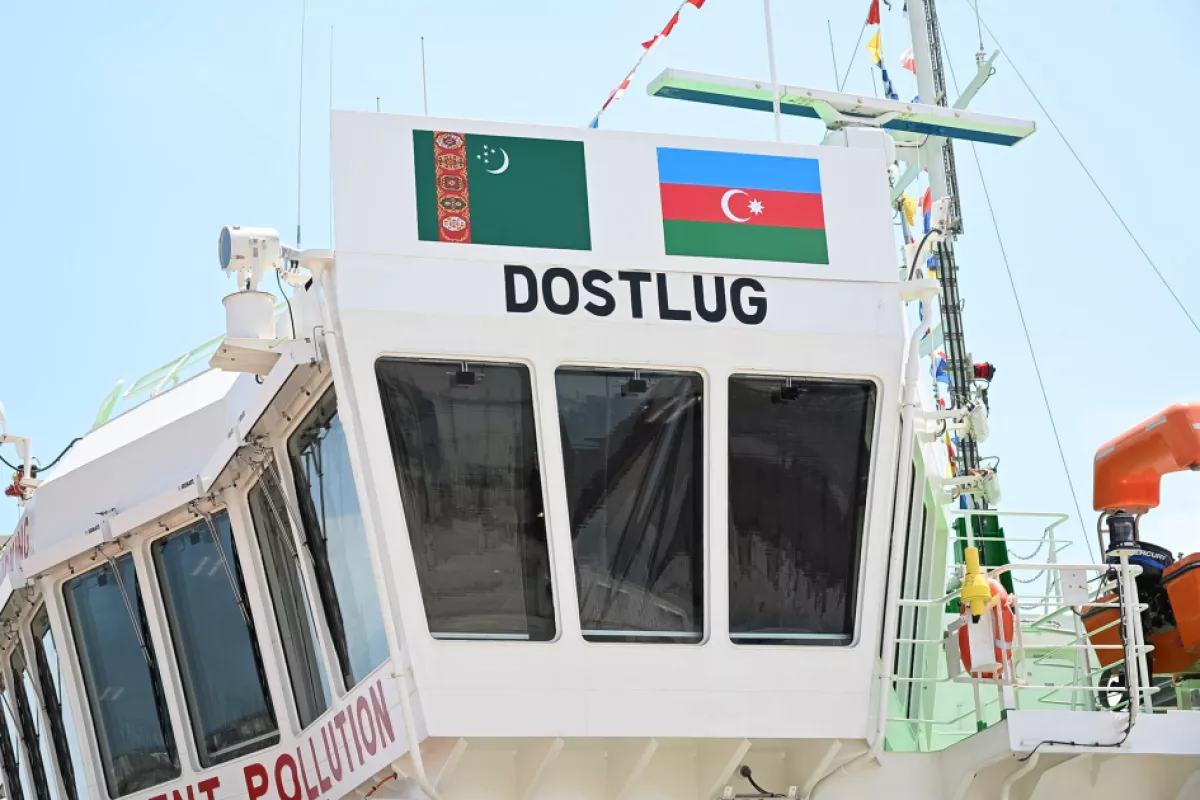
The President of Turkmenistan also expressed gratitude for the oil tanker Dostlug presented to his country as a gift, stressing that the Turkmen side regards it as a symbol of fraternal relations between the two states, and expressed confidence that this step would contribute to the prosperity of both countries and serve as further confirmation of their successful cooperation.
It should be recalled that, with the participation of the presidents of the two countries in an online format, a ceremony was held for the transfer to Turkmenistan of the oil tanker Dostlug, with a deadweight of 7,875 tonnes and a draught of 4.54 metres, built at the Baku Shipyard.
In this context, it is worth noting that cooperation between Baku and Ashgabat in the shipbuilding sector is becoming an important component in the development of trans-Caspian transshipment. By expanding the logistics potential of the Middle Corridor, the two countries are increasing fleet tonnage to support growing cargo turnover.
An important step in this direction was the arrival on May 12 this year at the Alat Port of the cargo vessel Gadamly, built at the Turkmen Balkan Shipyard for the order of Azerbaijan Railways CJSC. The 6,100-tonne cargo vessel is capable of carrying 240 standard 20-foot containers (TEU), and it will be used in container transportation between the ports of Baku and Turkmenbashi.
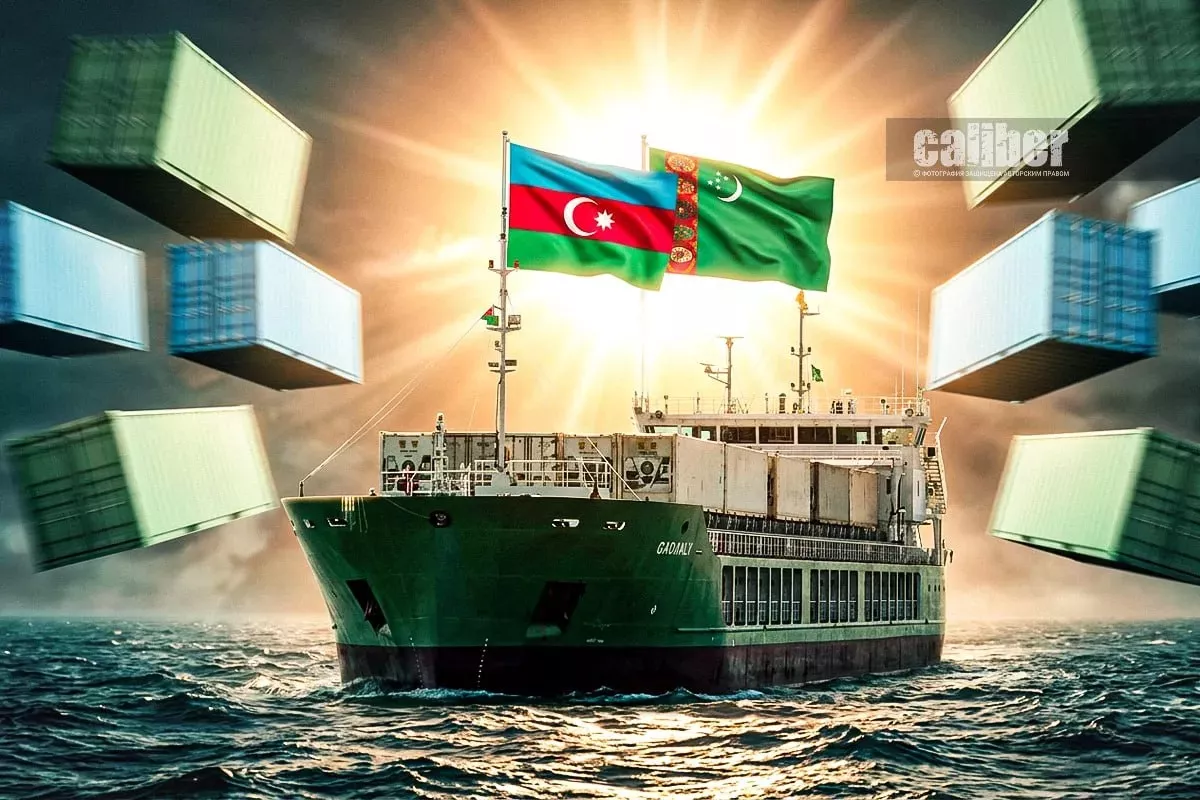
With growing demand for cargo transshipment, cooperation between the two countries in maritime transport and shipbuilding is set to expand further. Azerbaijan and Turkmenistan are ready to cooperate in the transshipment of non-oil cargo, including within transport routes such as Lapis Lazuli and CASCA+.
Thus, in order to diversify cargo transshipment, including container flows, a decision was made last year to redirect part of the Trans-Caspian International Transport Route (TITR) traffic to Turkmenistan. For this purpose, feeder container shipping operations along the Turkmenbashi–Baku–Turkmenbashi route have been launched since early 2023.
At the same time, Turkmenistan is actively using the capacities of Azerbaijani ports — Alat, Hovsan and Zira — for the transshipment of bulk cargo, particularly sulphur, carbamide, and ammonium nitrate fertilisers. Last year alone, around 1.1 million tonnes of fertilisers passed through the country’s ports.
Azerbaijani–Turkmen cooperation in logistics also includes joint projects on the digitalisation of freight transportation. In recent years, cross-border and customs procedures have been simplified, the two countries have acceded to the UN protocol on the electronic consignment note (e-CMR), and tariffs for maritime and railway services have been reduced, contributing to the growth of multimodal freight transport, including transit container transshipment.
Thus, Azerbaijan and Turkmenistan are cooperating across a broad range of sectors, and given the issues and topics discussed during the state visit of President Serdar Berdimuhamedov to the country, Azerbaijani–Turkmen cooperation will continue to expand, potentially covering an ever-widening range of areas.







 editor@caliber.az
 +994 55 444-88-98
 Азербайджан, Баку, ул. Низами, 203, Af Business House, 5-й этаж