










Constructivism in Baku: The 1 May Club as an icon of an era A historical overview on Caliber.Az
Baku is famous for its many beautiful buildings that reflect a variety of architectural styles and historical periods, thanks to which the city’s appearance harmoniously combines Eastern traditions, European classicism, Art Nouveau, Constructivism, and examples of Soviet modernism, creating a unique and multilayered urban environment.
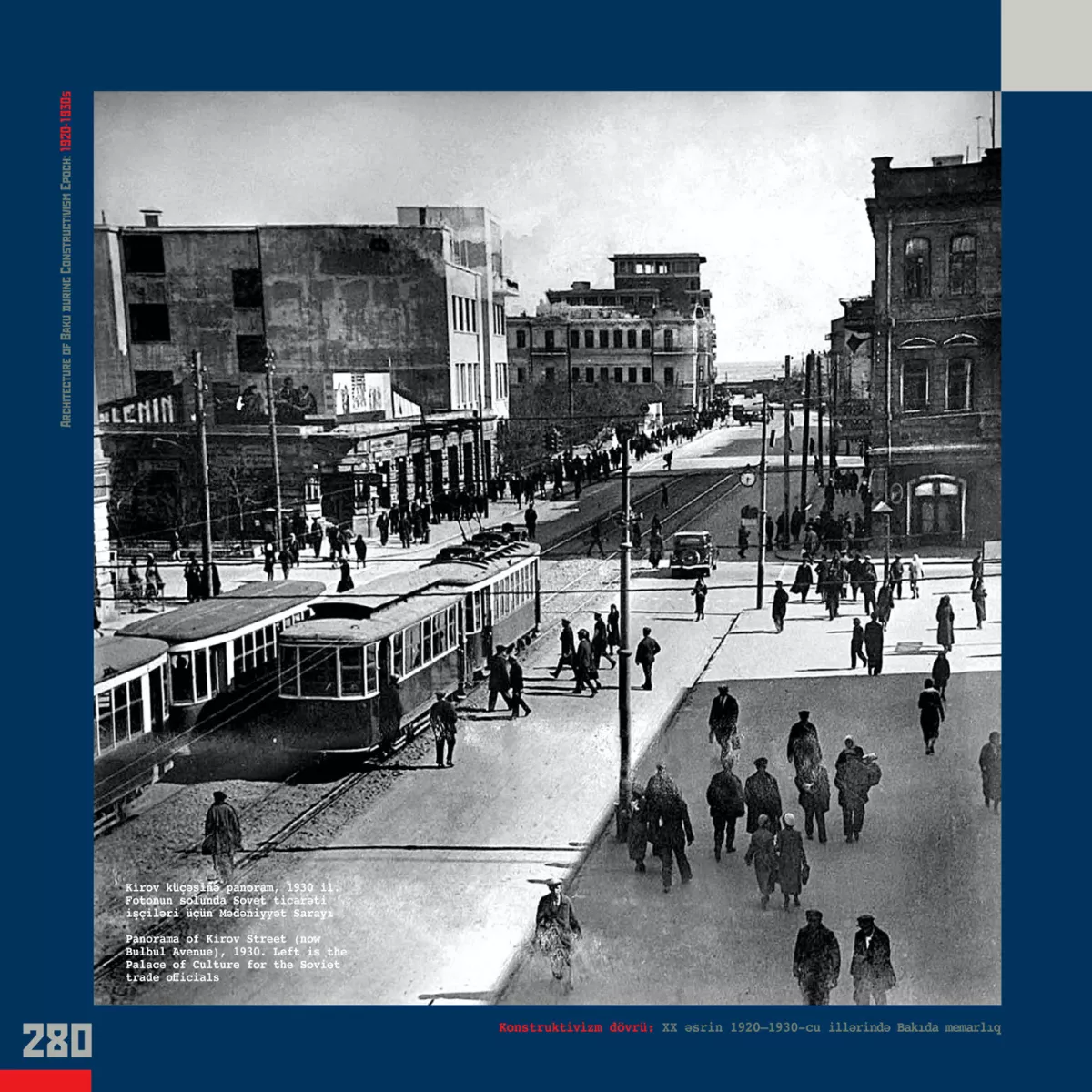
One of the most striking movements was Constructivism — the leading style of Soviet architecture in the 1920s–1930s, reflecting the desire for renewal and the creation of a new social reality. It was characterized by strict lines, geometric forms, simplicity of expressive means, and a pronounced monolithic sense of volume. Architects deliberately avoided excessive decoration, favoring functionality and a clear logic of space.
In this spirit, public buildings, communal houses, clubs, factory-kitchens, and dormitories were constructed in the city, embodying ideas of rational organization of daily life and the collectivist values of the time. This movement also held a special place in the architectural history of Baku, which during those years was rapidly developing as an industrial center. Against the backdrop of the oil boom and active urban planning policies, the city saw the emergence of striking examples of new architecture that harmoniously integrated into its existing environment.
Constructivist buildings in Baku became a symbol of modernization, merging technological progress with artistic expressiveness. It was in this context that the city’s unique appearance was formed, where avant-garde ideas harmoniously coexisted with traditional and eclectic architecture.
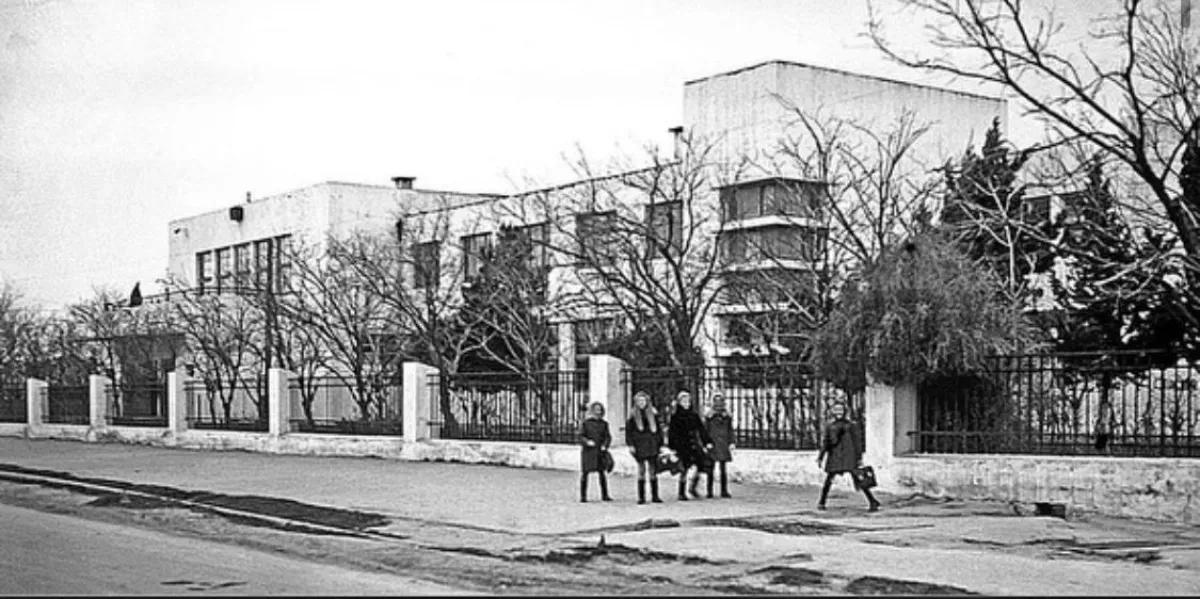
One such structure is the 1st of May Workers’ Club, located in the Zabrat settlement of the Sabunchu district. It was built according to a design by architect Konstantin Ivanovich Senchikhin in the 1930s and became a vivid symbol of its era, representing an example of Constructivist architecture with its characteristic clear geometry and functional expressiveness of forms.
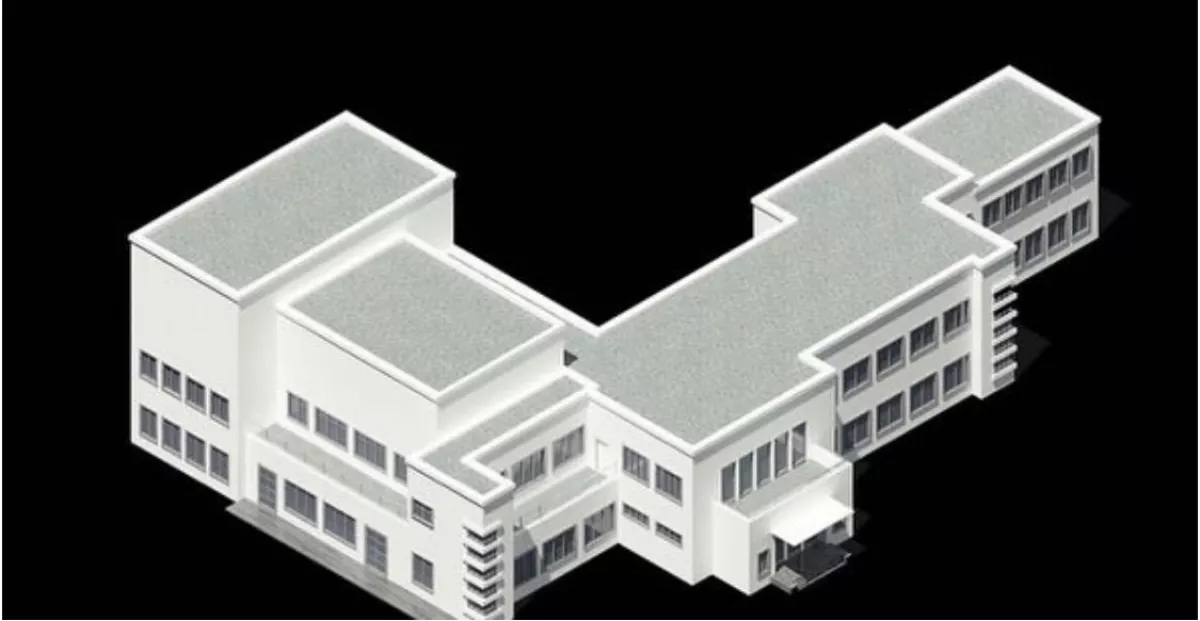
Its composition is based on an asymmetrical yet balanced combination of rectangular blocks of varying heights, “assembled” from simple parallelepipeds without decorative excess. The spatial structure is logically and rationally organized: every element serves a practical purpose and aligns with the overall constructive concept. The layout provides a convenient arrangement of interior zones, while the simplicity of the exterior creates a cohesive and expressive architectural image.
The façades are designed with maximum restraint: their form is based on the rhythm of horizontal window bands and strict vertical divisions. Horizontal moldings and projecting floor planes emphasize the building’s structural logic, highlighting the function of the load-bearing elements and creating a clear, rhythmically organized façade pattern.
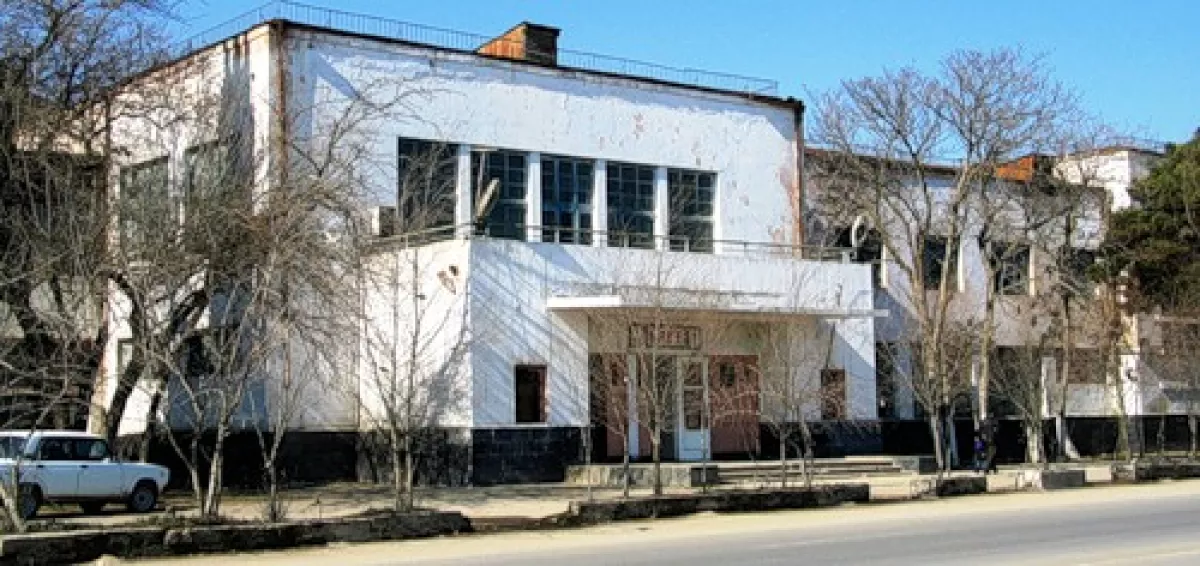
The main entrance is highlighted by a restrained architectural projection and canopy, which serve both functional and compositional purposes. The windows are arranged in clear, rhythmic rows, providing even natural lighting for the interior spaces. A flat roof completes the building’s form, emphasizing its monolithic character and adherence to the principles of rational architecture. In this way, the form directly follows function, reflecting the ideology of avant-garde architecture of the 1920s–1930s. This approach enhances the sense of movement, visually “unfolding” the building along the street and accentuating its modernist character.
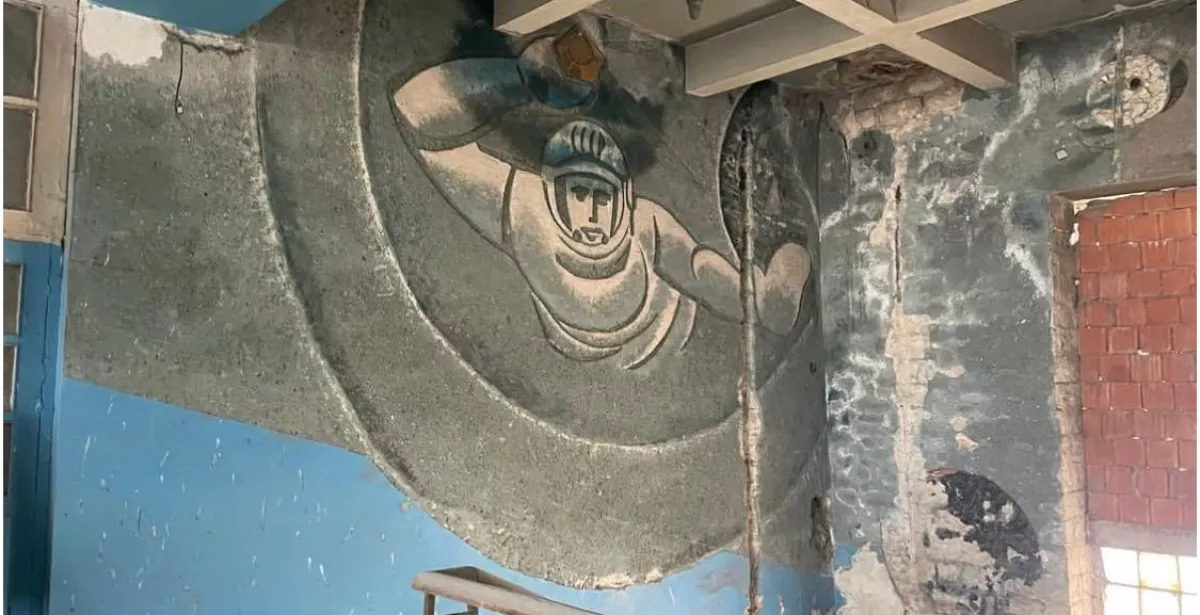
The building integrates organically into the urban environment while maintaining its distinct artistic identity. From a historical perspective, it reflects a period of active architectural experimentation and the development of a new aesthetic in Baku. It demonstrates how the ideas of Constructivism were adapted to local conditions and the city’s urban context. Today, the building is perceived not only as a functional structure but also as an important monument of architectural heritage.
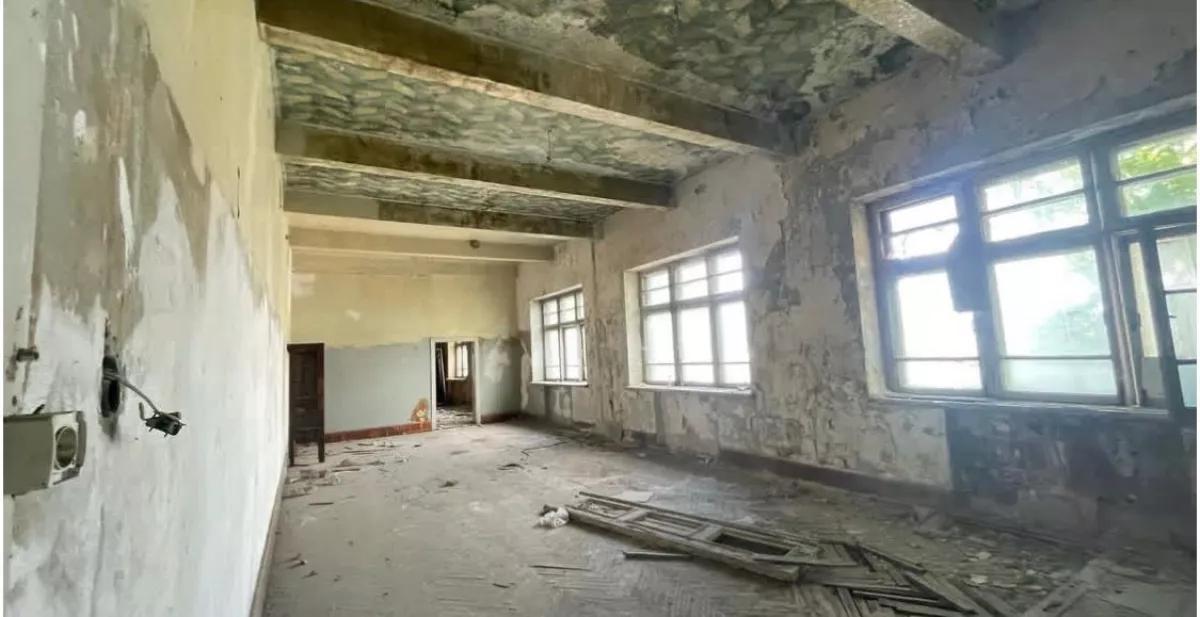
Today, the building stands abandoned; however, it continues to remain a striking masterpiece of the architecture of its era. Its clear geometry, functional expressiveness, and bold Constructivist techniques make it an invaluable monument of the past. It attracts the attention of historians, architects, and the general public worldwide, remaining an important testament to cultural heritage. By preserving such monuments, we safeguard the memory of the architectural traditions of that time, which continue to inspire the present.
By Vahid Shukurov, exclusively for Caliber.Az







 editor@caliber.az
 +994 55 444-88-98
 Азербайджан, Баку, ул. Низами, 203, Af Business House, 5-й этаж