










"NATO 3.0": The era of Turkish leadership Analysis by Artem Kirpichenok
The NATO Summit, held at the Presidential Complex in Ankara in early July 2026, brought together the heads of state and government of the Alliance's member countries, along with around 100 ministers, senior diplomats, representatives of international organisations, and invited guests. The event marked an important milestone both for the North Atlantic Alliance itself and for its host nation, the Republic of Türkiye. It attracted heightened international attention due to a number of significant features that fundamentally distinguished it from previous NATO summits.
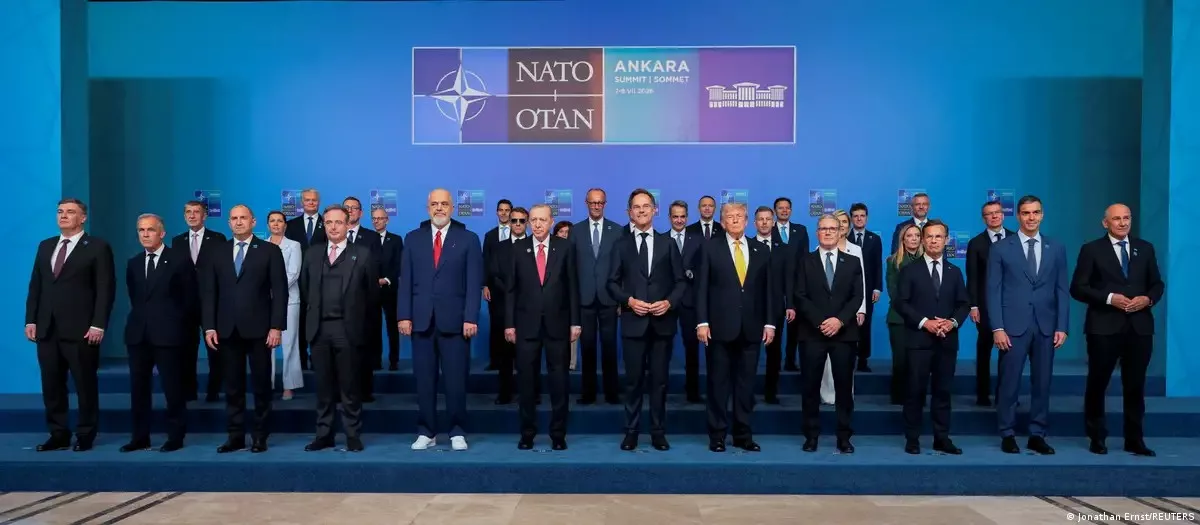
First and foremost, it is worth highlighting the following fact: the event was covered by an unprecedented number of journalists, who were unanimous in their assessment that the summit had been organised to the highest possible standards.
As President Erdoğan emphasised in a post on the social media platform NSosyal, "More than 2,500 media representatives covered the summit, setting a new record. Thanks to the coordination of TRT, 96 cameras, 18 mobile broadcasting units, and live coverage from 26 different locations across Ankara, the Ankara Summit was broadcast to audiences around the world."
"I sincerely thank my fellow citizens in Ankara for their patience and exceptional hospitality throughout the summit, which also made a significant contribution to promoting our capital. On my own behalf and on behalf of our entire nation, I extend my gratitude to everyone who worked selflessly in countless areas—from law enforcement and the media to technical support, healthcare, transportation, protocol, and catering services—to ensure the smooth conduct of the summit. I would also like to express my special appreciation to Secretary General Mark Rutte for his cooperative approach and dedicated efforts during the preparation and hosting of the NATO Summit in Ankara," the Turkish leader noted.
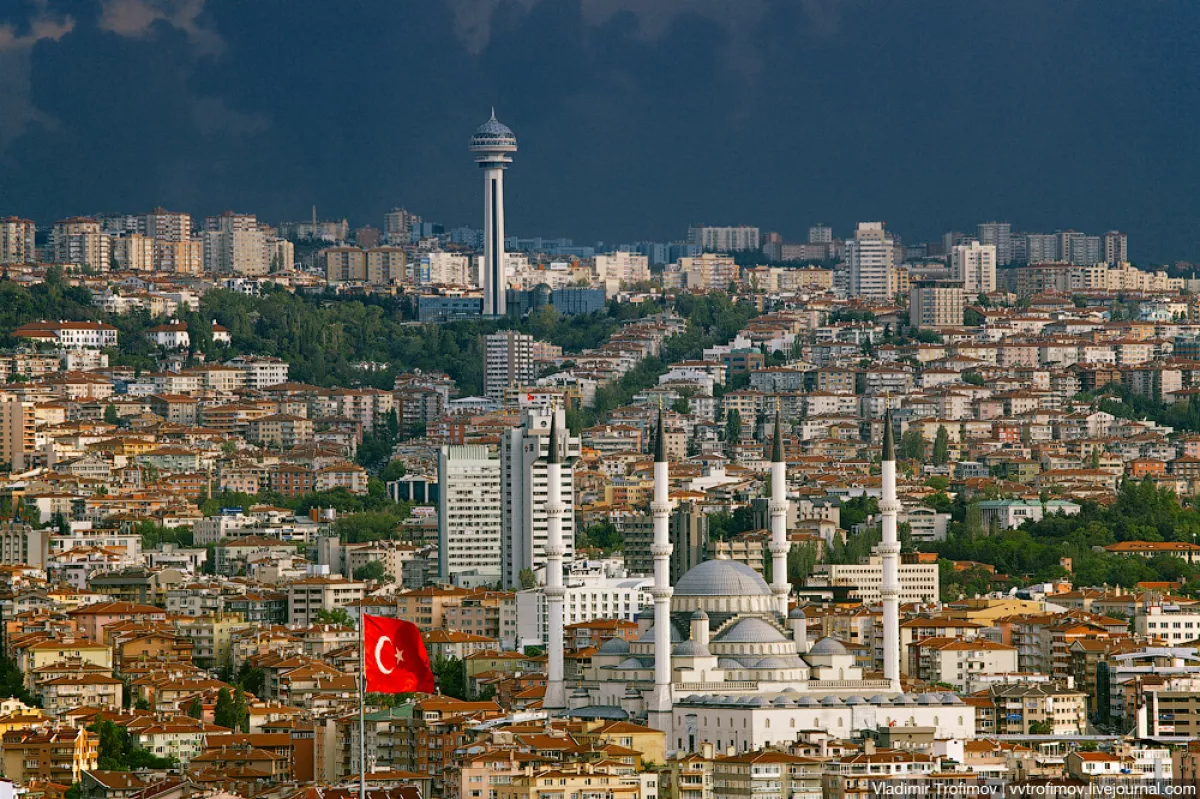
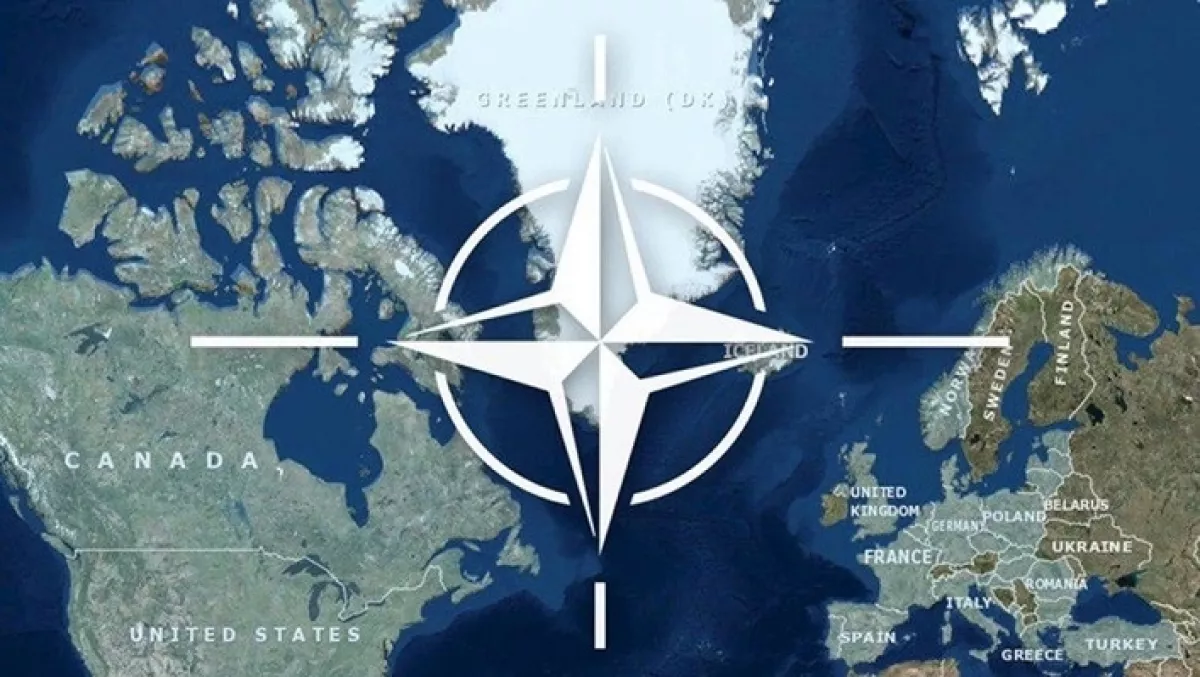
The choice of the Turkish capital as the venue for such an important forum was by no means accidental. Türkiye, which hosted the Alliance's summit for only the second time in its history—the first having taken place in Istanbul in 2004—occupies a truly unique position within NATO. The United States remains the Alliance's undisputed leader, while Germany plays the central role on the European continent thanks to its industrial strength and mobilisation capacity.
France and the United Kingdom perform complementary roles due to their nuclear capabilities, whereas countries such as Finland and Poland serve as guardians of the European Union's flanks. As this distribution of responsibilities illustrates, each member state has its own distinct function. Yet only the Republic of Türkiye—with the Alliance's second-largest military after that of the United States, a rapidly expanding defence industry, and an active diplomatic presence—possesses the capacity to project influence across virtually every region of the world, making it uniquely valuable to NATO.
On the other hand, Türkiye cannot ignore its existing disagreements with its NATO allies or the double standards it believes are applied to Ankara. Foremost among these issues is the question of acquiring advanced combat aircraft from the United States. Although the U.S. Congress ultimately did not block the sale of F110 engines—approving a deal worth more than $700 million to support Türkiye's fifth-generation KAAN fighter programme—the Countering America's Adversaries Through Sanctions Act (CAATSA) sanctions, the ban on the transfer of F-35 fighter jets, and the continued uncertainty surrounding the delivery schedule of F-16 Block 70 aircraft remain unresolved despite assurances from the White House.
One of the central themes of the summit was the assessment of how fully Alliance members had fulfilled the financial commitments they undertook last year—an issue that the Trump administration has elevated to the highest strategic priority. In this regard, Washington can rely confidently on Türkiye. Ankara expects to meet its defence spending targets ahead of schedule, while its investment in the defence sector has consistently remained above the NATO average.
Another area in which Türkiye has established itself as a major player is the defence industry. In an interview with Anadolu Agency, Mark Rutte expressed concern over the need to expand the Alliance's defence-industrial capacity, noting that military production continues to lag behind NATO's operational requirements. Türkiye has “about 3,000 companies every day churning out the kits and the defence industrial output that our men and women in uniform need to defend ourselves”, Rutte said.
“ASELSAN is one example, but only one of maybe 3,000 companies in total, big ones like ASELSAN, but also medium-sized, smaller companies. Türkiye is already, through its defence industry, supporting so many other countries,” he added, calling on members to put "cash to work" for drones, missiles and air defence interceptors.
These remarks accurately reflect the current state of affairs. In 2025, 57 per cent of Türkiye's defence exports—valued at $6.2 billion—were destined for fellow NATO member states. Moreover, Turkish defence companies have established production lines for 155 mm artillery shells in the United States, Germany, Denmark, Estonia, and Italy to help address the global shortage of this critical ammunition. Today, this process continues to gather momentum, as much of the potential for defence-industrial cooperation within the Alliance remains untapped.
In today's turbulent world—where, alongside the risk of existing conflicts escalating, the likelihood of new confrontations is steadily increasing—countries such as Türkiye, strategically located and endowed with substantial military and economic capabilities, are becoming indispensable partners.
This reality is now increasingly recognised within NATO, as reflected both in the outcomes of the recent Ankara summit and in the statements made by Donald Trump. Upon his arrival in Ankara, the U.S. president said, "if it weren’t held in Turkey, where my friend happens to be a very strong leader, a very strong person, it’s possible that I wouldn’t have attended," underscoring the high regard in which he holds the Turkish leader. Furthermore, Trump effectively signalled his support for the sale of F-35 fighter jets to Türkiye and for lifting the CAATSA sanctions imposed on Ankara.
More broadly, the intensive two-day summit demonstrated that the Republic of Türkiye has become a pivotal actor within the North Atlantic Alliance, shaping its strategic agenda and making a tangible contribution to the Alliance's ongoing modernisation—a process that has increasingly come to be described as "NATO 3.0." There is every reason to believe that Türkiye's importance within the evolving Euro-Atlantic security architecture will continue to grow. As Erdoğan stated, "As Türkiye, we will continue to strengthen cooperation with our allies with determination and contribute to global peace and security."







 editor@caliber.az
 +994 55 444-88-98
 Азербайджан, Баку, ул. Низами, 203, Af Business House, 5-й этаж