










Alarm over the North Atlantic NATO chief on today’s challenges
A series of recent statements by NATO Secretary General Mark Rutte, made during a briefing in Brussels, shows that the bloc is entering a new phase in which Europe must assume greater responsibility for its own security amid a reduction in the United States’ engagement in European affairs.
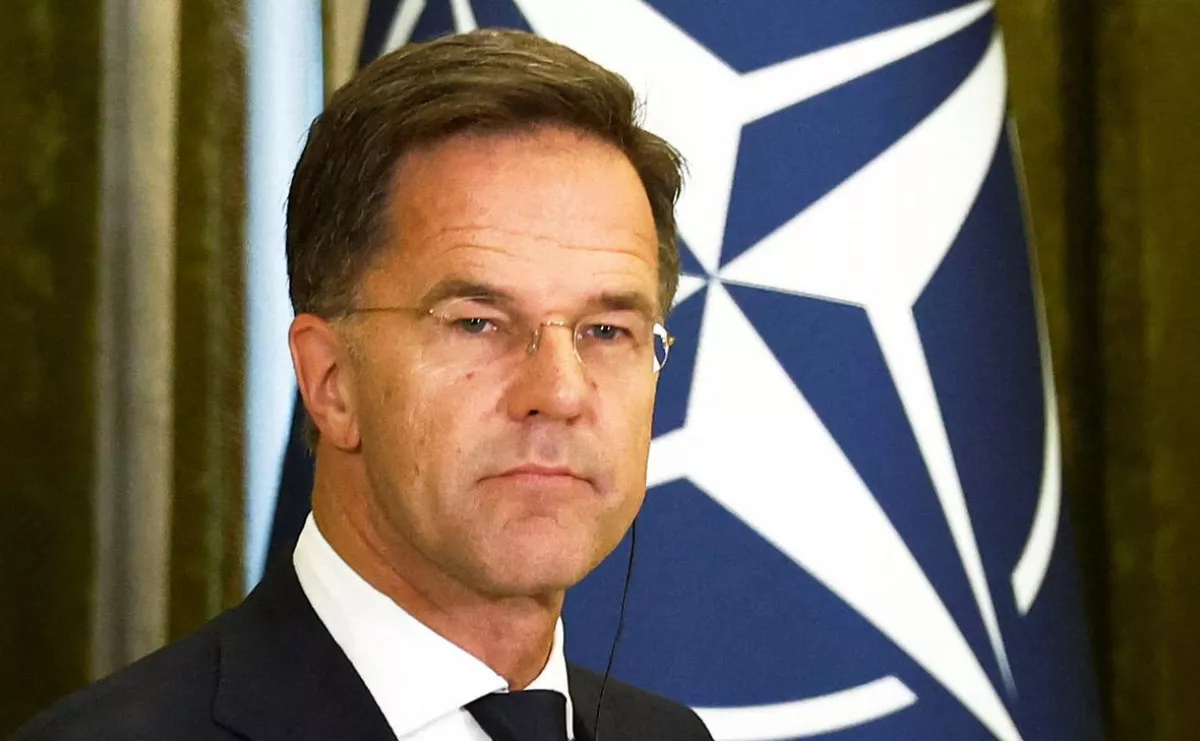
The most resonant remark was Rutte’s confirmation that a reduction in the American contribution to NATO force planning will begin immediately. At the same time, he stressed that this does not mean Washington is abandoning its commitments to collective defence, but rather that it represents adjustments to the alliance’s military planning system.
Behind these statements, a more complex political context becomes visible. In recent months, relations between the United States and a number of European allies have noticeably deteriorated against the backdrop of the conflict between the US–Israel bloc and Iran. According to Euronews, Rutte is expected to travel to Washington in June to smooth over accumulated disagreements ahead of the NATO summit in Ankara in July.
The reasons for the tensions are well known. During the US–Israeli campaign against the Islamic Republic, many European countries declined to actively support Washington’s actions. Donald Trump publicly made it clear that this was noted in the White House. The Iran episode thus became further evidence for the US president that Europeans are not prepared to support any US initiative. And why, in that case, spend so much on them? — this question, crudely and simplistically phrased, nevertheless accurately reflects the mood in the White House.
However, even before this crisis, Washington had been demanding that NATO member states increase their annual contributions to the alliance’s budget to 5% of their GDP. It should be noted that significant progress has already been made in this direction. According to NATO data, European countries and Canada increased their defence spending by more than $90 billion in 2025 — nearly 20% over the year. Nevertheless, the Secretary General is calling for more. The main objective remains raising military spending to the aforementioned 5% of GDP.
At the same time, the alliance is adjusting its approach to armaments. According to Rutte, NATO needs a stronger defence industry and faster weapons production. His emphasis on drones is particularly notable: he explicitly describes the use of expensive missiles to destroy cheap drones as a dead-end approach. This is one of the key lessons learned from the war in Ukraine and conflicts in the Middle East.
Another important signal concerns the future of European security. The Secretary General confirmed that discussions among allies are underway about the possibility of resuming dialogue with Russia. For now, these are primarily internal EU debates, but their very emergence is telling. The more Europe prepares for a partial reduction of American involvement, the more frequently the question of the continent’s long-term security architecture arises.
Speaking about solidarity within the alliance, Rutte adopted a pragmatic and blunt tone that clearly reflects the seriousness of the moment. Commenting on the potential activation of Article 5, he stated that “if war breaks out, clearly what all Allies will do, including [the] United States, is max out whatever they can do.”
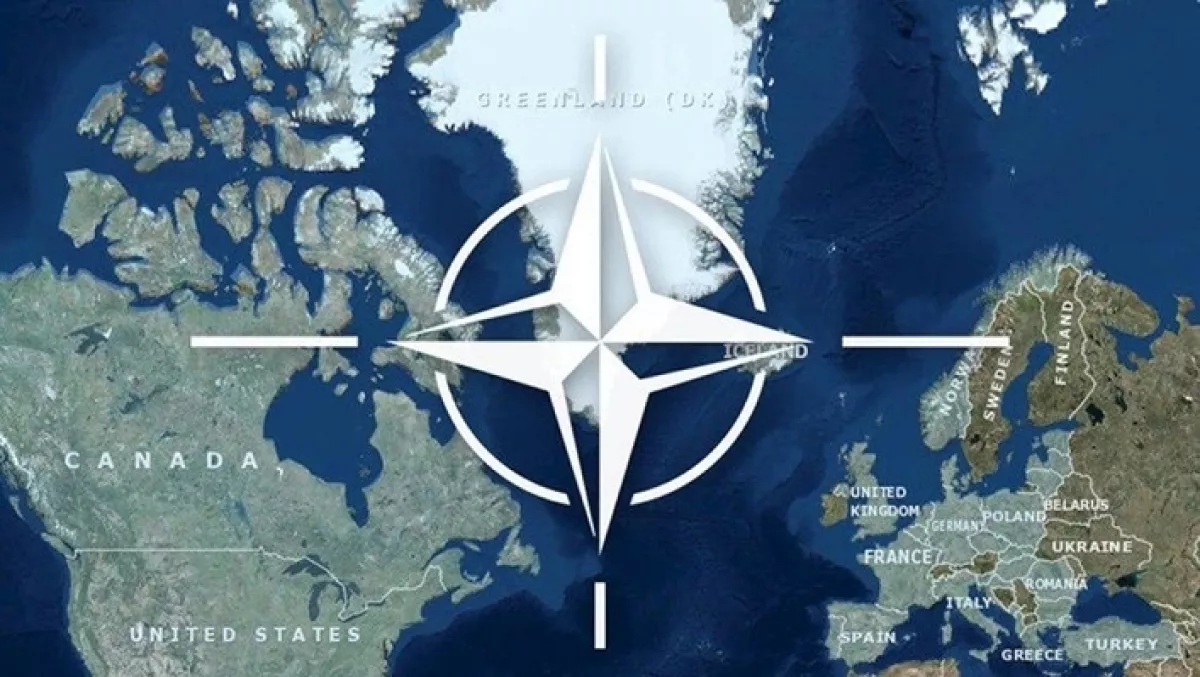
In the language of military diplomacy, this is a classic demonstration of deterrence — a direct signal to Moscow that the alliance is urgently shifting its defence machinery onto a wartime footing. However, the very need to publicly demonstrate NATO’s ability to conduct large-scale warfare — especially amid internal disagreements with Washington — clearly illustrates the depth of the crisis of trust into which the former Euro-Atlantic security system has fallen.
Are the increasingly frequent discussions about dialogue with Russia linked to this? And is this what explains the proposal by Finnish President Alexander Stubb (incidentally, one of the candidates for the role of chief negotiator with Moscow) to include Türkiye — the most militarily powerful NATO member after the United States — among the EU states? There are too many coincidences for them to be considered accidental.
In conclusion, it can be summarised that Rutte’s recent statements show that the North Atlantic Alliance is undergoing a major transformation, which can already be described as a genuine crisis.







 editor@caliber.az
 +994 55 444-88-98
 Азербайджан, Баку, ул. Низами, 203, Af Business House, 5-й этаж