










Azerbaijan restores war-erased Aghdam Radio France on former “Hiroshima of the Caucasus”
The International French Radio (RFI) has published an article by Dorian Jones on the restoration of the Azerbaijani city of Aghdam. Caliber.Az presents the most notable excerpts from the piece.
Destruction of the city of Aghdam in Azerbaijan’s Karabakh region stands as one of the clearest reminders of the long-standing conflict between Azerbaijanis and Armenians. Steps are now being taken to revive the city.
“We’ve cleared three hundred thousand square meters and found more than ten thousand landmines,” proudly declares Elnur Gasimov, head of mine clearance operations in Aghdam.
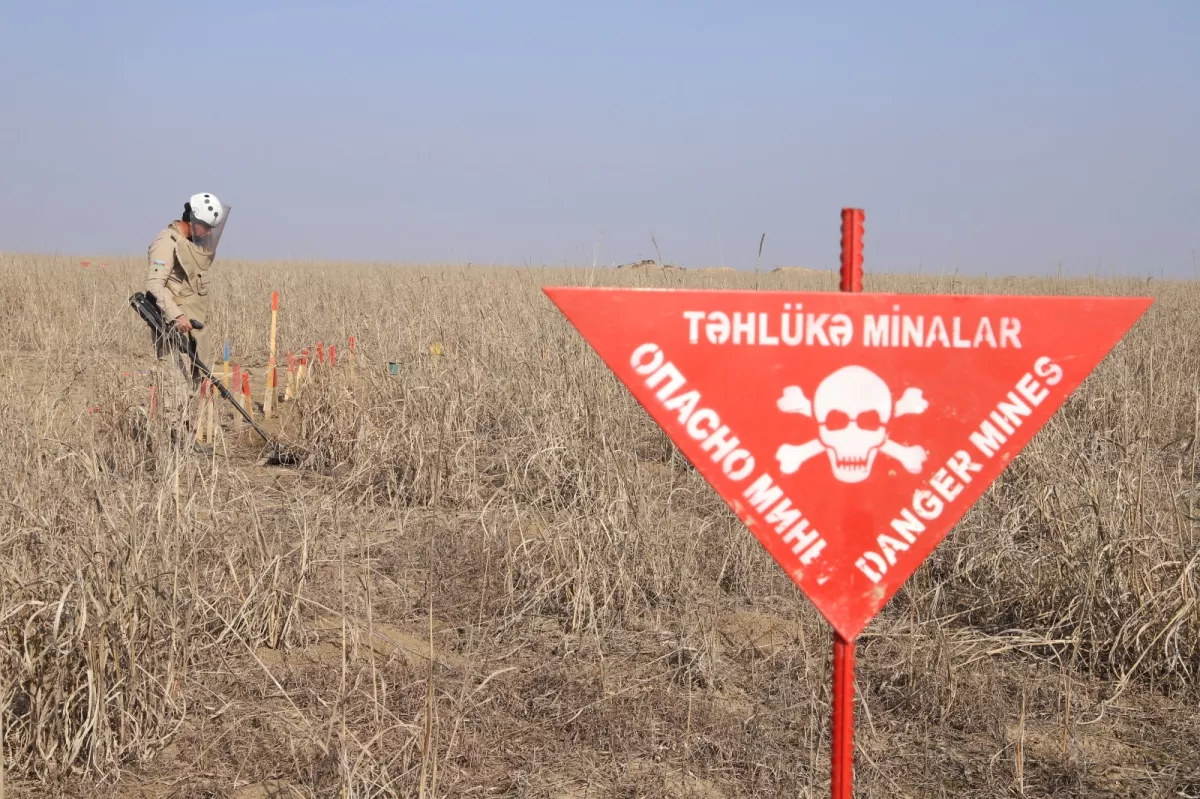
The dangerous work, carried out in freezing conditions, carries significant risk. Gasimov has lost several fingers on his right hand.
“We have more than 10 deminers who have lost their legs, and we lost two deminers during the explosive disposal,” Gasimov told RFI.
According to him, Aghdam’s territory was among the most heavily mined during the conflict.
Clearing the mines
RFI reporters joined a small group of journalists on a trip to Aghdam organised by the Azerbaijani authorities.
At its peak, Aghdam was home to 40,000 people, mostly Azerbaijanis. The city was also once the base for Azerbaijan’s most famous football club, Karabakh, which now operates from the capital.
Today, no houses remain intact – all were levelled, and even the trees were not spared from the consequences of the conflict.
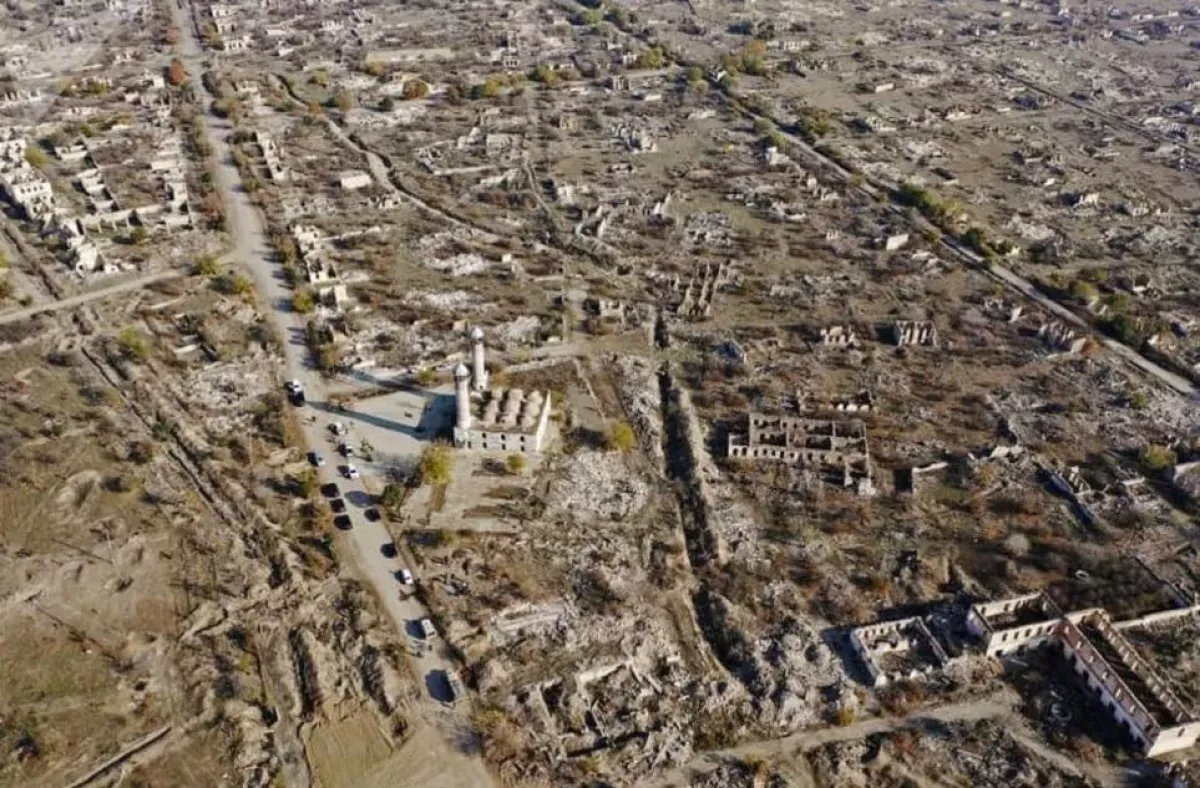
The historic Juma Mosque is one of the few partially preserved buildings. During the occupation, Armenians used it as a barn for livestock. Imam Mehman Nesirov, a 45-year-old imam, now oversees the fully restored mosque, where up to 100 worshippers attend Friday prayers as life gradually returns to the city.
Nesirov left Aghdam in 1993 as a child. “We were forced to leave because of the sound of fighting, which was getting closer and closer. Everyone was terrified and panicked," he said.
Nesirov explained to RFI that he and his family spent the first years of their lives living in a railway wagon. “I will never forget those years. We always prayed to God that one day we could return and pray at this mosque,” said Nesirov. “We can't put into words how we feel that dream we had as a child, a teenager, and an adult is finally realised.”
Returns
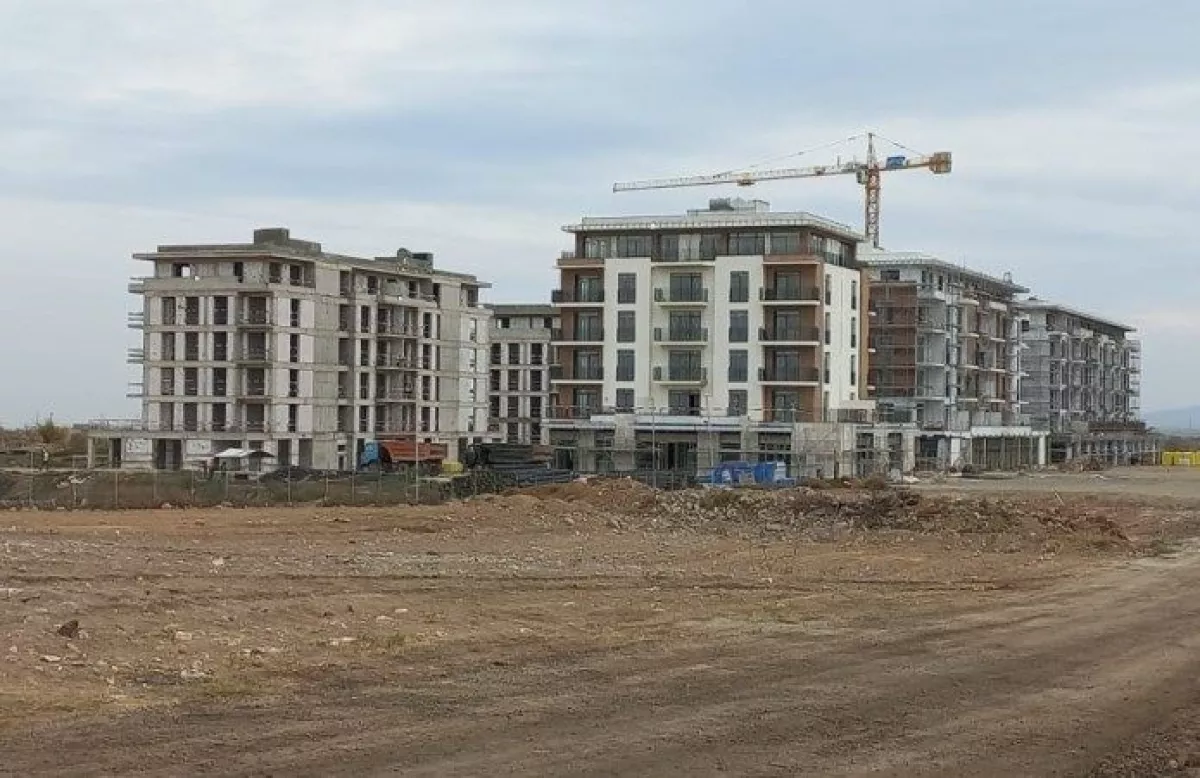
Returning residents are being settled in new homes built by the state.
Richard Giragosiyan, director of the Regional Studies Center, a Yerevan think tank, said Azerbaijan’s success in Karabakh has opened the door to a diplomatic breakthrough: Azerbaijani President Ilham Aliyev and Armenian Prime Minister Nikol Pashinyan have expressed intent to improve relations after the conflict. Azerbaijan is sending oil products to Armenia and allowing trains carrying grain from Kazakhstan to pass through its territory, which is important for Yerevan as it seeks to reduce dependence on Russia and strengthen ties with Europe.
Ayhan Jabbarov, manager of a newly built hotel in Aghdam, welcomed efforts to bring Baku and Yerevan closer together. Jabbarov, whose family left Aghdam thirty years ago, looks to the future with hope.
“If we look to history, we lived together before now, every leader talks about peace … We have to build a good relationship. It will help both countries' economy, people’s social life and the regional economy, everything,” he said.







 editor@caliber.az
 +994 55 444-88-98
 Азербайджан, Баку, ул. Низами, 203, Af Business House, 5-й этаж