










Baku, Bishkek forge stronger ties, expand SOCAR–Kyrgyzneftegaz cooperation PHOTO
Azerbaijan and Kyrgyzstan have reaffirmed their commitment to deepening strategic and economic ties during the 6th session of their Joint Intergovernmental Commission on Economic and Humanitarian Cooperation in Baku. The meeting resulted in agreements to expand trade, energy, tourism, and academic collaboration, as well as to strengthen business and infrastructure partnerships.
The session was co-chaired by Azerbaijani Deputy Prime Minister Samir Sharifov and Deputy Chairman of the Kyrgyz Cabinet of Ministers Bakyt Torobaev, with participation from senior officials of relevant government bodies from both nations, Caliber.Az reports per local media.
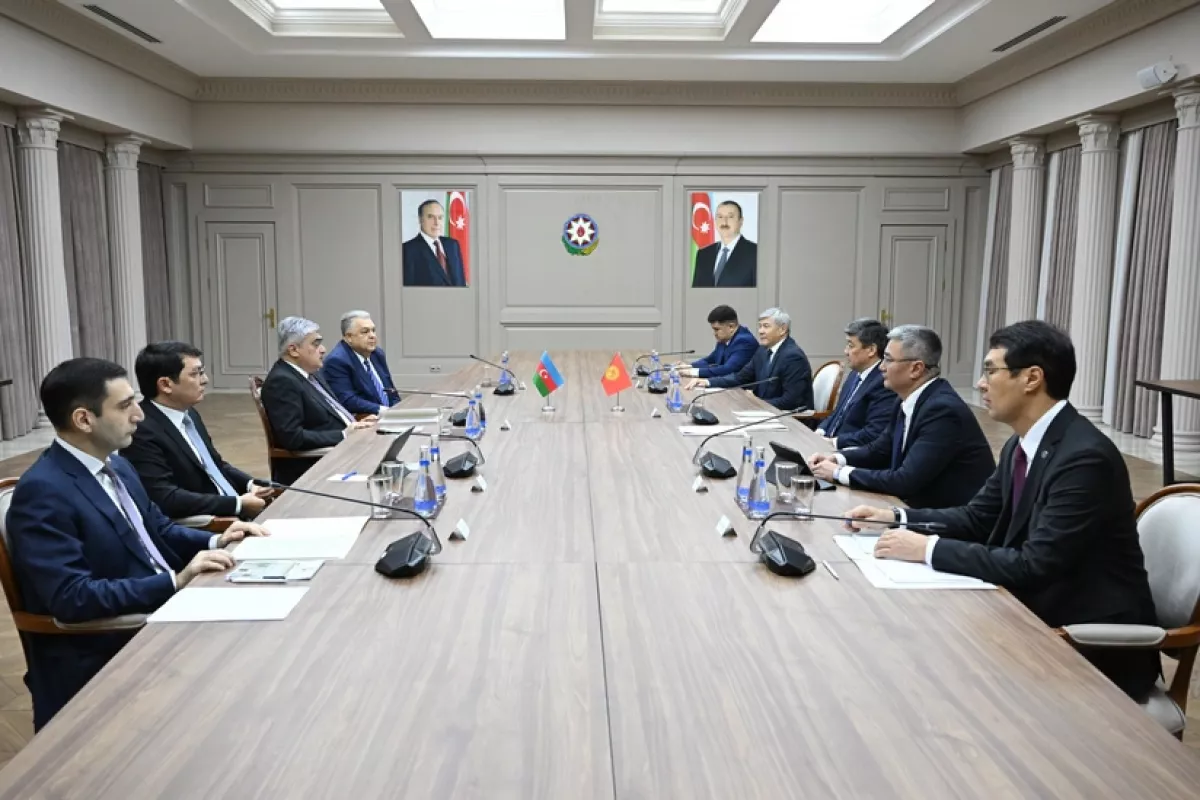
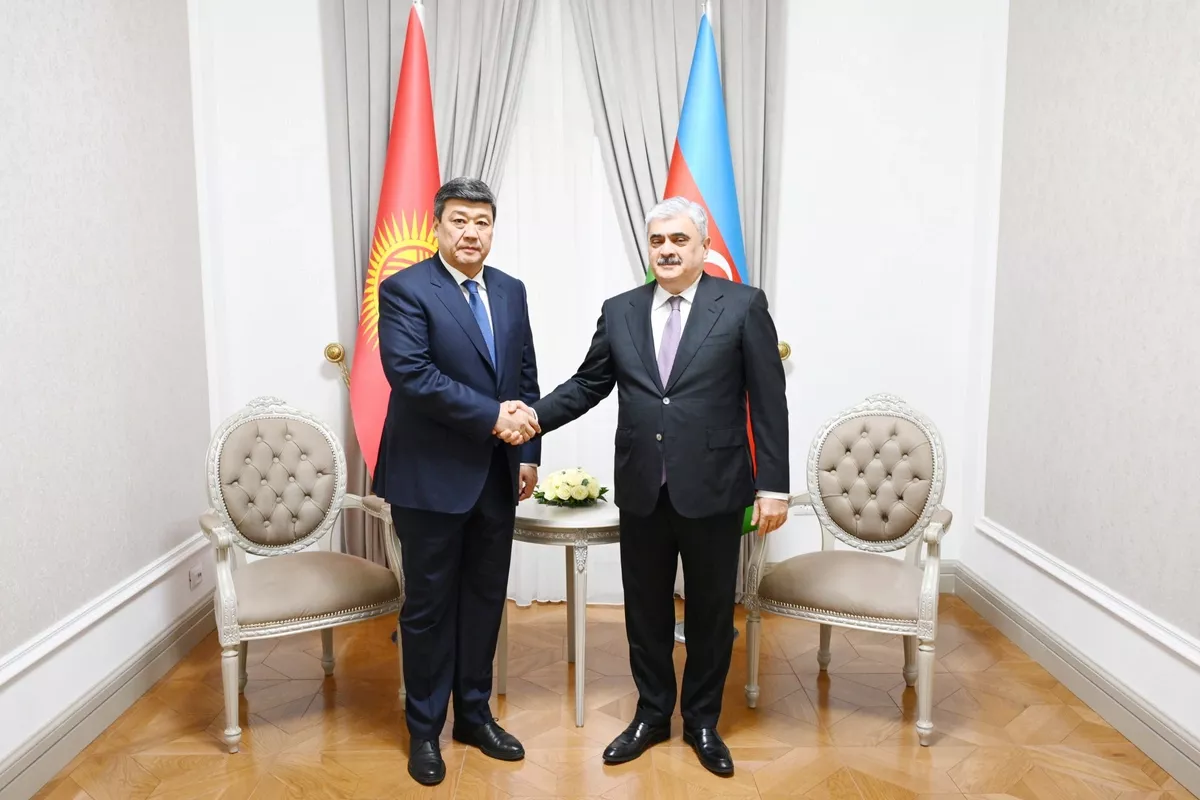
Ahead of the plenary session, the co-chairs held a bilateral meeting, which was followed by discussions in an expanded format. Both sides underscored that historical and cultural ties, ongoing political dialogue, and reciprocal presidential visits by Ilham Aliyev and Sadyr Japarov have been central to elevating relations to a strategic partnership.
The 2024–2029 cooperation program was highlighted as a key roadmap for future bilateral engagement. Trade between the two nations has grown substantially in recent years, with turnover in the first ten months of 2025 rising over 94% compared to the same period in 2024.
During the meeting, officials agreed to broaden economic relations, diversify trade, and enhance business cooperation. Discussions included the potential establishment of a trade and logistics center in Kyrgyzstan, the activation of business missions, strengthened information exchange, and collaboration under Azerbaijan’s “Green Transition” initiative, presented at COP29.
The Azerbaijan-Kyrgyz Development Fund’s work was praised, and agreements were reached to implement new joint investment projects, establish the Azerbaijan-Kyrgyz Business Council (AZPROMO – Kyrgyz Chamber of Commerce and Industry), support construction of a five-star hotel on Issyk-Kul Lake, and explore a resort city development project. Cooperation in industrial and free economic zones is also expected to expand.
Tourism cooperation will be strengthened through joint tour packages, shared information on exhibitions and festivals, and medical tourism initiatives. The positive impact of Baku–Bishkek–Baku flights on tourism was noted.
In agriculture, cooperation will encompass virus-free seedling production, development of intensive fisheries and aquaculture, joint training programs, enhanced veterinary and phytosanitary measures, livestock trade, and agricultural insurance expansion.
Energy collaboration will continue under the 2024–2025 roadmap, including expanded cooperation between SOCAR and Kyrgyzneftegaz, as well as joint work on the Central Asia–Azerbaijan green energy corridor. Discussions also focused on digitalization of the Middle Corridor, streamlined customs procedures, the China–Kyrgyzstan–Uzbekistan railway, utilization of Baku port facilities, and increased transit capacity.
Academic collaboration was outlined, including annual scholarships, Kyrgyz participation in the Study in Azerbaijan program, faculty exchanges, language centre development, joint research, and creation of virtual library platforms.
The session also covered joint initiatives in ecology, digital development, cybersecurity, healthcare, social protection, public services, architecture, urban planning, and banking.
Participants reaffirmed their commitment to reinforcing trustful and friendly relations across all sectors. The commission agreed to hold its 7th session in Kyrgyzstan, with dates to be determined via diplomatic channels. The final protocol of the 6th session was signed by Samir Sharifov and Bakyt Torobaev.
By Vafa Guliyeva







 editor@caliber.az
 +994 55 444-88-98
 Азербайджан, Баку, ул. Низами, 203, Af Business House, 5-й этаж