










Drones over Danube: Romanian villagers living on warfront next door
At the edge of Romania’s Danube Delta, near the border with Ukraine, life in the village of Plauru appears tranquil by day. Cows graze in marshy fields, and houses with blue-painted roofs line a dirt track, many shuttered or abandoned. Across the 300-meter-wide Danube, the cranes and silos of Izmail, a Ukrainian port city, stand as a reminder of the conflict that has engulfed the region, The Guardian writes.
By night, however, the calm is shattered. The hum of drones cuts through the darkness, followed by explosions that rattle windows and wake residents. For the roughly 500 people living in Ceatalchioi commune, which includes Plauru and three other villages, the war in Ukraine is not a distant event—it is a daily reality.
Since Russia began targeting Ukrainian port infrastructure along the Danube, drone debris has repeatedly fallen on Romanian soil. While no fatalities have occurred, residents live under constant stress, fearing escalation and questioning how long civilians can endure such threats.
“For more than three years we have lived with war over our heads. Some areas in Ukraine do not have the level of stress that we have here,” said Tudor Cernega, mayor of Ceatalchioi commune. He emphasized that the lack of proper infrastructure—particularly the single dirt road connecting the commune to Tulcea city—poses a serious safety risk, slowing potential evacuations and isolating the villages further.
The danger became urgent in November when a Russian drone struck a Ukrainian ship carrying liquefied gas in Izmail, setting it ablaze. Romanian authorities evacuated Plauru residents to Tulcea amid fears of an explosion, though some returned to tend to livestock. “We have been subjected to this terror for more than three years now,” Cernega said.
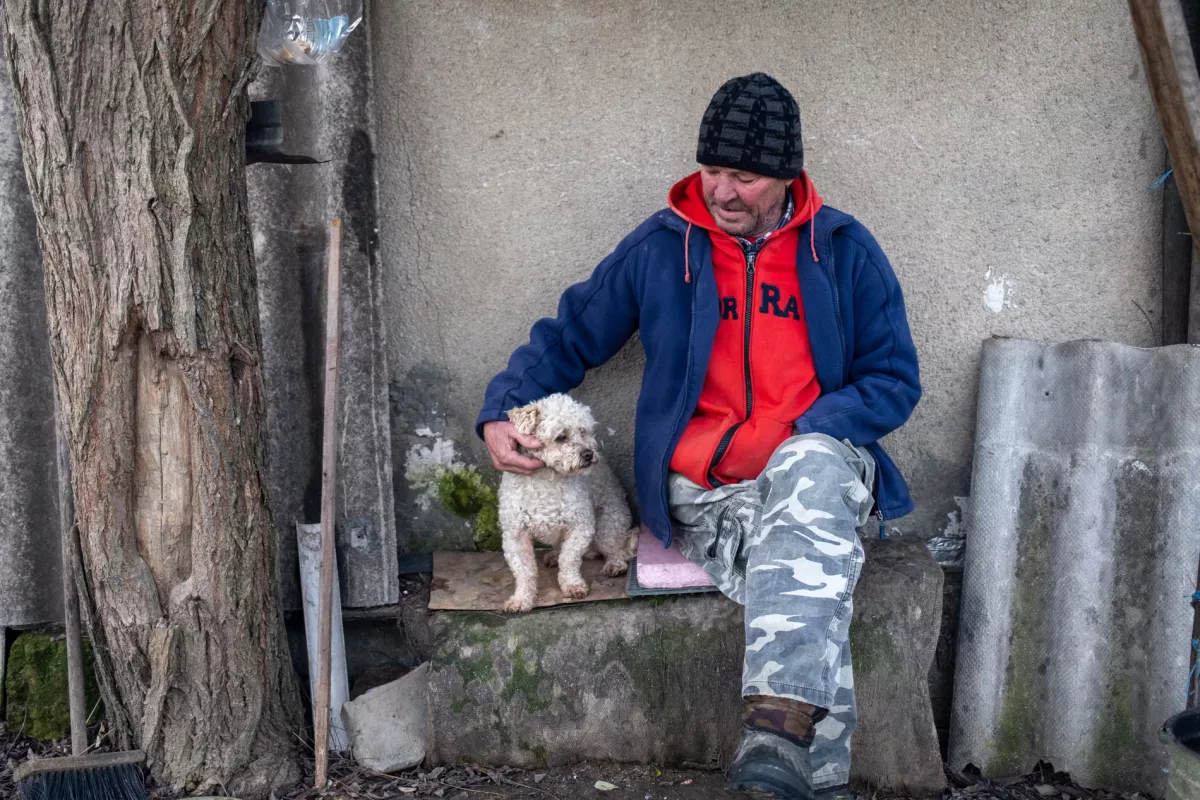
Villagers report that fragments of drones have fallen nearby since the invasion began. Many, like 71-year-old Adriana Giuvanovici, have chosen to stay in their homes despite the dangers. “We hear loud noises and bombs every now and again… we got used to it, but of course we are afraid,” she said.
For others, evacuation is difficult both emotionally and practically. Gheorghe Boftea, a subsistence farmer, described the constant fear of drones while tending his cows, pigs, and chickens. “You live in fear because you don’t know where the next drone will fall. We are just a few hundred metres from Ukraine,” he said.
The frequency of attacks has increased since the start of the war. Marius Morozov, an employee at the Ceatalchioi town hall, noted that while there were only five to seven explosions per evening at the outset of the conflict, the number now can exceed 50 in a single night.
Children have been particularly affected. Ecaterina Statache recounted her 11-year-old daughter experiencing panic attacks during the November evacuation. Despite the risks, many young adults remain in the commune, while older residents feel they have little choice but to stay.
In response to repeated drone incidents along its 400-mile border with Ukraine, Romania updated its legislation in 2025 to allow the military to shoot down unauthorized drones. So far, authorities have been cautious, wary of escalating tensions or inadvertently engaging drones over Ukrainian territory. Romanian President Nicuşor Dan noted that military engagement is constrained by operational and safety concerns.
Local officials also highlight the lack of basic infrastructure. Cernega cited poor roads, inadequate water access, and unsafe docking points for boats. This neglect has fueled resentment among residents, particularly as Ukrainian refugees receive more government support. “We help the Ukrainians but we have been abandoned,” Cernega said.
As night falls over Plauru, villagers close their shutters and wait. Across the Danube, the lights of Izmail port continue to glow, a reminder that the war grinds on. For residents of Romania’s easternmost villages, a single misstep could make them the first NATO citizens drawn directly into the conflict.
By Aghakazim Guliyev







 editor@caliber.az
 +994 55 444-88-98
 Азербайджан, Баку, ул. Низами, 203, Af Business House, 5-й этаж