










A mansion from Baku’s golden oil age A journey into history with Caliber.Az
Baku underwent rapid development during the oil boom period — the city quickly expanded beyond the fortress walls, forming new streets and districts with a well-planned and expressive architectural environment. Many beautiful and prestigious buildings were constructed, reflecting the spirit of the time and the ambitions of its residents. One of such streets, where many striking architectural landmarks were concentrated, was Mikhailovskaya Street, now Aziz Aliyev Street.
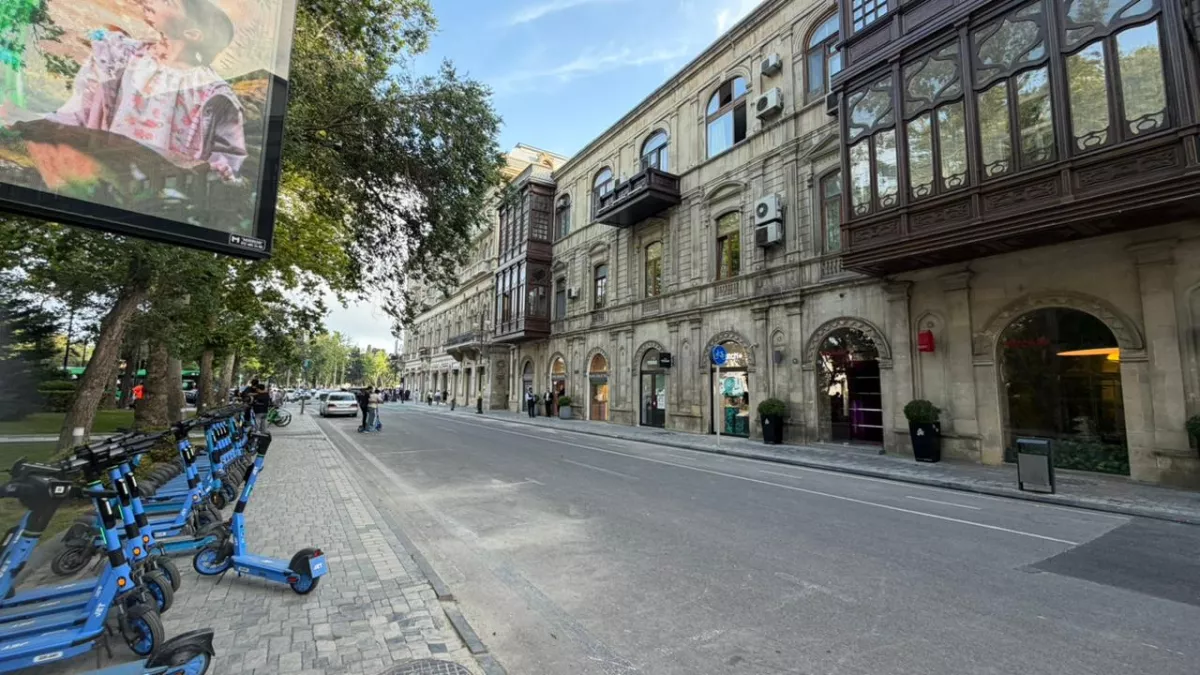
The residential house of Haji Aghahuseyn Taghiyev is particularly eye-catching — a building with a truly exquisite façade, a genuine jewel of the city’s architectural fabric.
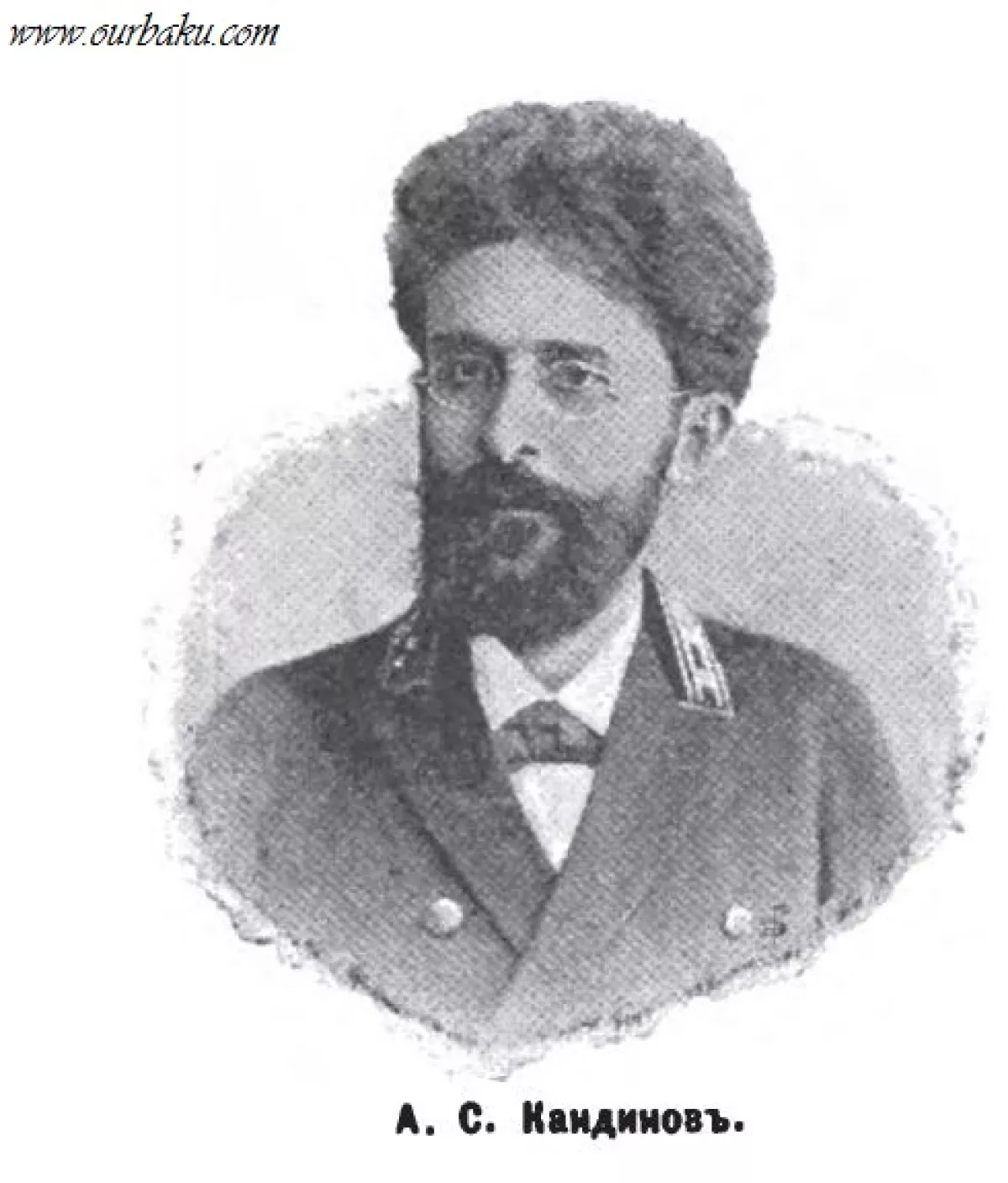
The design of this house was developed by civil engineer Anton Semyonovich Kandinov in September 1891. On November 20 of the same year, after being reviewed by the city administration, it was approved by the city head Stanisław Despot-Zenowicz, with the participation of engineer Nicholas August Ernst Von der Nonne, marking the beginning of the realisation of one of the most expressive architectural images of its time.
The façade of the building is designed in the spirit of eclecticism with pronounced Neo-Renaissance elements and is composed according to classical principles: strict symmetry, a clear rhythm of window openings, and well-defined horizontal articulation give it balance and coherence. The central section is harmoniously related to the two projecting side volumes. The first floor, executed in stone, features an arcade of semicircular openings forming a plastic and rhythmic gallery; the piers between them are accentuated with pilasters of a simplified classical order, while the rustication of the lower level enhances the sense of solidity and monumentality.
The stone decoration of the façade is distinguished by meticulous craftsmanship: pilasters, cornices, archivolts, and profiled window surrounds add depth and expressiveness to the composition. Decorative inserts between the second-floor windows, with fine carving and ornamentation, emphasise the building’s high artistic level and prestigious character. The upper floors are treated more restrainedly — large window openings and a minimal amount of decoration visually lighten the volume.
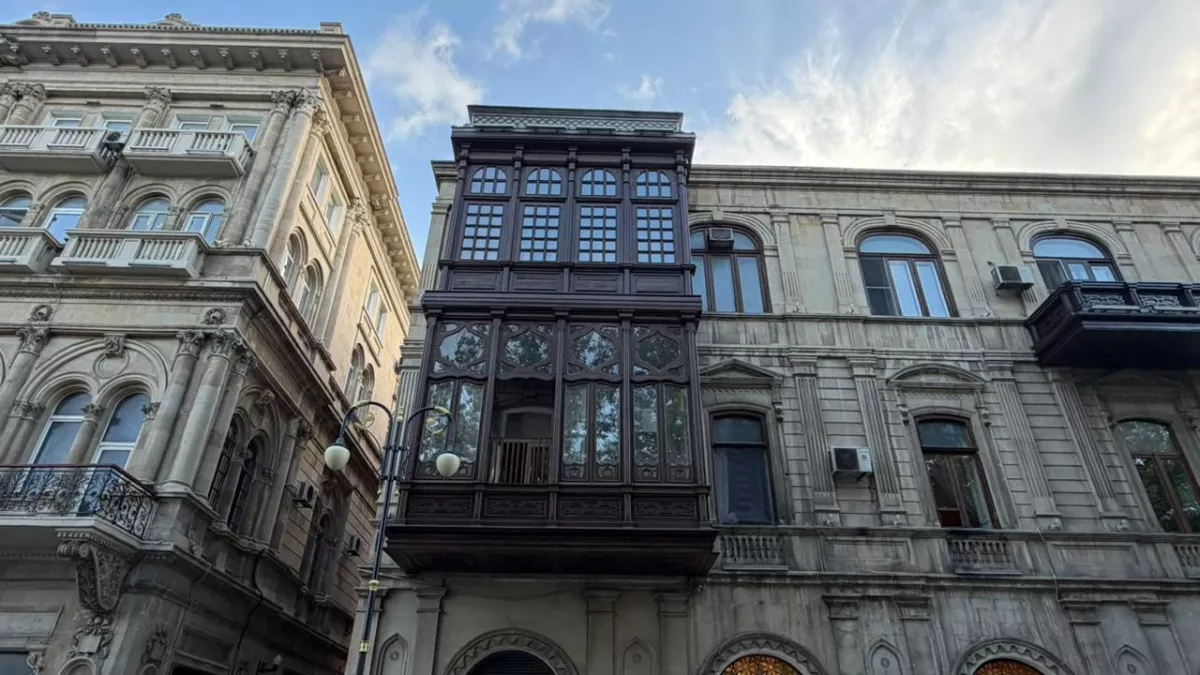
The building gains particular expressiveness from its wooden elements, which create a contrast with the stone base. The side bay windows are enclosed glazed volumes with curved lines and fine glazing patterns, creating a sense of lightness and delicacy.
Their appearance refers to traditional Baku shushabends, organically linking the building’s architecture with the local cultural context. The colour of the wood enhances the plastic expressiveness of the façade and emphasises the depth of the composition. The central balcony serves as a compositional accent, unifying the entire façade, although it is important to note that, like the bay windows, it was added later and was not part of the original design.
In 1898, a second floor was added, which ultimately completed the architectural appearance of the building.
The history of the plot on which the house was built is also interesting. It was a challenging site: part of it was located within the territory of Icherisheher, near a stone staircase. It was precisely the complex terrain that determined the unusual architectural solution — a three-row layout with a small inner courtyard situated at the level of the second floor. Due to significant differences in elevation, the central part of the building darkened, taking on the character of a basement-like space. Semicircular vaults were used to cover this section — an approach that simultaneously addressed both structural and aesthetic tasks. The entrance to the second floor was organised from the direction of the Old City via a single-flight staircase, which further emphasised the building’s organic connection with the terrain and the historical environment.
In the Soviet period, the building housed a tasting hall, which became part of the city’s cultural life.
Such houses not only enrich the urban environment but also serve as valuable testimonies to Baku’s history of the late 19th and early 20th centuries. Their architecture reflects the oil boom era, the tastes of that time, and the high level of construction craftsmanship. The preservation of such buildings is of great importance for maintaining the historical and cultural identity of the city.
By Vahid Shukurov, exclusively for Caliber.Az







 editor@caliber.az
 +994 55 444-88-98
 Азербайджан, Баку, ул. Низами, 203, Af Business House, 5-й этаж