










Betting on farmers who deliver Inside Azerbaijan’s Guba agriculture push
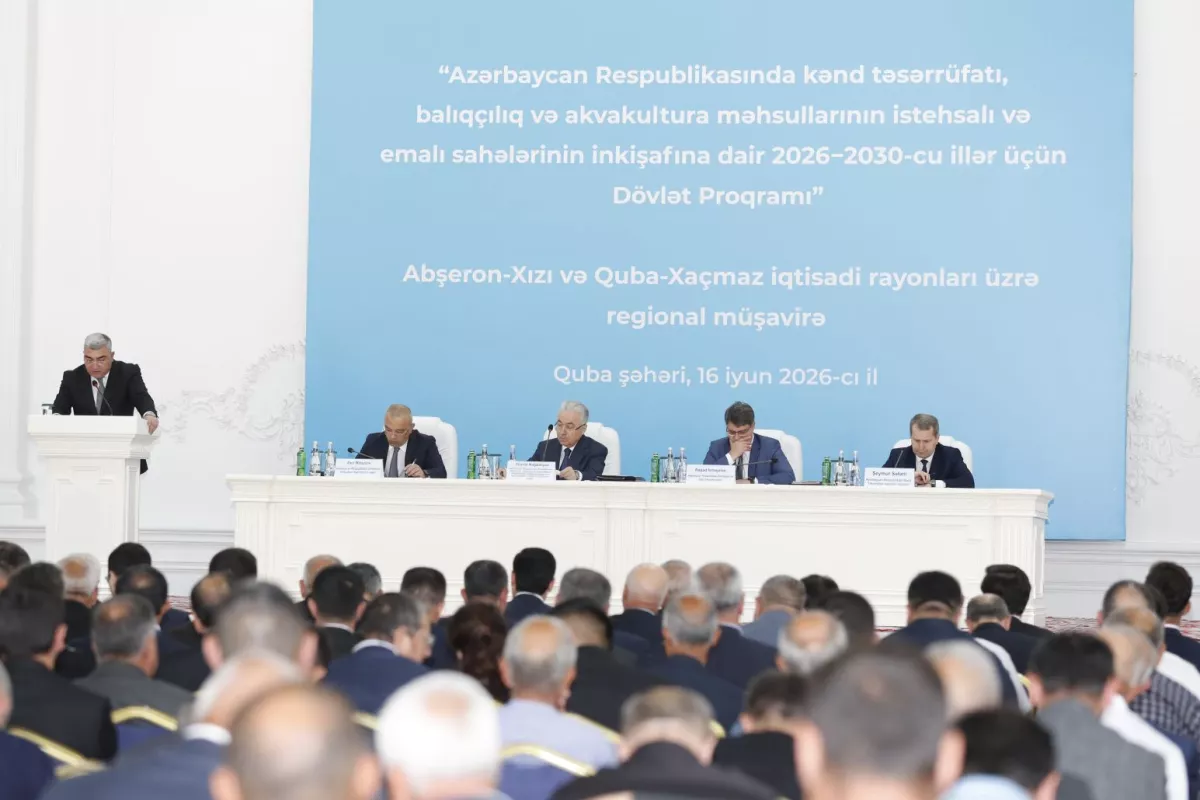
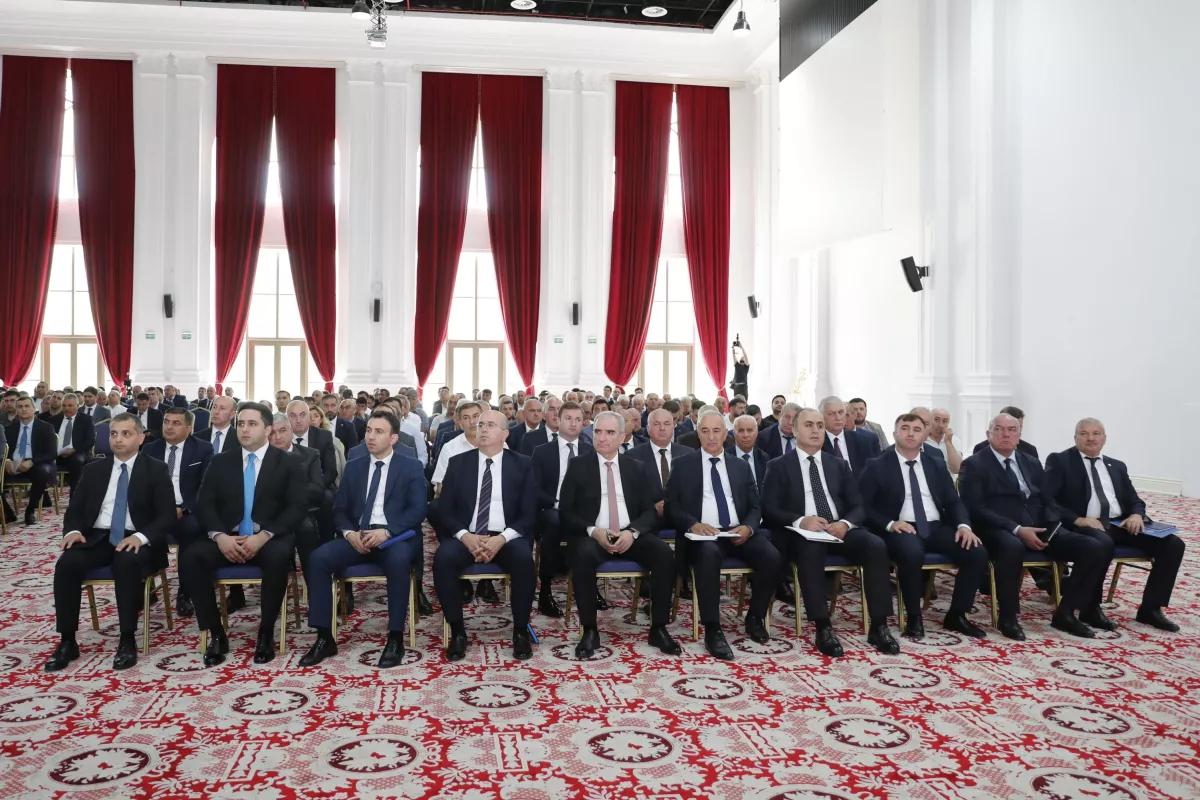
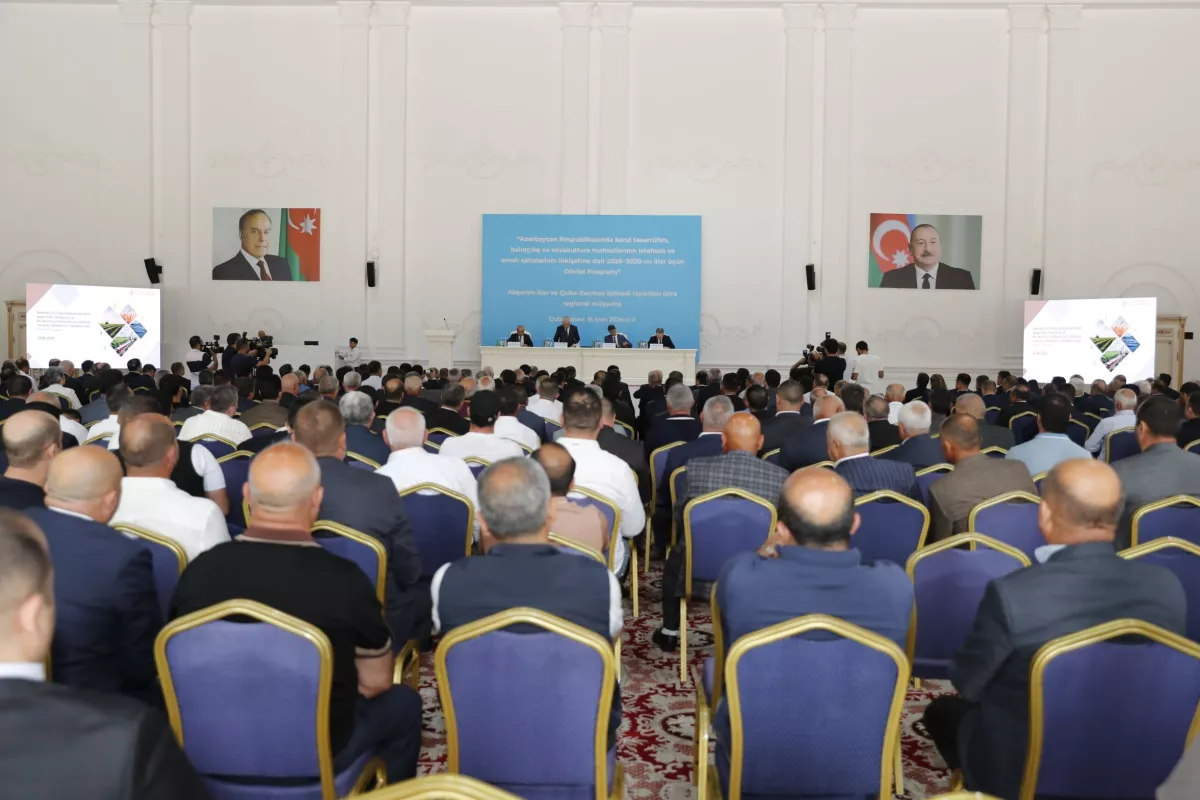
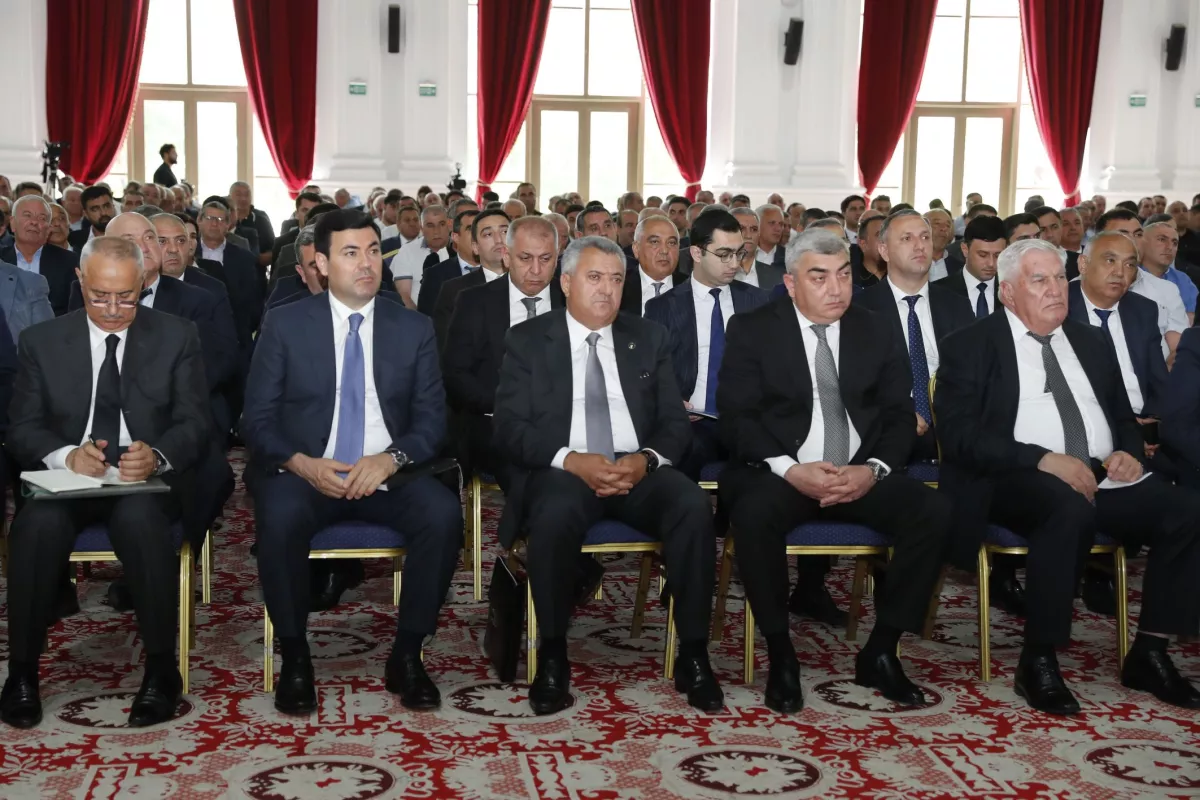
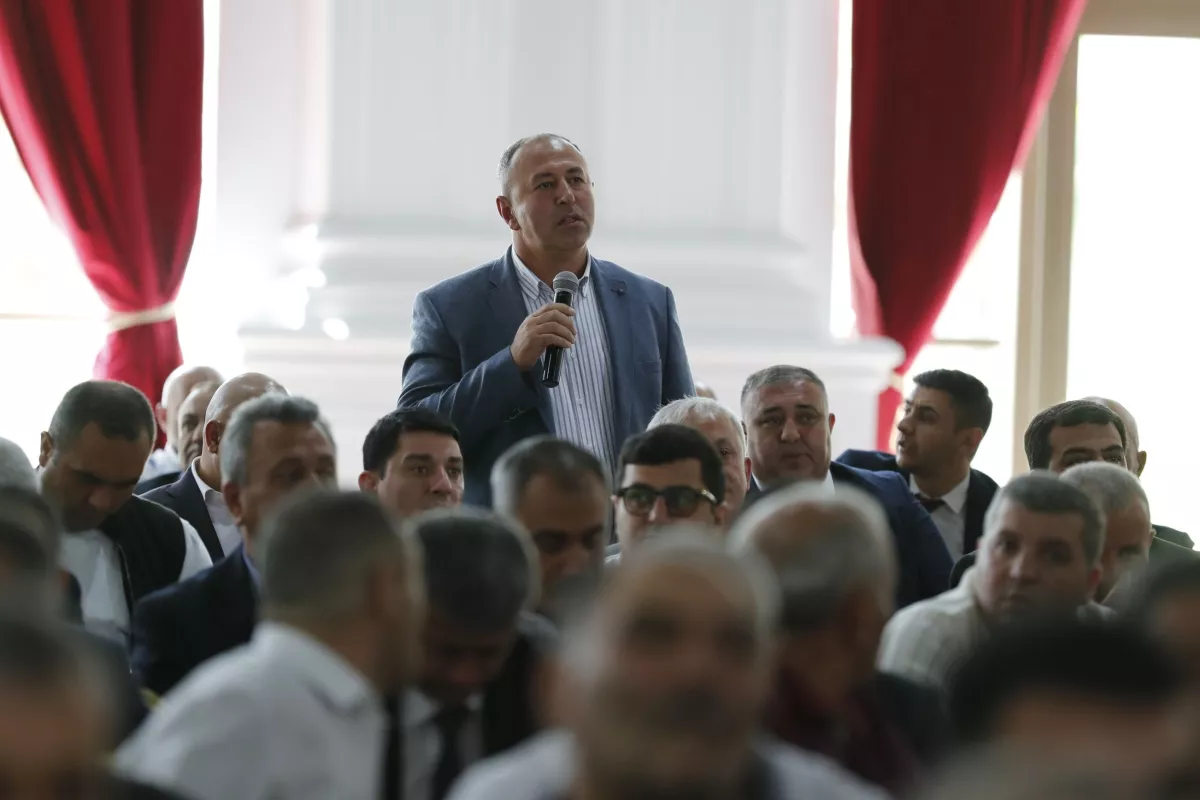
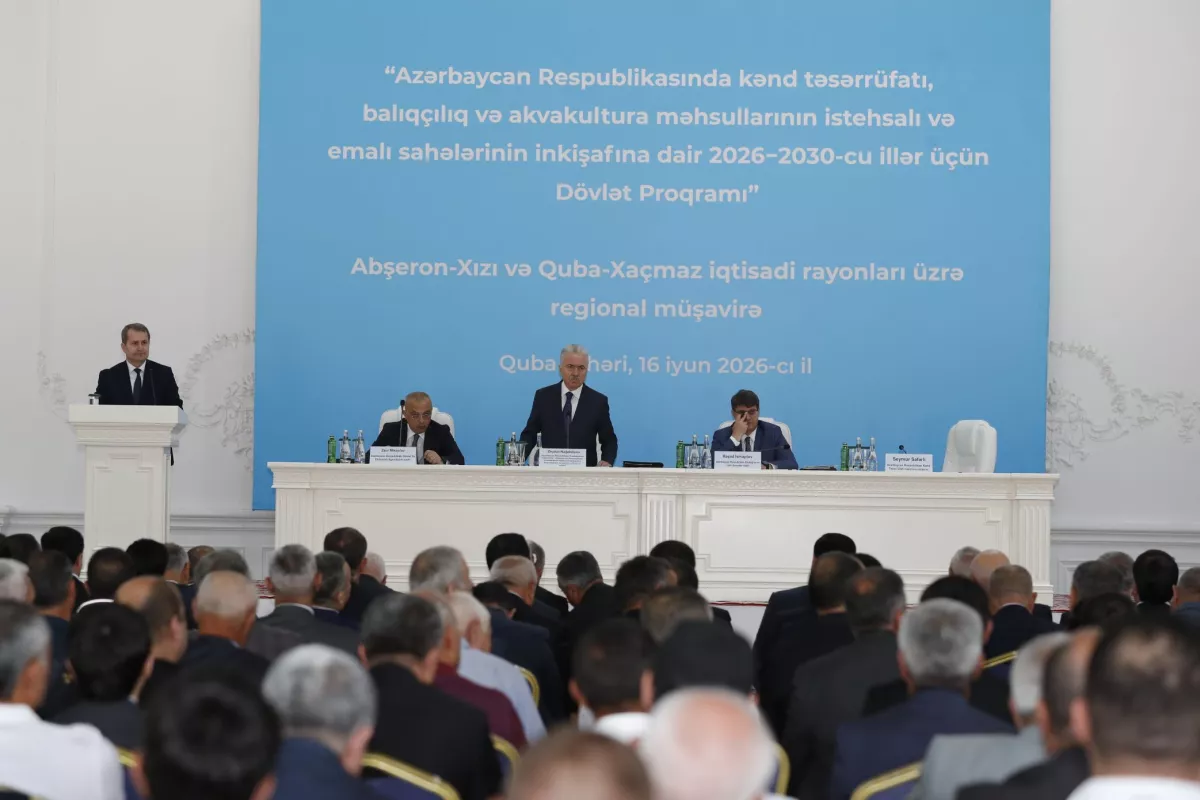
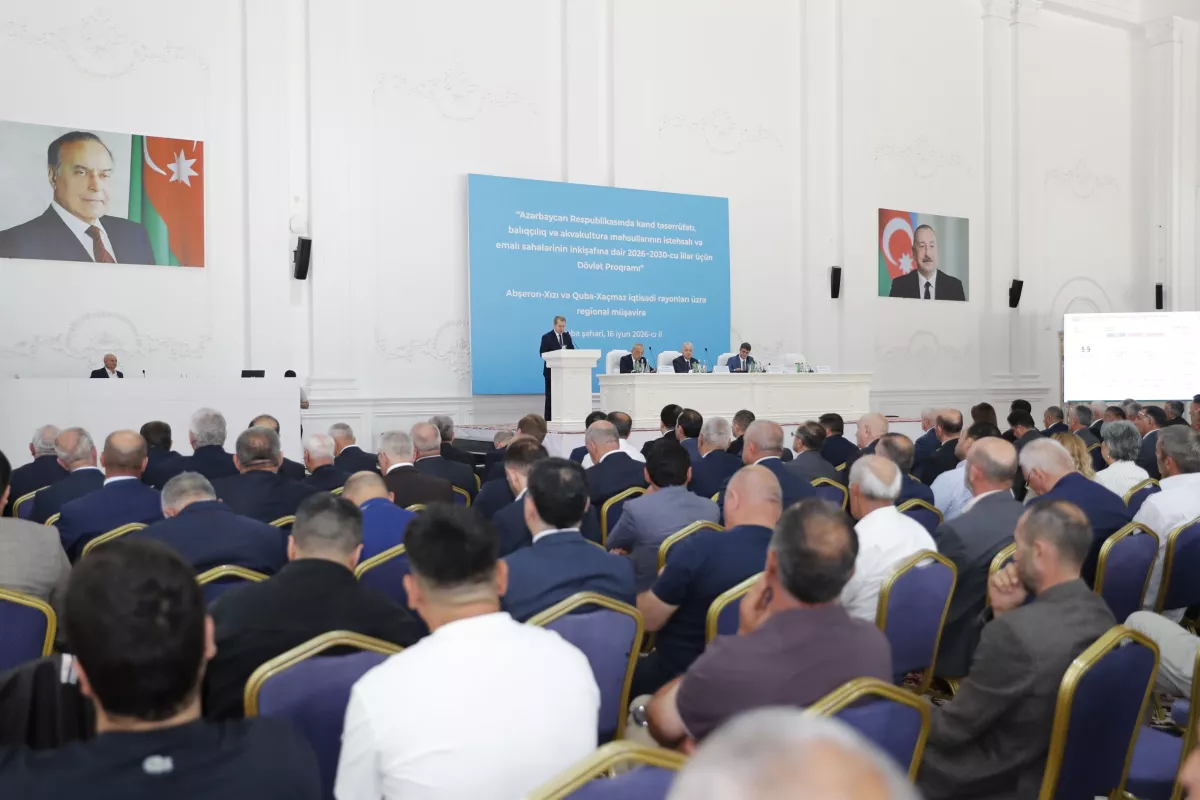
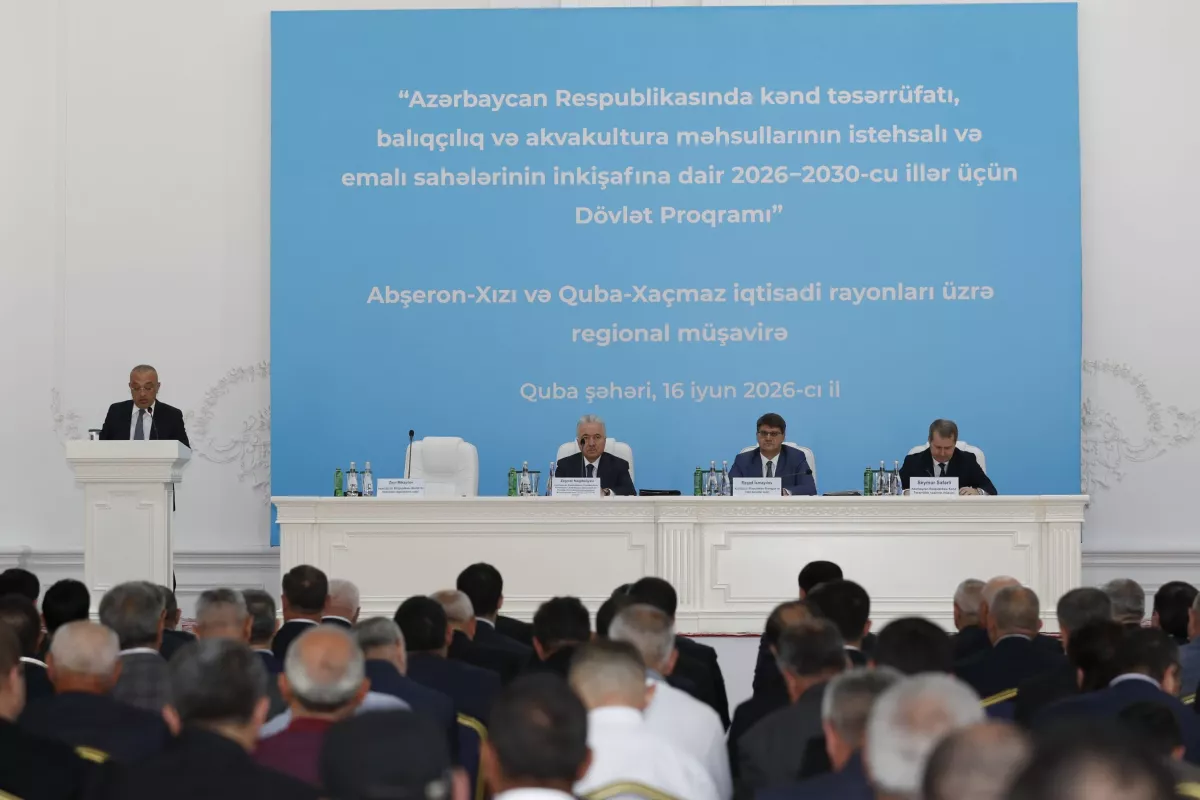
A spacious hall in one of the hotels in Guba was filling up well before the start on Tuesday. Sitting there were mainly those for whom the whole event had been organised — people accustomed to measuring harvests in centners and water in cubic metres. Between 250 and 260 entrepreneurs from the Absheron–Khizi and Guba–Khachmaz economic regions had gathered to hear what exactly the state plans to change in Azerbaijan’s rural areas over the next five years. This was the seventh such meeting in a row.
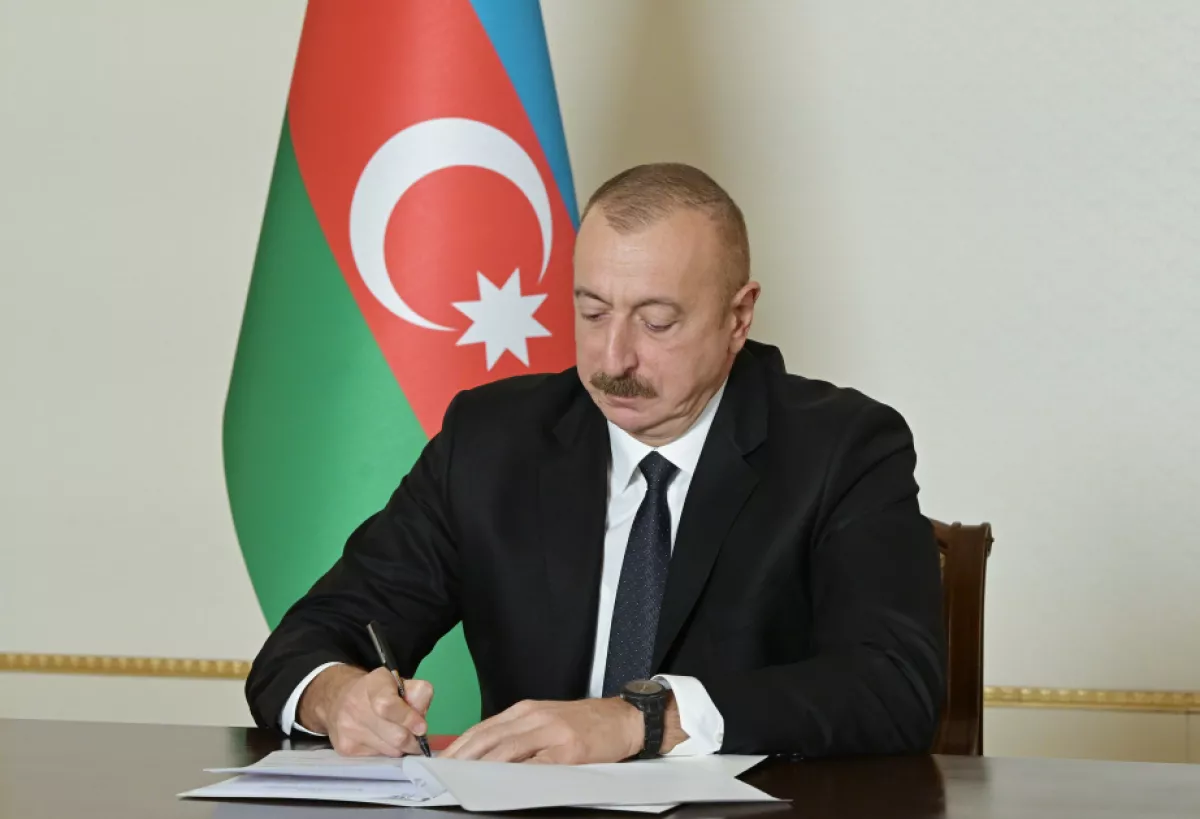
The reason for the gathering was significant. On May 25, President Ilham Aliyev signed an order approving the State Programme for the Development of Production and Processing of Agricultural, Fishery, and Aquaculture Products for 2026–2030. The document is extensive, covering almost everything that grows and grazes on Azerbaijani soil, but its essence was summed up in one phrase repeatedly echoed in Guba that day: the country imports too much and produces too little on its own, and this must change.
The figure that warranted gathering the meeting was announced by Presidential Assistant and Head of the Department for Territorial and Organisational Issues of the Presidential Administration, Zeynal Naghdaliyev: Azerbaijan imports more than 1.2 million tonnes of grain. For a country that has historically been self-sufficient in feeding itself, the number is uncomfortable. “Mr. President addressed entrepreneurs with a call that we must reduce the volume of imported products, decrease their share, and in a similar way increase the level of self-sufficiency. This is the main goal,” said Naghdaliyev.
He also explained why seven regional trips were needed instead of a single decree from Baku. The President instructed not only to communicate the programme, but also to listen to those who will implement it. “The aim is to organise broad discussions of this programme, and at the same time to listen to entrepreneurs, to study the problems that concern them,” the Presidential Assistant noted, adding that the opinions of these people in each meeting were taken into account as a matter of priority.
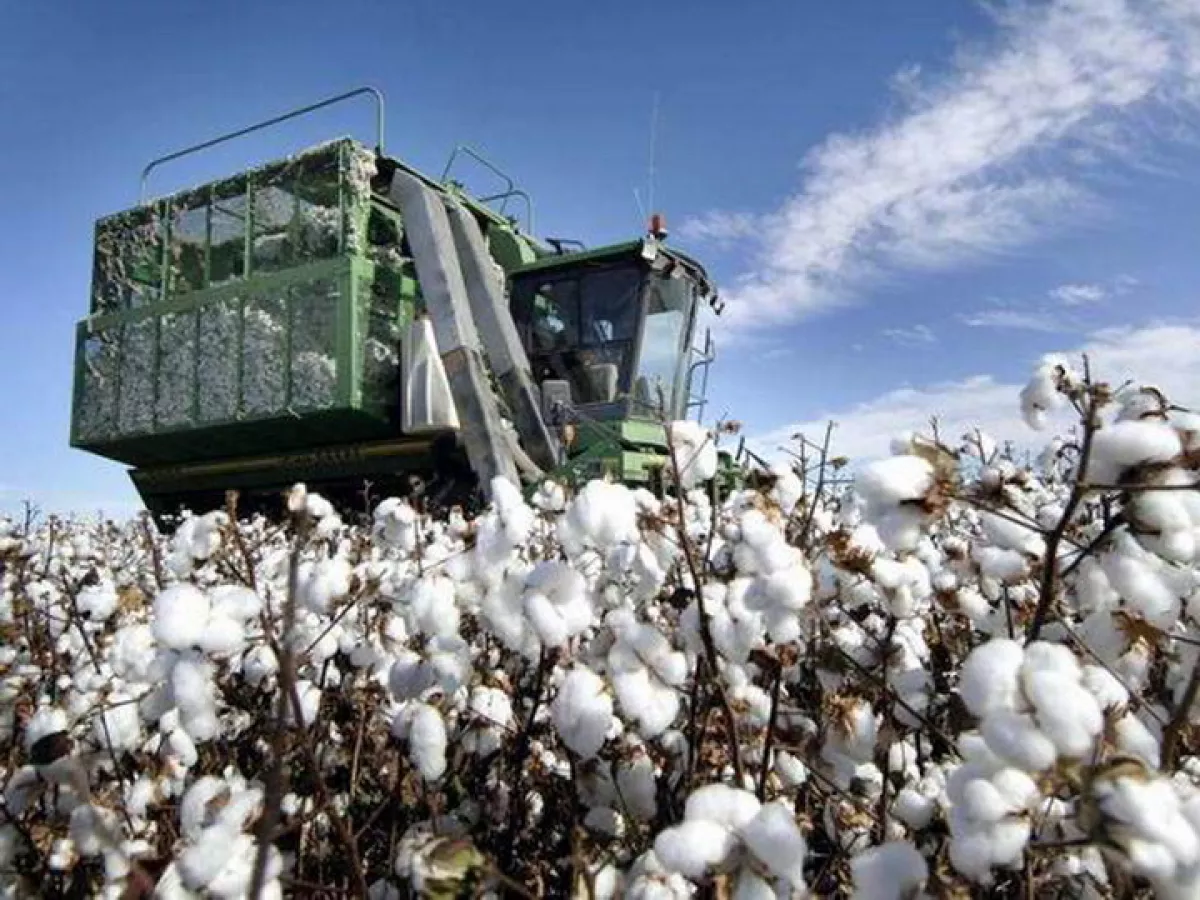
Naghdaliyev did not pretend that everything had been bad until now. He listed what Azerbaijani rural areas can be proud of — and the list turned out to be quite substantial. Cotton farming has now reached a yield of 36.1 centners per hectare, which, for a sector that went through a period of neglect, is a record. The area of hazelnut orchards has doubled since 2016, and in the Guba–Khachmaz zone it has grown 2.4 times — from 8,000 hectares to 19,000. And yet, according to the presidential assistant, the head of state is not satisfied with these achievements. “The current situation in agriculture, in particular the dynamics of sectoral development, does not satisfy him,” Naghdaliyev conveyed the presidential assessment.
At the same time, the presidential assistant stated that, for the implementation of the State Programme, the Azerbaijani government intends to allocate 2 billion manats ($1.2 billion) from the state budget, while the private sector’s share is expected to amount to around 3 billion manats ($1.8 billion).
Then Deputy Minister of Agriculture Seymur Safarli took the floor and shifted the tone to a more practical one — the kind of language the farmers had come for. He immediately cautioned that the figures mentioned might not be final. “These figures will be reassessed once again by the working groups established within the Ministry of Agriculture. Yes, they may increase, they may become even larger,” he said, and the hall, presumably, appreciated that remark.
The logic behind the approach to wheat turned out to be unexpectedly sophisticated. Instead of imposing a uniform target across the country, the ministry broke the regions down into categories — based on land potential, irrigation capacity, farm sizes, and readiness for laser land levelling. Twenty-two districts were designated as priority: these are the main grain-producing areas, where conditions allow for the expansion of irrigated land and the deployment of modern machinery. Khachmaz and Shabran were included in this core group. Another 31 districts were assigned to rainfed agriculture, where farming depends on rainfall rather than irrigation; this group includes Absheron, Khizi, Guba, and Siyazan, where the focus is not on water supply but on improving agricultural practices. Gusar was placed among eight “promising” districts: irrigation and land reclamation are currently insufficient there, but once these issues are addressed, the region could produce high-yield grain on par with the priority areas.
Behind this classification lie concrete commitments. In priority districts, the average yield is expected to reach 50 centners per hectare; in rainfed areas — 30 centners; and promising districts are to be gradually brought up to the same 50-centner level as water and infrastructure reach the fields. Safarli listed the means of achieving this without grand rhetoric: modern irrigation, shared agricultural machinery, laser land levelling, strengthened agronomic control, and land reclamation. Behind each of these points are not just intentions, but funding and deadlines.
The most tangible part for those sitting in the hall began when the deputy minister moved on to who would pay for all this and how. The state will cover the interest burden: the portion of the annual loan rate on annual crops exceeding 19 per cent will be paid by the budget. For a farmer used to bank interest rates eating into working capital faster than a field can produce a harvest, this is not an abstraction but something close to breathing space. A separate incentive was introduced for laser land levelling — a technology that saves water and increases yields: for every tonne of grain delivered from a levelled field to a mill, both the farmer and the mill will receive an additional payment. In this way, the state is not merely encouraging innovation, but linking the entire chain — from grower to processor. In total, laser land levelling is planned to be introduced on 84,900 hectares across twenty-two districts.
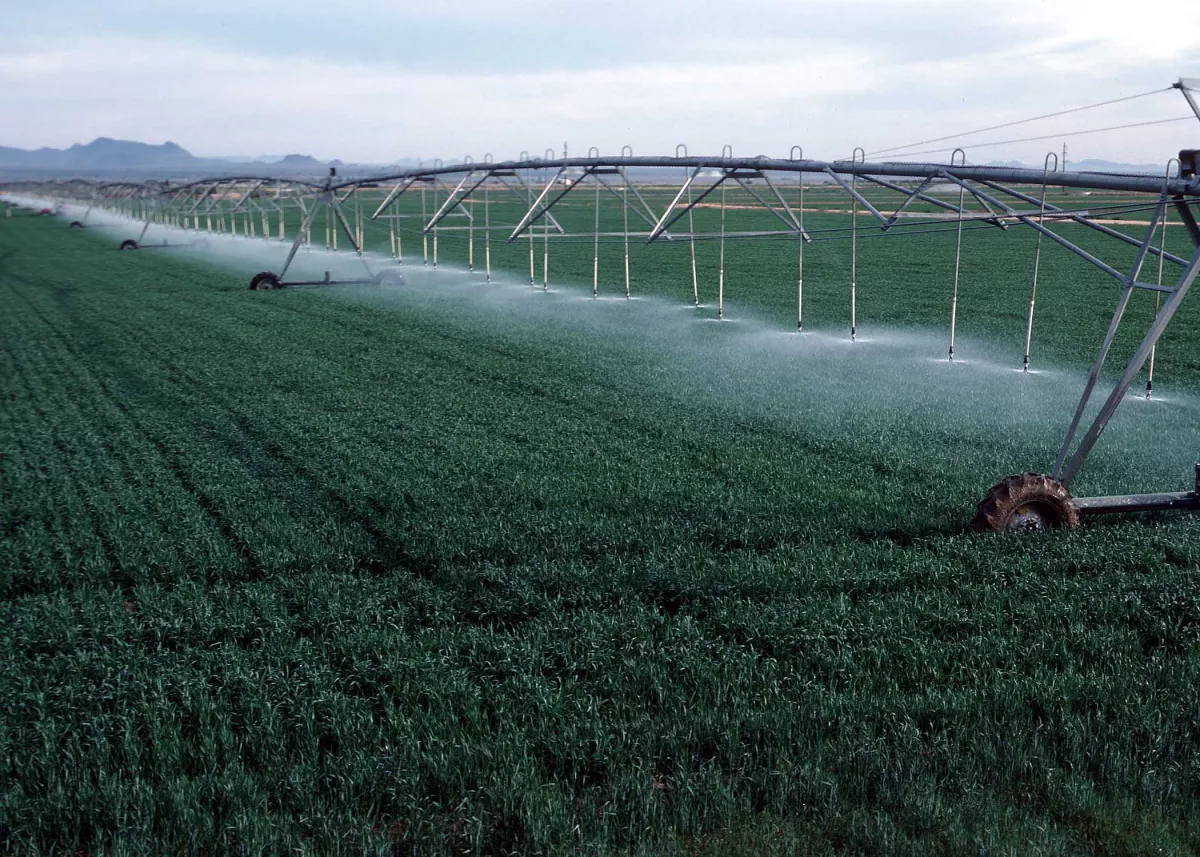
Safarli paid special attention to water, and it is clear why. Today, modern irrigation systems — centre-pivot, drip, and sprinkler systems — cover 130,000 hectares. By 2030, this area is planned to reach 300,000 hectares. The systems will be sold to farmers on preferential terms, with the remaining cost financed through low-interest loans, reduced down payments, and extended grace periods.
At the same time, the 22 priority districts will receive 571 new grain harvesters. A combine harvester that brings in the crop on time means saved yield that would otherwise be lost to shattering — the difference, quite literally, between profit and loss that farmers can feel directly.
But harvesting is only half the job, and the deputy minister emphasised this point in particular. “When a farmer has no ability to store their harvest after collection, they are forced to sell immediately and often at a low price,” Safarli said, describing a familiar trap for everyone in the hall: in autumn, the market is flooded, prices fall, and there is nowhere to wait it out. The programme responds with new grain storage facilities with a capacity of 150,000 tonnes and refrigerated storage of 100,000 tonnes. The state will cover 40 per cent of the equipment cost and subsidise 40–50 per cent of loan interest.
The ability to hold back grain or fruit until a more favourable price fundamentally changes the entire economics of farming — for both grain producers and orchard owners alike.
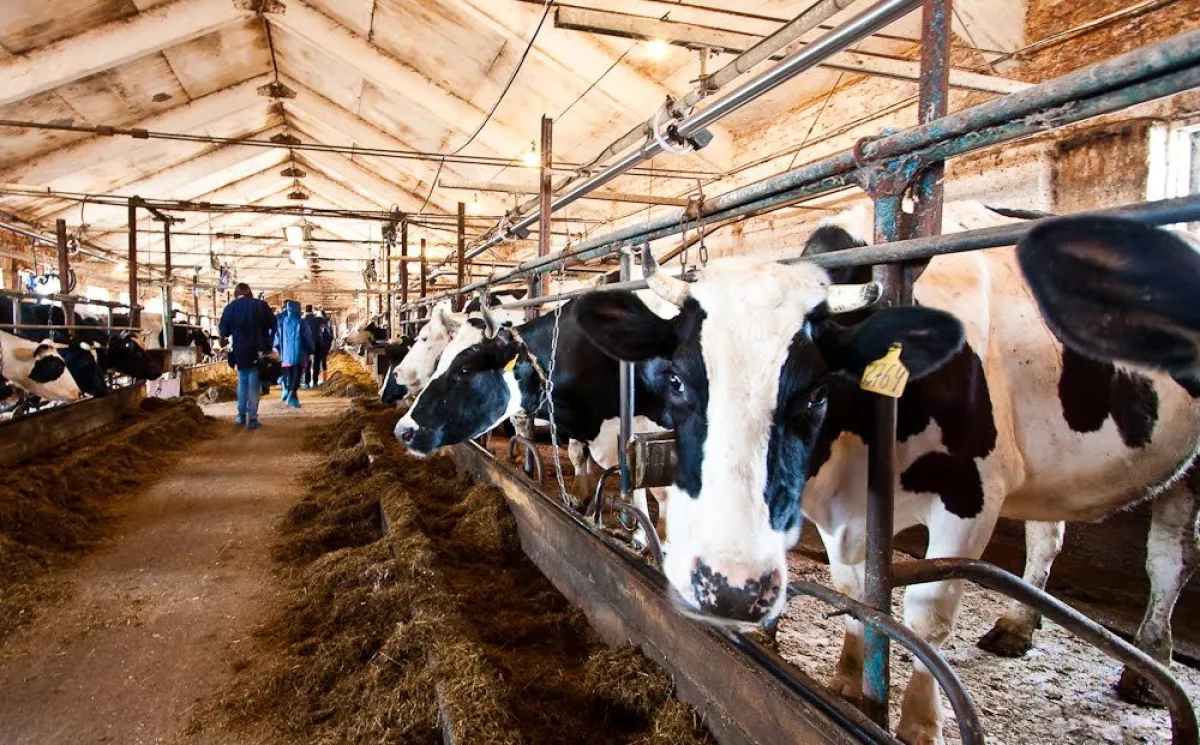
Safarli then moved from crop production to livestock, and the figures here proved no less ambitious. By 2030, milk production is expected to increase by 10 per cent, beef by more than 20 per cent, and the share of pedigree livestock in the herd is set to rise at least fourfold. To achieve this, dairy and meat clusters will be created across the country, comprising around 1,000 new farms of varying capacities, along with 90 milk collection points and 15 hide collection points. The logic remains the same as in grain production: to build not isolated production units, but a full chain from farm to retail. Safarli separately highlighted feed supply — productivity, he reminded, depends not only on breed. “If the feed base is weak, then even from a highly productive pedigree animal it is impossible to obtain the expected result,” he said.
Sheep farming — an industry almost traditional in the mountainous areas around Guba — was also not overlooked. By 2030, mutton production is expected to increase by at least 9 per cent, livestock numbers by 10 per cent, with the goal of achieving self-sufficiency. The programme includes 300 new semi-intensive farms across the country, 10 wool collection points, and one processing facility, as well as the restoration of 480,000 hectares of pastureland and the drilling of 100 sub-artesian wells for watering livestock. Behind this list lies an attempt to transform traditional nomadic grazing into a managed market-based system, where not only meat but also wool and hides enter economic circulation.
When the meeting ended, farmers left carrying very concrete numbers. Whether it will be possible to turn 1.2 million tonnes of imported grain into domestic yields of 50 centners per hectare will be proven over the next five years. But the format itself — taking the programme out of the capital and across the regions to be tested against those who actually work the land — suggests the thinking of people who understand that agricultural reform cannot be won in a ministerial hall. It is won in the field, and in Guba, that seems to be well understood.
By Kheyraddin Nasirzade







 editor@caliber.az
 +994 55 444-88-98
 Азербайджан, Баку, ул. Низами, 203, Af Business House, 5-й этаж