










Defence seeks acquittals for Armenian defendants in Baku trial PHOTO
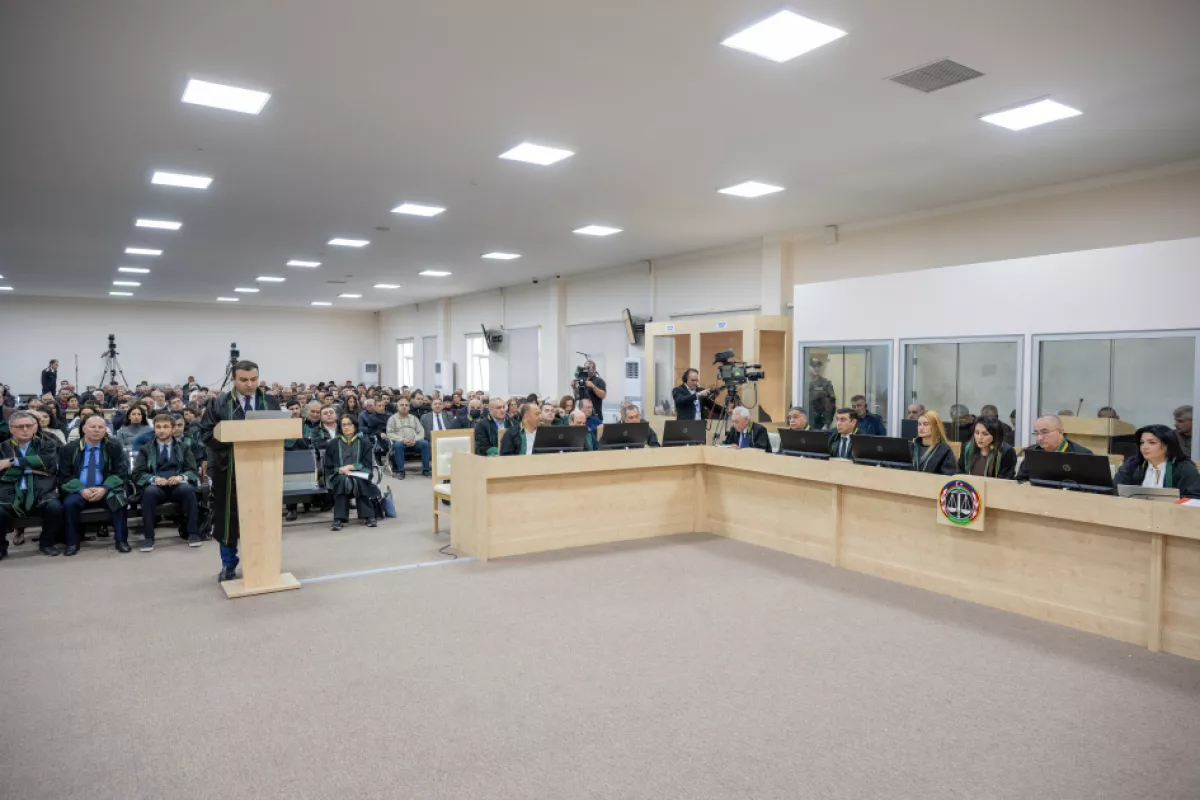
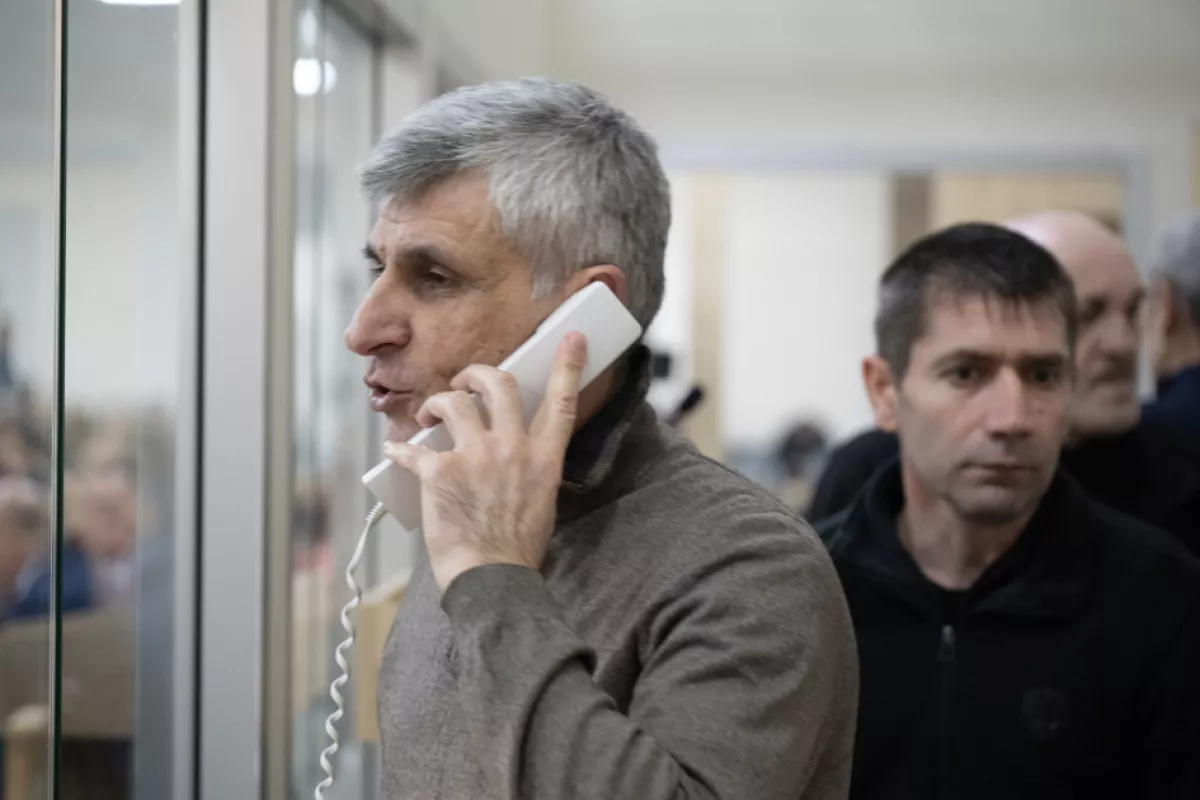
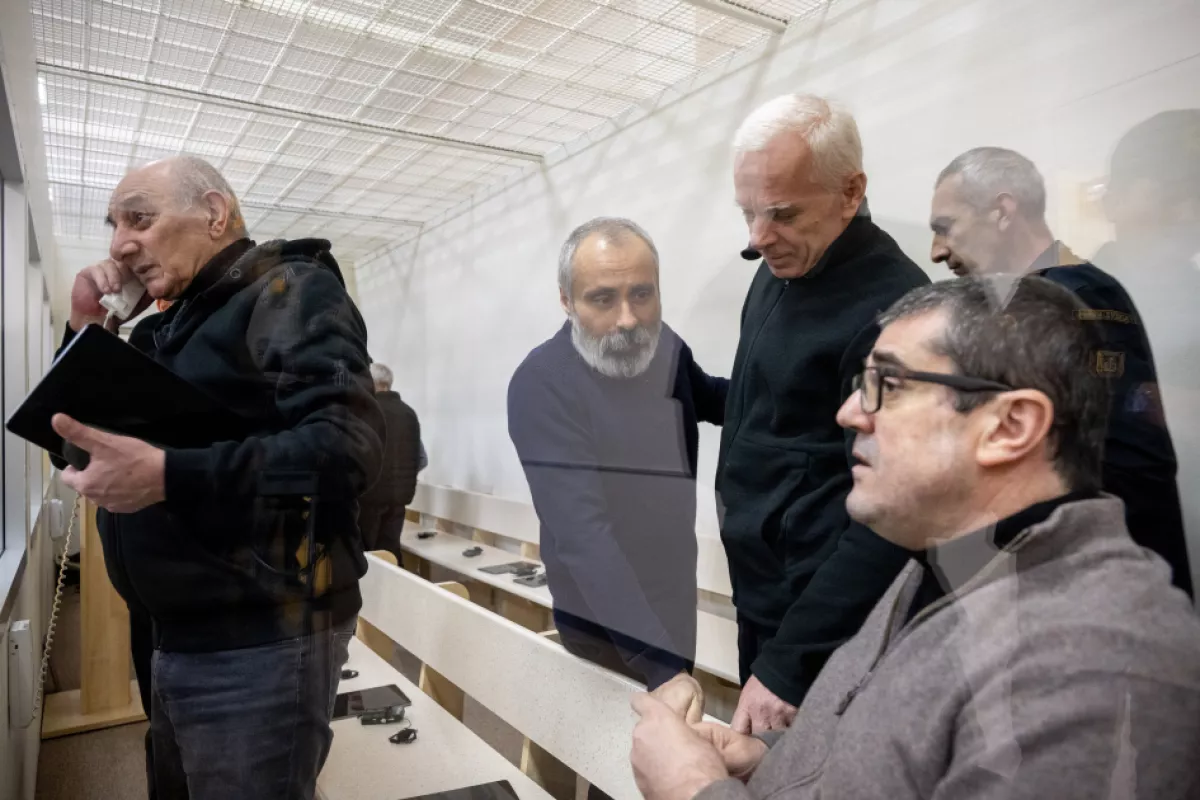
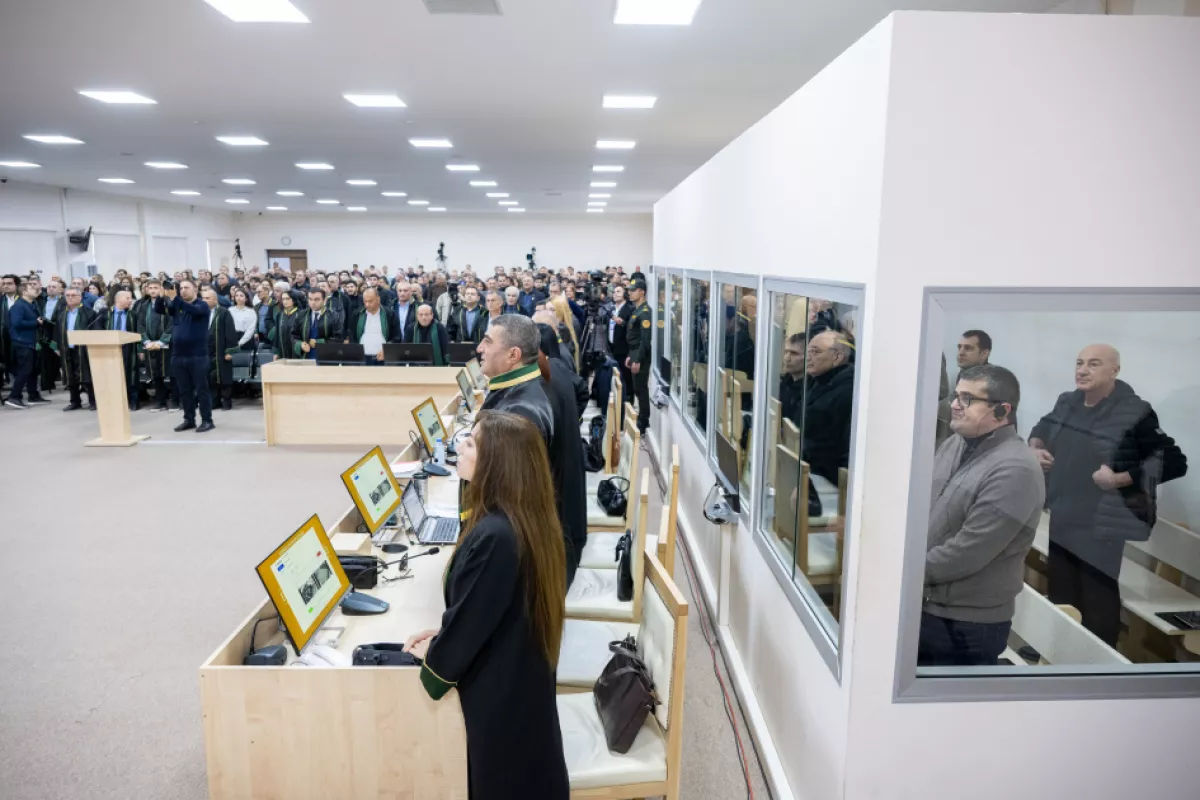
The open court session in the criminal case against citizens of the Republic of Armenia - Arayik Harutyunyan, Arkadi Ghukasyan, Bako Sahakyan, Davit Ishkhanyan, David Babayan, Levon Mnatsakanyan, and others - accused of crimes against peace and humanity, war crimes, including the preparation and conduct of aggressive war, genocide, violation of the laws and customs of war, as well as terrorism, financing of terrorism, forcible seizure of power, forcible retention of power, and numerous other crimes resulting from Armenia’s military aggression against Azerbaijan, continued on December 4.
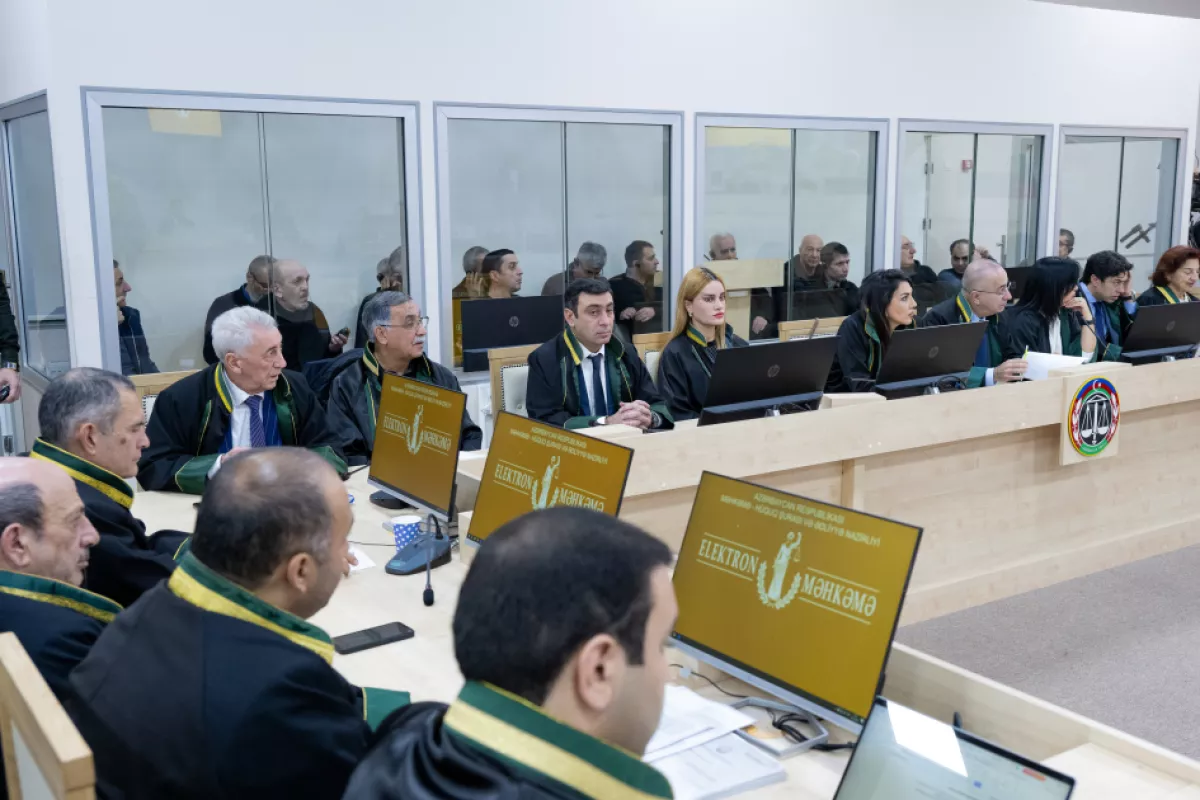
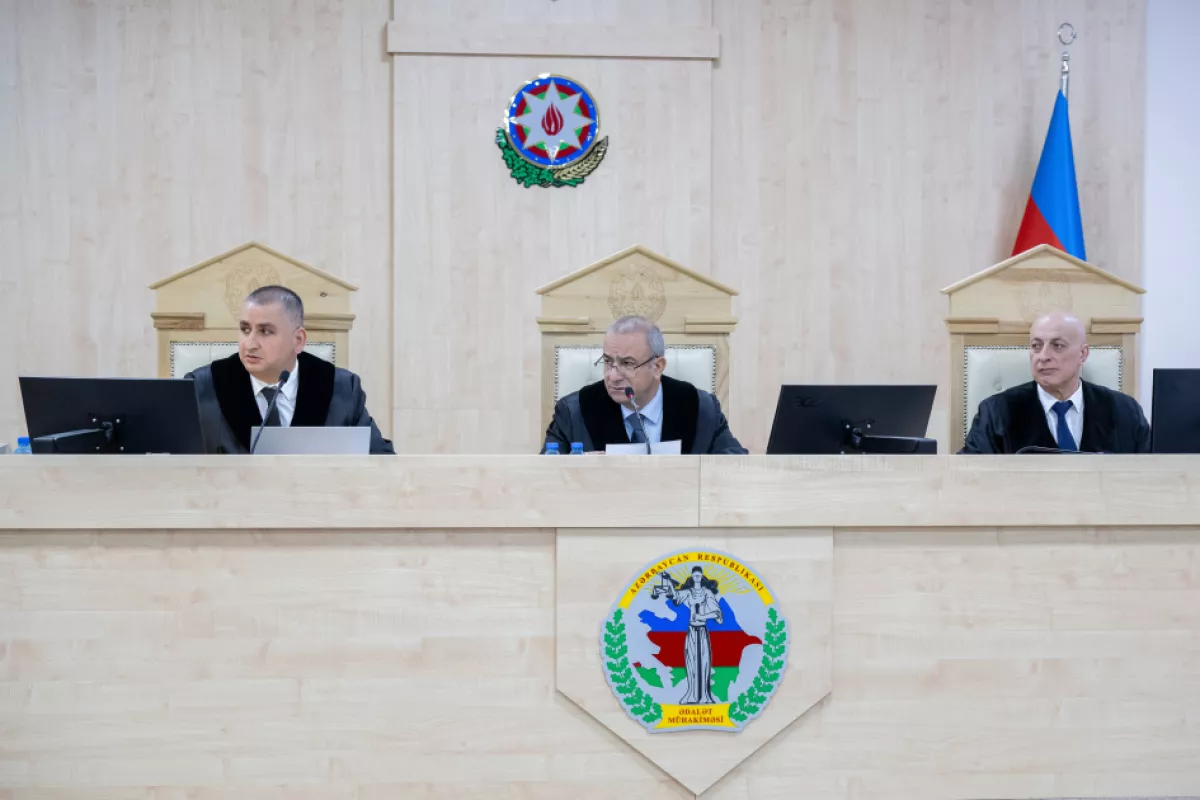
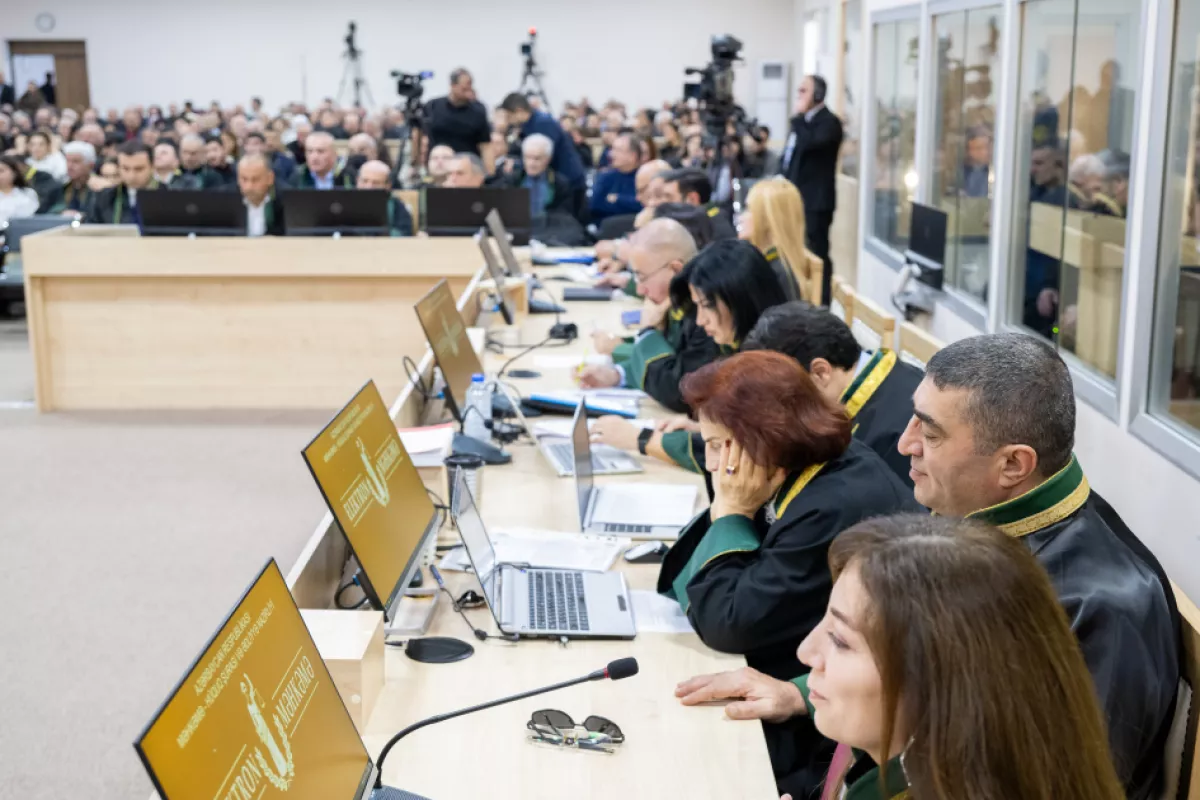
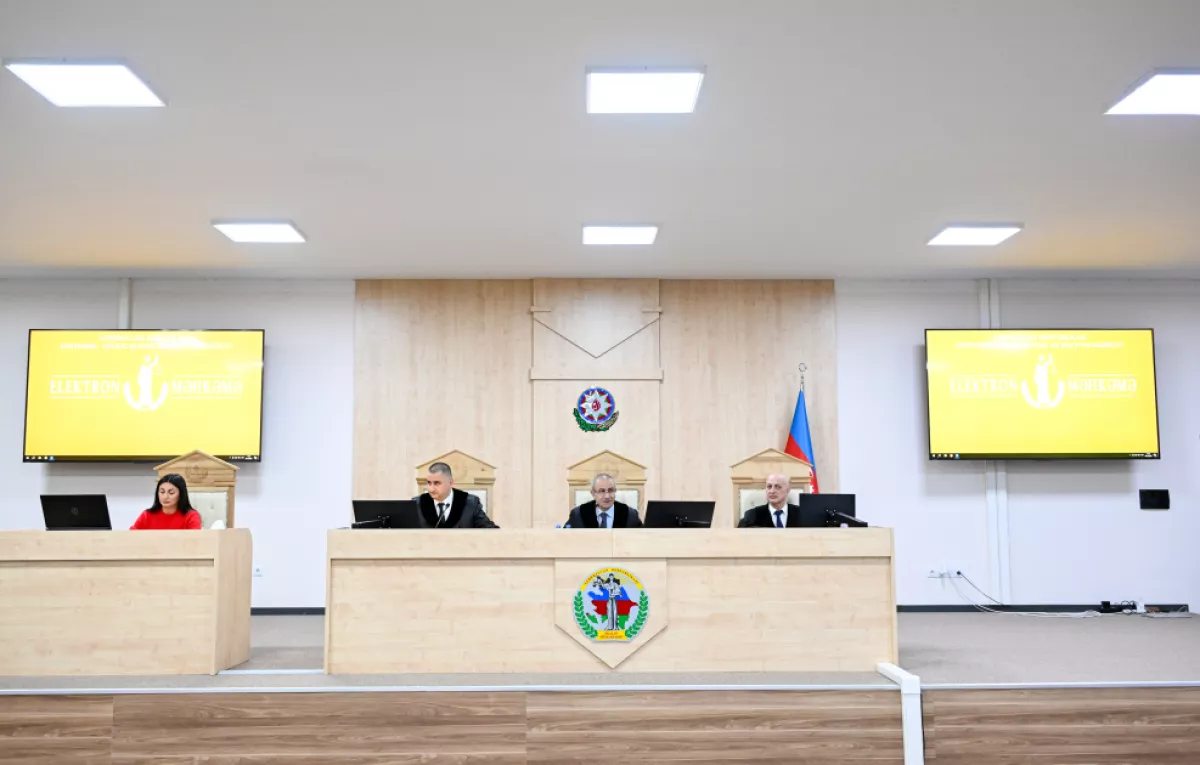
The court session at the Baku Military Court, chaired by Judge Zeynal Aghayev with a panel consisting of Jamal Ramazanov and Anar Rzayev (reserve judge Gunel Samadova), provided each accused with an interpreter in their native language and lawyers for their defense, Caliber.Az reports via local media.
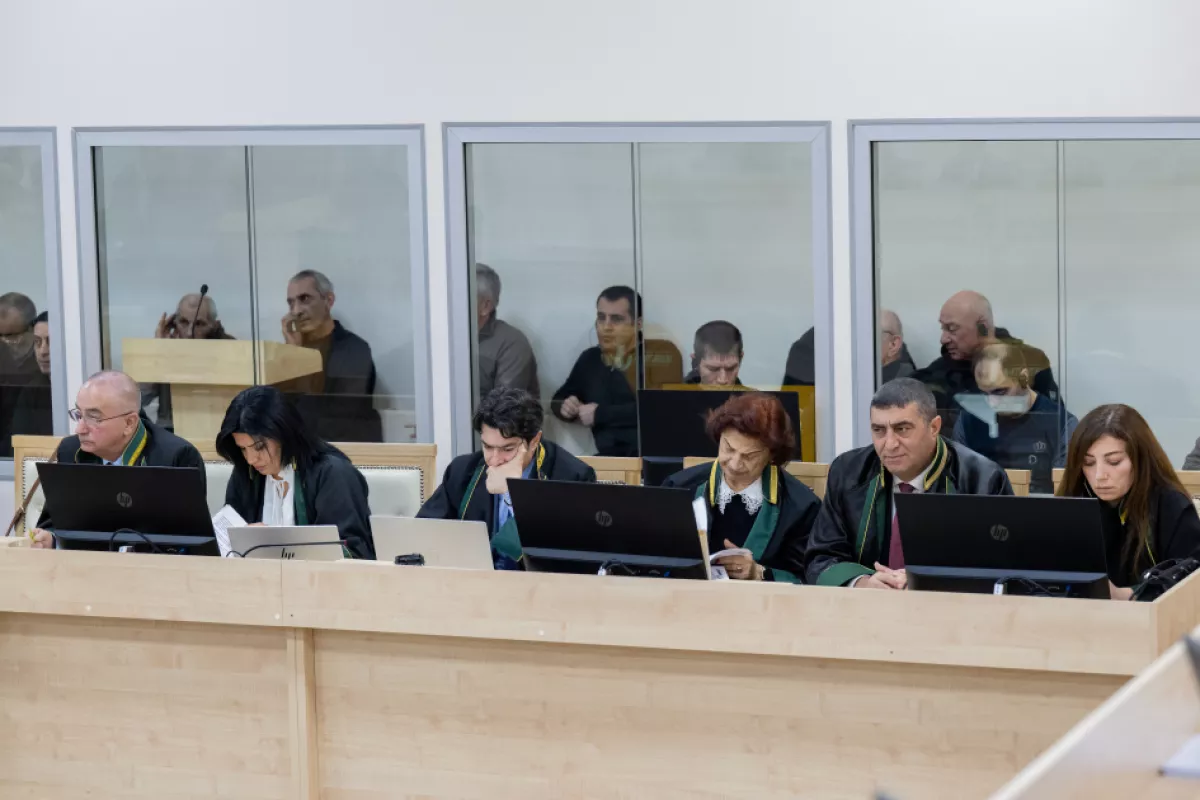
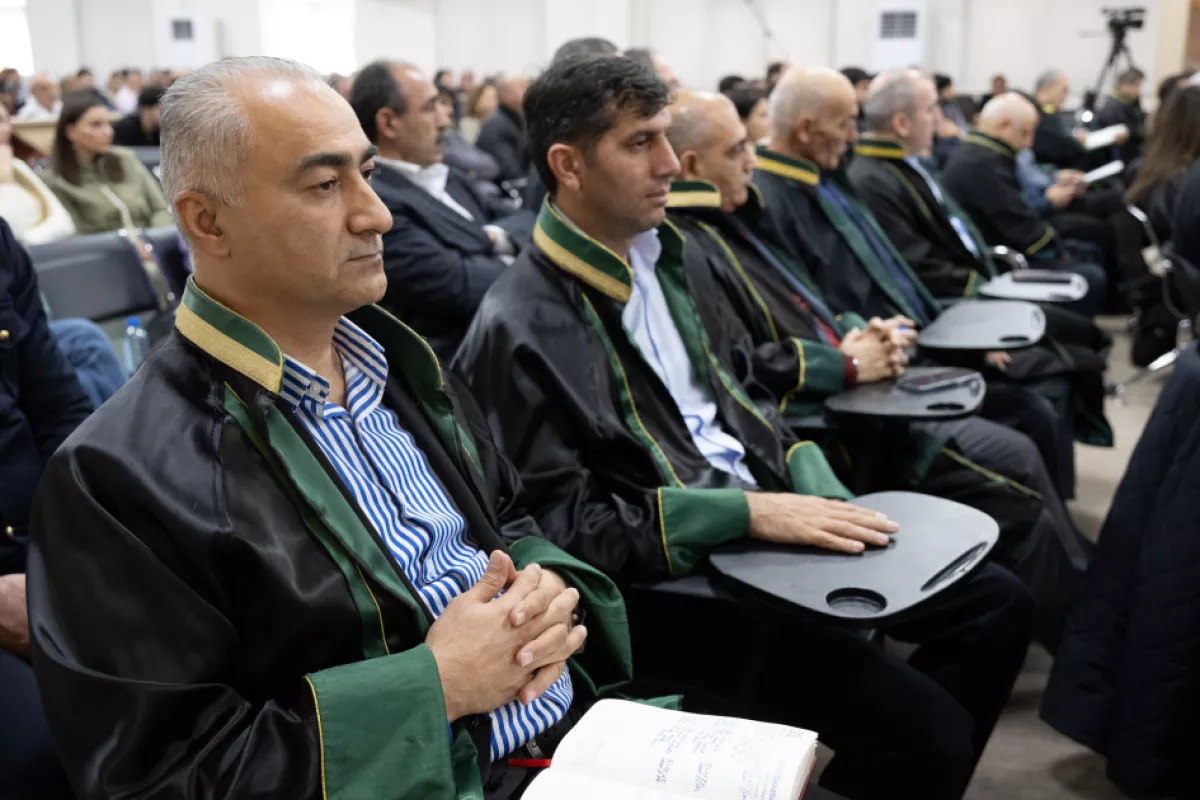
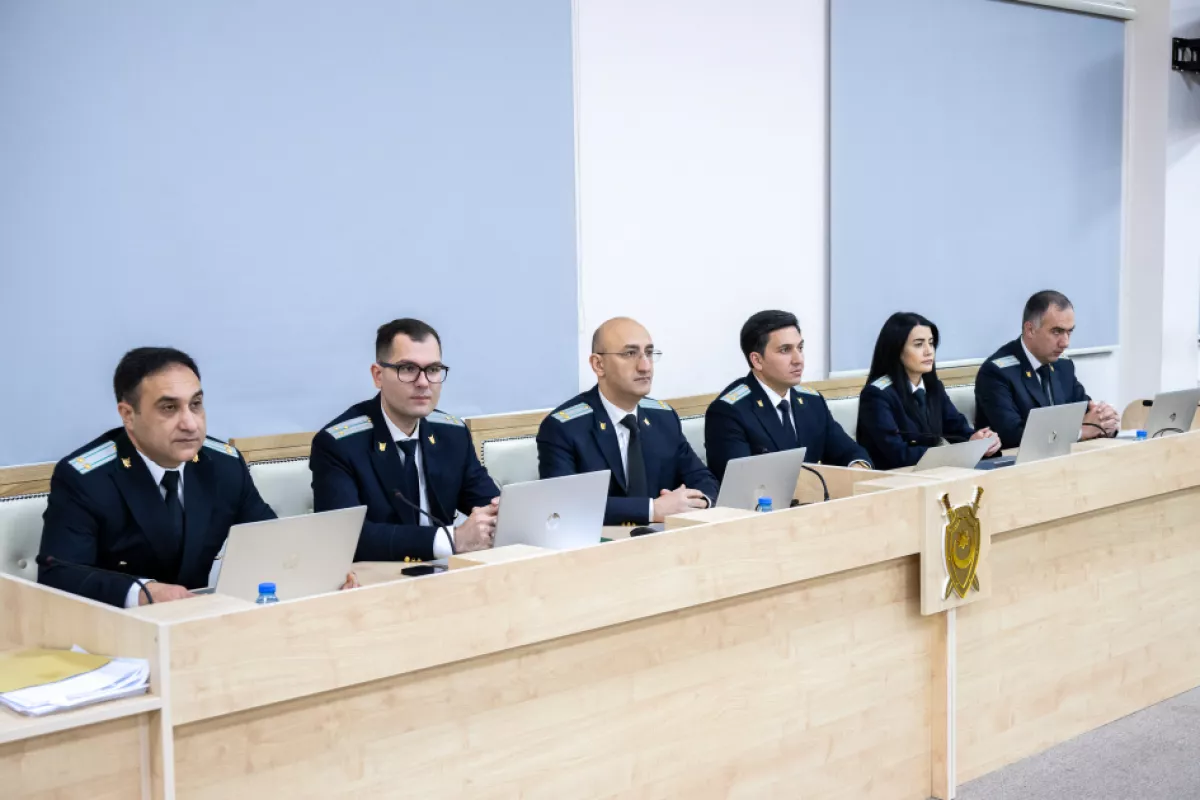
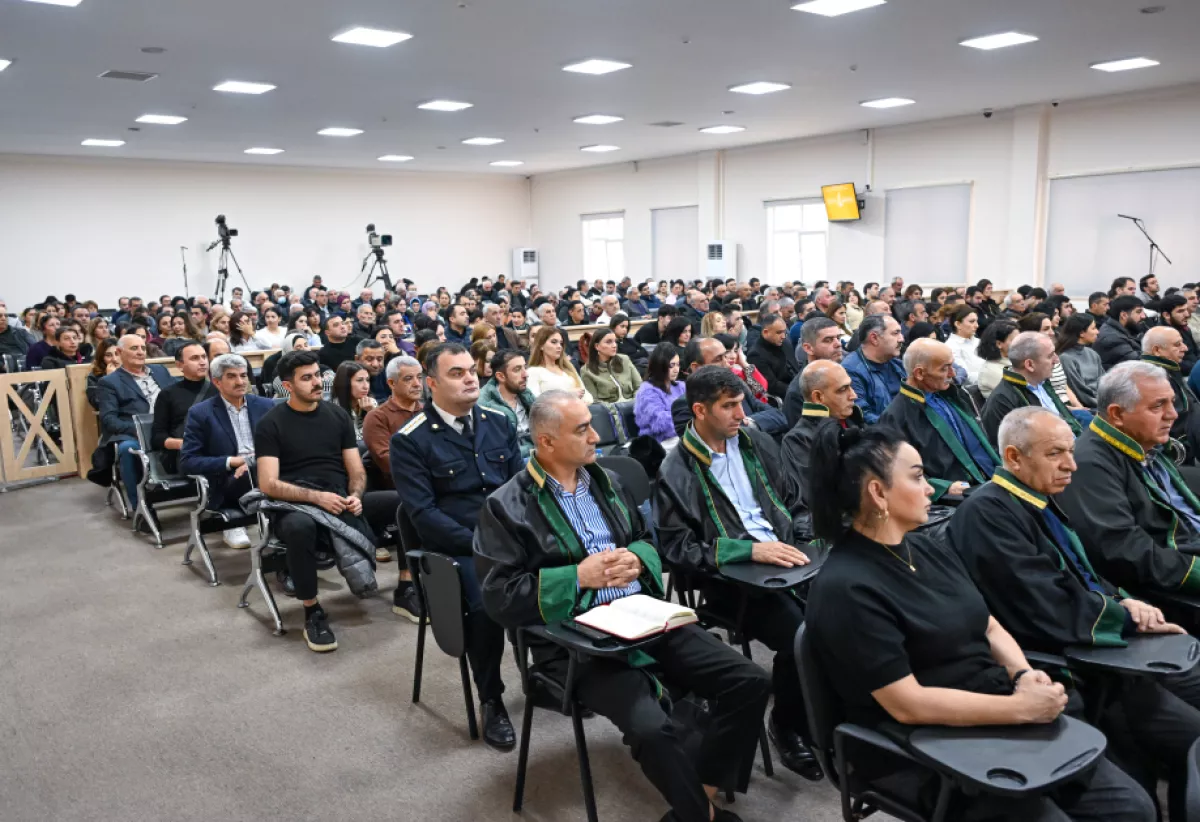
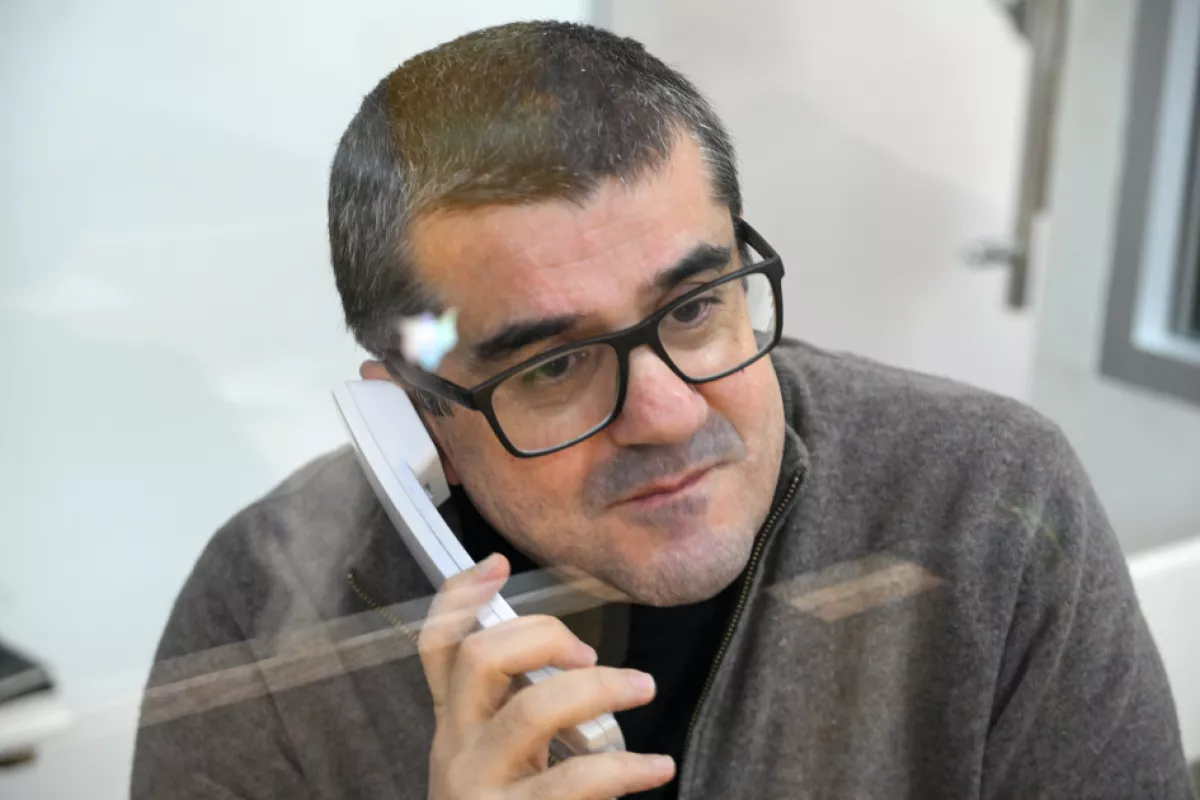
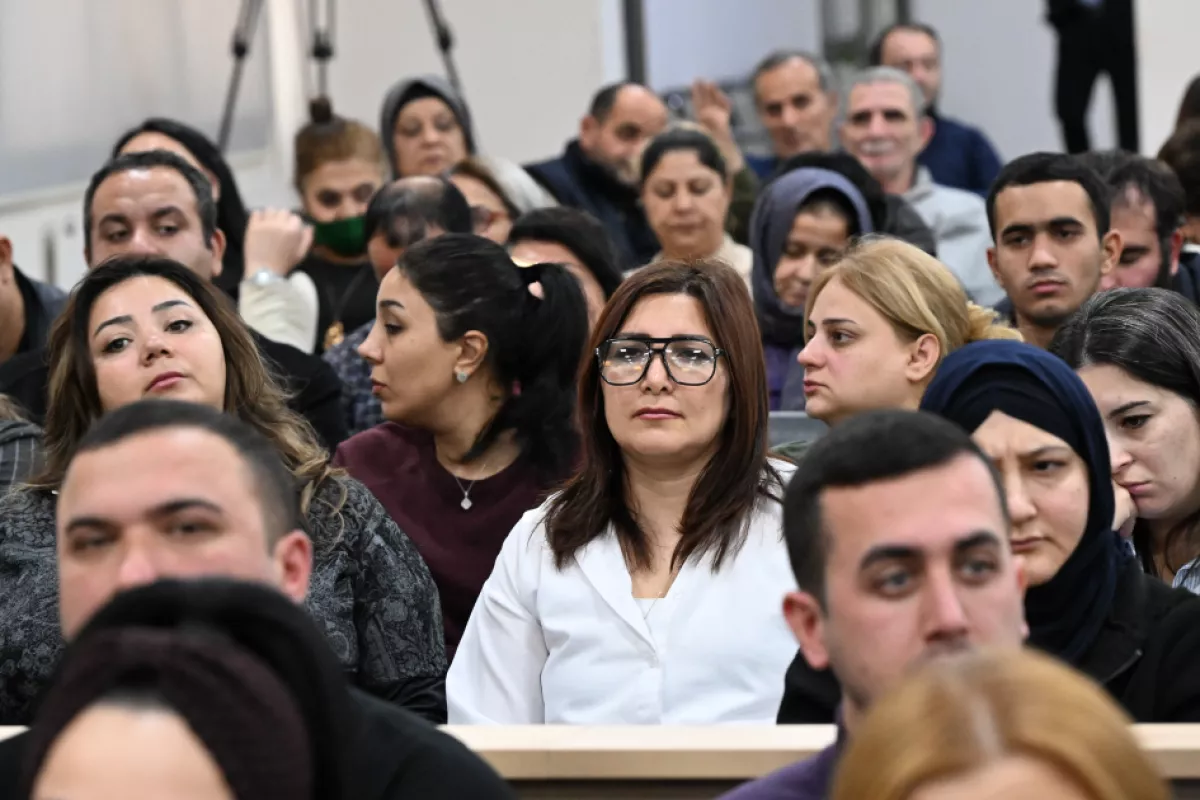
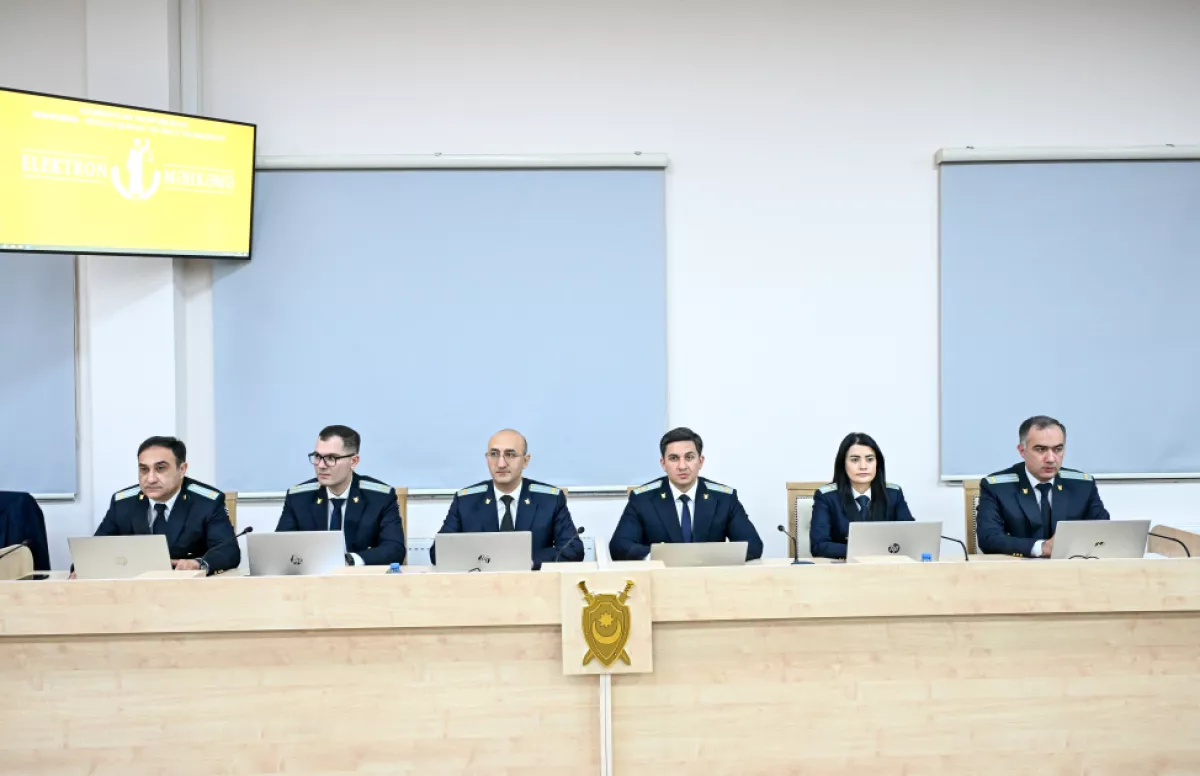
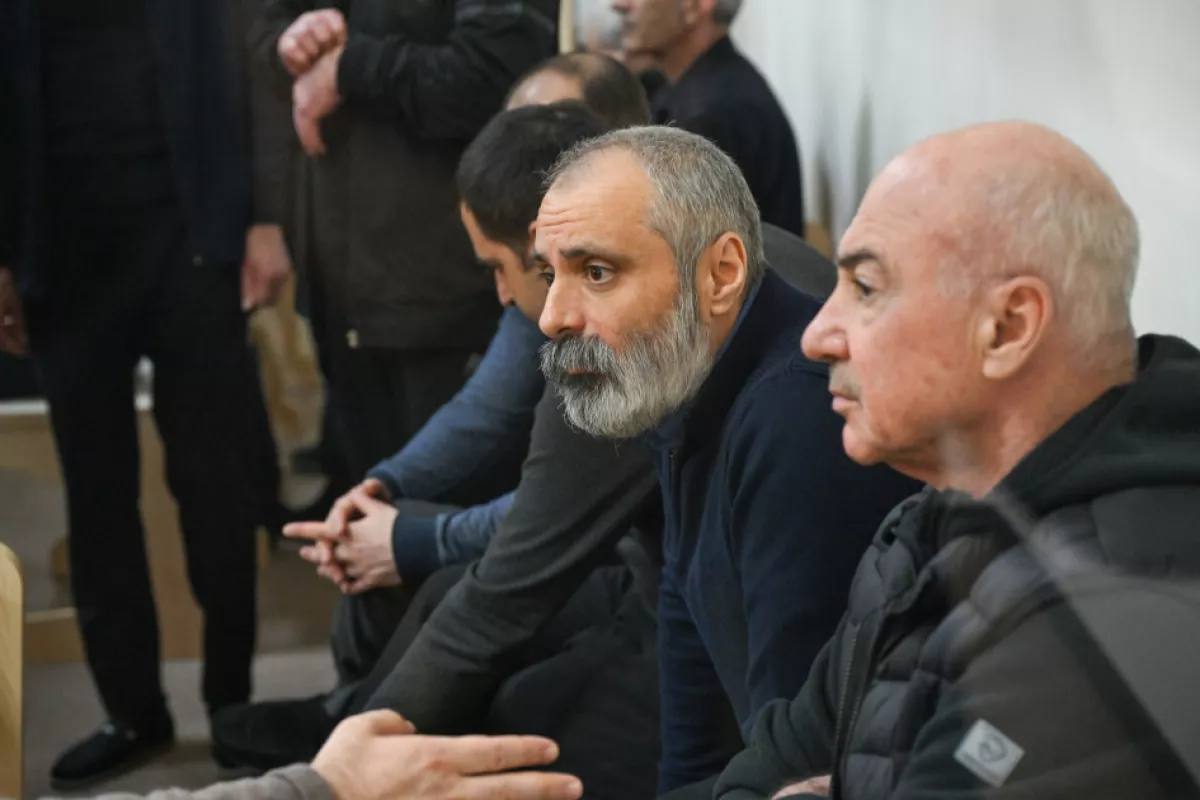
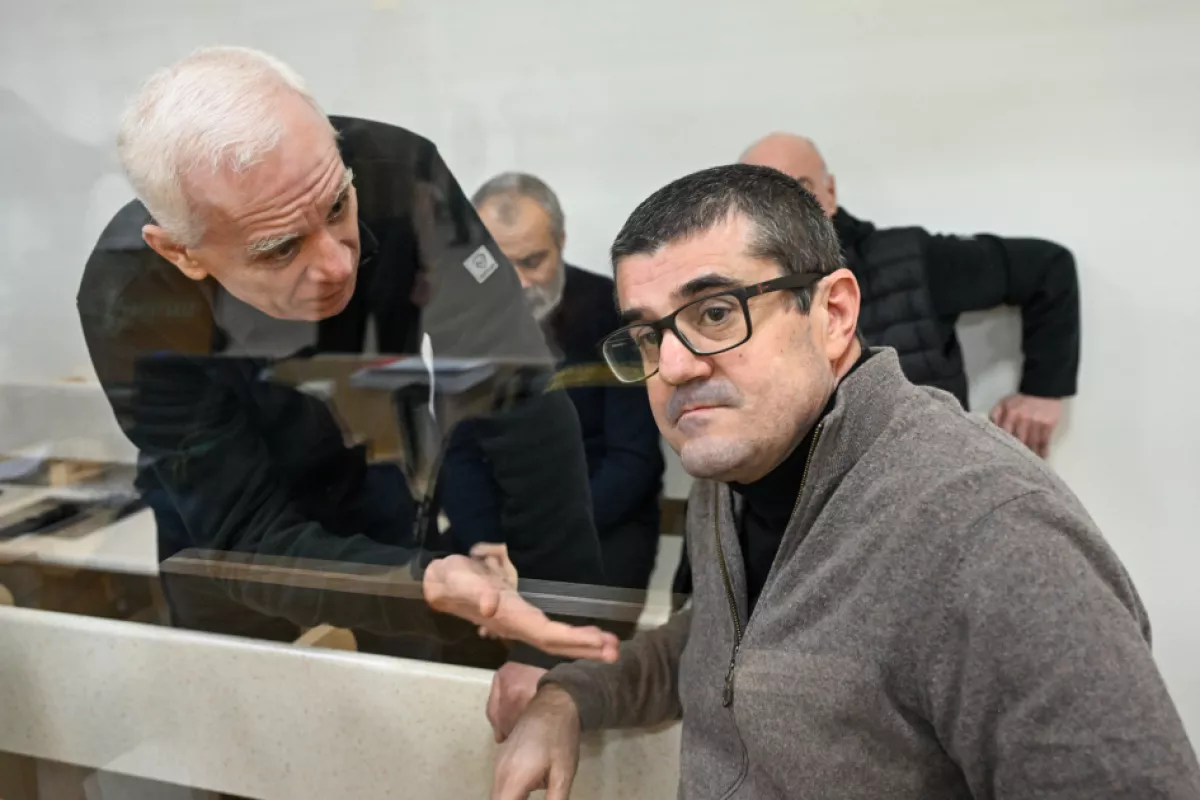
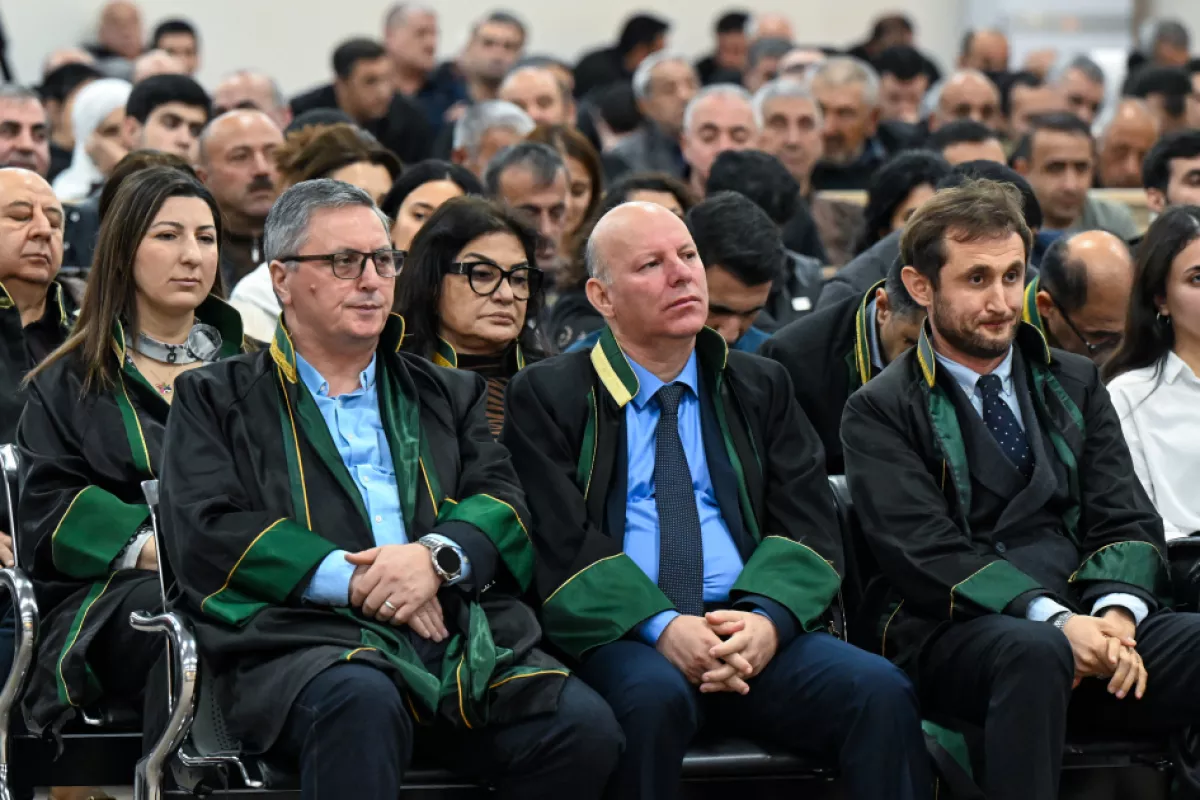
The session was attended by the accused, their defenders, some of the victims, their legal successors and representatives, as well as prosecutors defending the state accusation.
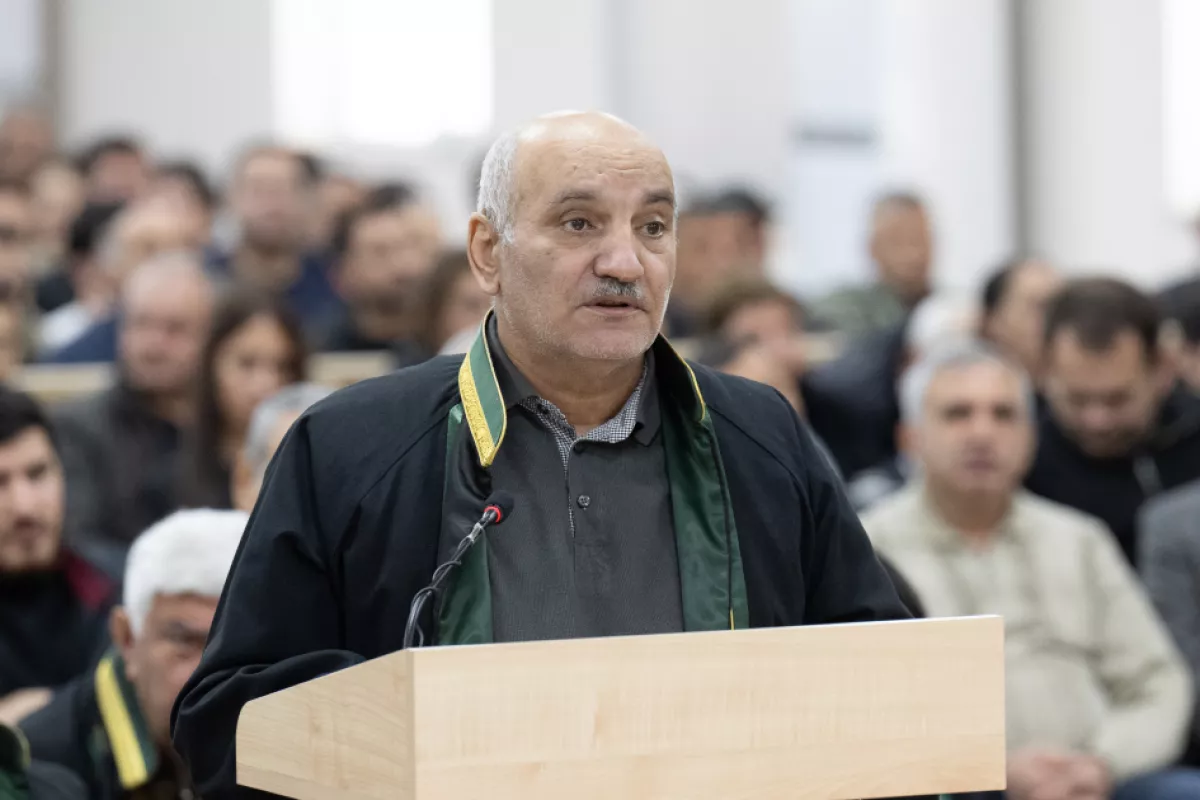
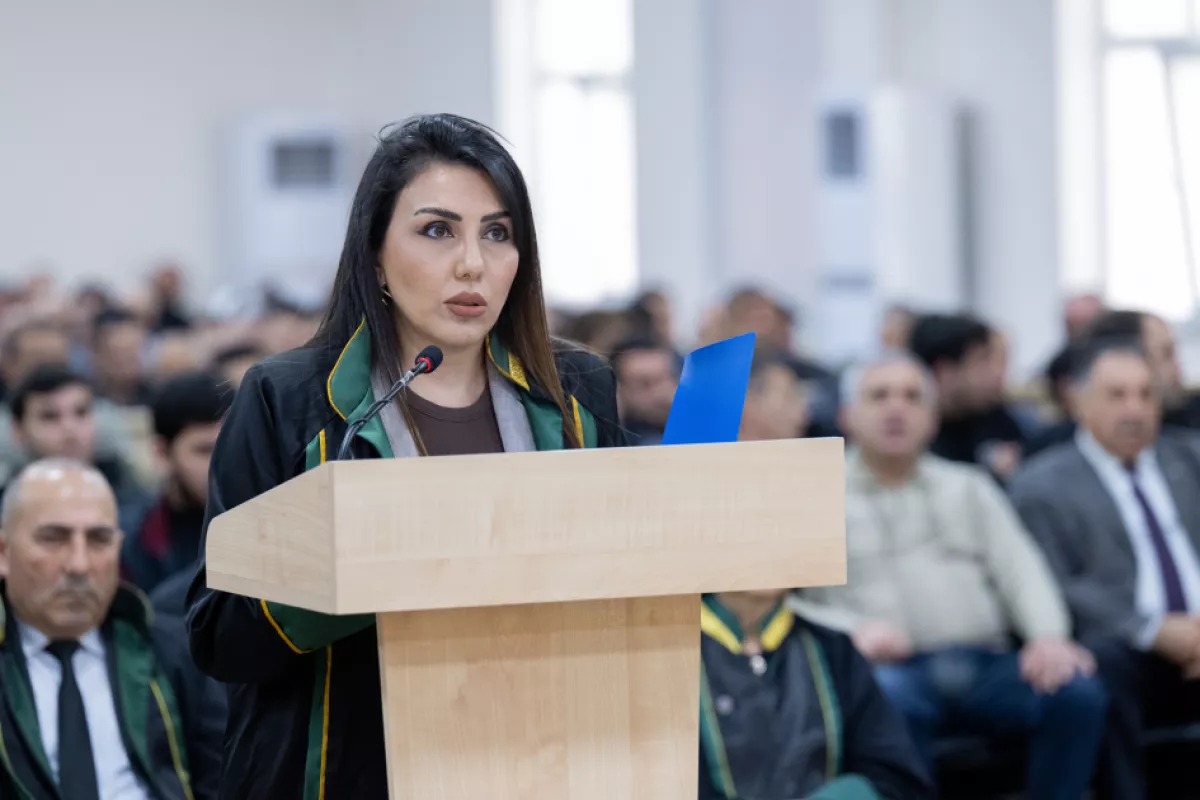
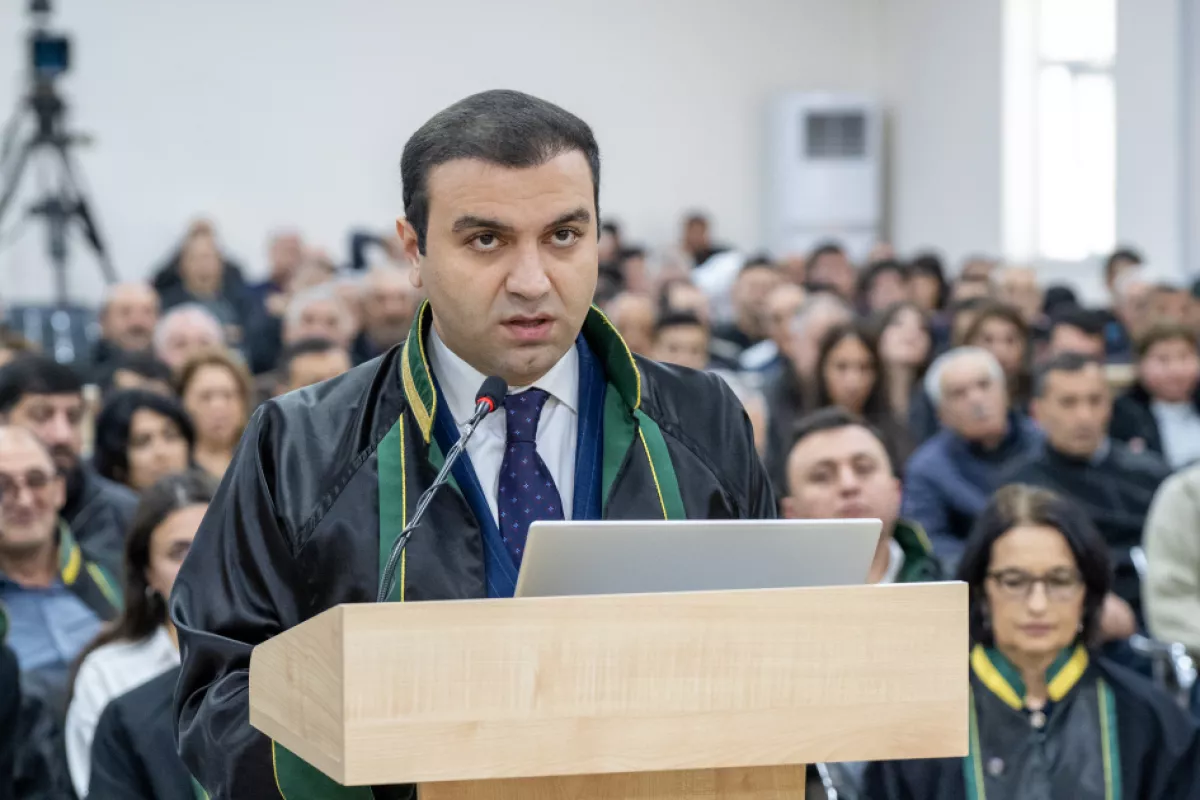
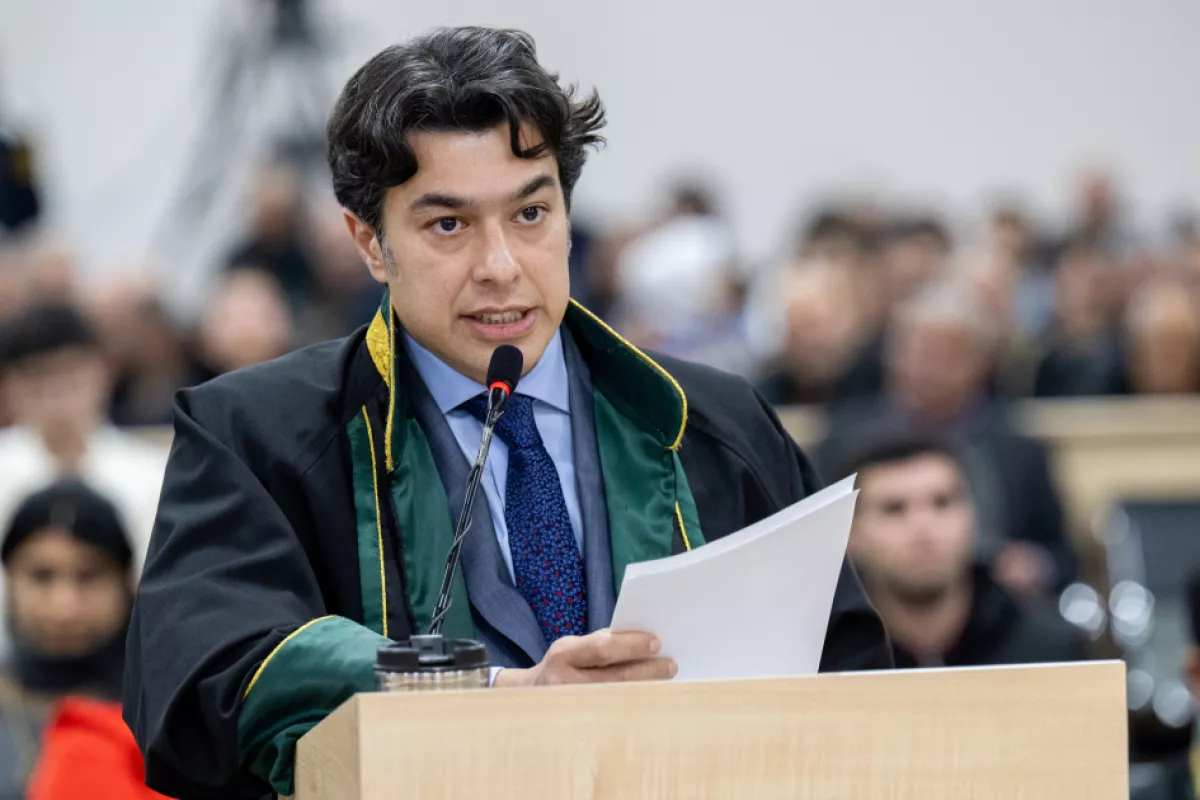
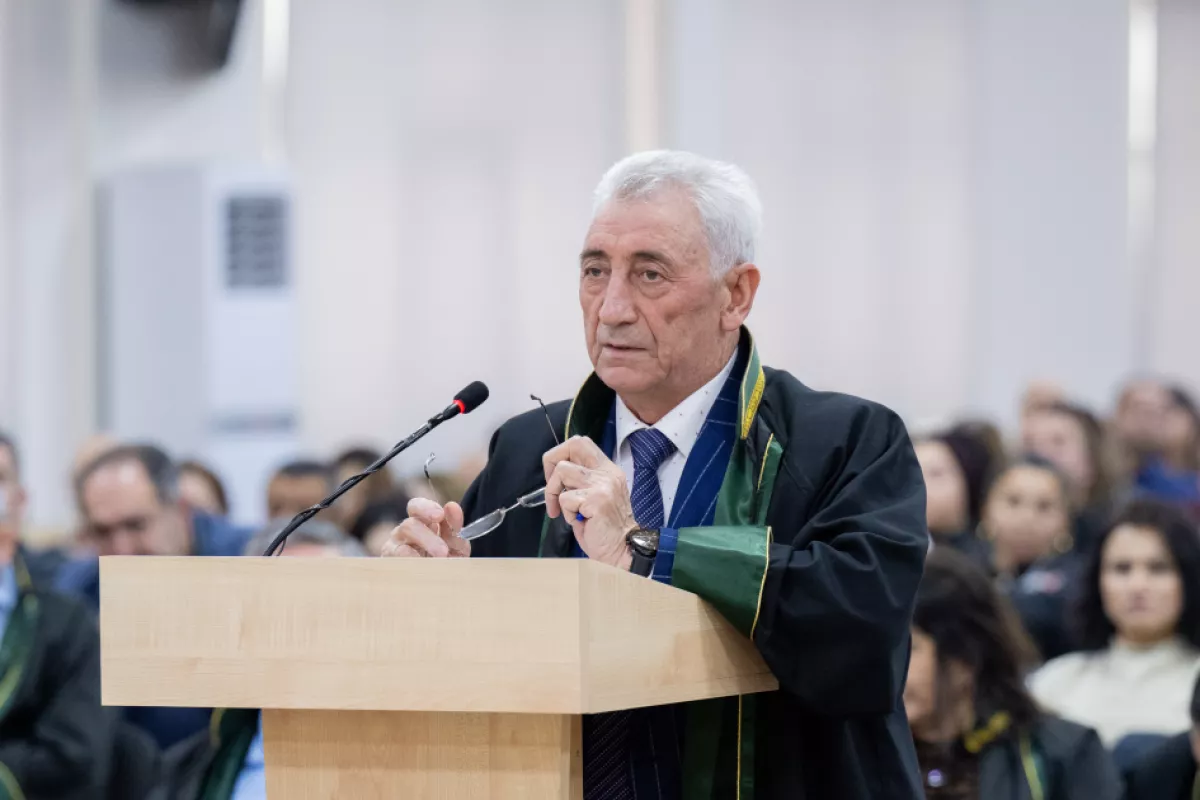
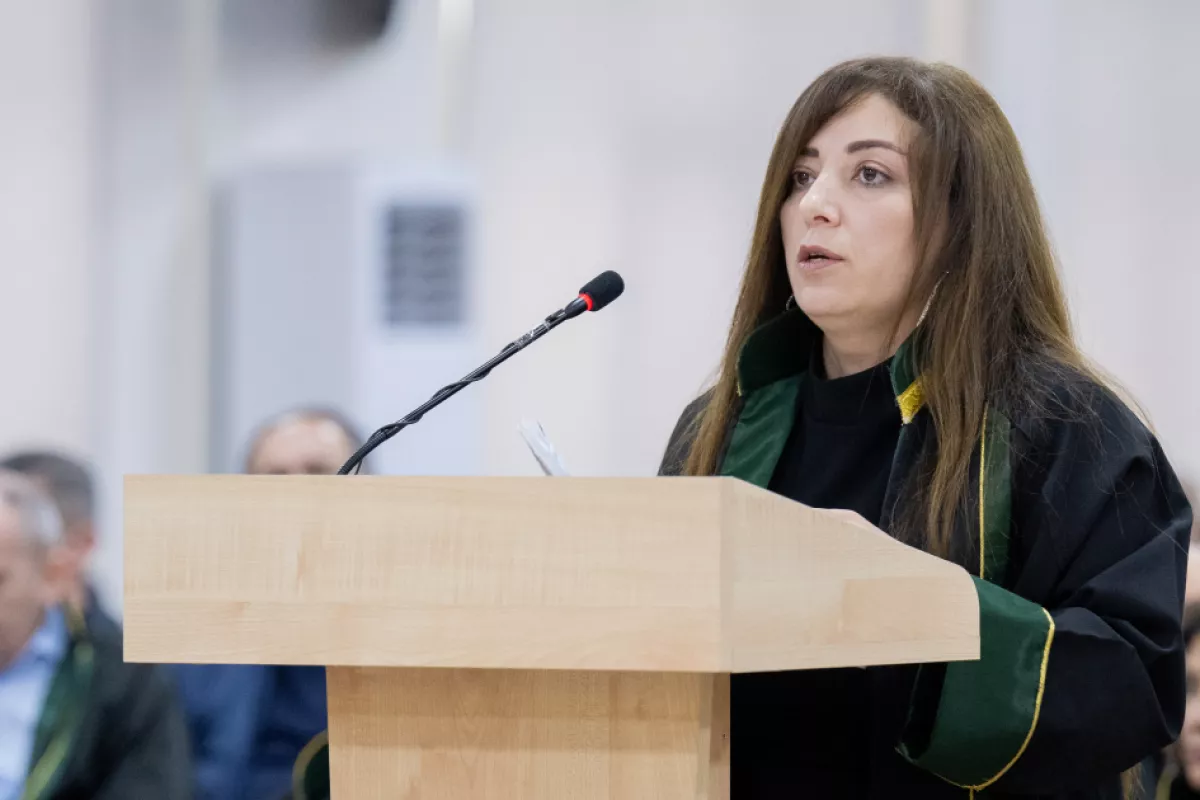
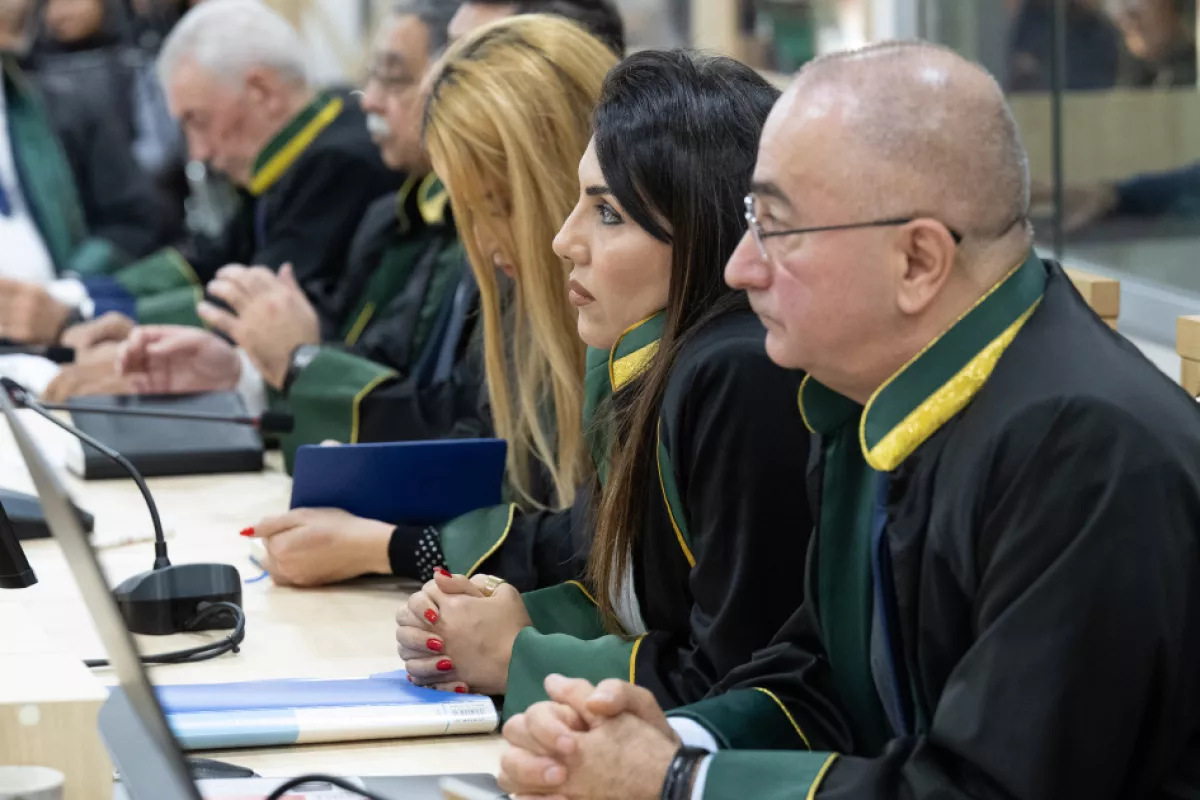
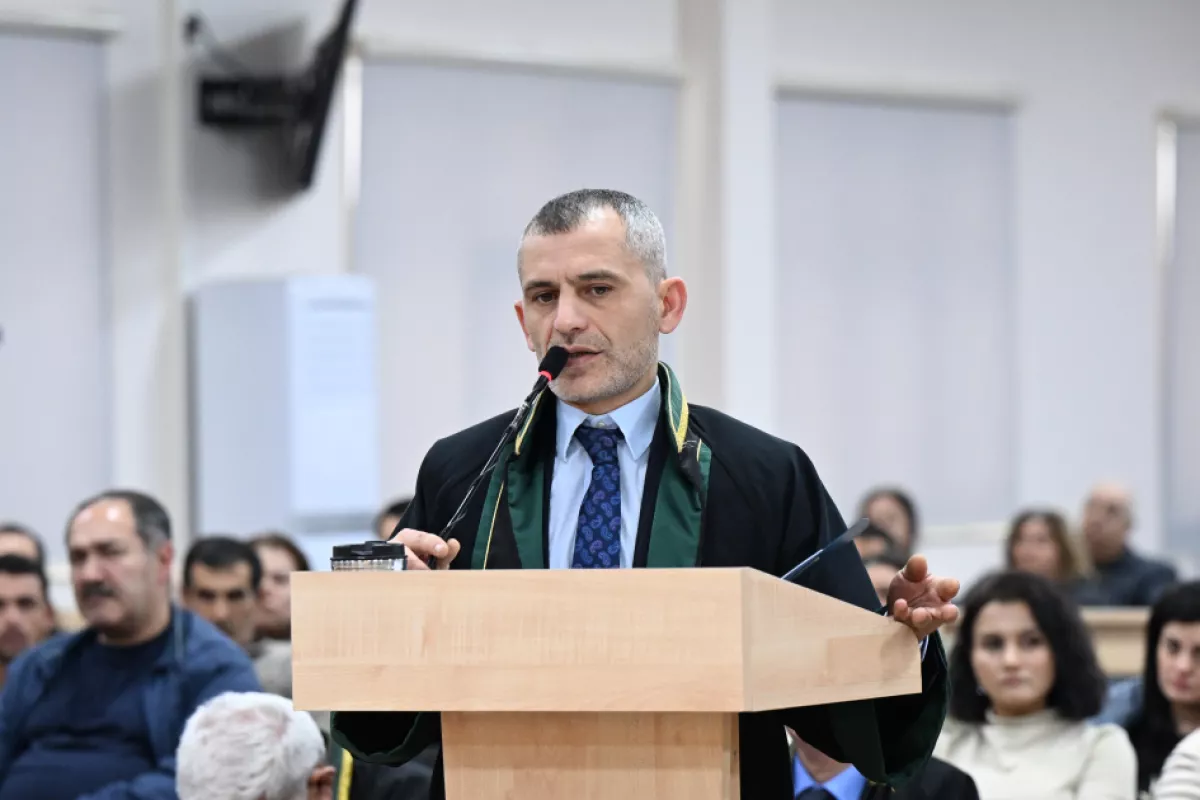
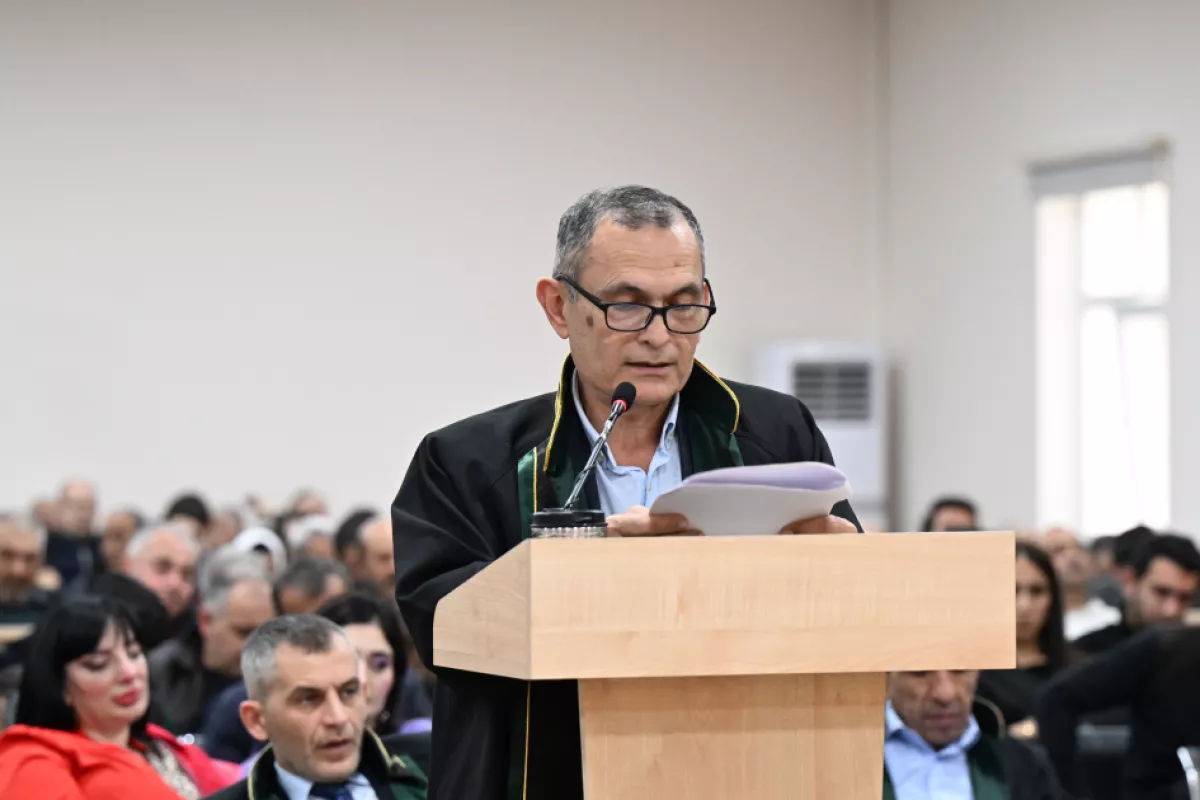
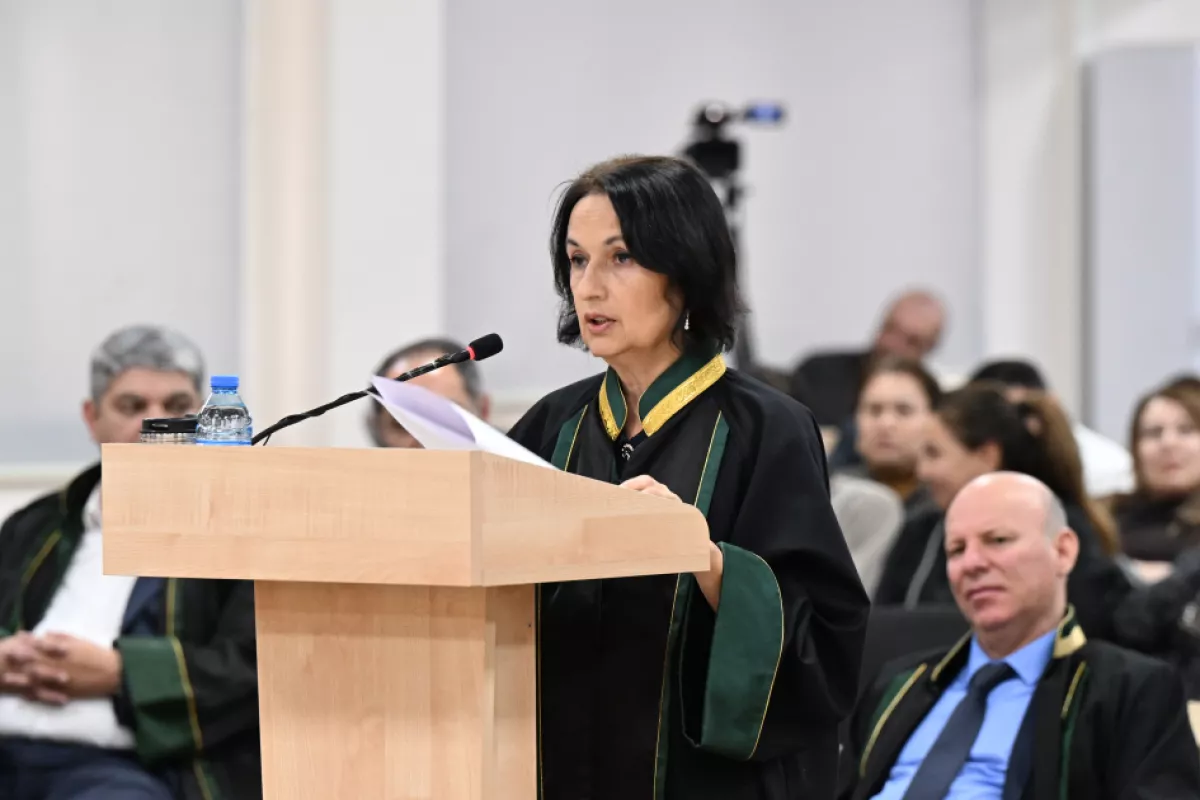
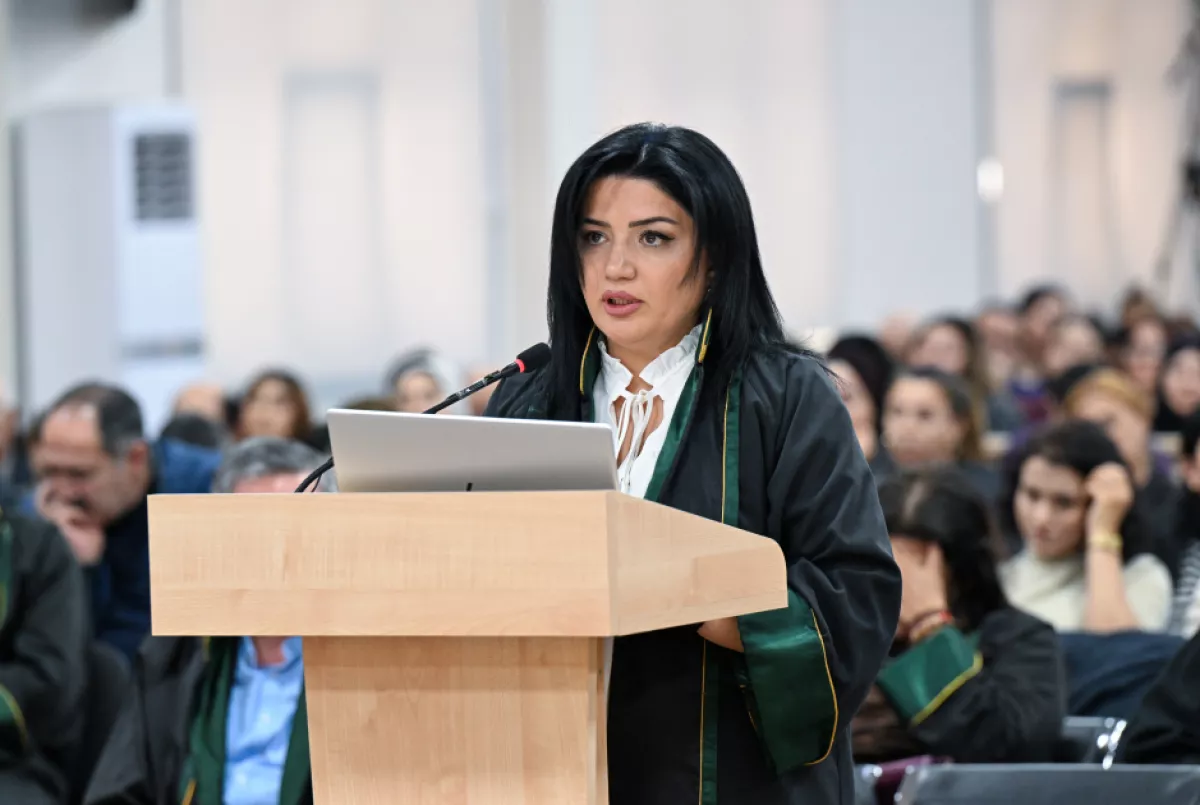
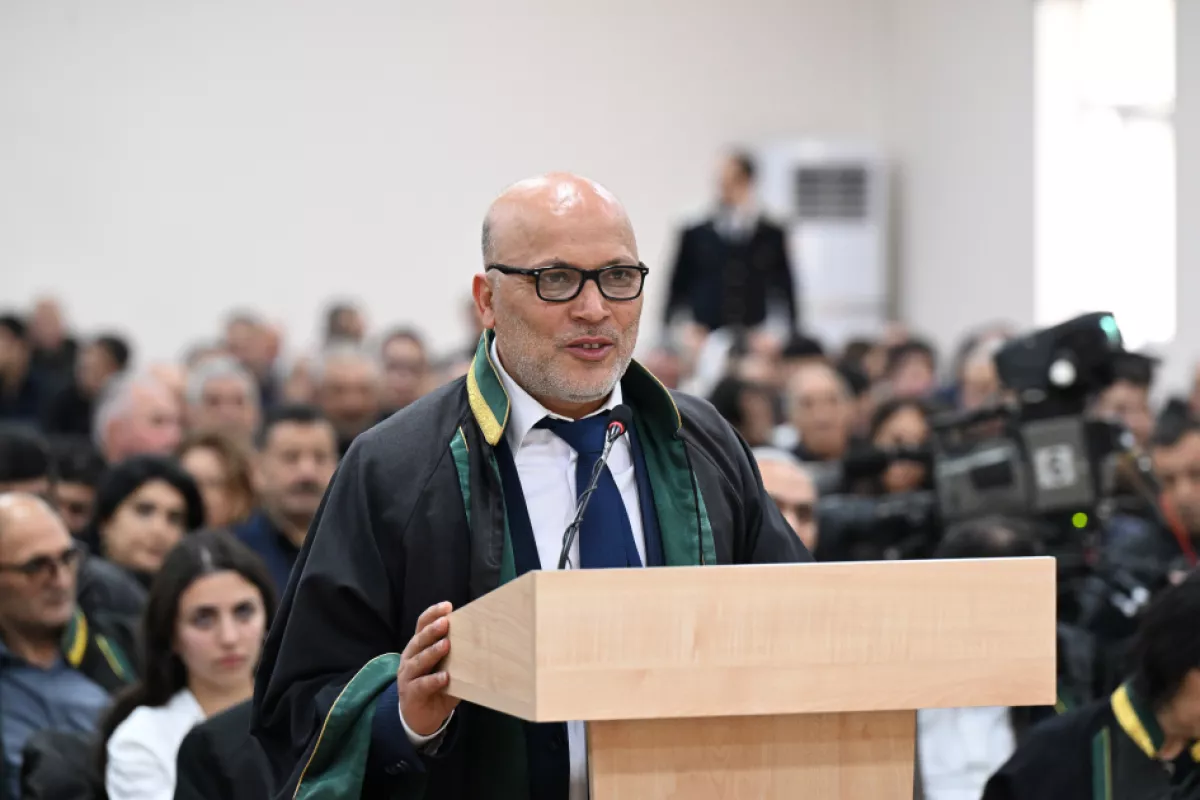
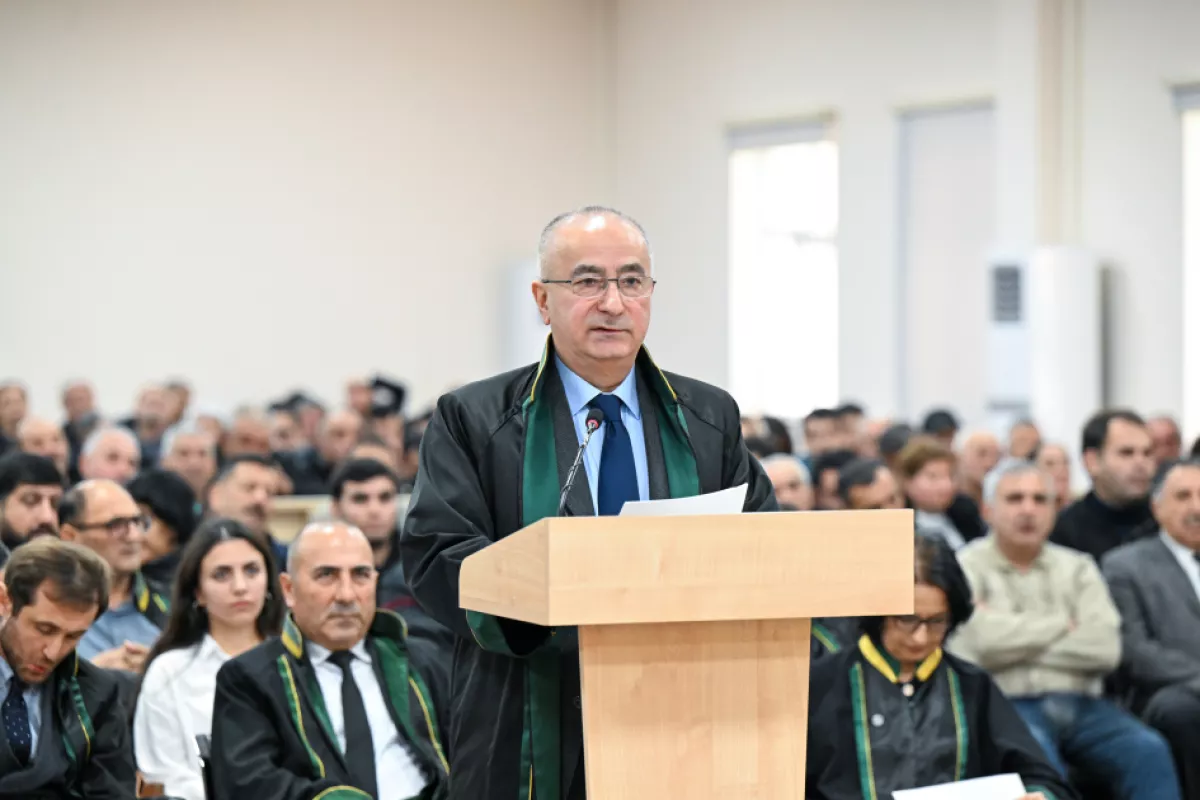
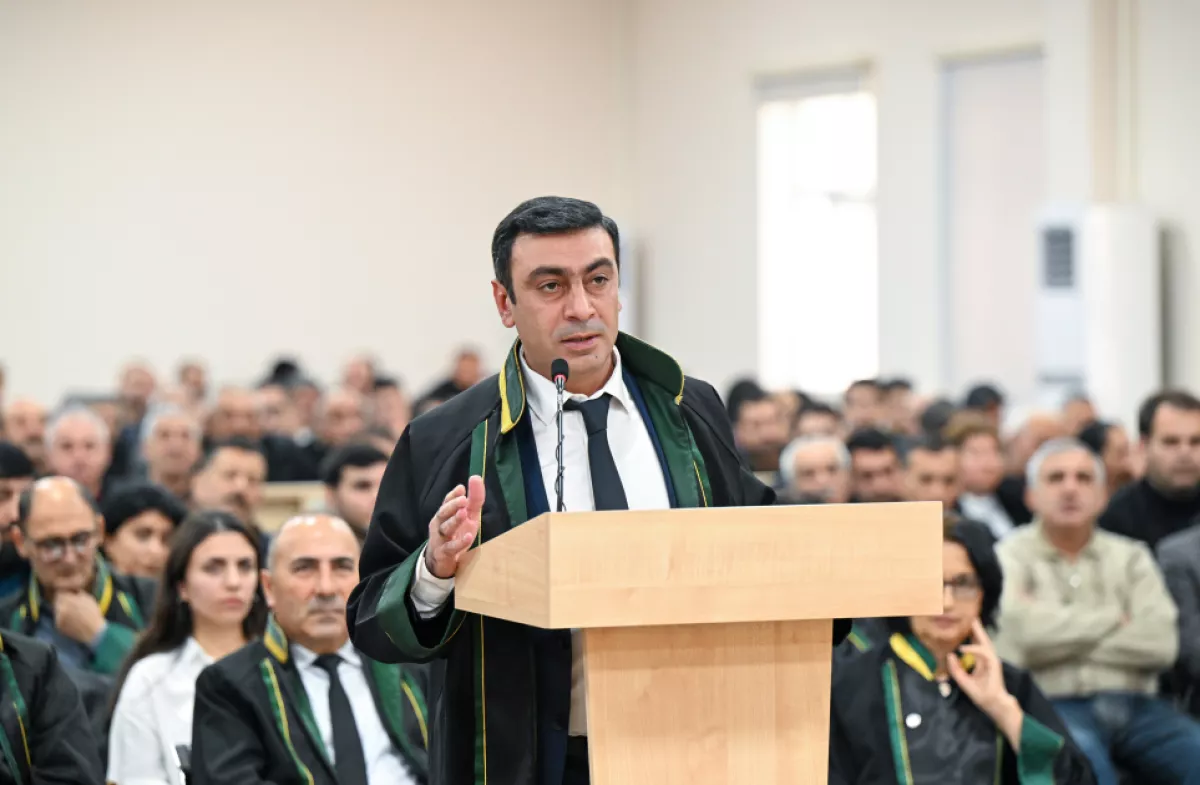
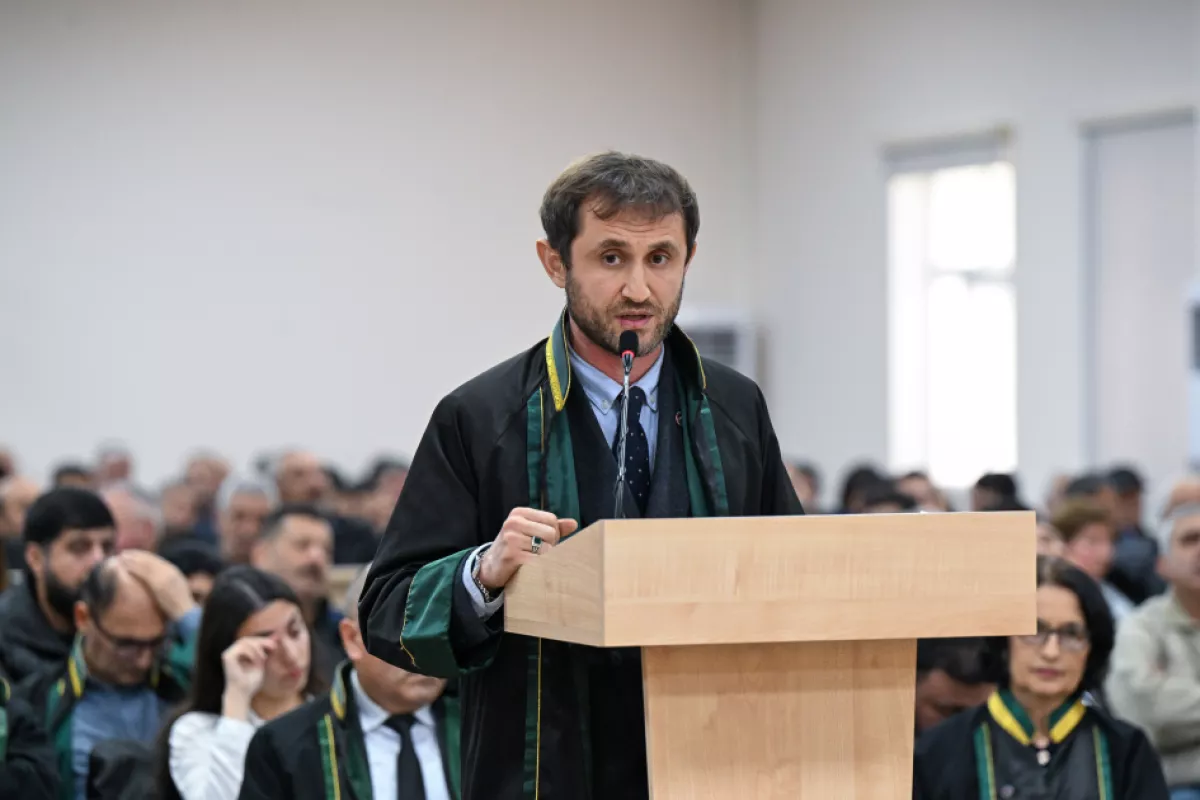
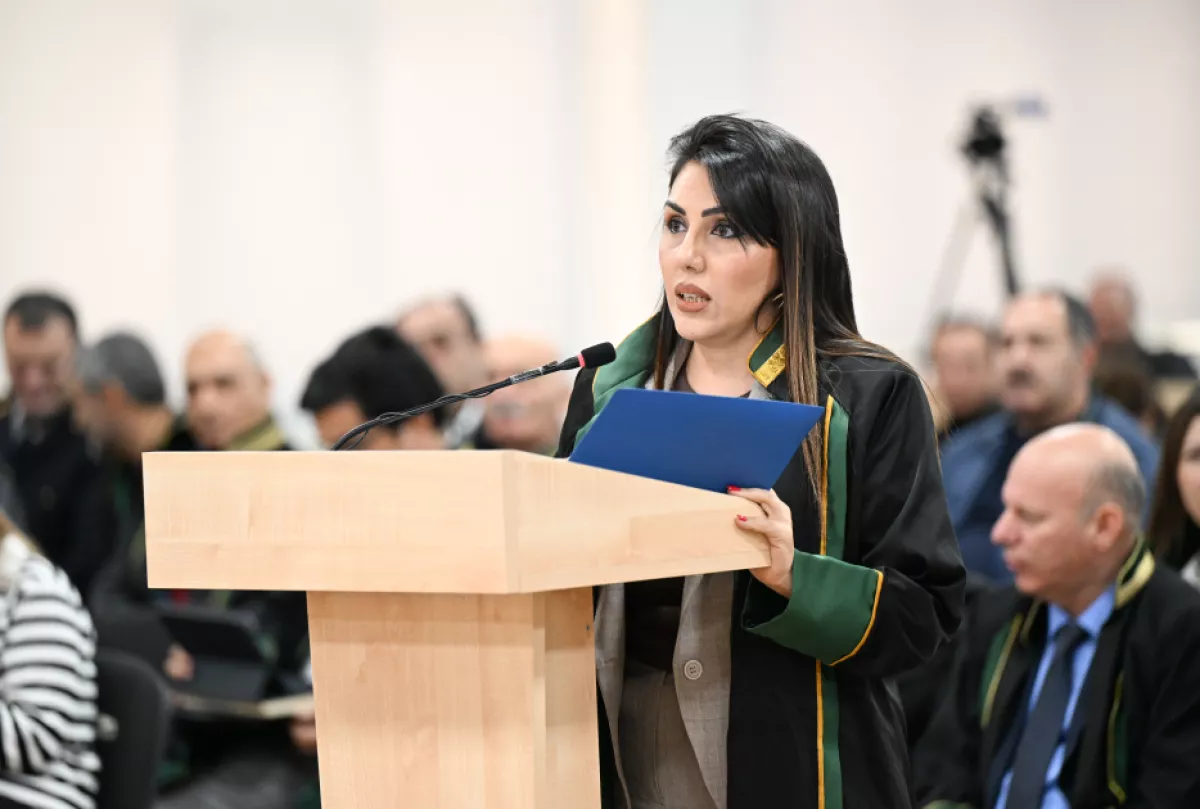
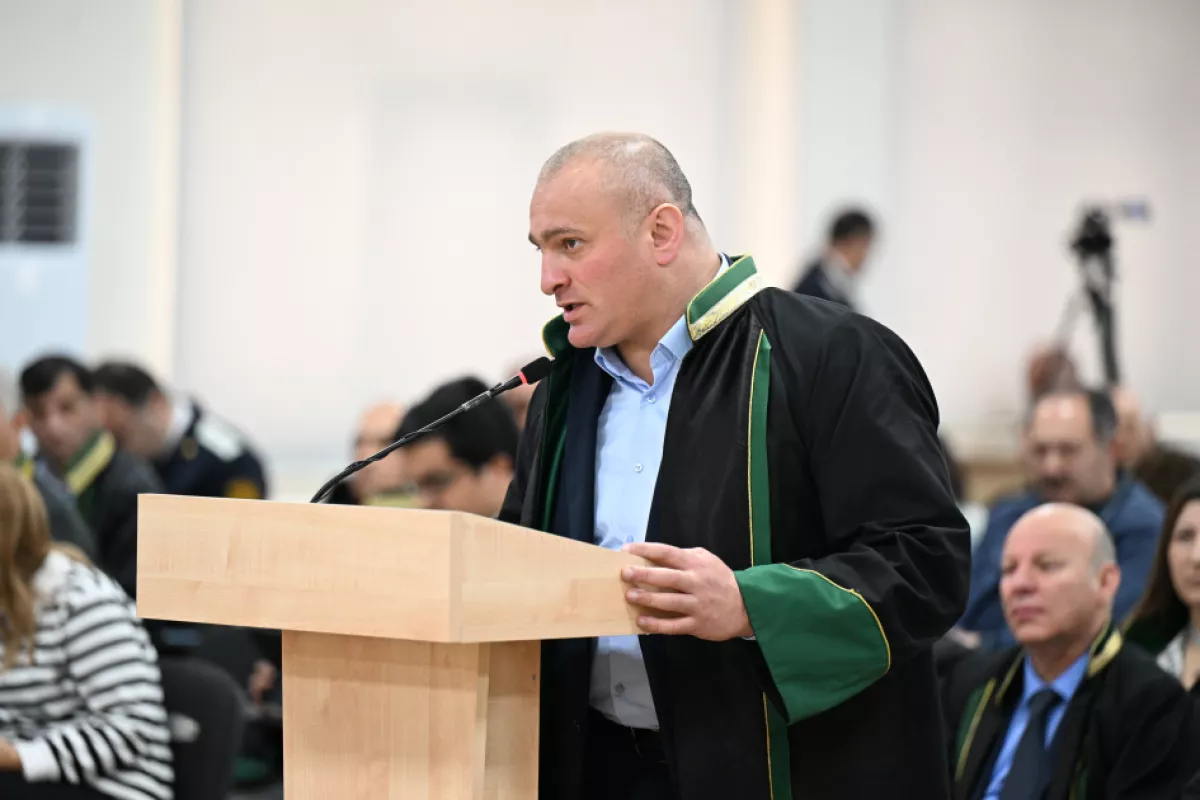
The court session continued with the speeches of the defense lawyers for the accused.
Agshin Mammadli, defense lawyer for the accused Davit Ishkhanyan, stated in his speech that the court’s duty is not only to examine the issues indicated in the indictment but also to ensure the principle of justice, the rule of law, and the presumption of innocence. According to the requirements of existing legislation and the Criminal Code, a verdict must be based solely on indisputable and conclusive evidence.
He requested the court to issue an acquittal verdict for Davit Ishkhanyan.
Elchin Amirov, another lawyer for Davit Ishkhanyan, also requested the court to acquit his client.
Vafa Mehdiyeva, defense lawyer for the accused Levon Balayan, referred to her client’s statement, noting that he served as a soldier in military units located in Shusha, Khankendi, and Khojaly from 1995 to 1998, the numbers of which he does not remember. During this period, he was assigned an "AKS 74" automatic weapon.
The lawyer stated that there are no elements of a crime in the actions of the person she defends and requested the court to issue an acquittal verdict.
Sagi Mammadov, another lawyer for Balayan, also requested the court to acquit the person he defends.
Nizami Aliyev, defense lawyer for the accused Davit Allahverdiyan, said that the person he defends does not consider himself guilty of the charges announced. He stated that the evidence presented against Allahverdiyan is unfounded and unreliable. The defense lawyer requested the court to issue an acquittal verdict for Allahverdiyan.
His other lawyer, Elmaddin Mammadov, also stated that he agrees with the points raised in the previous defense lawyer’s speech.
Natig Mustafayev, defense lawyer for the accused Erik Ghazaryan, stated in his speech that the person he defends does not consider himself guilty and voluntarily surrendered to servicemen of the Azerbaijani Armed Forces by handing over his weapon. He requested the court to issue an acquittal verdict for Ghazaryan.
Elnaz Samadova, defense lawyer for Melikset Pashayan, said that the person she defends did not participate in any active combat. The lawyer stated that the charges announced against Pashayan have not been confirmed and therefore he should be acquitted. She requested the court to issue an acquittal verdict for Pashayan.
Ogtay Madatov and Khayyam Asgarov, defense lawyers for the accused Levon Mnatsakanyan, stated that the person they defend does not consider himself guilty and requested the court to issue a just verdict regarding him.
Nigar Mirbabayeva, defense lawyer for the accused Bako Sahakyan, said that the person she defends served in the rear, worked as a civilian, and his duties included the distribution of food and clothing, as well as organizing the supply of medicines.
The lawyer stated that he did not participate in the planning of the aggressive war or in operations against the civilian population, and his activities were mainly of a humanitarian nature.
Mirbabayeva said that Sahakyan’s actions did not exceed the limits of his lawful duties and did not carry the intent to commit any crime. The lawyer stated: “This person is not a criminal; he is a living witness of a tragic period.”
She noted that, based on Articles 42.2.3 and 42.2.4 of the Criminal Procedure Code of the Republic of Azerbaijan, the evidence presented by the prosecution does not provide sufficient grounds to prove Bako Sahakyan’s guilt. According to her, since his involvement in the alleged crimes has not been proven, issuing an acquittal verdict would be the only just and lawful decision.
Gulara Ismayilova, another lawyer for Bako Sahakyan, also requested the court to acquit the person she defends.
Rashadat Akhundov, defense lawyer for the accused Garik Martirosyan, said that the person he defends did not consider himself guilty in his statement. The lawyer stated that no evidence linking Martirosyan to a criminal group has been established. He served as a regular soldier in a “military unit” and later stood guard for a monthly payment. The defense lawyer requested the court to issue a just verdict regarding Martirosyan.
Javid Rzazade, defense lawyer for the accused Arayik Harutyunyan, stated in his speech that he does not agree with the charges brought against the person he defends.
The lawyer also spoke about the rocket attacks on Ganja during the 44-day war in 2020. He stated that the relevant decisions (the rocket attacks on Ganja and other cities – ed.) were not made by the accused; it is unequivocally clear from both the investigation materials and the factual circumstances of the case that those rockets were fired from the territory of Armenia on the orders of the Armenian leadership.
The lawyer noted that the “army” of the puppet regime was subordinate to the Armenian armed forces, this fact has not been refuted by the prosecution, and long-range rockets were located not in the then-occupied territories but in Armenia.
Anar Mammadov, another lawyer for Harutyunyan, stated in his speech that the charges announced against the person he defends have not been proven.
He stated that there is no criminal composition in Harutyunyan’s actions and requested the court to issue an acquittal verdict.
The court proceedings will continue on December 11.
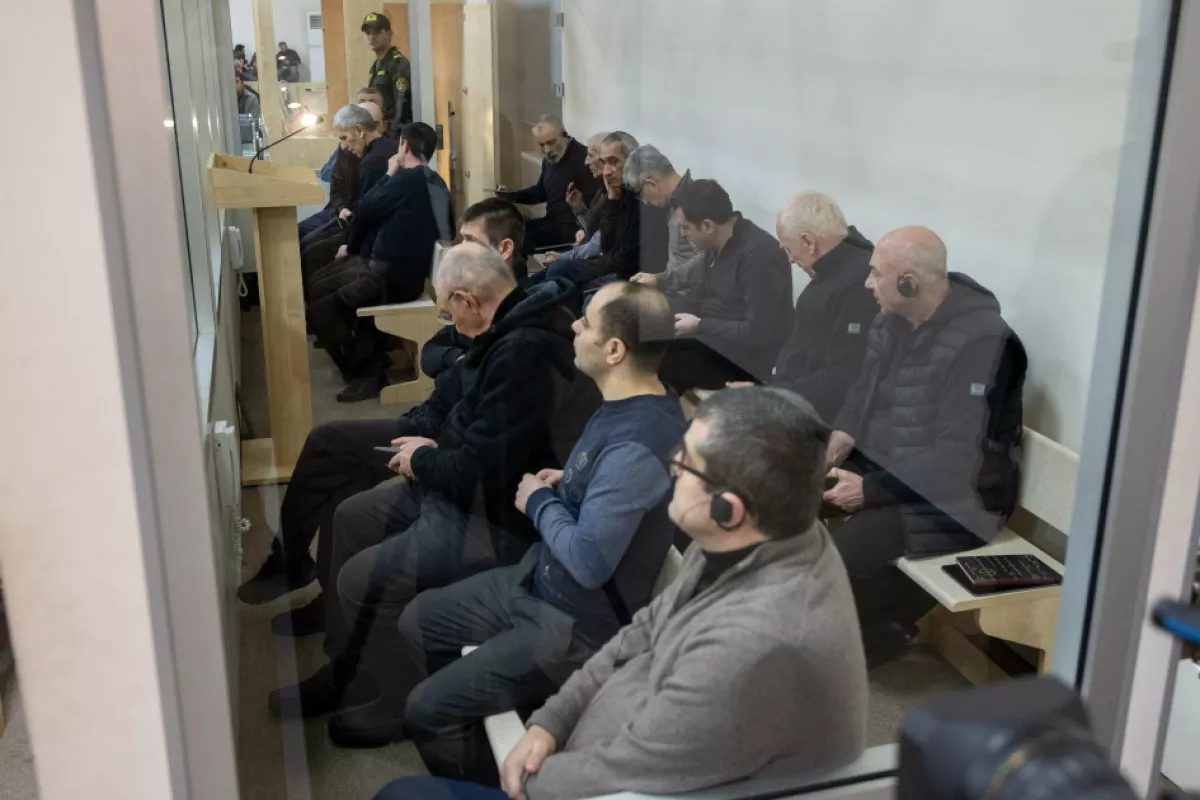
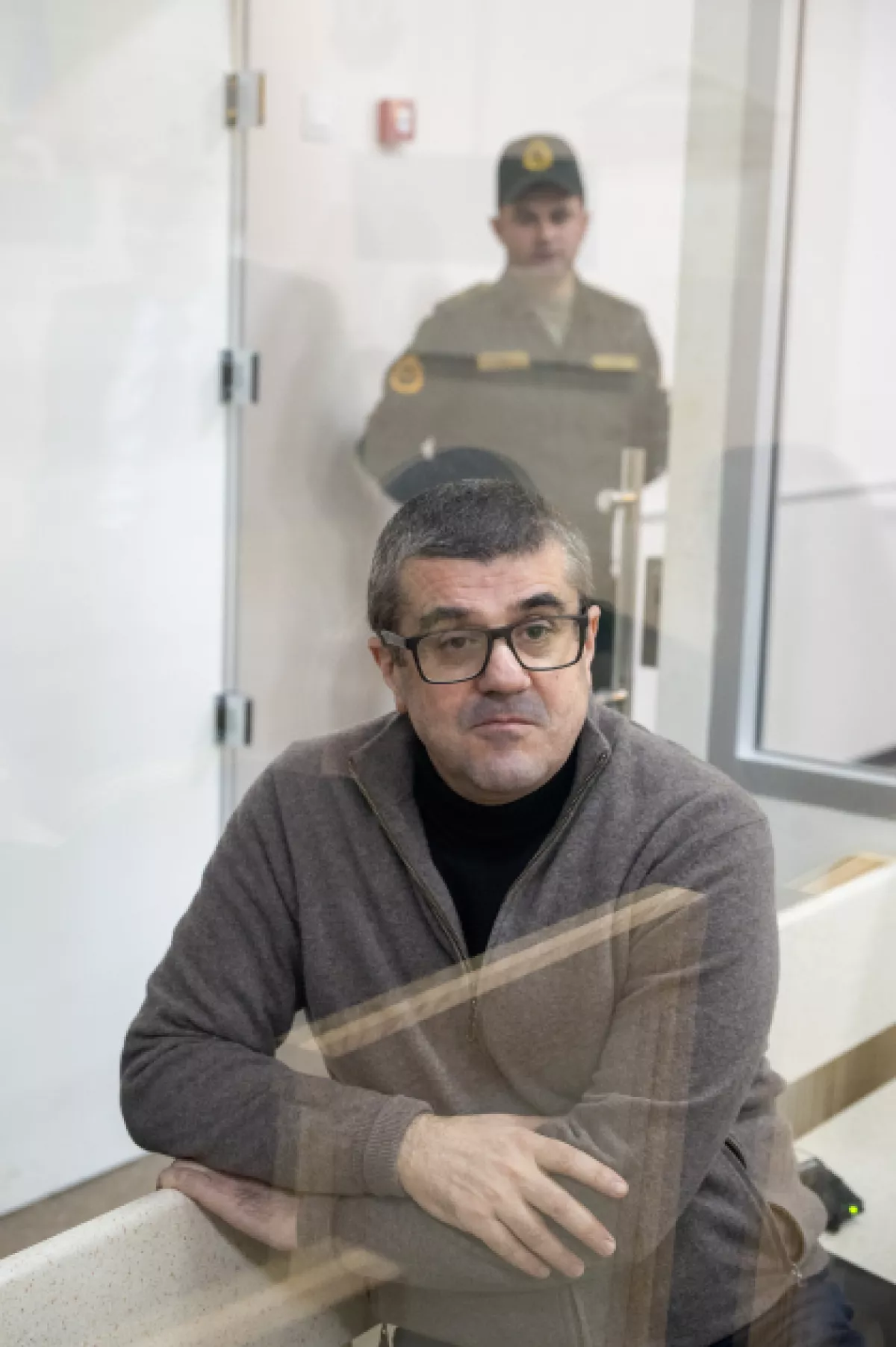
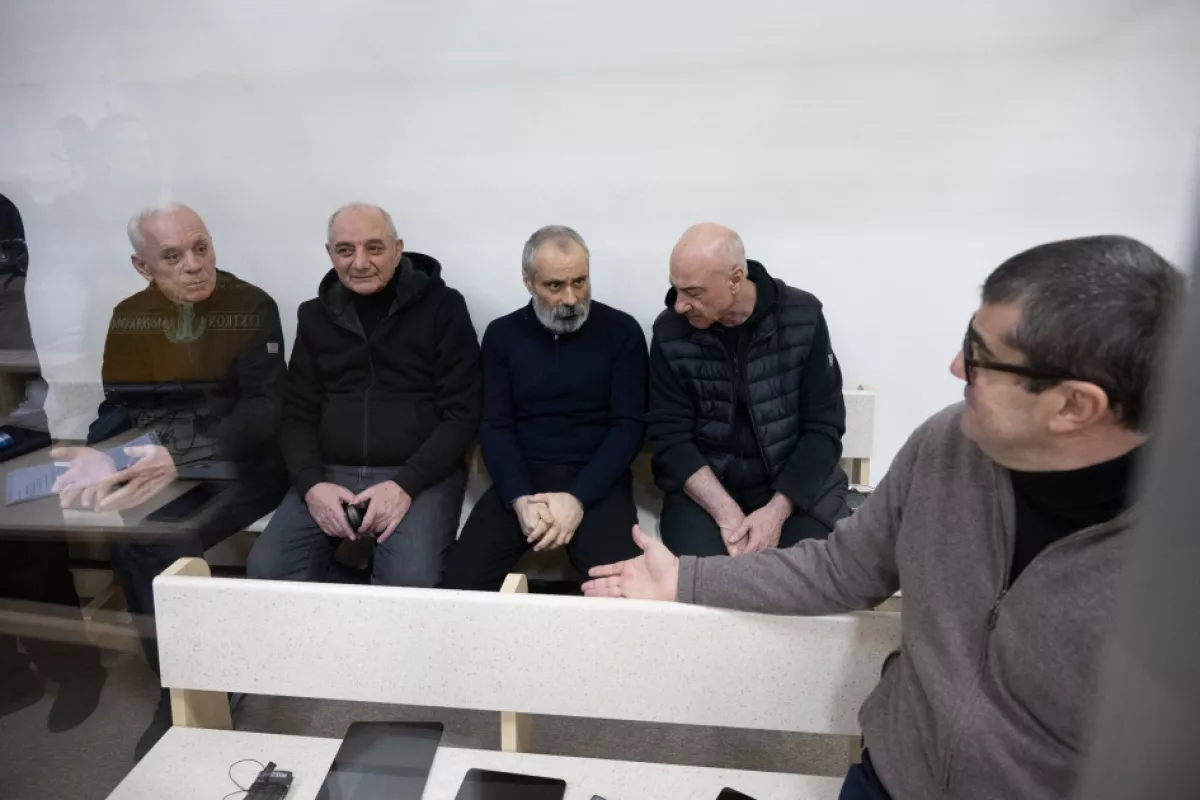
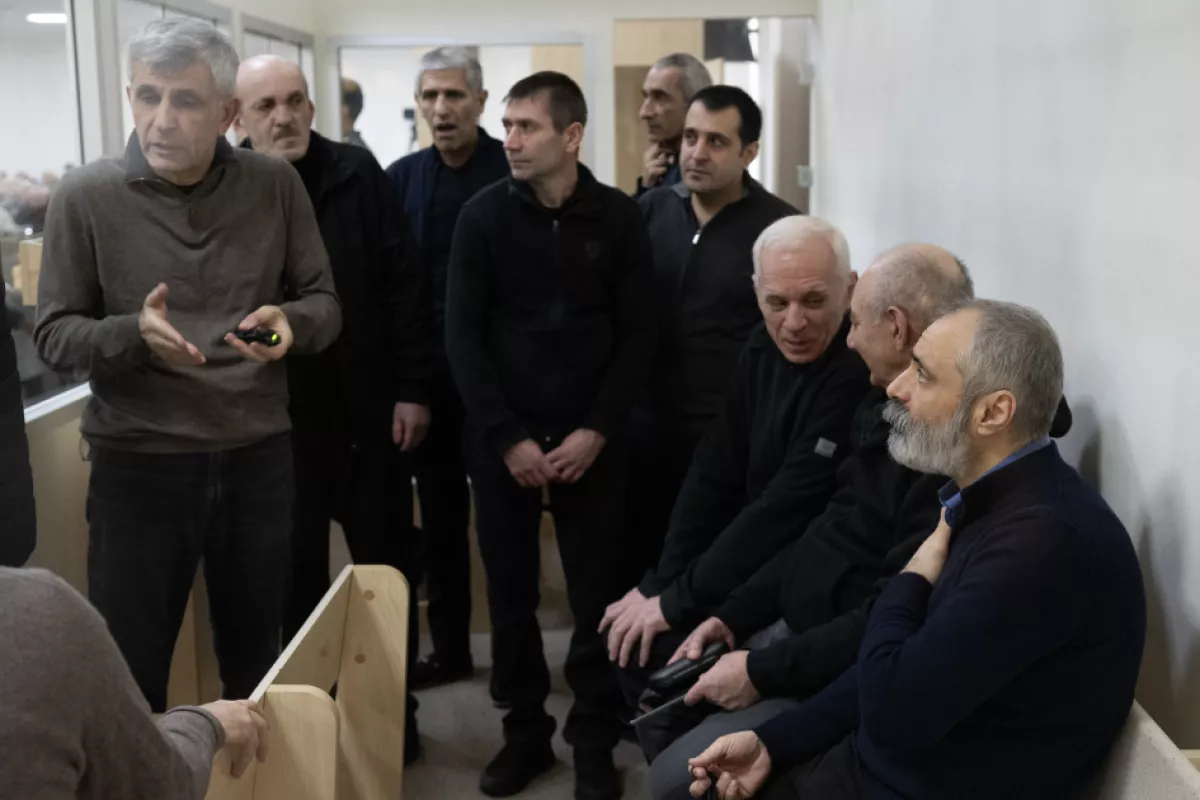
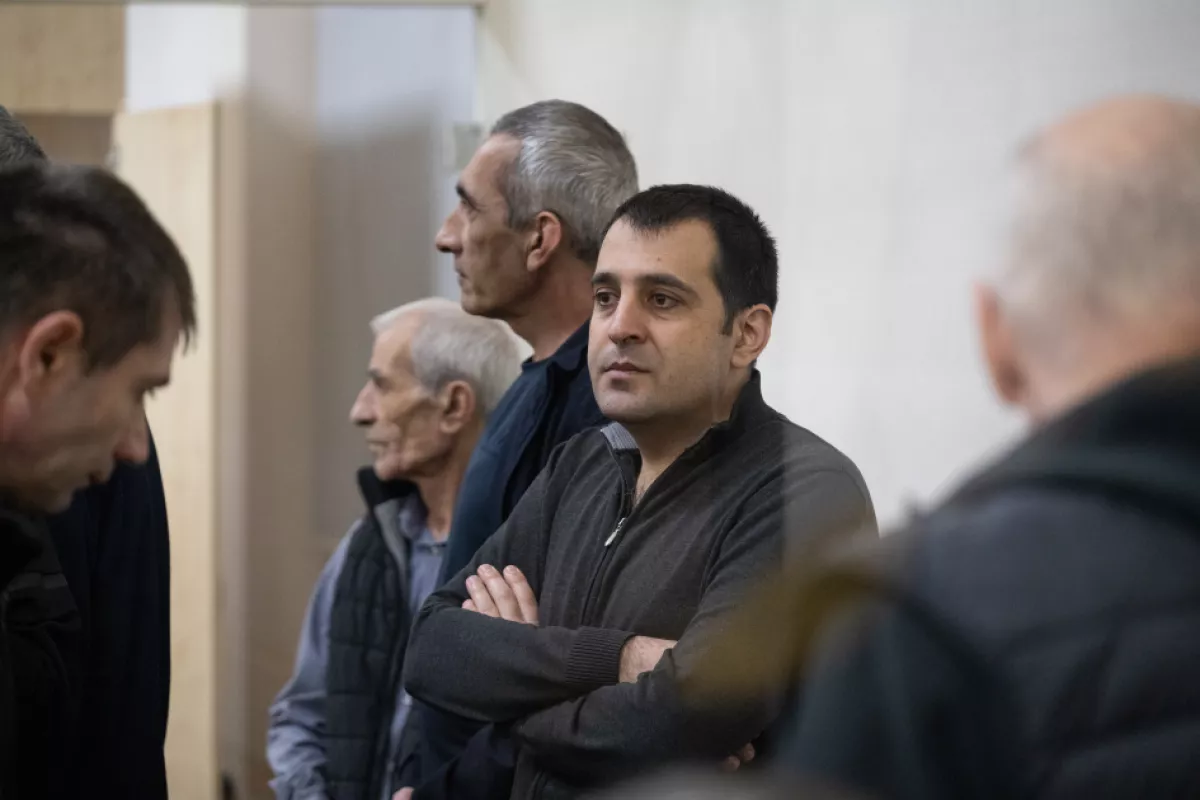
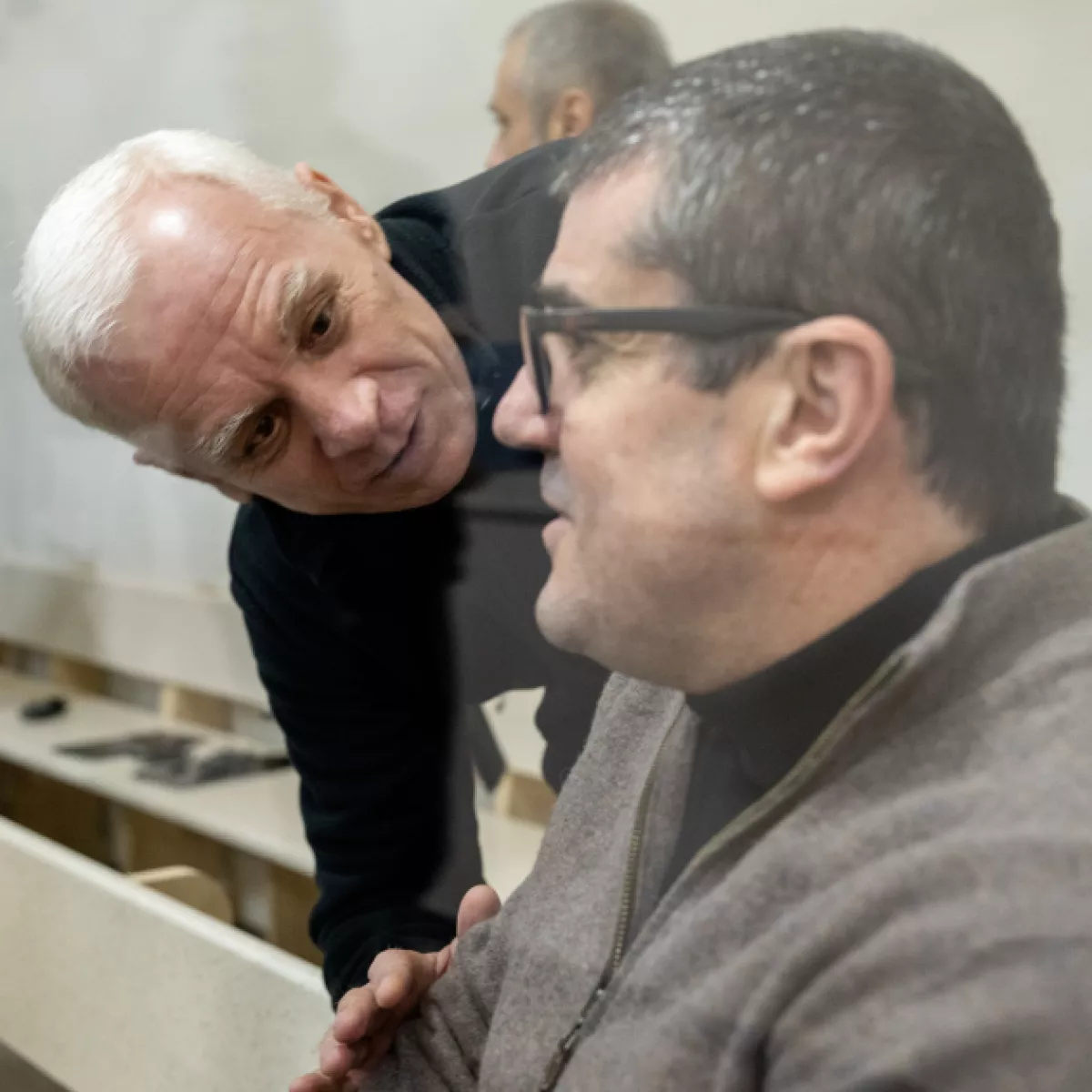
Fifteen defendants of Armenian origin are accused in the criminal case concerning numerous crimes committed during the aggressive war waged by the Armenian state - including the aforementioned criminal association - on the territory of Azerbaijan, in violation of domestic and international legal norms. These crimes were committed for the purpose of military aggression against Azerbaijan and were carried out under the direct leadership and participation of the Armenian state, officials of its state institutions, its armed forces, and illegal armed formations, through their written and verbal orders, instructions, and guidelines; material, technical, and personnel support; centralized management; as well as under strict control and under the leadership and direct or indirect participation of Robert Sedraki Kocharyan, Serzh Azati Sargsyan, Vazgen Mikaeli Manukyan, Vazgen Zaveni Sargsyan, Samvel Andraniki Babayan, Vitali Mikaeli Balasanyan, Zori Hayki Balayan, Seyran Musheghi Ohanyan, Arshavir Surenovich Garamyan, Monte Charles Melkonyan, and others.
The following individuals - Arayik Vladimiri Harutyunyan, Arkadi Arshaviri Ghukasyan, Bako Sahaki Sahakyan, Davit Rubeni Ishkhanyan, David Azatini Manukyan, Davit Klimi Babayan, Levon Henrikovich Mnatsakanyan, Vasili Ivani Beglaryan, Erik Roberti Ghazaryan, Davit Nelsoni Allahverdiyan, Gurgen Homeri Stepanyan, Levon Romiki Balayan, Madat Arakelovich Babayan, Garik Grigori Martirosyan, and Melikset Vladimiri Pashayan - are being charged under the following articles of the Criminal Code of the Republic of Azerbaijan: Article 100 (planning, preparing, initiating, and waging a war of aggression); Article 102 (attacking persons or organizations enjoying international protection); Article 103 (genocide); Article 105 (extermination of the population); Article 106 (enslavement); Article 107 (deportation or forced displacement of population); Article 109 (persecution); Article 110 (enforced disappearance of persons); Article 112 (deprivation of liberty contrary to international law); Article 113 (torture); Article 114 (mercenary service); Article 115 (violation of the laws and customs of warfare); Article 116 (violation of international humanitarian law during armed conflict); Article 118 (military robbery); Article 120 (intentional murder); Article 192 (illegal entrepreneurship); Article 214 (terrorism); Article 214-1 (financing terrorism); Article 218 (creation of a criminal organization); Article 228 (illegal acquisition, transfer, sale, storage, transportation, and possession of weapons, ammunition, explosives, and devices); Article 270-1 (acts threatening aviation security); Article 277 (assassination of a state official or public figure); Article 278 (forcible seizure and retention of power, forcible change of the constitutional structure of the state); Article 279 (creation of armed groups not provided for by law); and additional articles.







 editor@caliber.az
 +994 55 444-88-98
 Азербайджан, Баку, ул. Низами, 203, Af Business House, 5-й этаж