










Speakers at Baku conference highlight media's role in decolonisation PHOTO
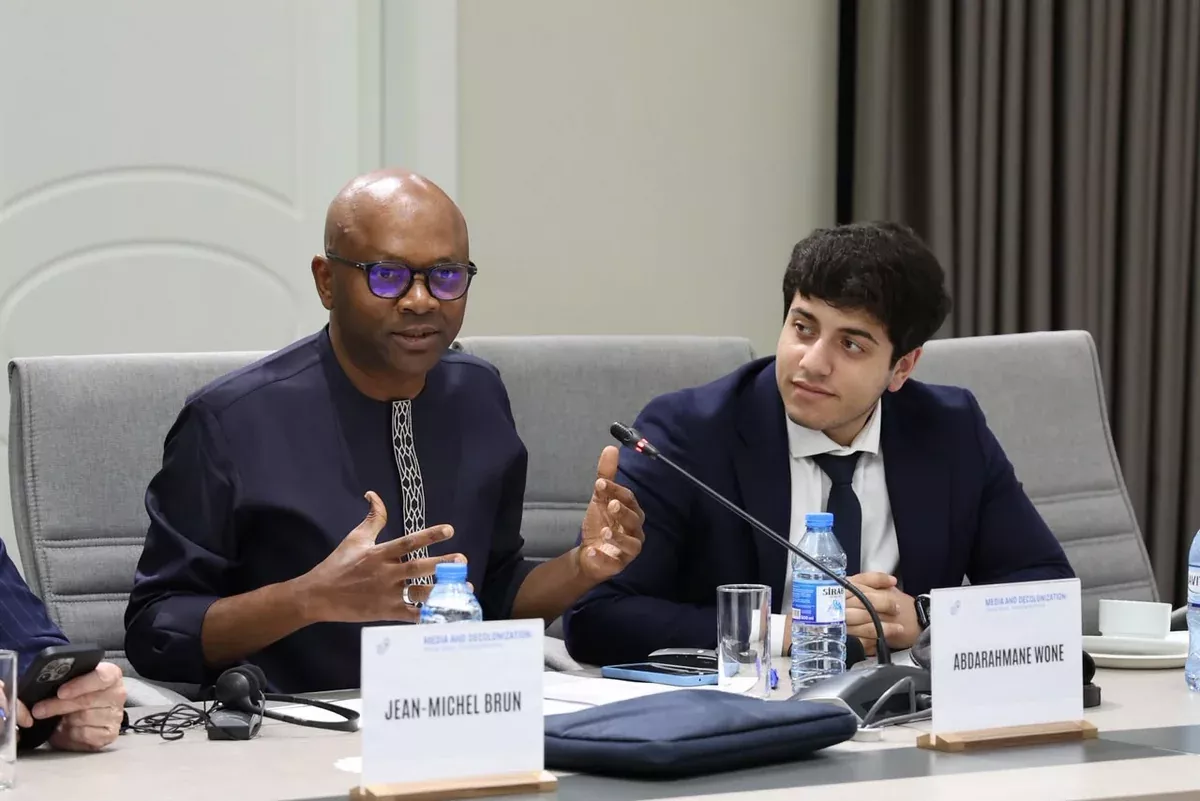
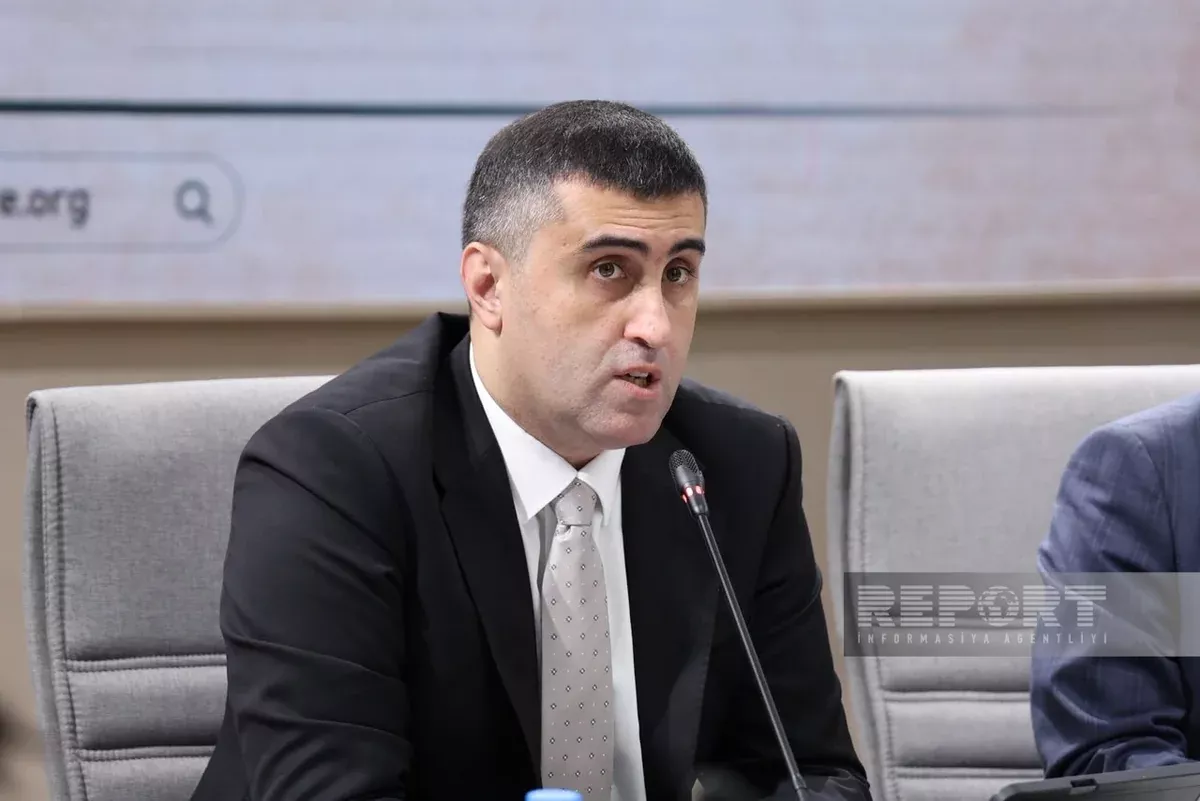
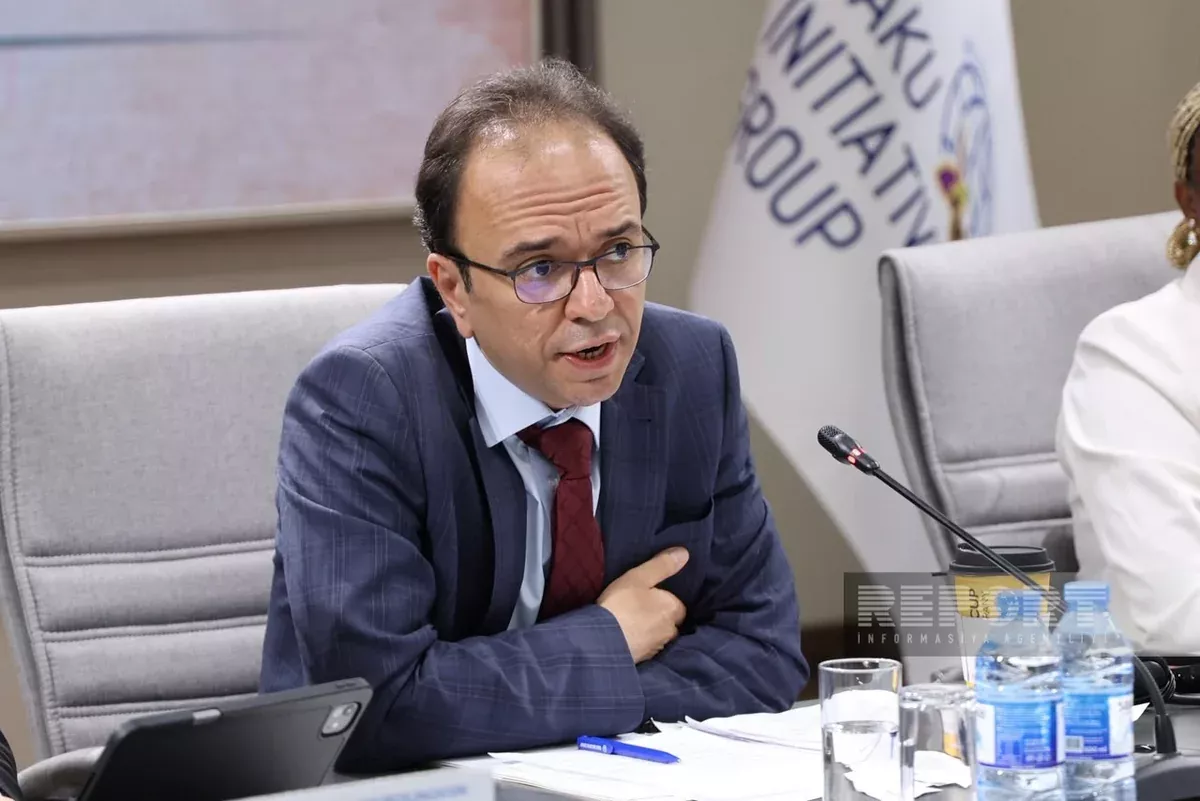
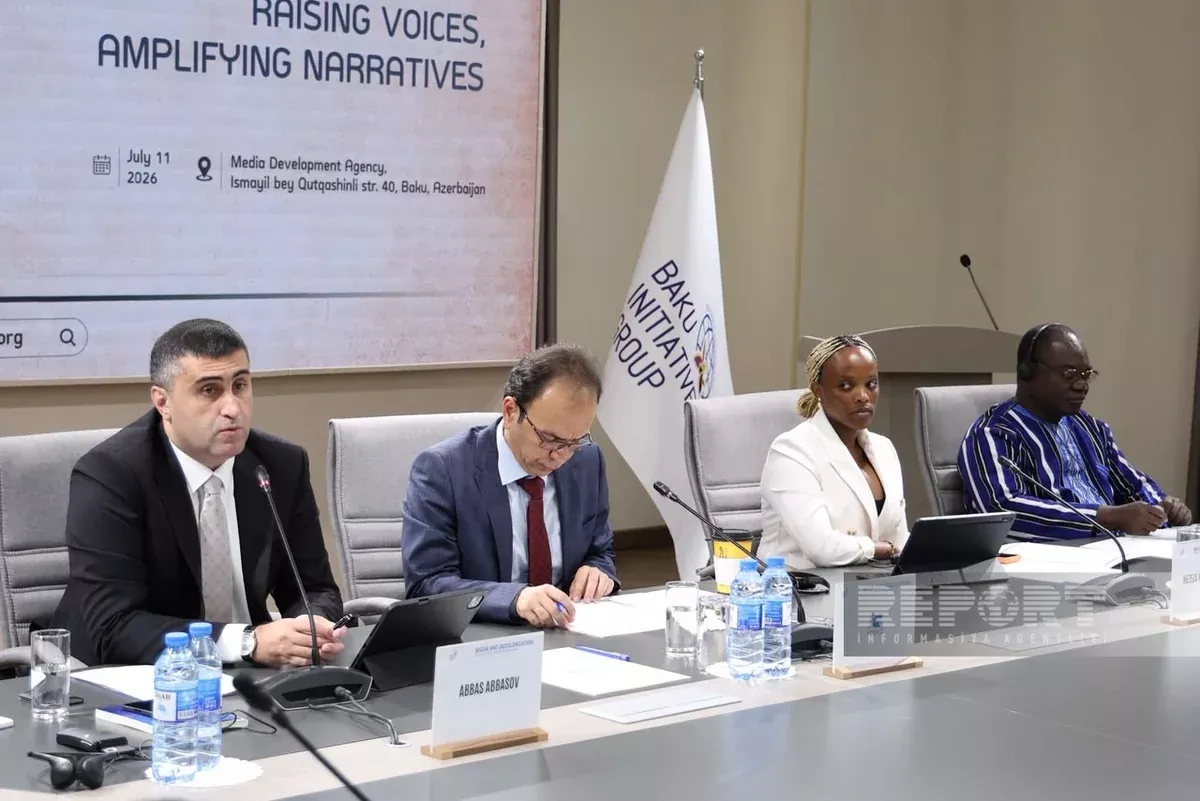
Journalists, researchers and media professionals from Africa and Azerbaijan highlighted the role of the media in advancing decolonisation, preserving historical memory and amplifying underrepresented voices during the second session of the international conference "Media and Decolonisation: Raising Voices, Amplifying Narratives" in Baku.
The conference was organised by the Baku Initiative Group (BIG), Caliber.Az reports, citing local media.
Media and communications specialist at Global Family Media in Rwanda, Nezeza Muzi Alin, said the media plays a central role in shaping public understanding of history and current events.
"For many years, many stories about Africa were told by people from outside the continent. Today, more and more Africans are telling their own stories, highlighting not only challenges but also innovations, culture, resilience, and the achievements of the continent," she said.
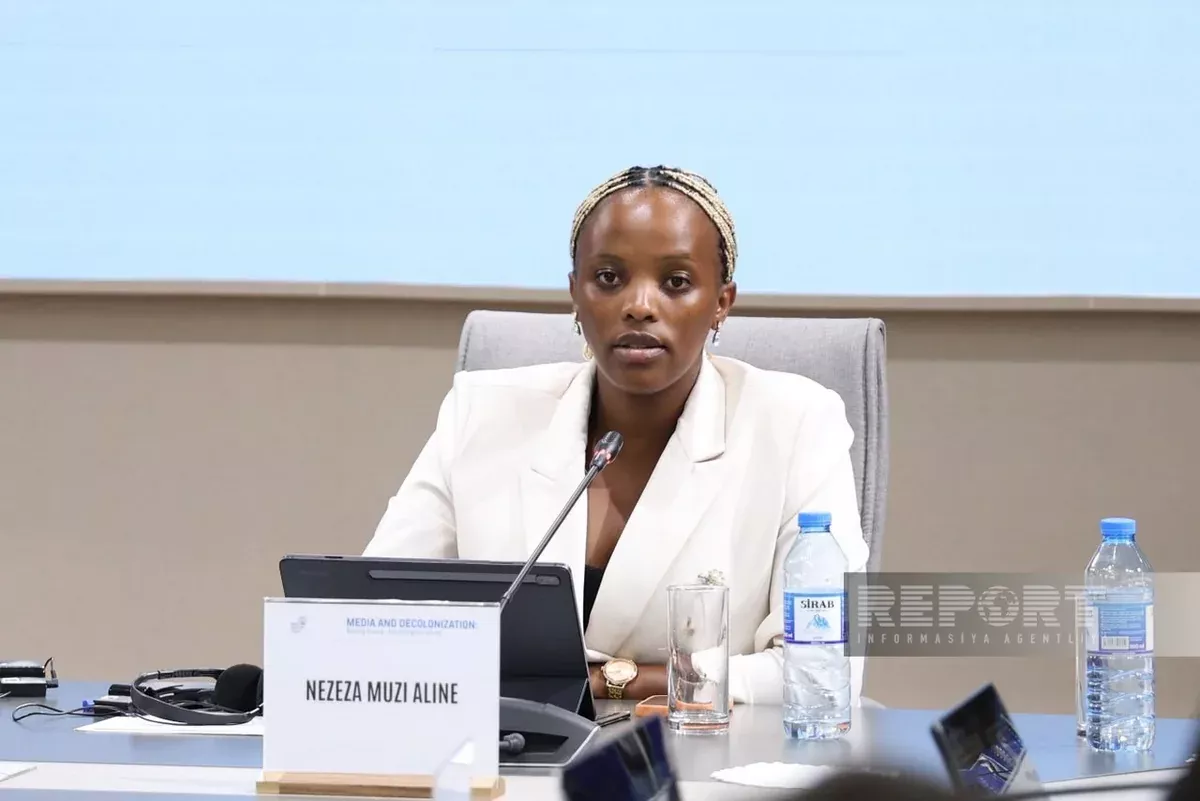
She added that responsible journalism helps preserve culture, unite communities and support informed decision-making.
"When people are given the opportunity to share their personal stories in their own voices, the media becomes more inclusive and reflects the diversity of society," Muzi Alin emphasised.
Referring to Rwanda's experience following the 1994 genocide, she said the country's media had become an important tool for promoting unity and reconciliation.
"Today, the media in Rwanda plays an important role in promoting unity, reconciliation, peace, and national development. Rwanda's experience shows that the media can either deepen divisions or become a tool for understanding and sustainable peace," she stated.
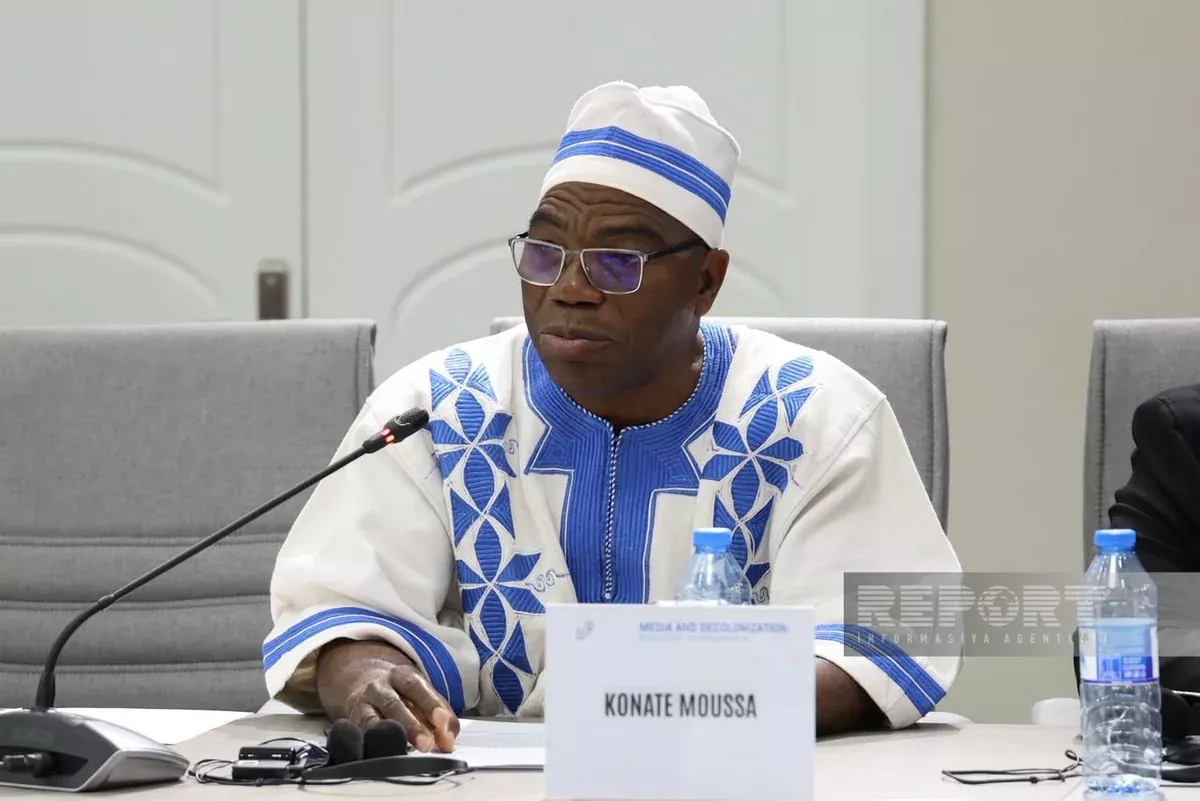
Konate Moussa, director of the BACIDE research bureau in Burkina Faso, said the legacy of colonialism continues to influence today's information environment.
"Colonial systems have formally disappeared, but the logic behind them has not completely left the modern information space," he said.
While digital technologies have created new opportunities for indigenous peoples and minorities to share their experiences, Moussa said challenges remain.
"It is necessary to strengthen cooperation between journalists and independent media outlets, support the preservation of languages and historical memory, and create conditions for a fairer representation of peoples," he stressed.
Nguene Louis Baudler, a journalist with FOR YOU MEDIA in Cameroon, argued that decolonisation now extends beyond politics into the information sphere.
"Colonisation was never limited to weapons or the plundering of resources. Its most powerful weapon has always been the ability to influence consciousness, impose language, and filter reality through a single perspective," he noted.
He added that international media coverage often overlooks positive developments in Africa.
"Africa's innovations often remain unnoticed, while the problems and suffering of Africans become the main focus of major publications," the journalist said.
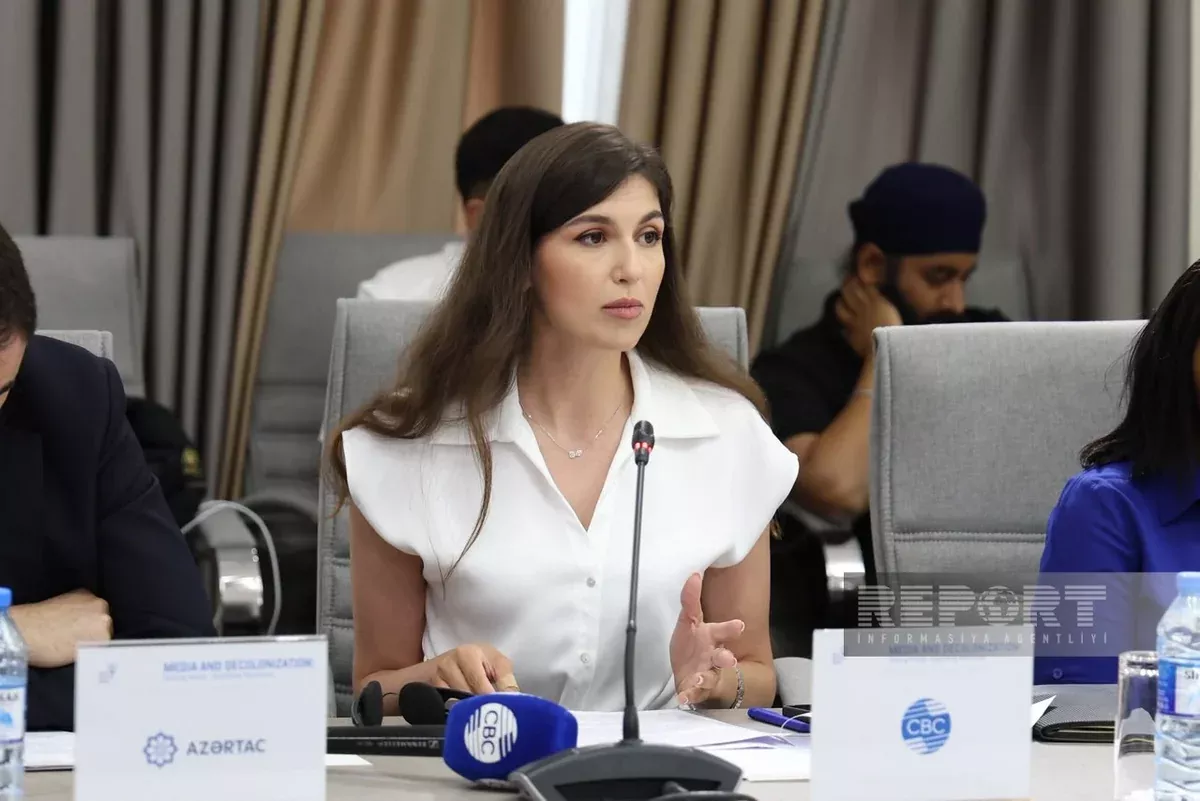
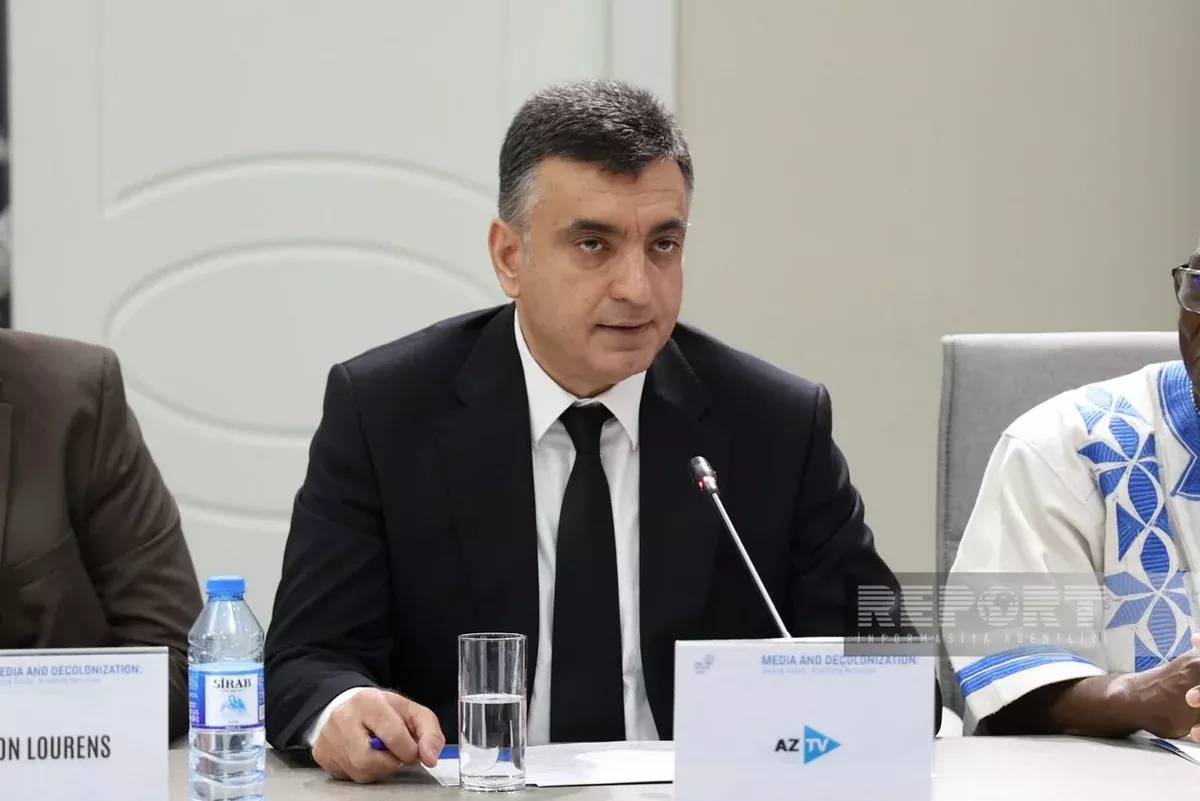
Orkhan Muradov, Deputy Editor-in-Chief of the Azerbaijan State News Agency (AZERTAC), said information had historically been a key instrument of colonial rule.
"Colonial administrations often determined whose history would be recorded, whose identity would be recognised, and whose voices would remain unheard," he said.
Muradov added that while the media does not determine political developments, it plays an important role in ensuring that individuals and communities are heard and understood.
By Sabina Mammadli







 editor@caliber.az
 +994 55 444-88-98
 Азербайджан, Баку, ул. Низами, 203, Af Business House, 5-й этаж