










Syrian track: Azerbaijan deepens strategic engagement in Middle East Article by GIS
Geopolitical Intelligence Services (GIS) analytical platform has published an article on Azerbaijan's growing role in Syria. Caliber.Az offers its readers an abridged version of the piece.
“The collapse of Bashar al-Assad’s government in late 2024 reshaped Syria’s foreign policy. Damascus gravitated toward Gulf monarchies and NATO members, while Iran’s influence in post-regime-change Syria diminished sharply. These developments created unique opportunities for Azerbaijan.
Over the next 14 months, Syrian President Ahmed al-Sharaa and his Hay’at Tahrir al-Sham-dominated government have engaged with Baku, indicating their interest in establishing a more substantive bilateral relationship.
For Syria, deepening ties with Azerbaijan helps diversify external partnerships and offers brighter prospects for internal stability, reconstruction and meeting energy needs. For Azerbaijan, it provides an opportunity to expand its strategic footprint in the Middle East.
The historical arc of Azerbaijan-Syria relations
Azerbaijan and Syria established diplomatic relations in March 1992. Azerbaijan opened an embassy in Damascus in May 2008. Because of a large Armenian diaspora in Syria with anti-Azerbaijani and anti-Turkish sentiments, Damascus aligned predominantly with Yerevan in the disputes between Armenia and Azerbaijan.
With the fall of Mr. Assad’s regime, an opportunity arose to reset the bilateral relationship between Baku and Damascus. Throughout 2025, important engagement occurred between high-ranking officials from both countries. Notably, Mr. Sharaa visited Azerbaijan on July 12, 2025.
During his meeting with Azerbaijani President Ilham Aliyev in Baku, discussions focused on deepening bilateral ties, enhancing economic cooperation and expanding energy-sector collaboration. The two governments signed a memorandum of understanding outlining plans to export Azerbaijani natural gas to Syria via Turkiye, marking a significant step toward solidifying their emerging partnership.
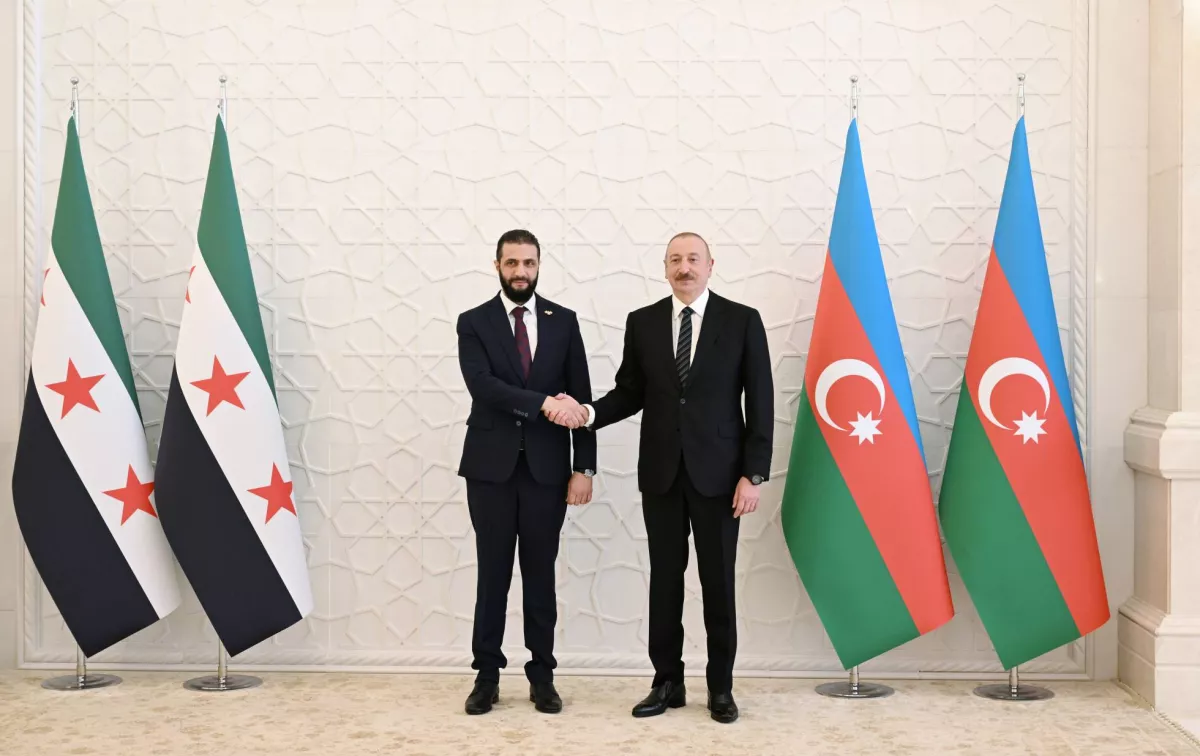
Two months prior, Azerbaijan’s Deputy Prime Minister Samir Sharifov led a delegation to Damascus to discuss Baku’s support for the reconstruction of the war-torn country and to explore opportunities for bilateral cooperation across various areas, including the economy, energy and education. During Mr. Sharifov’s visit to Syria, President Sharaa expressed the new Damascus government’s support for Azerbaijan’s territorial integrity and congratulated Baku on its success in reclaiming Karabakh from Armenian separatists during the 2020-2023 period.
Baku’s expanding footprint in Syria
Syria, after enduring years of conflict, now faces a costly reconstruction. Azerbaijan, a gas-rich country with expertise in logistics and infrastructure, is well-equipped to provide assistance. Given Syria’s location along the Eastern Mediterranean, it has the potential to become a transcontinental hub for energy and trade.
In July 2025, a landmark memorandum of understanding was signed between Syria and the State Oil Company of Azerbaijan (SOCAR), outlining plans to export natural gas from Azerbaijan’s largest gas field, Shah Deniz, located in the South Caspian Sea, to Syria via Turkiye.
The first phase of this agreement began in August 2025, allowing Syria to receive approximately 3.4 million cubic meters of gas per day. This supply is earmarked for Syria’s gas-powered plants, with Energy Minister Mohammad al-Bashir estimating that it will boost the country’s electricity generation by about 750 megawatts.
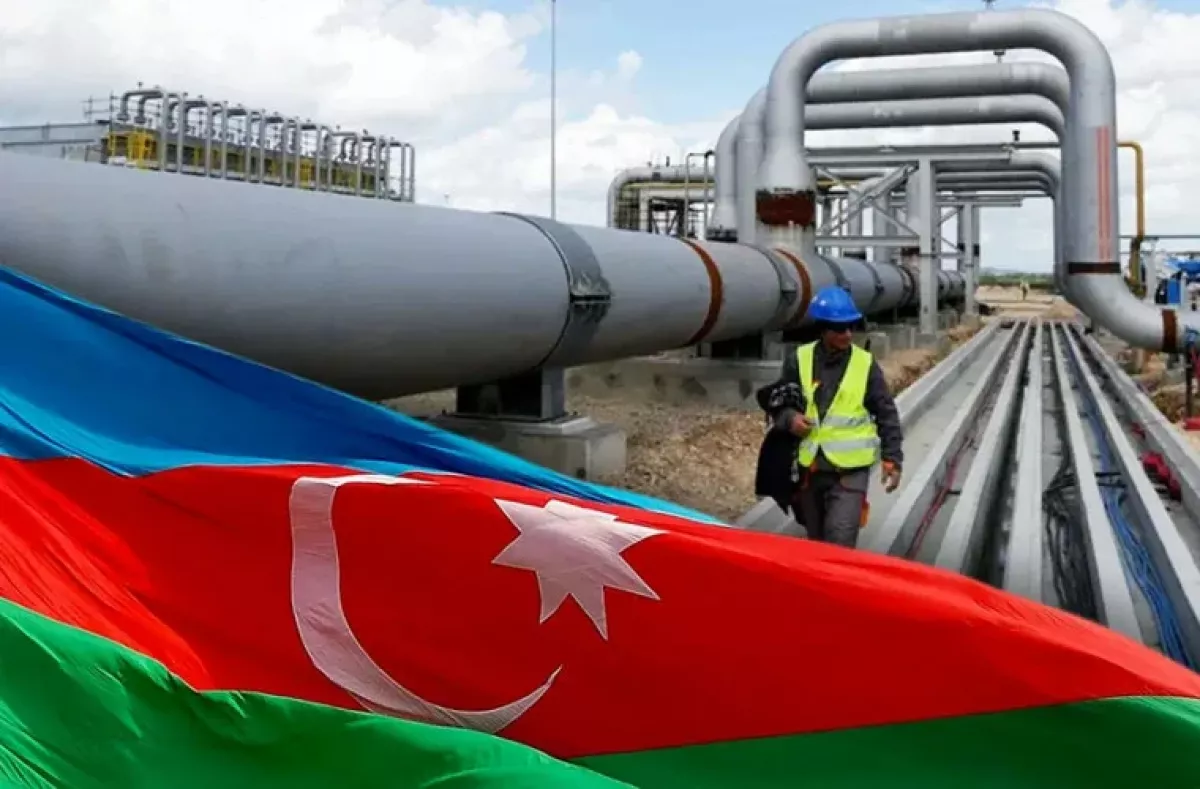
This collaboration is part of Azerbaijan’s broader strategy following the 2020 Karabakh war. It aims to enhance Baku’s global energy partnerships and strengthen its influence in the Middle East. While most of Azerbaijan’s natural gas exports currently go to Europe, the new gas flow to Syria diversifies Baku’s export portfolio and creates new avenues for energy partnerships in the Middle East.
Syria could serve not only as a consumer of Azerbaijani gas but also as a transit country, allowing Azerbaijan to export gas to Egypt via Syria. This cooperation secures Azerbaijan a position in Middle Eastern energy discussions and boosts its role as a bridge between the Middle East and Central Asia.
Azerbaijan’s delicate diplomacy in Syria
Azerbaijan’s close relationship with Israel plays a key role in assessing Baku’s potential role in shaping the future of Syria. As Israel and Turkiye pursue competing visions for Syria’s political and territorial landscape, tensions between these two regional powers have become increasingly evident. Against this backdrop, Baku has cautiously positioned itself as a possible bridge between Tel Aviv and Ankara.
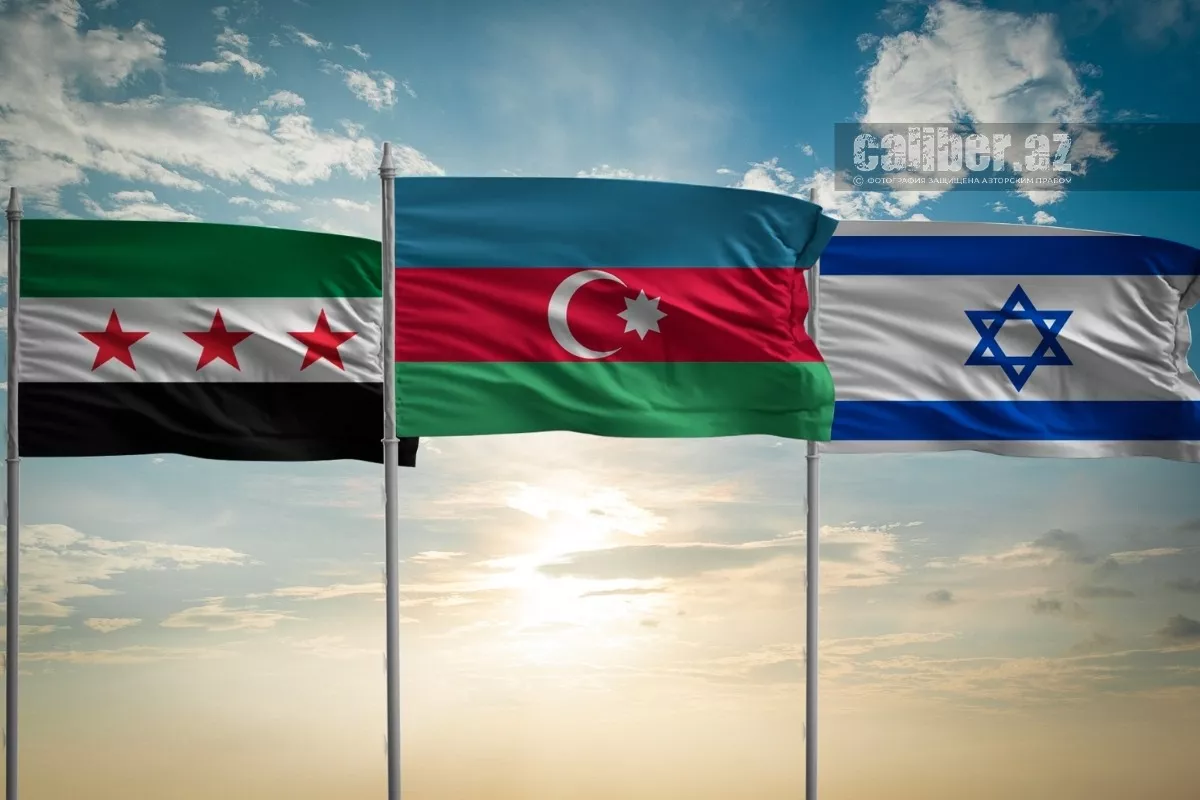
An emerging partnership between Azerbaijan and Syria may prove unexpectedly beneficial. Azerbaijan’s unique position – maintaining close ties with Israel while also engaging pragmatically with key regional players – could allow it to quietly facilitate future dialogue between Tel Aviv and Damascus or at least establish communication channels for de-escalation. Reportedly, during President Sharaa’s July visit to Baku, Syrian and Israeli officials met in the Azerbaijani capital.
Opportunities and risks in a volatile region
Azerbaijan’s growing engagement with the “New Syria” reflects a convergence of strategic interests driven by the region’s rapidly shifting geopolitical landscape. For Damascus, cooperation with Baku provides access to energy supplies, investment opportunities and diplomatic diversification, particularly as the country seeks to stabilize a fragile political transition. For Azerbaijan, deepening ties with post-Baathist Syria presents an opportunity to broaden its influence beyond the South Caucasus and Europe, diversify its energy export routes and position itself as a significant actor in Middle Eastern affairs.
The partnership between Baku and Damascus will increasingly influence the Middle East’s geopolitical landscape, offer potential advantages and possibly alter existing roles,” the article reads.







 editor@caliber.az
 +994 55 444-88-98
 Азербайджан, Баку, ул. Низами, 203, Af Business House, 5-й этаж