










AnewZ film reveals how shadow trade keeps Russia’s war going Hidden chains behind sanctions evasion
Azerbaijani TV channel AnewZ has produced a documentary investigation titled “Shadow Trade”, which shows how the global sanctions imposed after Russia began military actions in Ukraine in 2022 have been weakened by Moscow through informal trade routes.
The film focuses on Armenia’s transformation into a hub for the re-export of dual-use technologies, sanctioned components, and goods critical to Russia’s military capabilities, Caliber.Az reports.
What is often presented as Armenia’s economic growth is thoroughly examined, revealing a corridor through which prohibited materials move from international markets into an active conflict zone.
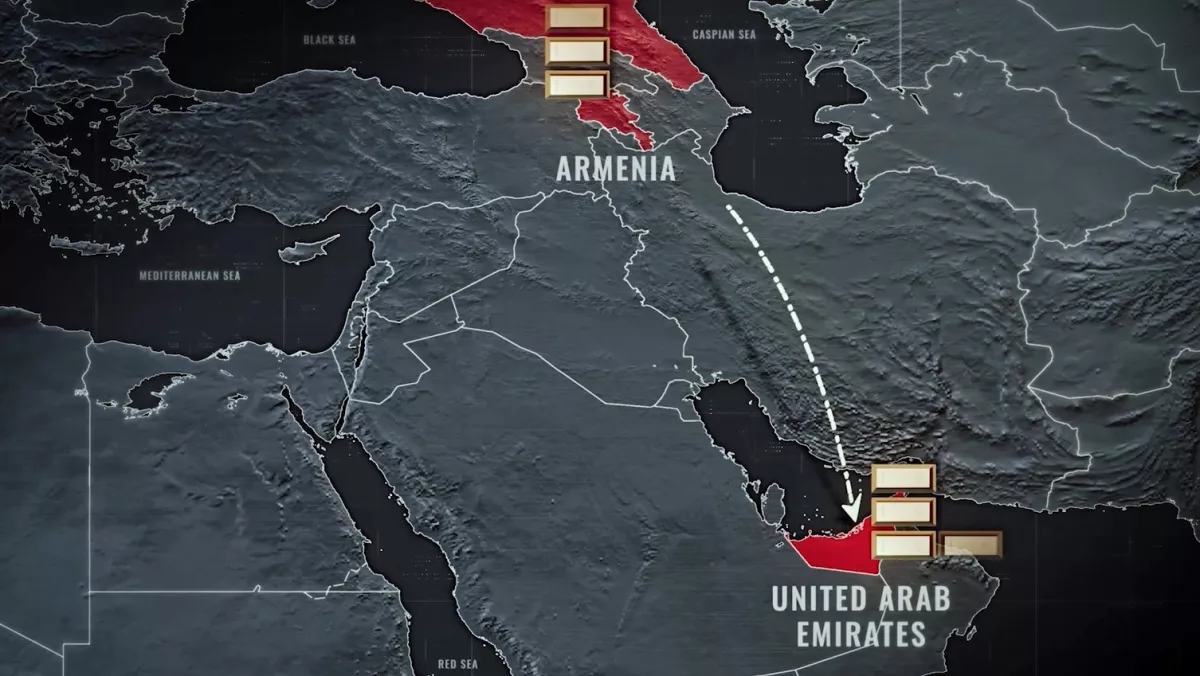
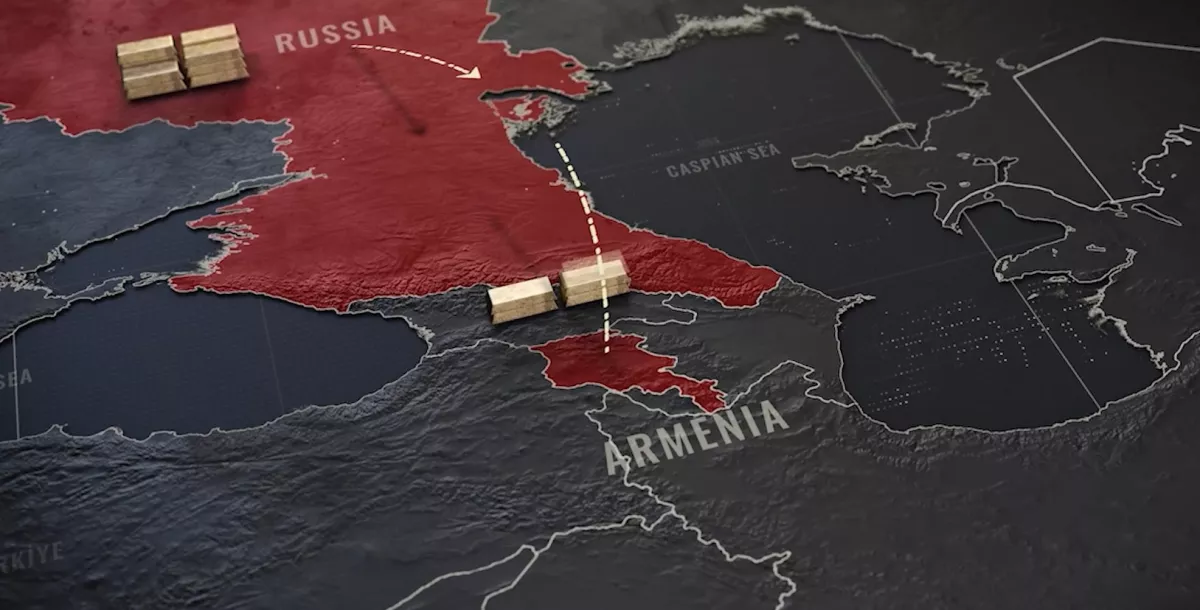
The documentary specifically details how Russian gold was illegally transported to Armenia and then, after being re-registered with Armenian documents, became “Armenian” gold. It was later sold to the United Arab Emirates (UAE) via Zvartnots Airport, 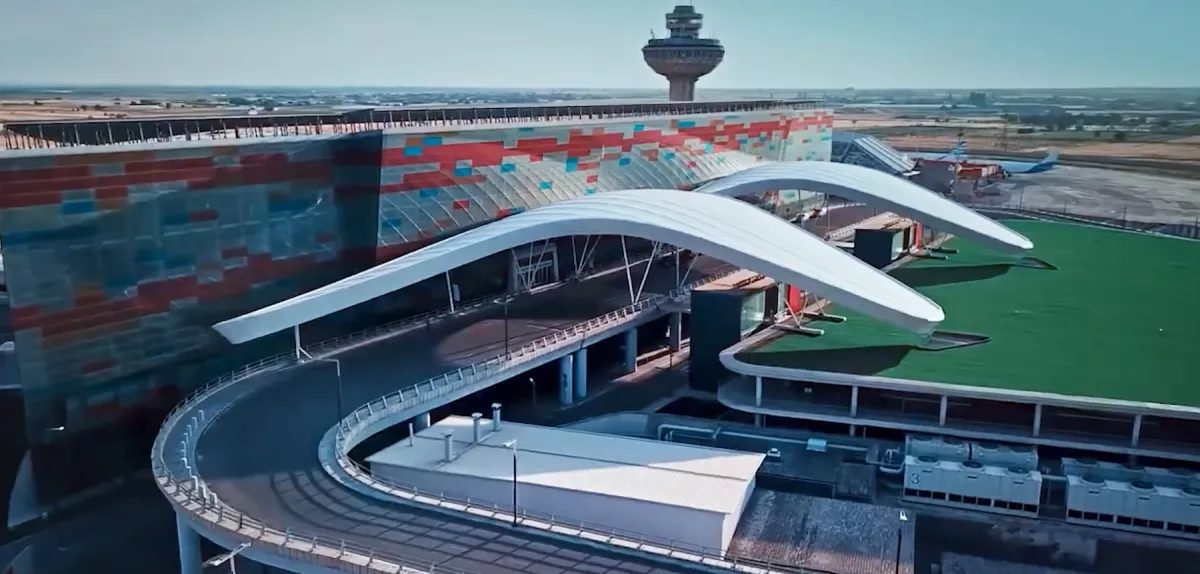
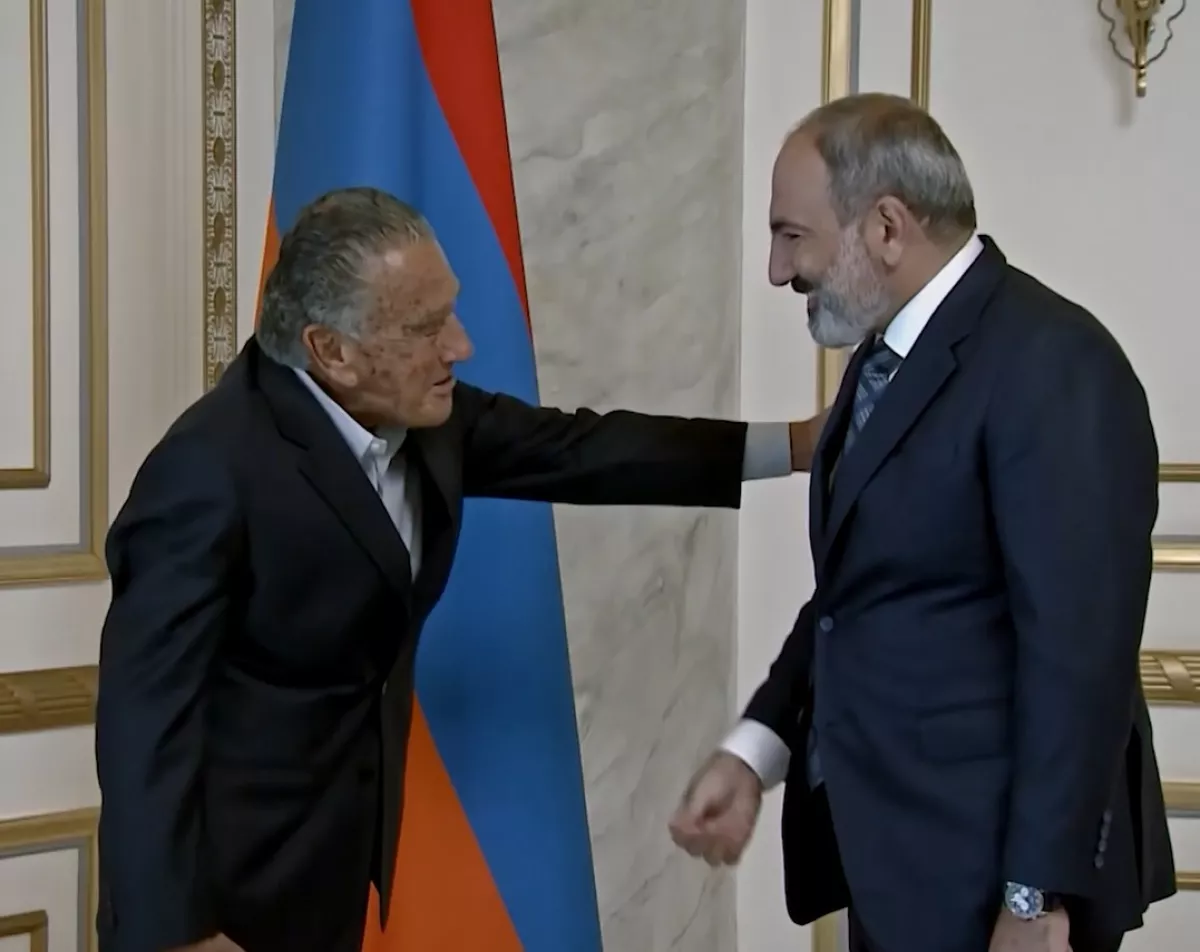
which is operated by a joint-stock company owned by Argentine millionaire of Armenian descent Eduardo Eurnekian.
A simple comparison of Armenian customs documents shows that before 2022 Armenia hardly exported any gold to the UAE. However, in a very short time, exports rose from $33 million in 2021 to $5 billion in 2024.
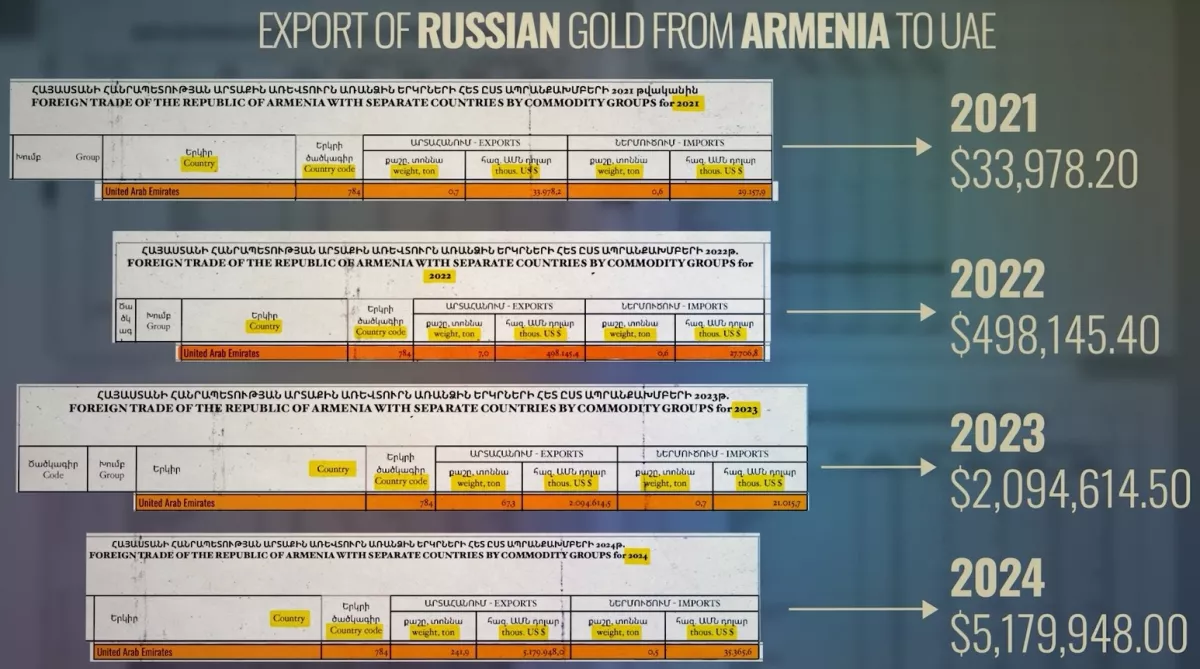
This is how Russian gold subject to international sanctions enters the global market, helping Russia finance its war in Ukraine.
The film also reveals how imported electronics are smuggled from Armenia into Russia under the guise of being Armenian goods.
Based on verified data, trade analysis, and open-source investigations, AnewZ examines how regulatory gaps are exploited, why sanctions lose effectiveness, and how supply chains adapt.
The documentary reflects AnewZ’s commitment to fact-based journalism grounded in evidence, transparency, accountability, and respect for sovereign borders. By documenting what happens beyond public view, the “Shadow Trade” project aims to clarify how illegal networks operate during wartime and why exposing them remains a necessary first step toward holding the war’s instigators accountable.







 editor@caliber.az
 +994 55 444-88-98
 Азербайджан, Баку, ул. Низами, 203, Af Business House, 5-й этаж