










Baku as a centre of global urbanism Expectations from WUF13
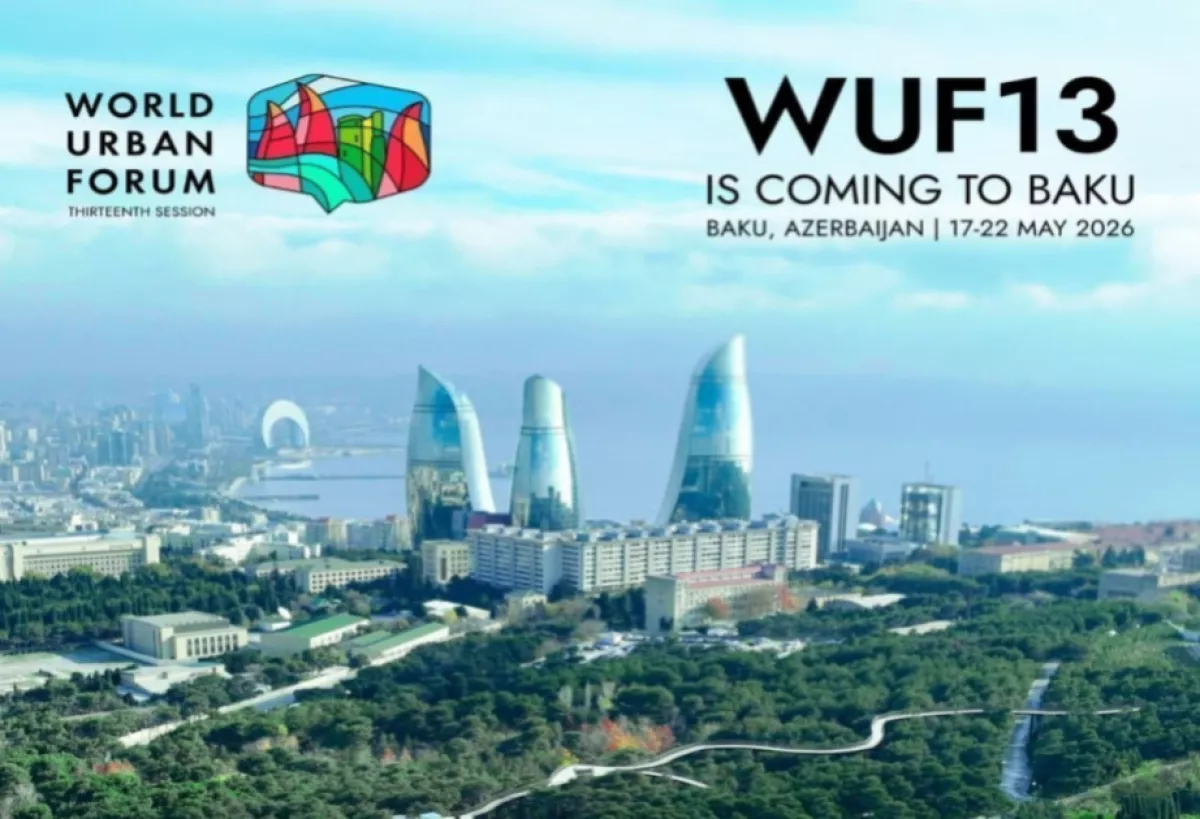
Less than a week remains until the start of the grand architectural event in Baku — the World Urban Forum (WUF13).
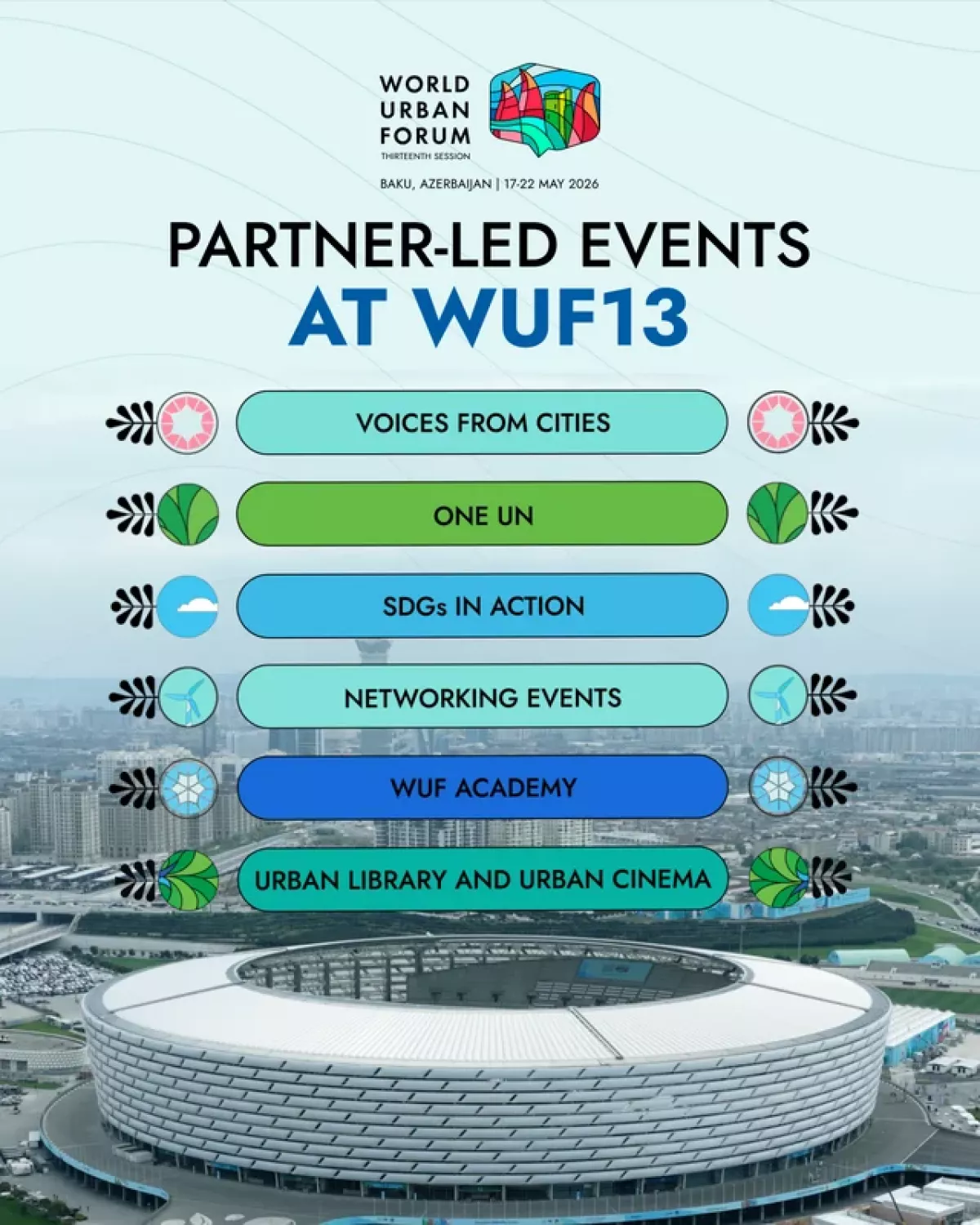
From May 17 to 22, thousands of delegates from all over the world will arrive in the capital of Azerbaijan to participate in the 13th session of the forum, and Baku will present itself to them both as a welcoming host city and as a living model of urban transformation. The United Nations’ decision to hold the forum here became recognition of Azerbaijan’s unique path.
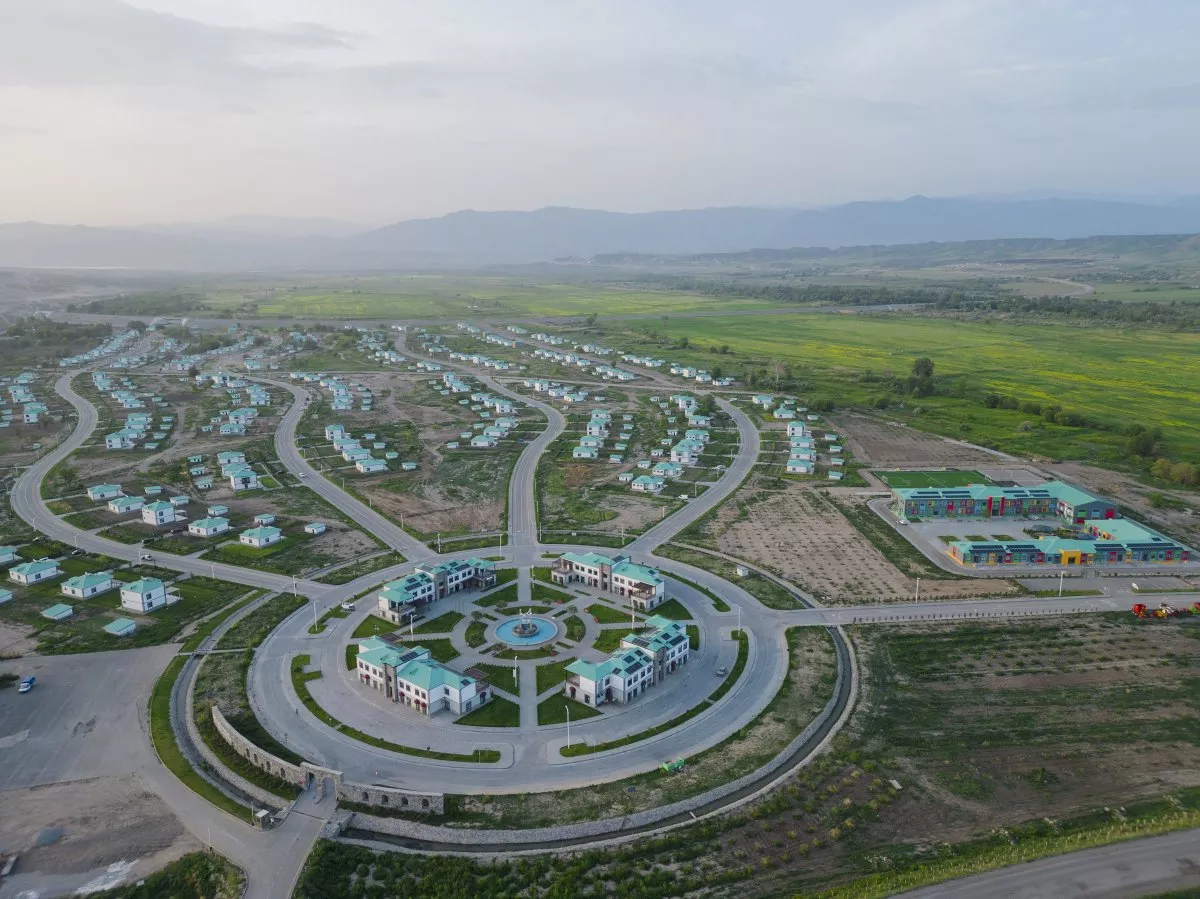
It is no secret that in recent years, following the victorious liberation of Karabakh and East Zangezur, Azerbaijan has been carrying out urban development projects unprecedented in scale, restoring the liberated lands from ruins and turning them into architectural works of art — beautiful spaces that genuinely serve people.
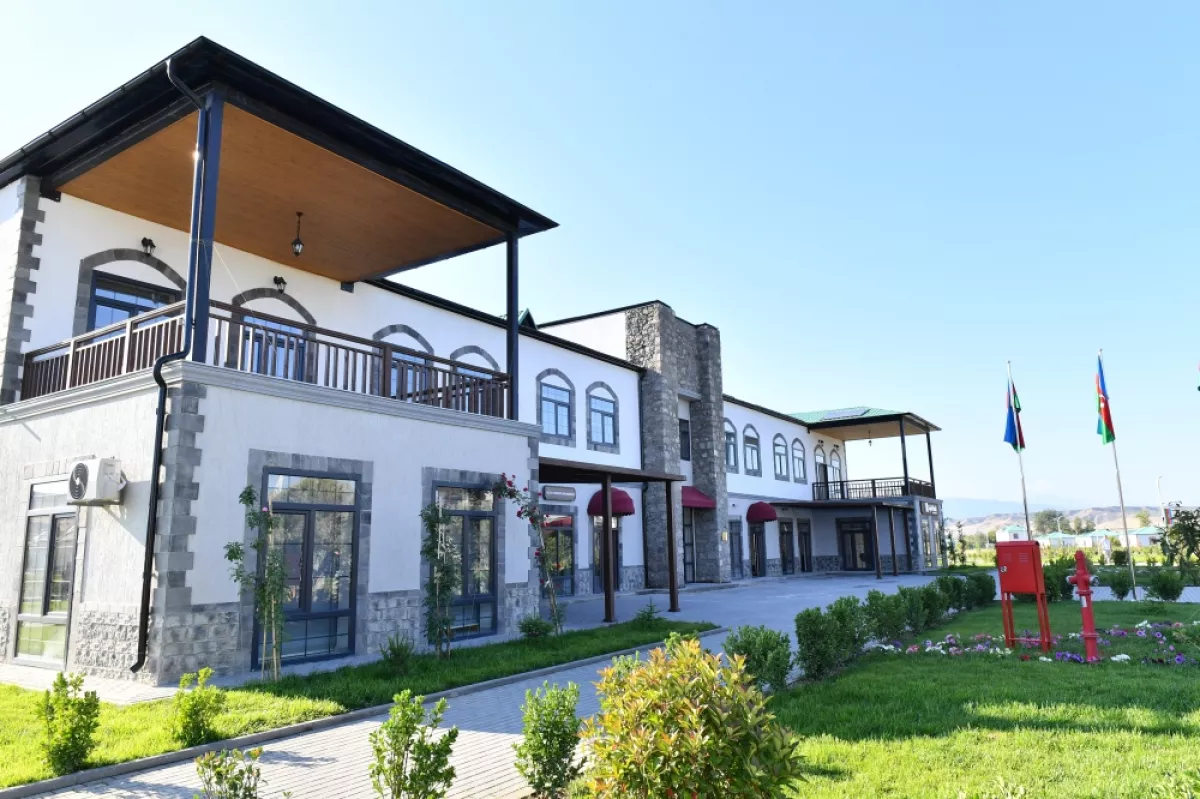
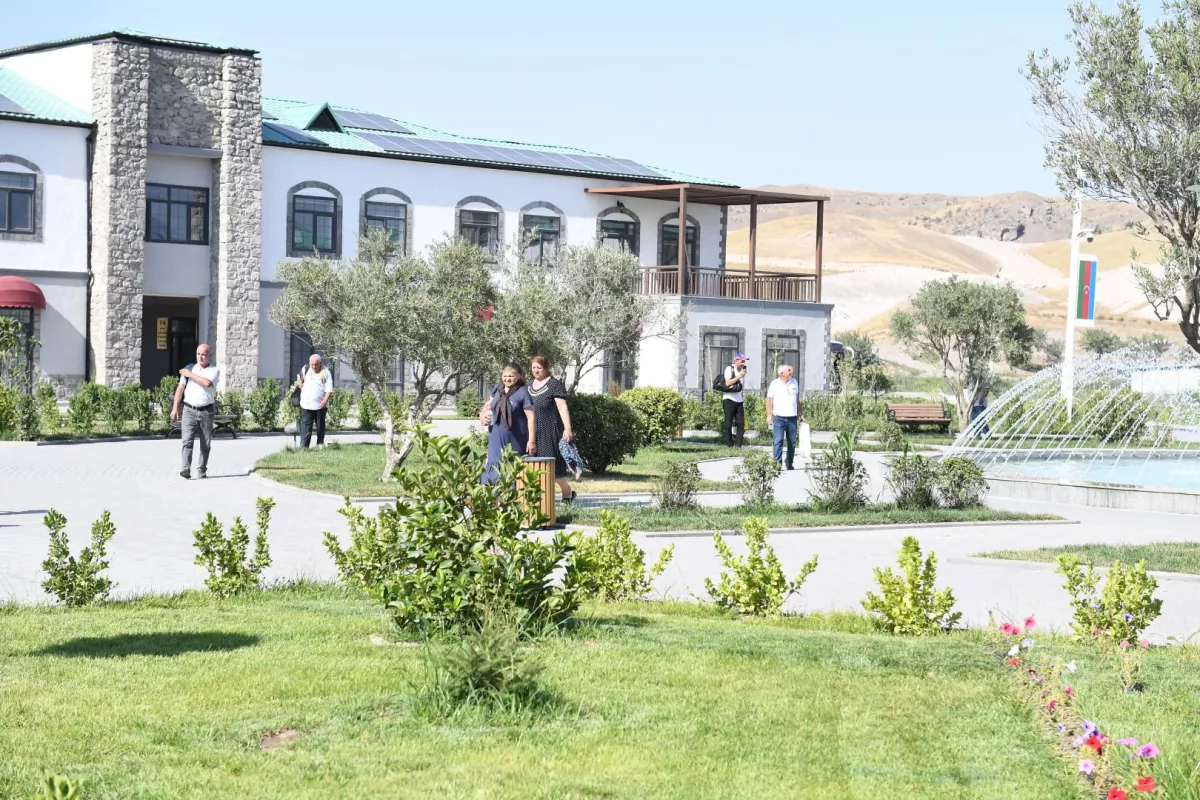
Thus, Azerbaijan is, to some extent, setting a positive architectural tone for the entire planet, and this is not an exaggeration but a statement of fact.
Azerbaijan’s preparation for this event resembles the work of a complex clockwork mechanism, where every part is interconnected with another. In this sense, WUF13 is reminiscent of COP29, which was held in Baku in 2024, though with a much stronger architectural focus. Moreover, the forum has already expanded beyond Baku itself, shaping the urban development agenda in many different cities across the republic.
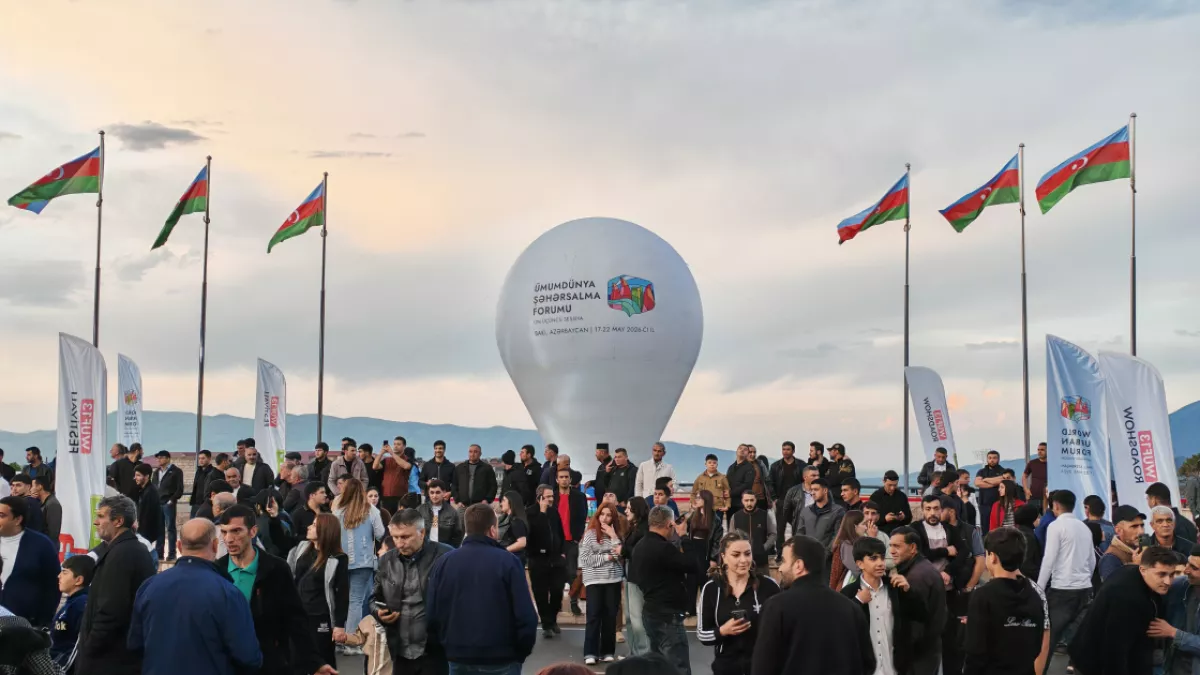
In particular, festivals and informational events within the framework of the forum were held in Guba, Gabala, Ganja, Mingachevir, Sheki, Lankaran, and in the heart of Karabakh — Khankendi. Another event will also take place in Sumgayit, while the final results will be summarised in Baku.
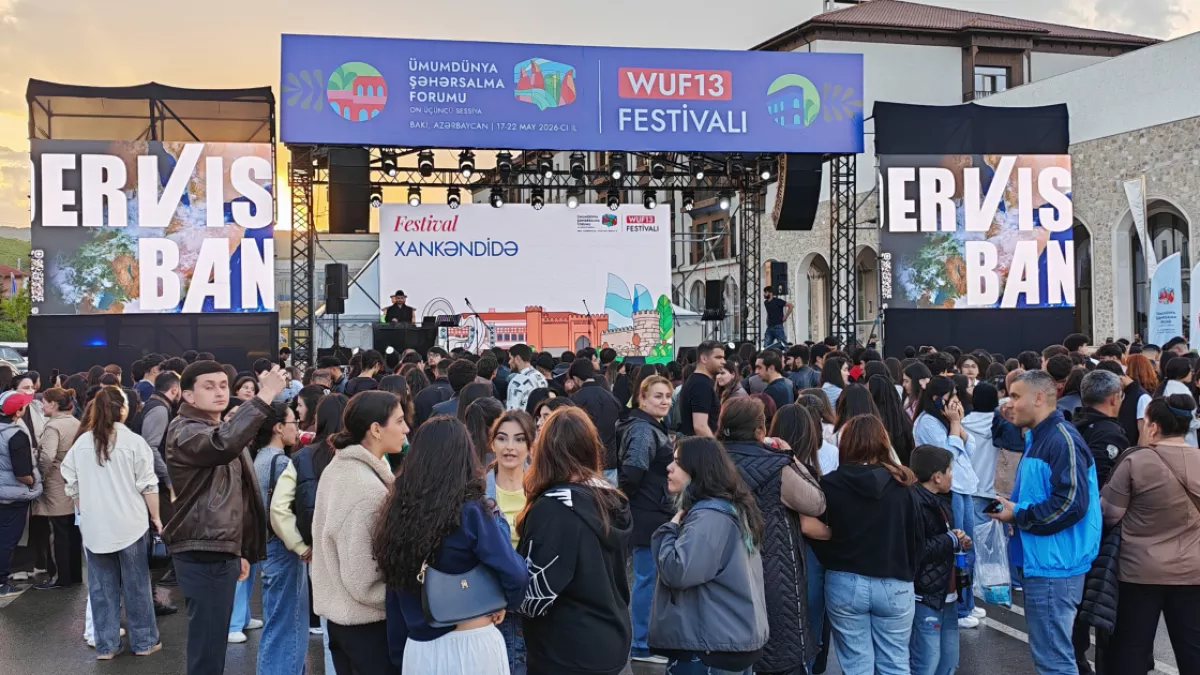
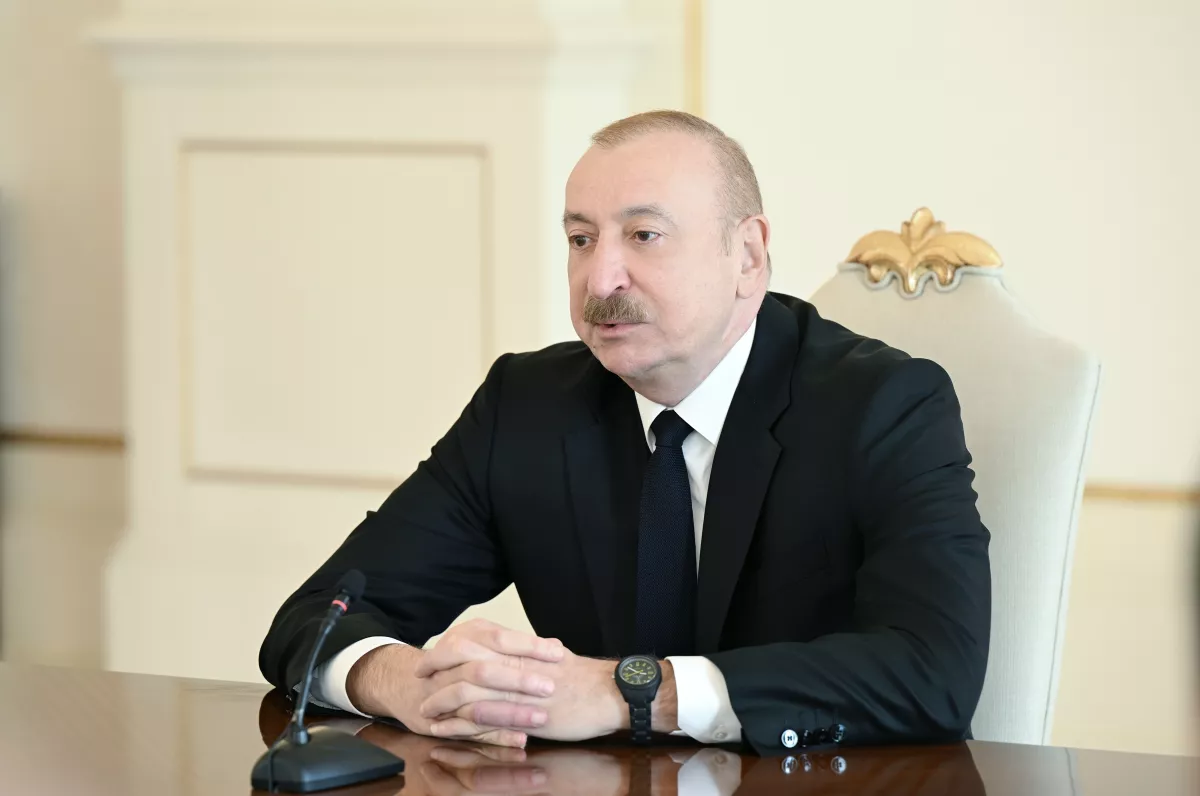
These were not merely educational celebrations — the festivals became a demonstration of our country’s responsible approach to hosting WUF13, showing that the reconstruction projects in Karabakh and East Zangezur, the “smart” villages and cities in the liberated territories, and the magnificent “White City Baku” are vivid and well-conceived examples of the urban development policy being implemented in the country under the leadership of Ilham Aliyev. And it is precisely thanks to its leader that Azerbaijan today stands among the leading countries supporting sustainable development.
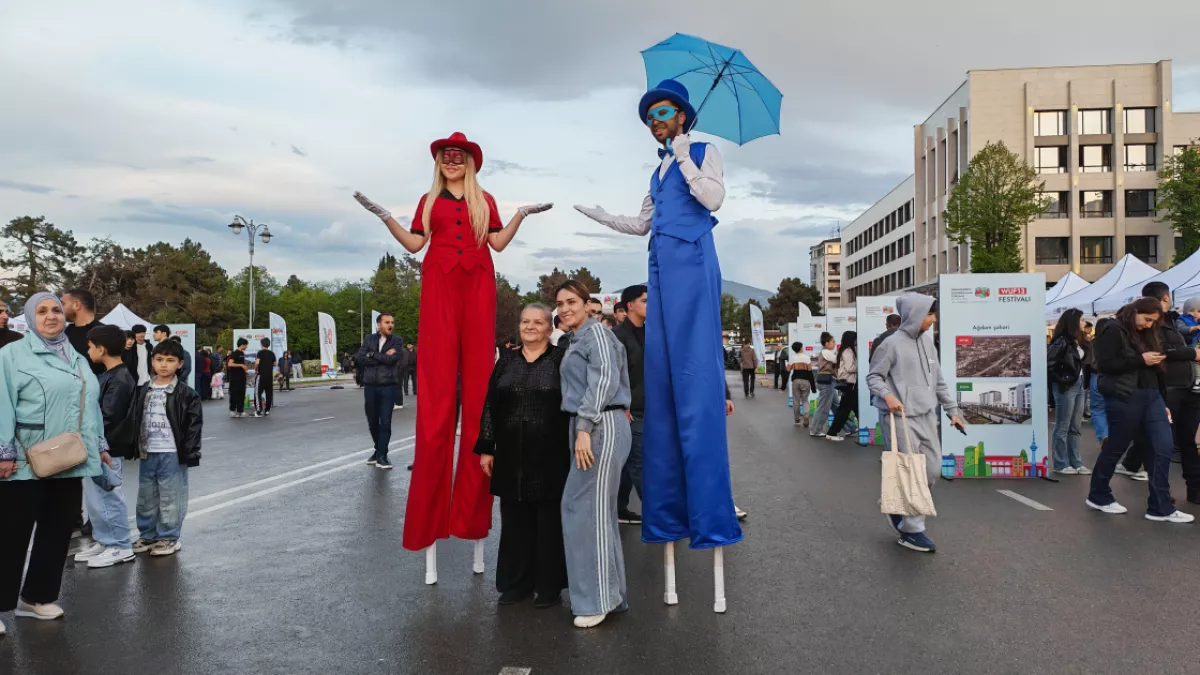
The WUF13 festivals were organised not only to inform the public about the goals, scale, and program of the event. Their message was far broader — to explain to the wider population, in an accessible and engaging way, the most important urban planning challenges and tasks of the modern era. Through interactive activities, educational games, presentations, and public discussions, such topics as sustainable urban development, inclusive urban environments, innovative urban solutions, and the cities of the future were presented.
All of this, in turn, contributes to raising public awareness on issues of urbanisation, sustainability, and social development, strengthening dialogue among various stakeholders, and encouraging new forms of cooperation. For Azerbaijan, I repeat, this is of crucial importance — because against the backdrop of the rebirth of Karabakh from ruins and the reconstruction of East Zangezur, a truly unique space has opened before us for the implementation of modern architectural ideas and urban planning concepts.
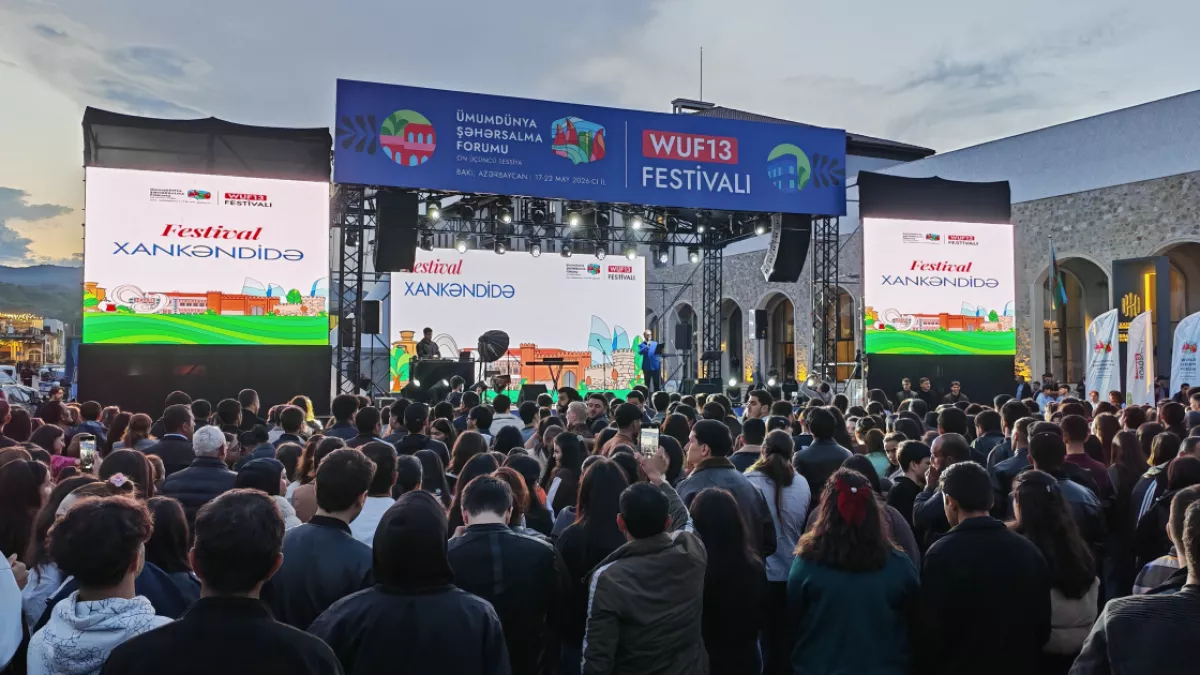
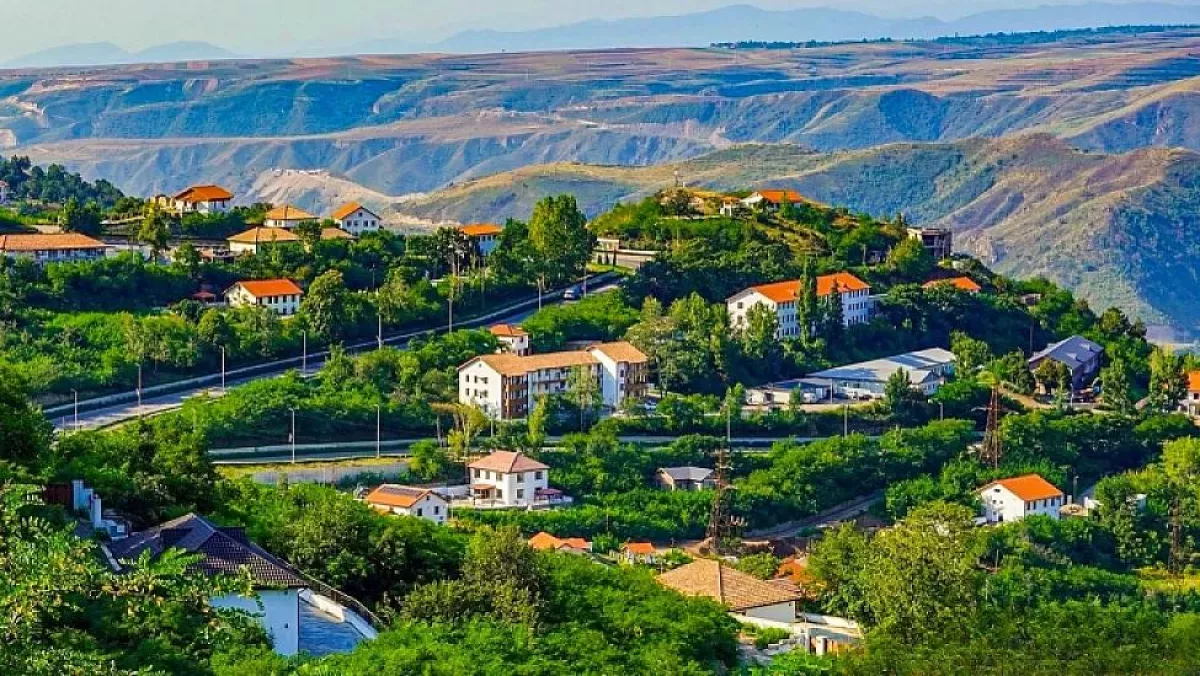
And with each passing day, this space is being filled with new architectural content — beautiful homes and public buildings, wide streets, and architectural masterpieces that serve people. In this way, this part of our homeland, which for more than 30 years had remained a scorched and looted wasteland, is being transformed into a flourishing garden filled with modern architecture and innovative urban development trends.
After all, when we speak about inclusive urban planning and about how to shape the future of cities, these are not abstract discussions — they are conversations about the kinds of cities and communities in which we and our children will live one year, 5 years, 10 years, or 20 years from now.
We must begin discussing the future appearance of our cities already now, because cities should be positive and comfortable for residents in terms of ecology, transportation, accessibility, and sanitary standards, becoming places where architecture and urban planning are not lifeless or abstract concepts, but directly serve the well-being of people. Among other things, this will also contribute to the development of approaches aimed at overcoming the global housing crisis, which, unfortunately, has not bypassed Baku either, where apartments remain very expensive and inaccessible to many people. We need the development of innovative solutions in the fields of housing construction, reducing housing costs, creating well-designed courtyards and neighbourhoods, expanding green spaces, and much more.
These are not merely theoretical ideas, but issues that concern everyone — which is exactly why WUF13 is so relevant. And beyond all of the above, there are also issues of Smart Governance, which is already optimising urban flows, as well as innovative micromobility solutions aimed at transforming the metropolis into a space convenient for pedestrians and eco-friendly transport, the use of groundwater, solar and wind energy, the creation of climate-resilient urban environments, and much, much more…
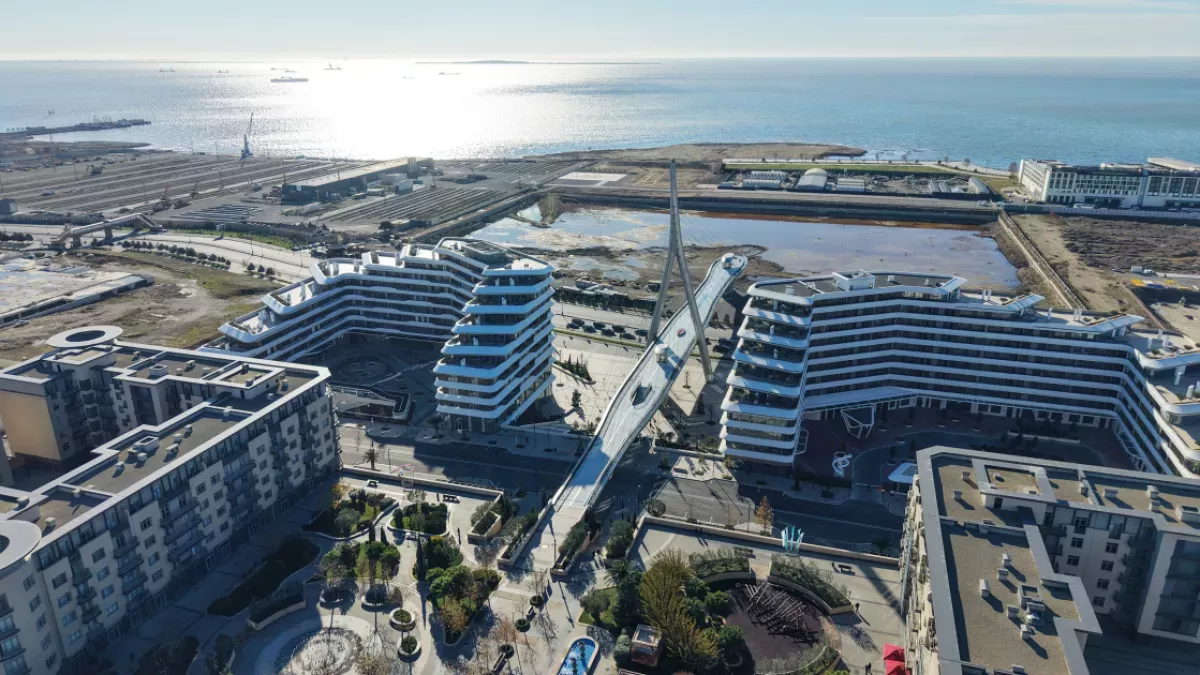
A city is not only walls, but also people. Interactive urban planning sessions and project presentations, festivals, and public events have demonstrated that the principles of UN-Habitat are being implemented in practice in Azerbaijan. Today, the Republic of Azerbaijan is a territory of creation and progress, a bridge between West and East, North and South. In this regard, the modernisation of Baku’s infrastructure, the expansion of green spaces, and the adaptation of the urban environment to the needs of residents provide every reason to confidently say: Baku is ready to become the world capital of urbanism in 2026.
WUF13 is an opportunity for our country to declare to the world that the time has come to build a society of comfortable cities and communities on Earth. And that is why it is so inspiring that in just a few days Baku will become the place where the future development paths of the world’s megacities will be discussed. We believe in the success of this global mission, which will once again present Azerbaijan to the international community.
By Timur Rzayev







 editor@caliber.az
 +994 55 444-88-98
 Азербайджан, Баку, ул. Низами, 203, Af Business House, 5-й этаж