










SAFE for Türkiye. European defence against Greek veto Article by Matanat Nasibova
Last week, the focus of global media in general and Turkish outlets in particular was drawn to a statement by the European Union’s High Representative for Foreign Affairs and Security Policy, Kaja Kallas, which directly concerned Türkiye.
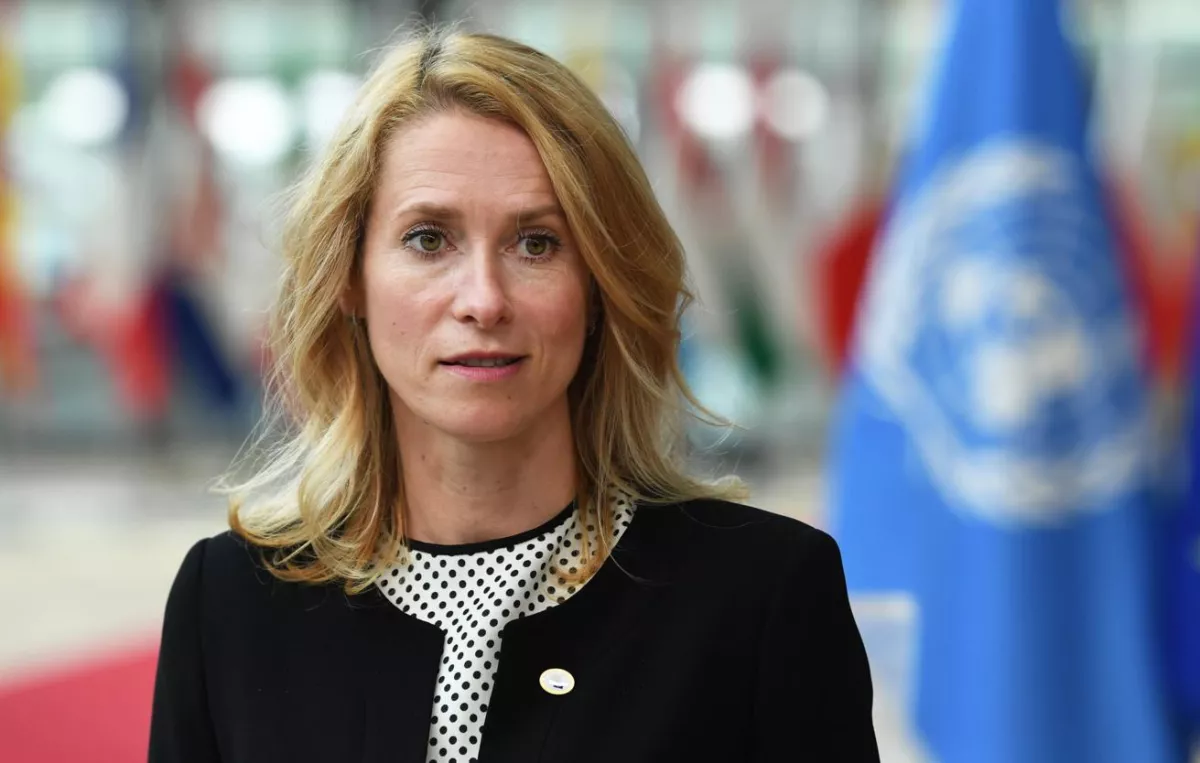
In an interview with one of Greece’s leading newspapers, Ta Nea, Kallas not only noted that the EU offers Ankara cooperation in the field of defence but, responding to a provocative question from a journalist claiming that the Turkish side allegedly threatens two EU member states, stated that Türkiye occupies an important place in Europe’s security architecture. In doing so, the head of European diplomacy effectively sent a warning message to Athens, which is seeking to block Türkiye’s participation in the European Union’s €150 billion SAFE defence financing programme, suggesting that the Greek side should reconsider its position.
Brief background: the SAFE programme is a key pillar of the European strategy to strengthen the EU’s defence industry and strategic autonomy. Its goal is to accelerate joint European procurement of defence equipment, reduce market fragmentation, and expand the production capacity of the European defence industry in order to meet the continent’s growing security needs.
A long-standing conflict of interests
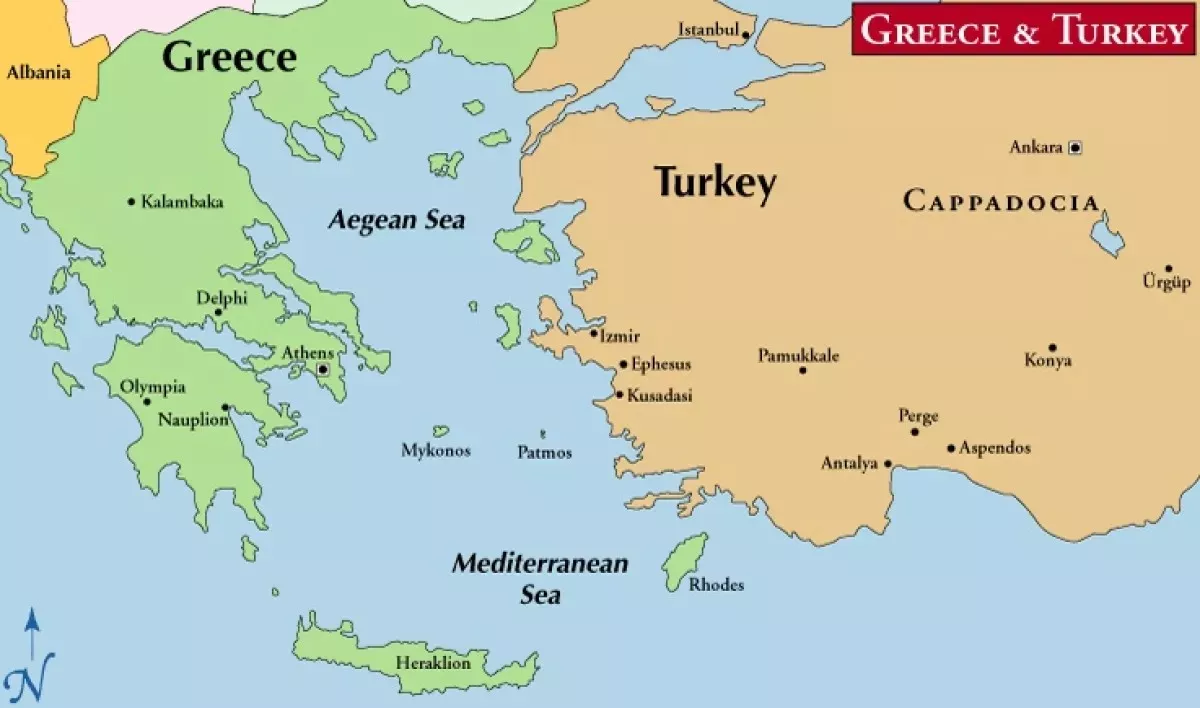
As is well known, Greek–Turkish relations are far from friendly and periodically experience crises due to various territorial disputes: over maritime borders, airspace, the continental shelf, and islands. In addition, last August, Greece announced radical plans to deploy so-called “self-sufficient” military units on the islands of the Aegean Sea, some of which are located just 1,575 metres from Türkiye. Naturally, this move further heightened tensions between Athens and Ankara. In this context, the Turkish publication Daily Sabah reported that Greece had violated international legal documents, namely the 1923 Treaty of Lausanne and the 1947 Paris Peace Treaty.
It should be recalled that the Treaty of Lausanne – one of the key outcomes of the 1922–1923 Lausanne Conference – was signed on July 24, 1923, by Great Britain, France, Italy, Japan, Romania, and the Kingdom of Serbs, Croats and Slovenes on one side, and Türkiye on the other. It replaced the 1920 Treaty of Sèvres. Under the Lausanne Treaty and the 1947 Paris Peace Agreement, the islands in the eastern Aegean were transferred to Greece on the condition of demilitarisation “for the preservation of peace.” Thus, according to these documents, the stationing of any forces other than Greek security personnel on these territories is prohibited, and the violation of their demilitarised status gives Türkiye the right to raise the issue of sovereignty over these Aegean islands, of which there are up to eighteen.
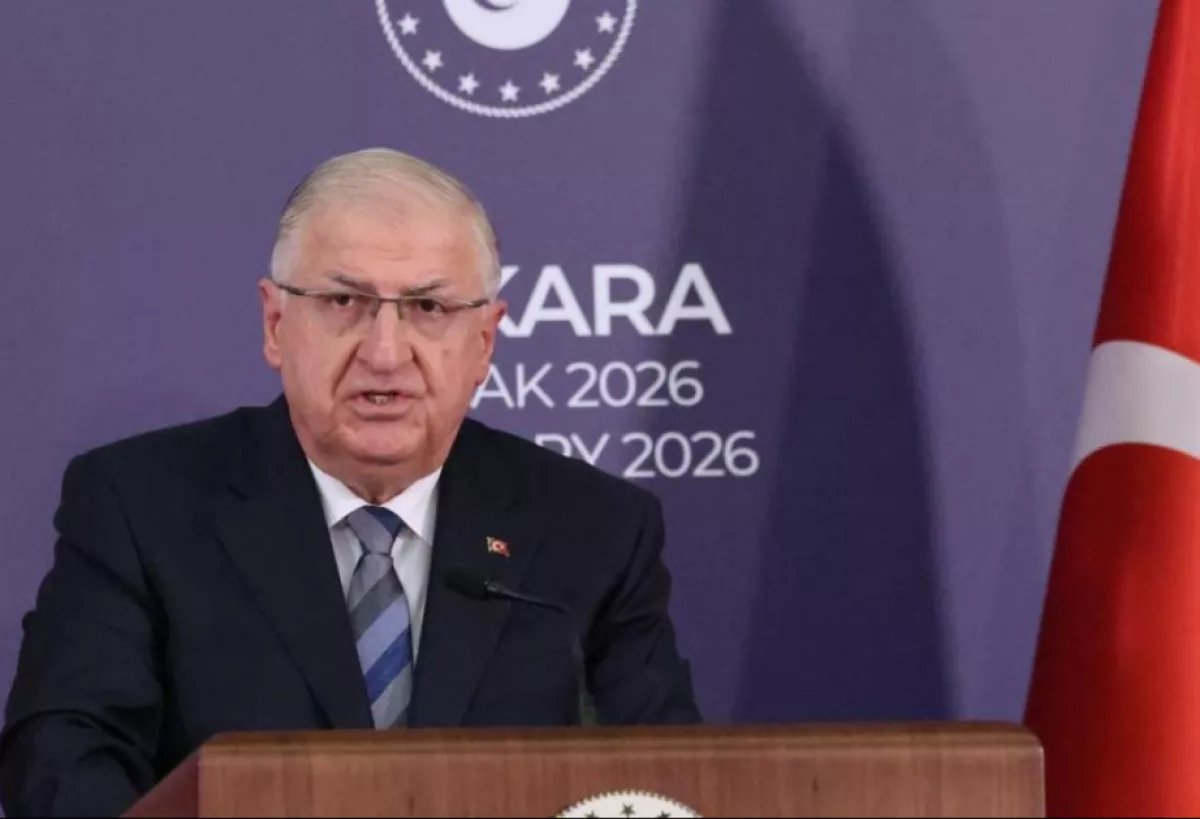
In response to the actions of the Greek authorities, Türkiye is increasing its presence in the airspace of the region, while official representatives are making clear and specific statements. In particular, in the summer of 2025, Minister of National Defence Yaşar Güler, commenting on Athens’ attempts to extend its territorial waters in the Aegean Sea to 12 nautical miles, stated: “We will not allow any step that contradicts Türkiye’s interests in the seas.” At the same time, in May of this year, Bloomberg reported that Ankara is preparing to submit a bill to parliament that would officially enshrine the country’s rights over maritime zones in the Aegean and the Eastern Mediterranean. It is noted that the document aims to strengthen Türkiye’s rights and formally confirm its claim to potential natural gas reserves.
NATO and the EU against Athens
At the same time, the situation surrounding the EU SAFE programme is also highly controversial: Athens intends to veto Türkiye’s participation, using its voting rights in the European Council during the approval of the programme, and arguing that granting European defence funding to a country allegedly openly threatening an EU member state is “politically unacceptable.”
In addition, the Greek authorities have set a number of conditions for Ankara, the key ones concerning Türkiye’s renunciation of claims over the Aegean islands and airspace described as “grey zones,” as well as the repeal of the Turkish parliamentary resolution of 8 June 1995 authorising the government to consider a possible Greek extension of territorial waters in the Aegean Sea as casus belli.
This Greek policy of pressure is supported by Paris and Nicosia; however, the leadership of the European Union is urging Athens not to block Türkiye’s strategic participation in SAFE. In addition, Türkiye is supported in this matter by one of the leading EU countries – Germany. In particular, German Foreign Minister Johann Wadephul stated during talks with his Turkish counterpart Hakan Fidan that he considers it necessary to open the SAFE programme to Türkiye, describing it as an important and reliable NATO partner.
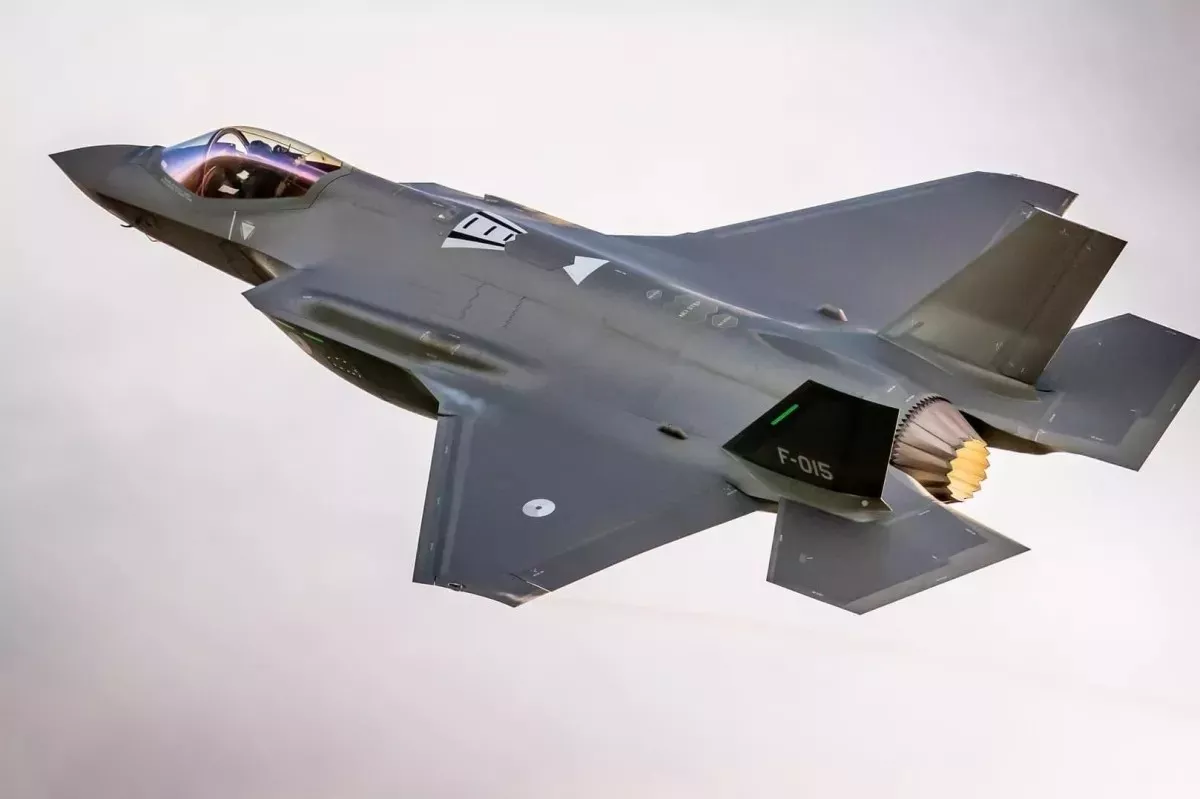
Moreover, Berlin approved the delivery of Eurofighter fighter jets to Ankara, which triggered indignation in Athens: Prime Minister Kyriakos Mitsotakis reportedly expressed regret that Greece could not prevent the Eurofighter deal.
However, it can be said that Germany effectively ignored this frustration, and discussions on unblocking Türkiye’s application subsequently continued at other levels as well, including during contacts between Chancellor Friedrich Merz and the Greek prime minister. Nevertheless, Athens’ position on SAFE remains unchanged, despite calls from several European capitals. The issue was also raised with the Greek side by NATO Secretary General Mark Rutte, who argued that Türkiye is indispensable to the Alliance and that its inclusion in the defence financing programme would strengthen security cooperation between NATO and the EU.
Ankara’s advantages
Here it is worth noting that the above statements by the NATO Secretary General are by no means an exaggeration and are grounded in solid reasoning.
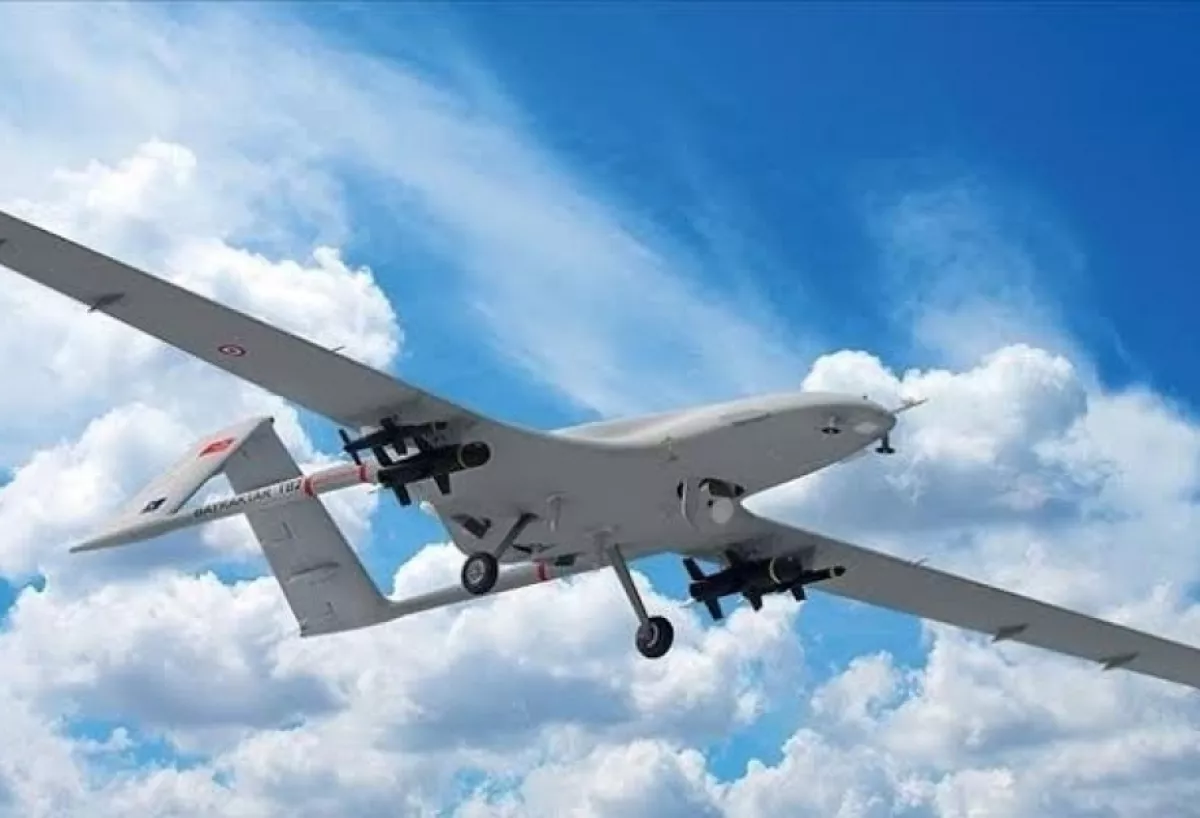
Firstly, Türkiye is indeed critically important for the European SAFE defence programme, primarily due to its advanced defence industry and well-developed military-industrial complex, whose capabilities and production capacity are considered significant for the broader transatlantic security ecosystem. Secondly, Ankara plays a central role in securing the southern and south-eastern flanks of the Alliance, which makes it indispensable for the overall architecture of European security – a fact acknowledged both within NATO and the EU.
Thirdly, a number of European Union member states are actively purchasing Turkish Bayraktar TB2 UAVs to strengthen their defence capabilities. For example, Poland became the first EU and NATO member state to acquire these aircraft: a contract for their delivery was signed in May 2021. It was followed by Croatia, which concluded an official agreement with Baykar to equip its air forces with these Turkish drones. According to statements by the Turkish leadership, interest among European states in acquiring the Bayraktar TB2 remains high, with orders continuing to come in one after another.
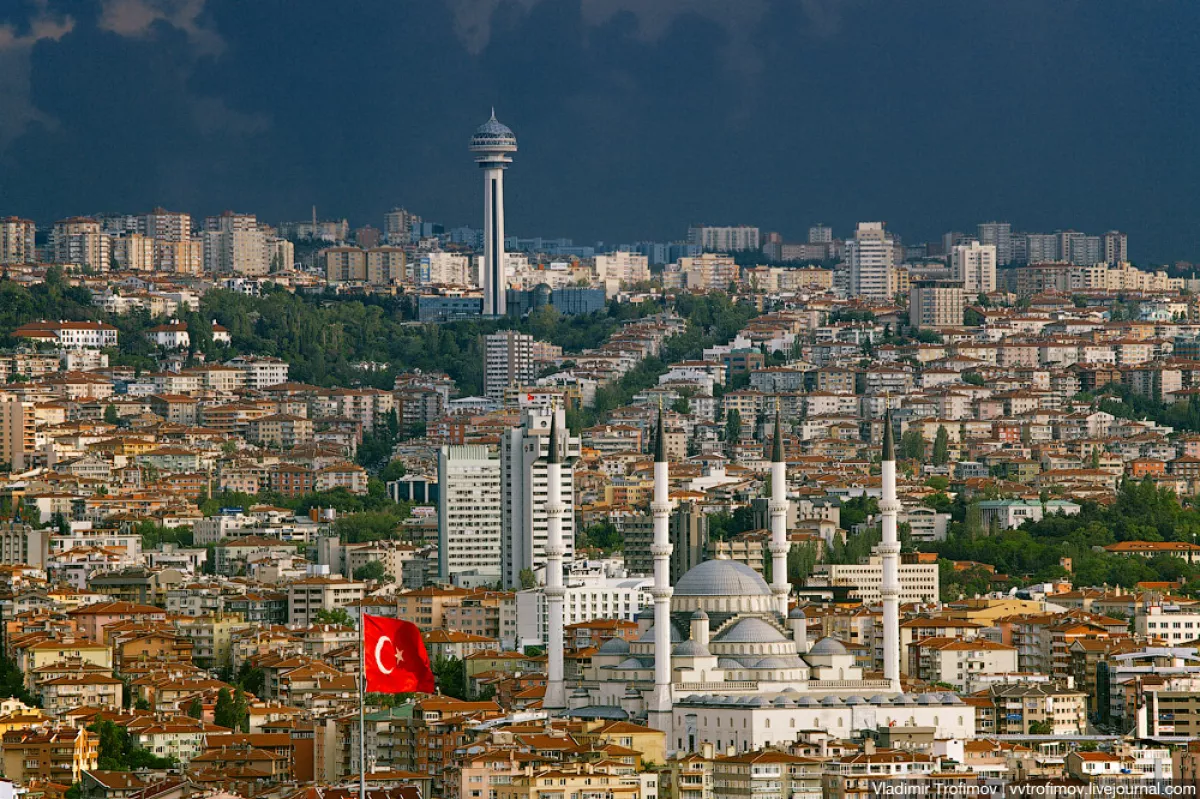
Fourthly, due to its geographical position, Türkiye, under the Montreux Convention, acts as a natural regulator of the passage of naval vessels through the strategic straits of the Bosporus and the Dardanelles, and it is precisely through this mechanism that NATO maintains access to monitoring naval vessels transiting from the Black Sea to the Mediterranean.
Thus, both the above-mentioned and other advantages of Ankara provide grounds to assume that both NATO and the EU will continue to defend its right to participate in the SAFE programme, using diplomatic pressure on Greece as an instrument. However, even in the event of a favourable outcome on this issue, the likelihood of reaching a compromise between Ankara and Athens on fundamental territorial disputes appears extremely low.
Such an unpromising forecast is linked to the fact that the long-standing conflict of interests between Türkiye and Greece has taken on a protracted character, and there are currently no indications of conditions that would lead to its definitive resolution.







 editor@caliber.az
 +994 55 444-88-98
 Азербайджан, Баку, ул. Низами, 203, Af Business House, 5-й этаж