










WHO warns of trending nicotine product's “aggressive” marketing targeting youth
The World Health Organization has warned about the growing addiction risks linked to a trending new smoking product, nicotine pouches, and accused producers of using “aggressive” marketing tactics aimed at young people.
The UN health agency said nicotine pouches can be highly addictive and called on governments to introduce comprehensive regulations covering all nicotine and tobacco-related products, according to their newly released report.
“The use of nicotine pouches is spreading rapidly, while regulation struggles to keep pace,” said Vinayak Prasad, head of the Tobacco Free Initiative unit at the WHO. “Governments must act now with strong, evidence-based safeguards.”
Nicotine pouches are small pre-portioned packets designed to deliver nicotine through the mouth. They typically contain either synthetic or tobacco-derived nicotine along with ingredients such as cellulose powder, sweeteners, flavourings, and alkaline agents.
Trending product among teens
According to the WHO report, global retail sales of nicotine pouches reached 23.462 billion units in 2024 — a 50.5% increase compared with the previous year.
The agency added that the global nicotine pouch market was worth nearly $7 billion in 2025, with North America — particularly the United States — accounting for roughly 79% of total revenue.
Outside the US, nicotine pouches have become especially popular in several European countries, including Germany, Poland and Sweden.
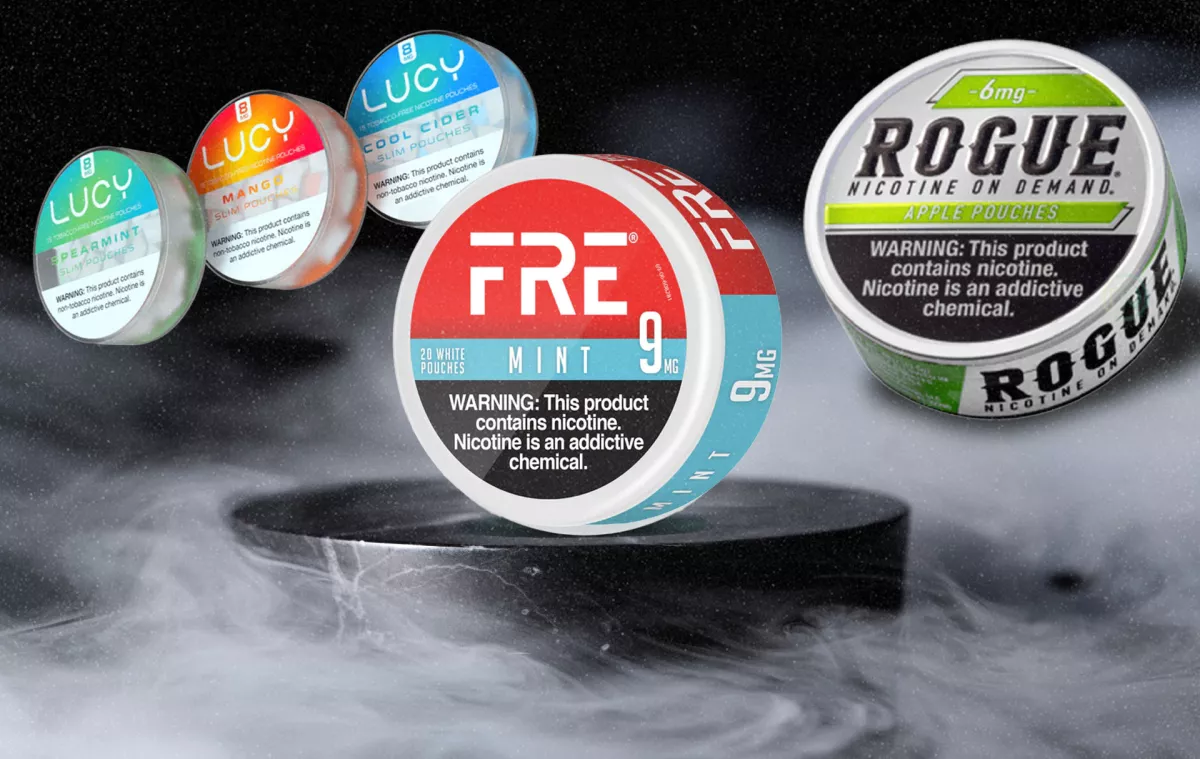
While the products are used across different age groups, the WHO stressed that children and teenagers require special protection because they are more vulnerable both to nicotine addiction and to targeted advertising strategies.
The report highlighted a sharp rise in nicotine pouch use among young people in multiple countries, which the WHO linked to increasingly aggressive marketing campaigns.
According to the UN agency, companies frequently promote nicotine pouches through social media and digital advertising, often relying on influencers and messaging that presents the products as “discreet” or easy to hide from parents and teachers. Producers also release pouches in various flavours, aimed at increasing the product’s attractiveness for young consumers.
The WHO warned that some campaigns specifically frame nicotine pouch use as a way to break rules or avoid detection, raising concerns about their appeal to teenagers.
By Nazrin Sadigova







 editor@caliber.az
 +994 55 444-88-98
 Азербайджан, Баку, ул. Низами, 203, Af Business House, 5-й этаж