










Flowers and prayers in Baku as nation remembers Khojaly victims photo
On the 34th anniversary of the Khojaly tragedy, citizens across Azerbaijan are making their way to the “Ana harayı” — “Mother’s Cry” — memorial in the Khatai district of Baku, a solemn tribute to the victims of a genocide.
From early morning, the site has drawn members of the intelligentsia, public figures and ordinary residents alike, local media reports. People approach the monument carrying flowers, standing in silence before laying them at its base. Many bow their heads in prayer, honouring the memory of those who were killed and reflecting on a wound that remains deeply felt more than three decades later.
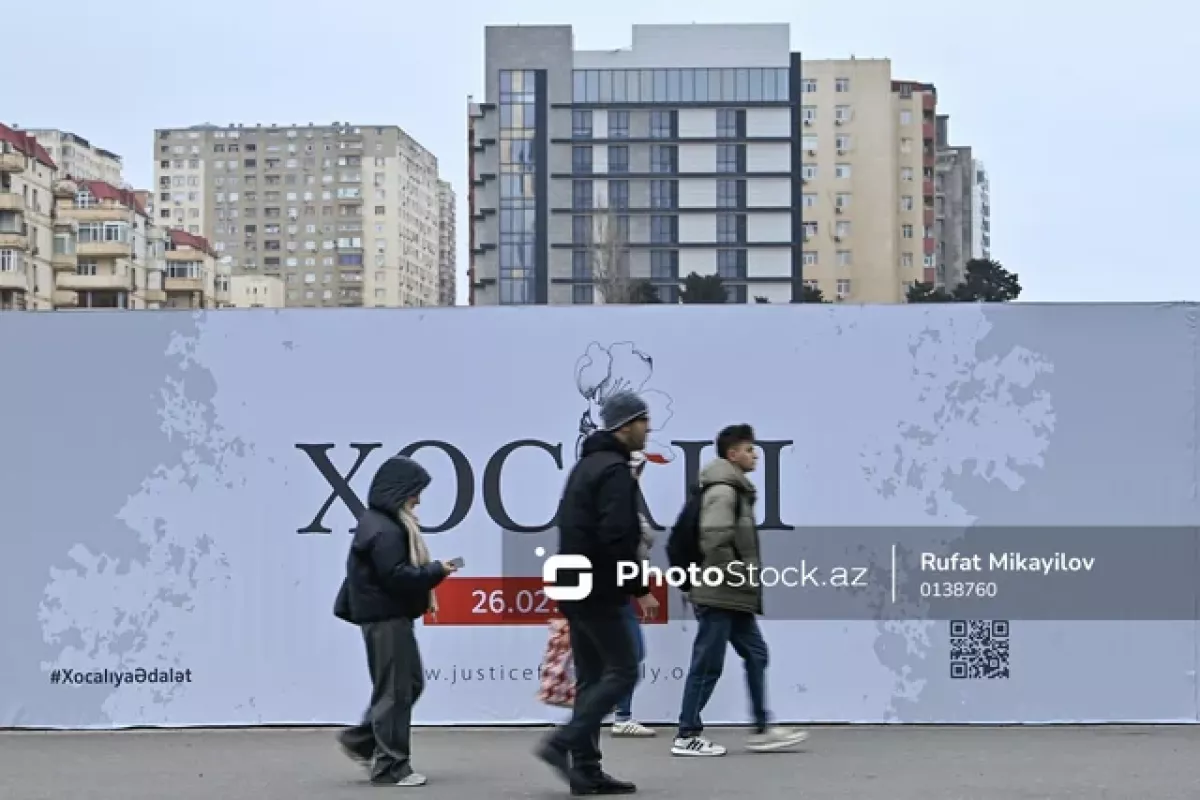
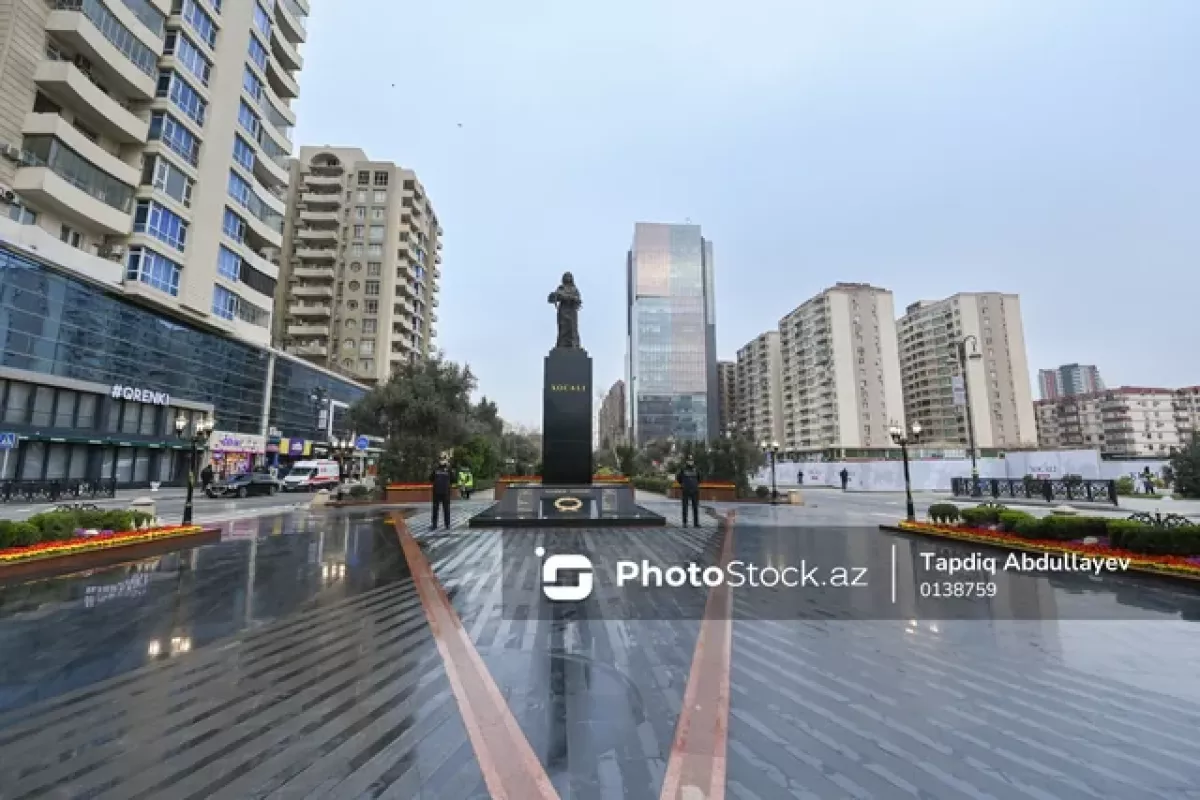
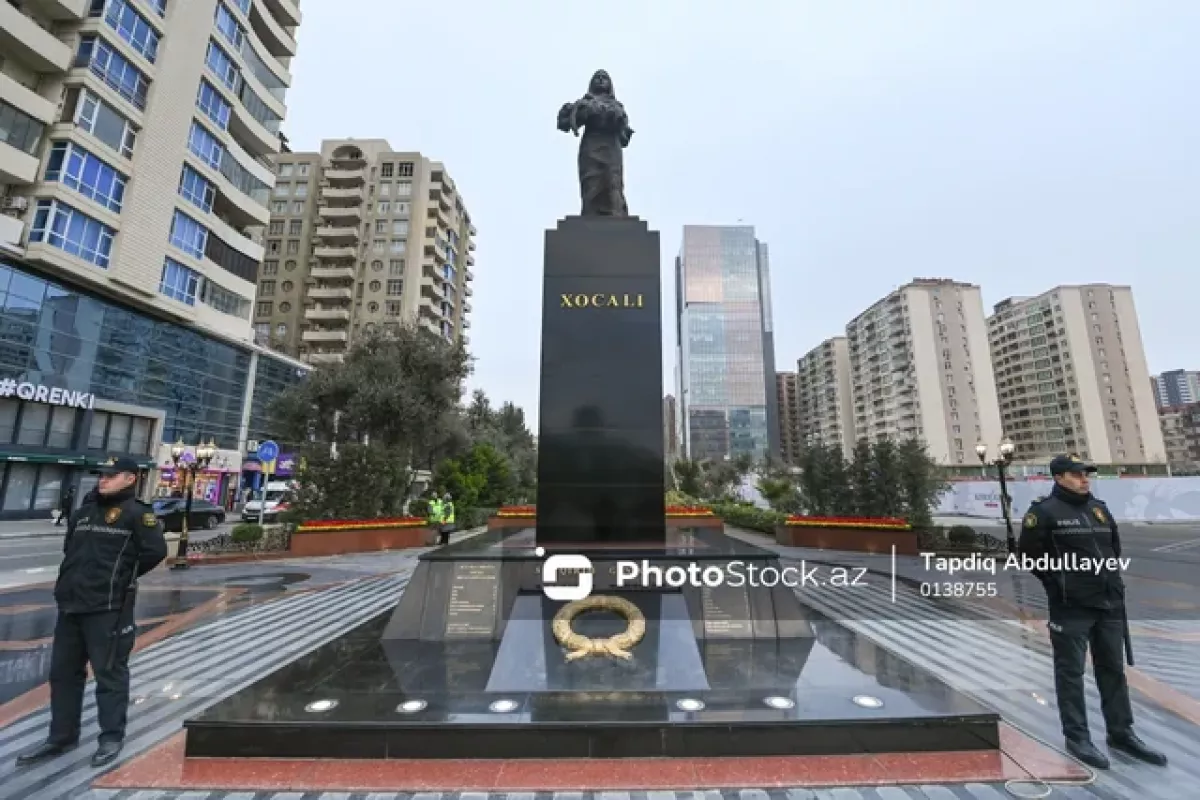
The “Mother’s Cry” memorial, with its powerful symbolism of maternal anguish, has become a focal point each year on this date, embodying the pain of families torn apart.
The tragedy being commemorated dates back to the night of February 25–26, 1992. During those hours, Armenian armed formations, supported by the 366th Guards Motor Rifle Regiment of the former Soviet army stationed in Khankendi — called at the time Stepanakert — stormed and seized the town of Khojaly.
What followed was a mass killing of civilians marked by particular brutality. A total of 613 people were killed, including 106 women, 63 children and 70 elderly individuals. Another 1,275 civilians were taken captive. To this day, the fate of 150 people remains unknown.
The human toll shattered entire families. Eight families were completely wiped out. Twenty-five children lost both parents, and 130 more lost one parent. The scale of the loss — measured not only in numbers but in broken homes and stolen futures — continues to resonate across generations.
Each year on February 26, the memorial in Baku becomes a place where statistics turn back into names, and history into lived memory. As flowers accumulate at the foot of “Mother’s Cry,” the message from those gathered is clear: the victims are not forgotten.
By Tamilla Hasanova







 editor@caliber.az
 +994 55 444-88-98
 Азербайджан, Баку, ул. Низами, 203, Af Business House, 5-й этаж