










Sanatorium “Ganjlik” and its mosaic heritage A historical overview on Caliber.Az
Azerbaijan is home to many remarkable mosaic panels that adorn building façades, metro stations, houses of culture, sanatoriums, and public spaces. Created over different decades, these works have become an integral part of the architectural landscape of cities and towns. Their vivid compositions reflect labour, history, national traditions, and the artistic thinking of their time. Many of them are genuine examples of monumental art and deserve careful preservation as an important part of the country’s cultural heritage.
In Soviet Azerbaijan, particular attention was paid to organising recreation and health programmes for children and young people. Sanatoriums were established across various regions as institutions combining education, leisure, and healthcare.
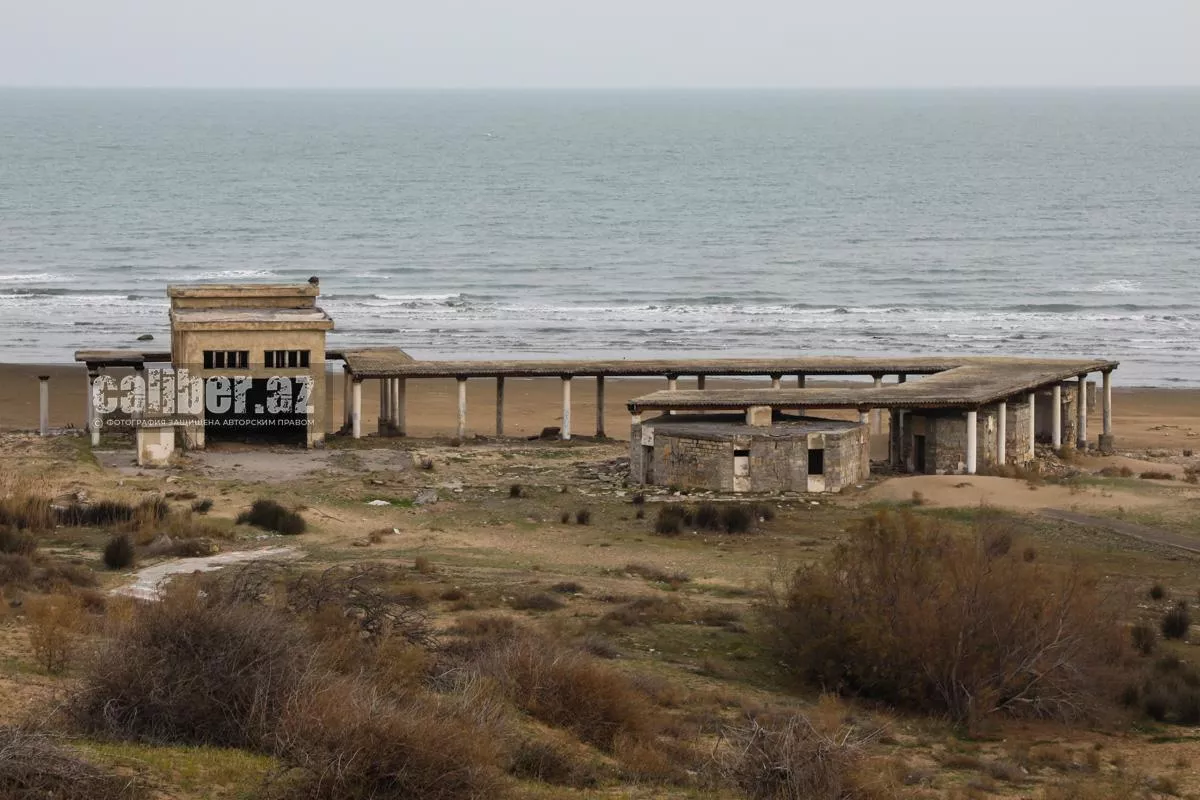
One of the most well-known and largest of these facilities was the Ganjlik Sanatorium, located in the Baku settlement of Zagulba. Once a favourite summer holiday destination for residents of the capital, it gained all-Union recognition in the 1970s, welcoming guests from various republics of the USSR. The sanatorium occupied an important place in the country’s tourism sector.
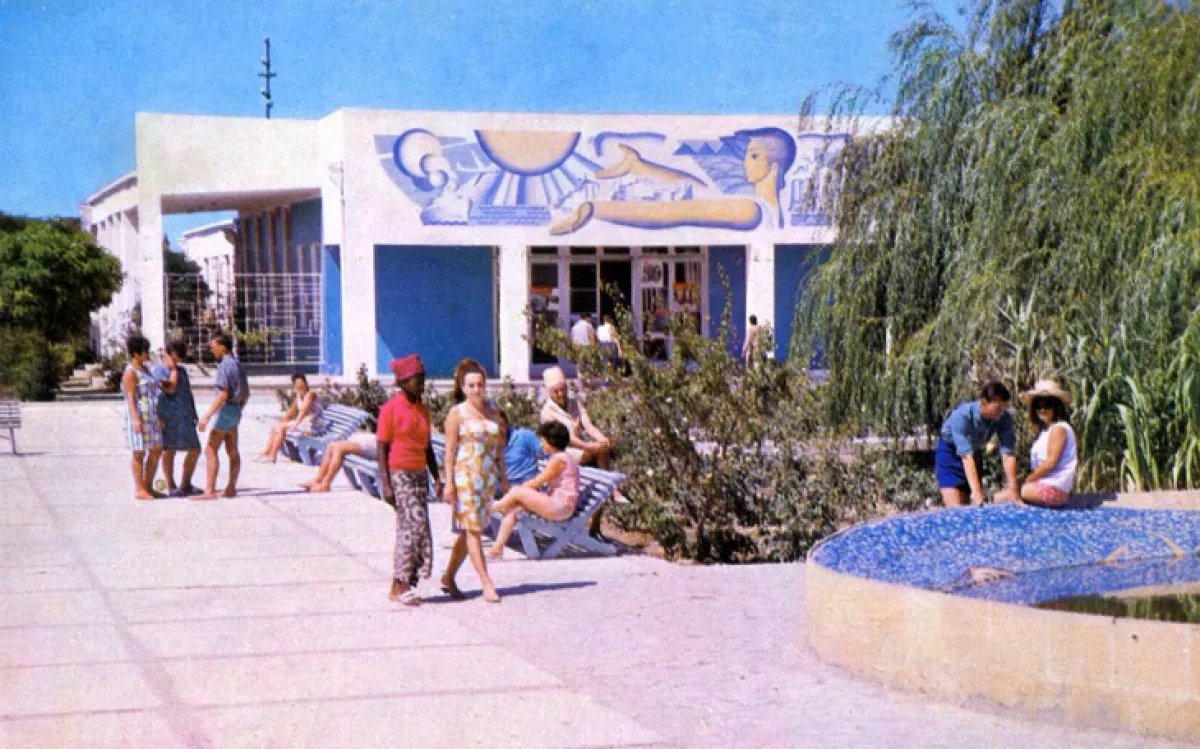
The territory of the Ganjlik Sanatorium was designed as a thoughtfully planned recreational space. It featured several residential buildings, cosy cottages, the Oasis Hotel, restaurants, bars, and swimming pools. One of its most distinctive attractions was a cable car leading to the sea, descending directly to the beach. Young people spent their summer months here, combining leisure, health improvement, and cultural activities. However, the significance of the sanatorium was not limited to its well-developed infrastructure and seaside location.
Ganjlik was also of particular interest as a space where the monumental and decorative art of Azerbaijan in the second half of the twentieth century found vivid expression. Numerous artistic installations, ceramic compositions, murals, and above all, mosaic panels were created across its grounds. Mosaic art, in particular, became one of the most expressive elements of the sanatorium’s artistic identity.
Notably, from the 1960s onwards, Baku developed its own school of monumental mosaic art. Azerbaijani artists actively mastered the techniques of smalt and ceramics, creating large-scale compositions that combined traditional national motifs with contemporary artistic exploration. Several significant mosaic panels were created on the territory of the Ganjlik Sanatorium, each possessing its own independent artistic value.
The first panel greets visitors directly at the entrance to the complex. The composition, dedicated to the idea of family and eternal human values, is positioned on both sides of the gate, as if framing the entrance and symbolically marking the transition into a space of leisure and harmony.
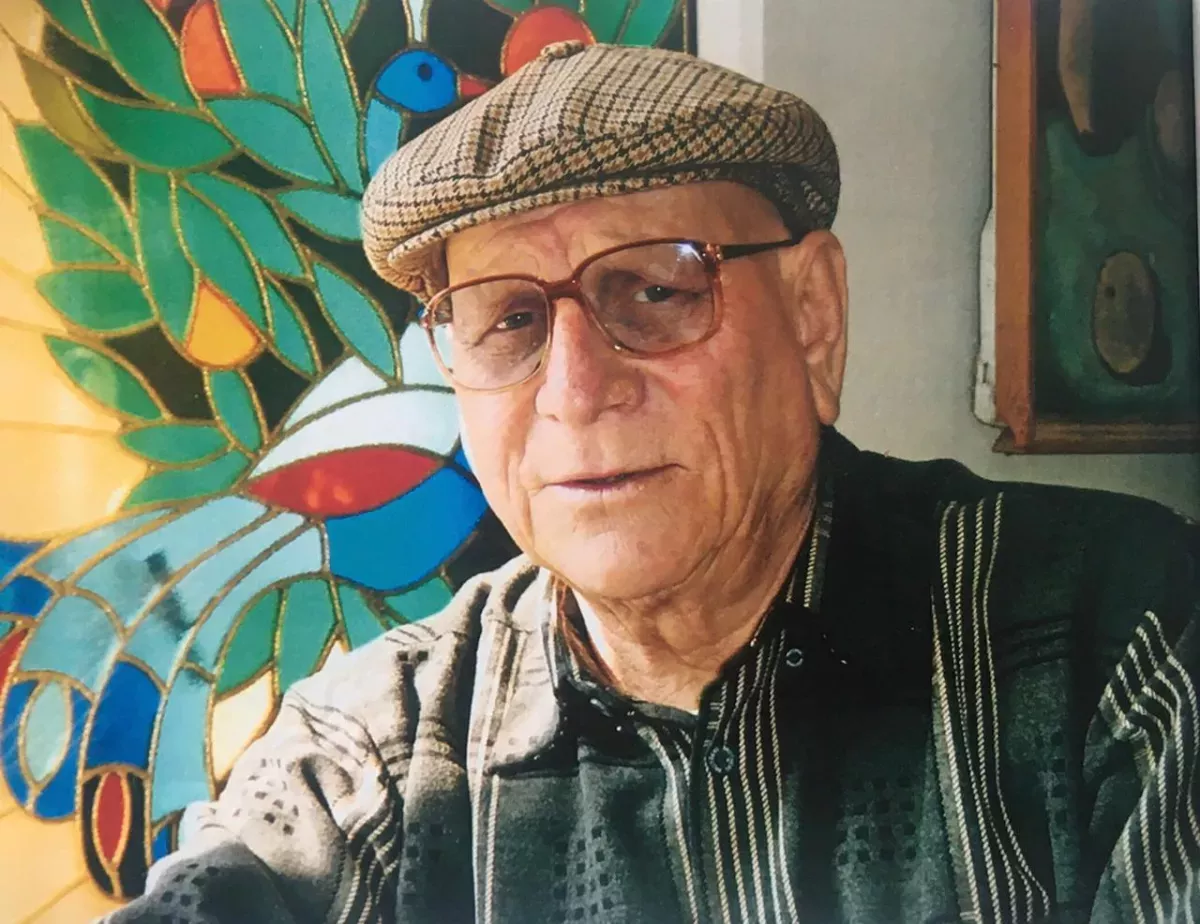
The author of this large-scale work is Zohrab Mutalibov. Created in 1968, it became a notable piece of its time. The panel stands out for its monumental scale, carefully structured composition, and the expressive plasticity of its figures. It is perceived as a solemn welcome, setting the emotional tone for the entire complex. The mosaic does not merely decorate the entrance — it shapes the artistic image of the sanatorium.
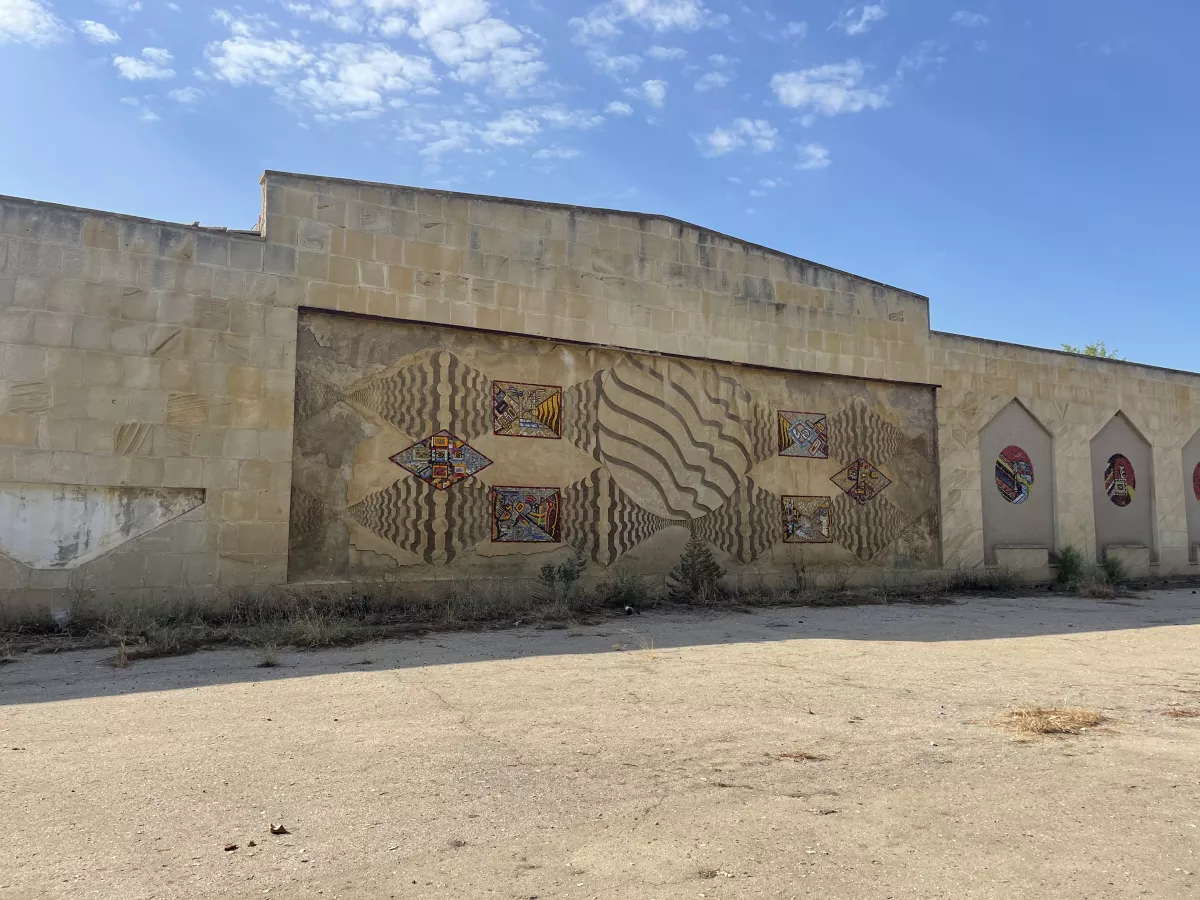
Another series of mosaic works is located within the grounds of the complex. These panels were created in 1988 by monumental artist Khanlar Gasimov. Although smaller in size, they are united into an extended composition placed along a wall.
In these works, the artist turns to an abstract interpretation of the Azerbaijani carpet, transforming traditional ornamentation into a modern artistic language. Bright, saturated colours, bold geometric solutions, and rhythmic forms create a composition that is both dynamic and rich in meaning. The work reveals the author’s distinctive and talented approach, as well as his ability to organically combine tradition with modernist plastic expression. The composition demonstrates a high level of professional mastery and a subtle sensitivity to the material.
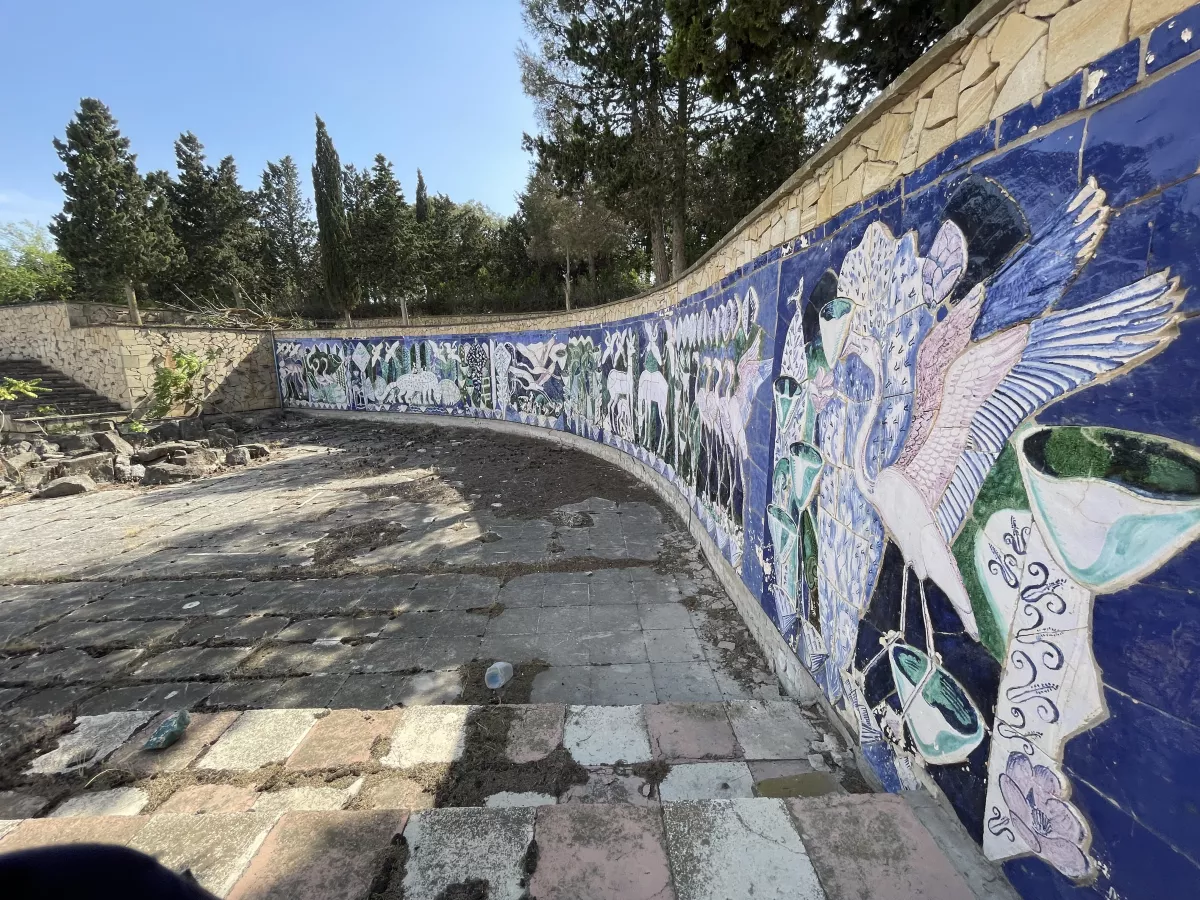
The third panel, “Eastern Tales,” was created in 1987 by the artist Eldar Gurbanov. It was located on the side of the summer cinema and featured a complex narrative composition, rich with imagery associated with the vibrant culture of the East. The brightness of the colours, technical precision, and masterful handling of the palette made this panel a true highlight of the sanatorium’s grounds. Unfortunately, over time, due to the collapse of the wall, the composition was lost — the mosaic was damaged and partially destroyed.
In addition to the main compositions, the sanatorium grounds also feature another monumental-decorative form, realised as a synthesis of ceramics and mosaic. Its volumetric structure is perceived as a spatial art object, emphasised by mosaic framing along the edges and ceramic plasticity in the central part.
Another noteworthy composition, less focused on mosaic technique, consists of individual ceramic fragments assembled to create a strikingly textured surface, demonstrating expressive materiality and artistic ingenuity.
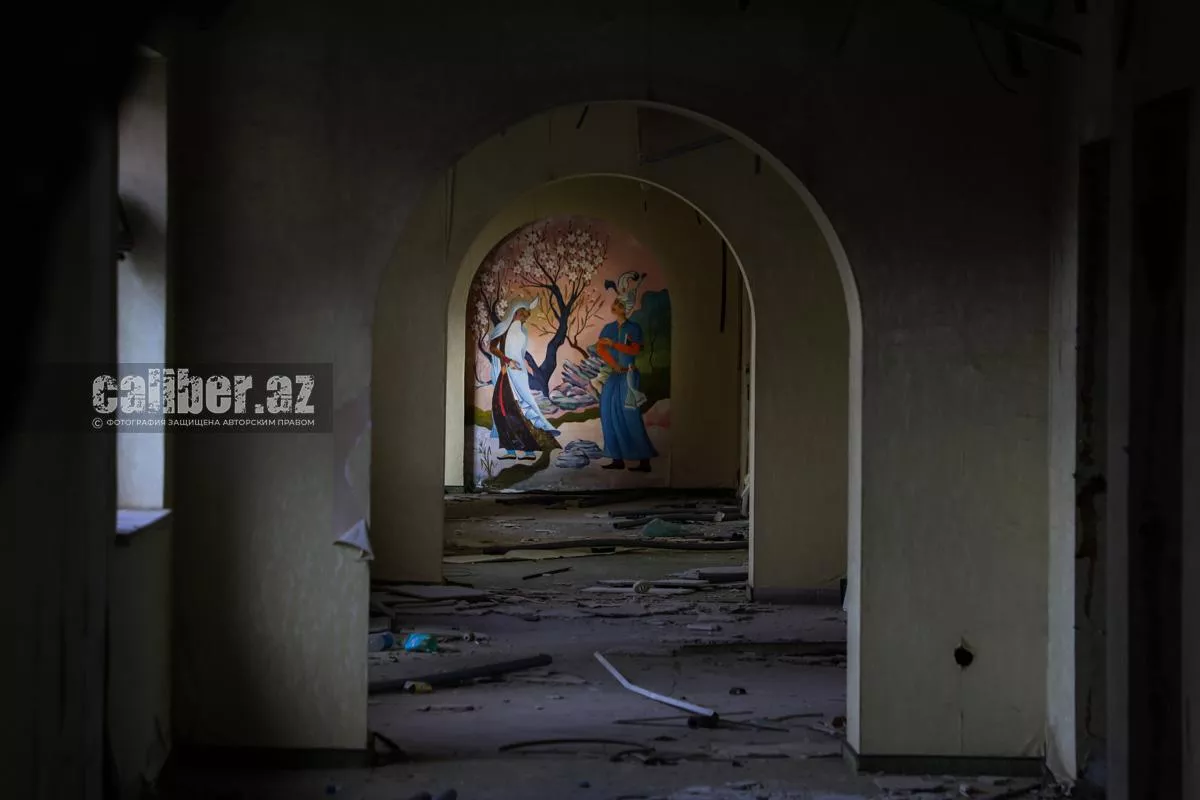
In addition, the sanatorium grounds featured other elements of decorative art — ceramic objects, murals, and small architectural forms.
All of these works, created over different years, together formed a cohesive artistic environment in which mosaic played a central role. The bright, technically precise, and meticulously detailed compositions demonstrated a high level of craftsmanship and interacted harmoniously with both the architecture and the natural landscape.
Last year, under the initiative of Leyla Aliyeva, Vice President of the Heydar Aliyev Foundation and founder and head of the public association IDEA, large-scale restoration work was carried out across many districts of the capital to preserve monumental mosaics. A significant number of works of monumental-decorative art that had fallen into disrepair were professionally restored and brought back to their proper condition.
The mosaic panels of the Ganjlik Sanatorium are invaluable examples of Azerbaijani monumental-decorative art from the second half of the twentieth century. They are of great interest both artistically and historically, reflecting a stage in the formation of the national school of mosaic art.
The mosaics of the Ganjlik Sanatorium are not merely decorative elements; they are a visual chronicle of an era, embodied in stone and smalt, bearing witness to the high level of the Azerbaijani artistic school. Their preservation is an essential task, ensuring that future generations can maintain a living connection with Azerbaijan’s cultural and aesthetic heritage.
By Vahid Shukurov, exclusively for Caliber.Az







 editor@caliber.az
 +994 55 444-88-98
 Азербайджан, Баку, ул. Низами, 203, Af Business House, 5-й этаж