










NATO’s last summit and Europe’s silent "de-Americanisation" strategy Analysis by Serhey Bohdan
At the NATO summit in Ankara, President Donald Trump publicly reiterated his grievances toward European governments. European leaders made every effort to avoid disputes with their American partner. They succeeded, but, as a precaution, decided for now to abandon the regular holding of such events.
Europe is “waiting out” Trump, hoping for a comeback as early as November by an opposition in the United States aligned with Euro-liberal forces. However, this may not happen, and the Euro-liberal structures themselves stand on shaky ground.
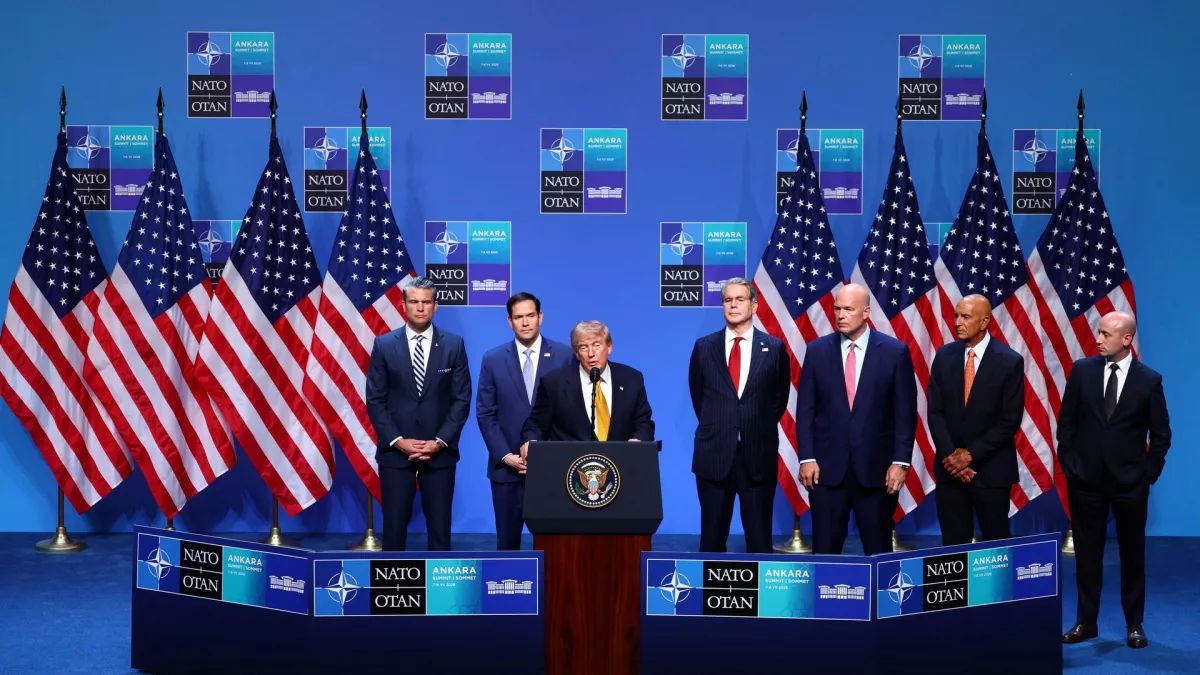
Predictable agenda
At the NATO summit in Ankara, the U.S. president reiterated the key demands he has long directed at European allies, urging them to revise both their positions and conduct. In particular, he called for faster progress toward transferring Denmark’s Greenland to the United States.
He also accused European countries of undermining efforts related to the campaign against Iran. In addition, he placed special emphasis on increasing defence spending, singling out Spain while reinforcing broader pressure on European allies to raise military expenditures.
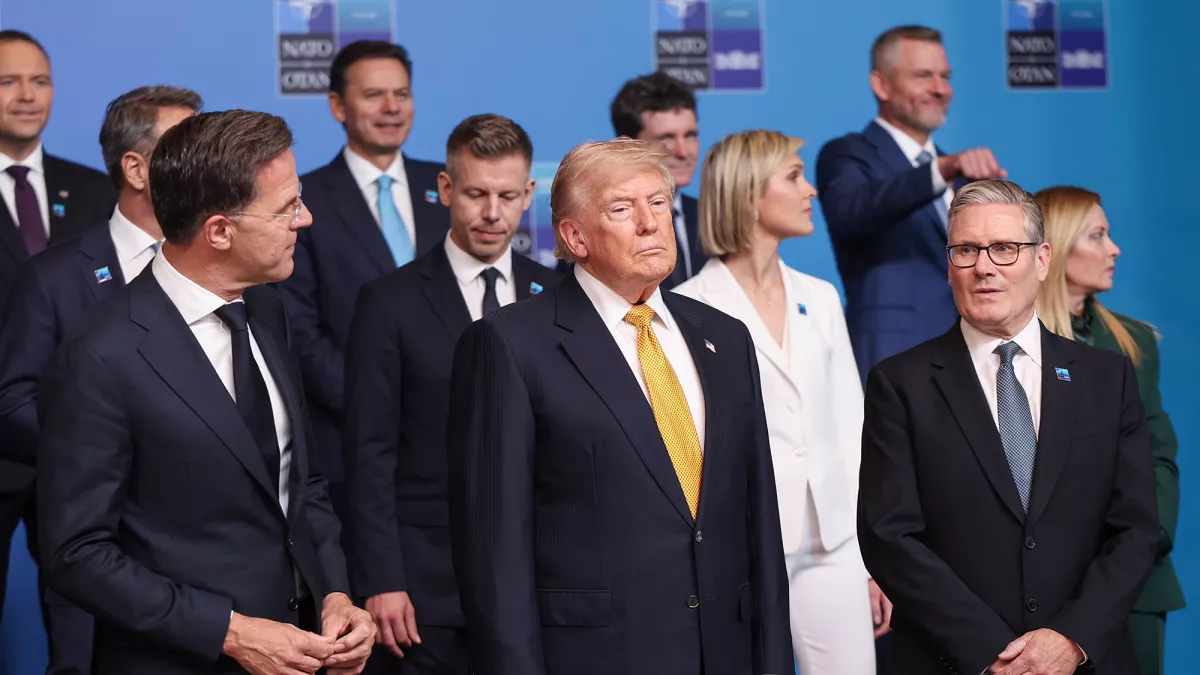
Rhetoric vs. reality
European leaders offered little visible pushback, instead projecting overt support for Donald Trump—though the display appeared largely performative. Their stated willingness to align with Washington often contrasted with actions that suggested otherwise.
For instance, while the NATO secretary general voiced full backing for potential new U.S. strikes on Iran, Lithuania was the only European Union member to indicate any readiness to participate militarily.
Alignment in words, divergence in practice
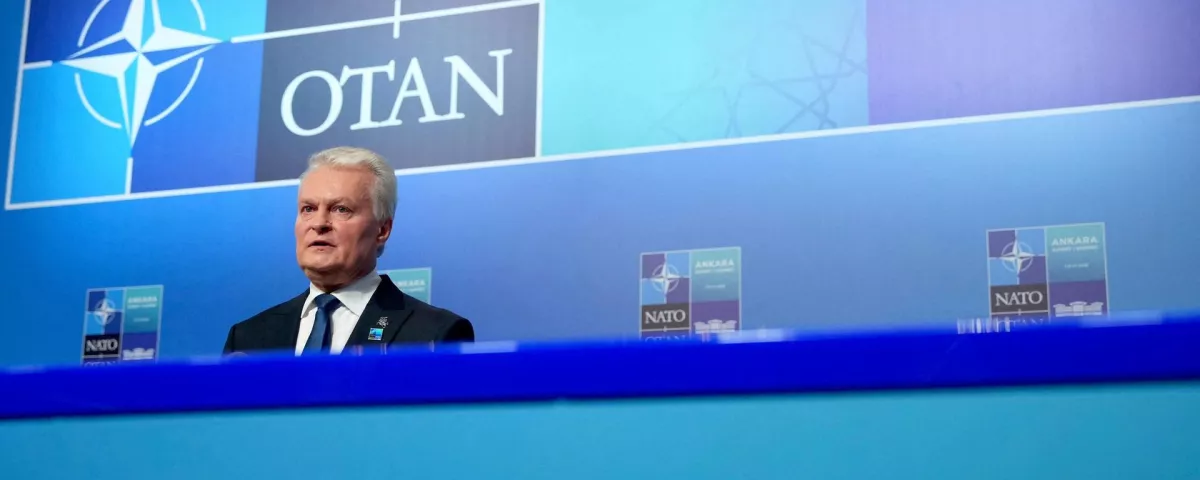
Lithuania’s president went further than others, explicitly stating at the summit that this is “our war and our conflict,” with parliament having already approved, a month earlier, the deployment of troops to unblock the Strait of Hormuz.
The same duality is visible in defence procurement. Trump’s demands are not limited to higher military spending; they are also aimed at steering contracts toward the U.S. defence industry. Yet even as European leaders signal agreement, the EU is embedding into new Ukraine aid programs strict provisions to prioritise EU-made weapons, permitting American purchases only as a last resort and subject to special authorisation from Brussels.
A further sign of strategic divergence came with the first-ever arms industry forum held during the summit. There, the NATO secretary general, setting aside the usual humanitarian framing, openly called for increased and accelerated weapons production, reassuring manufacturers with a blunt message: “The money is there!”
Contracts tell the story
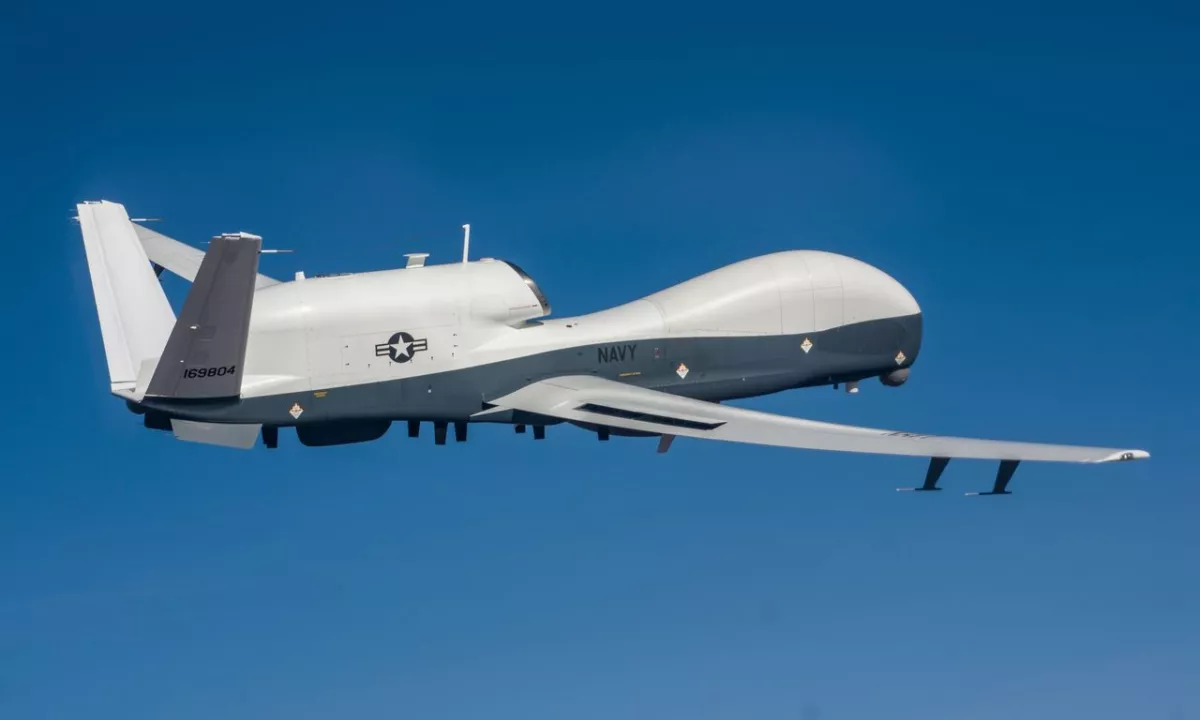
A total of $50 billion in arms deals was signed on the sidelines of the manufacturers’ forum. Yet the U.S. defence industry secured only one relatively крупный contract: Northrop Grumman sold Germany, Denmark, Norway and Finland up to five long-range MQ-4C Triton reconnaissance drones.
European suppliers, however, captured the far larger share. They pushed through the replacement of NATO’s American Boeing E-3A airborne early warning aircraft with Sweden’s Saab GlobalEye—a deal worth several times more than the UAV contract. In addition, Airbus secured a contract to deliver 12 A400M military transport aircraft for NATO’s air command, while Germany, the Netherlands, Belgium and Luxembourg jointly agreed to procure four Airbus A330 tanker aircraft—contracts exceeding €1 billion. These are not all the European purchases announced at the event, but even at this stage, the ratio stood at 3:1 against the United States.
This distribution was not accidental. On the eve of the summit, The Wall Street Journal, citing insider sources, reported on a secret meeting earlier this year between EU presidents and prime ministers. Without phones or aides, they spent hours discussing how to tackle the task of “separating” the EU from the United States. They voiced concern over Greenland and the alleged abduction of Venezuela’s president, Nicolás Maduro, and spoke of the U.S. as a potential threat to Europe. The paper described the outcome as an “unprecedented experiment in de-Americanization.”
Within this framework, American technologies are being replaced across Europe with European software, while large-scale investments are being directed into European space, AI and data centre companies. This process is being carried out without publicity so as not to provoke Trump. In May, Brussels restricted the capabilities of Starlink and Project Kuiper in favour of European satellite providers. According to the newspaper, the latest disagreements over the Middle East have only reinforced these trends.
Trump prefers to work with Türkiye
Europeans combine demonstrative promises and flattery toward Trump with practical steps in a very different direction. The sense of theatricality was reinforced when European leaders began describing the closed part of the summit. According to them, behind closed doors, the American president reciprocated their assurances of friendship and sympathy—and did not mention either a war with Iran or Greenland. At the end, he declared: “There is a feeling of love in the air.”
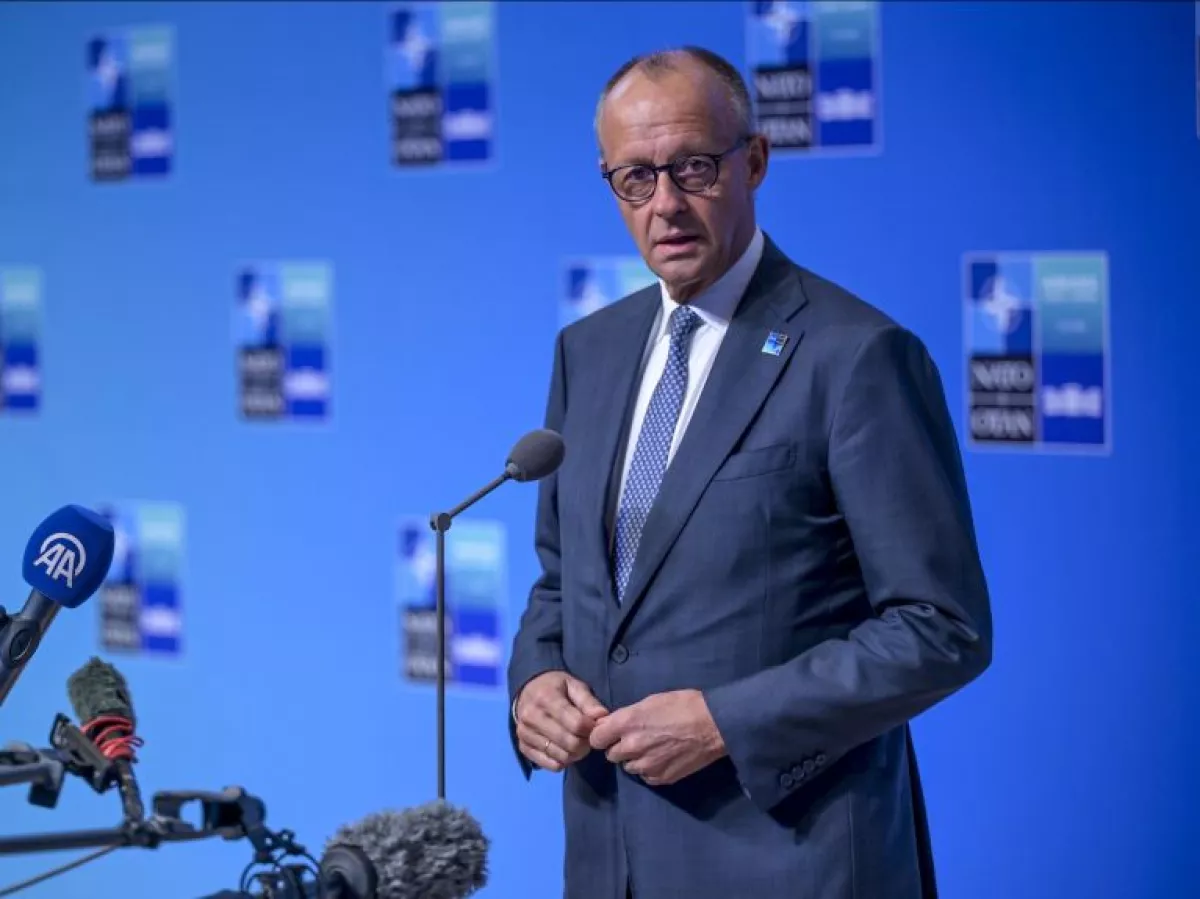
But all of this rests solely on accounts from anonymous insiders and statements by German Chancellor Friedrich Merz. Facing record-low popularity at home, he is seizing on any opportunity to shore up his position through ties with Trump—especially since, back in the spring, his own party had already begun discussing potential replacements for him. That is why he describes how “the room was filled not only with a sense of sincere affection and shared responsibility” but also with a sense of “European responsibility.” As evidence of this enthusiastic unity among allies, he points to the fact that Trump remained in the room throughout the entire session—and even listened to representatives of smaller member states. Routine diplomatic courtesy is thus presented by Merz as something out of the ordinary.
Trump may indeed have behaved that way, but how fully and objectively Merz conveys it, given his clear stake in the matter, is difficult to determine. More importantly, how should this be interpreted—especially in light of Trump’s markedly different public statements both before and after the event? It appears that Trump was not particularly impressed by the overt displays of deference, set against the reality of entirely different actions being taken behind his back.
The U.S. president understands who he is dealing with and calibrates his manner accordingly. European liberal leaders rank low in his estimation—both because they previously backed his opponents in American politics and because they openly fear him, resorting to flattery and sweeping promises while simultaneously pursuing a different policy in practice.
Perhaps most importantly, while European liberal media speak of a supposed “weakening” of Trump’s position in U.S. politics, the approval ratings of European liberal leaders are not even comparable to his level of support. Unless something extraordinary occurs, as early as next summer, it may not just be individual leaders but entire liberal governments in the EU’s largest countries—Germany and France—that are replaced. In both, a new non-liberal opposition, seen as friendly toward Trump, is moving toward power.
Similar trends are evident in the Netherlands and the United Kingdom as well. In effect, Trump is dealing with leaders who are, in many cases, little more than temporary figures.
It is hardly surprising, then, that at the Ankara summit, the U.S. president engaged on equal terms with only one participant. For most of the European liberal leaders present, that counterpart has long represented a direct challenge to their ideological orthodoxy: Türkiye’s president, Recep Tayyip Erdoğan. Trump, for his part, has consistently maintained a respectful line of communication with Erdoğan.
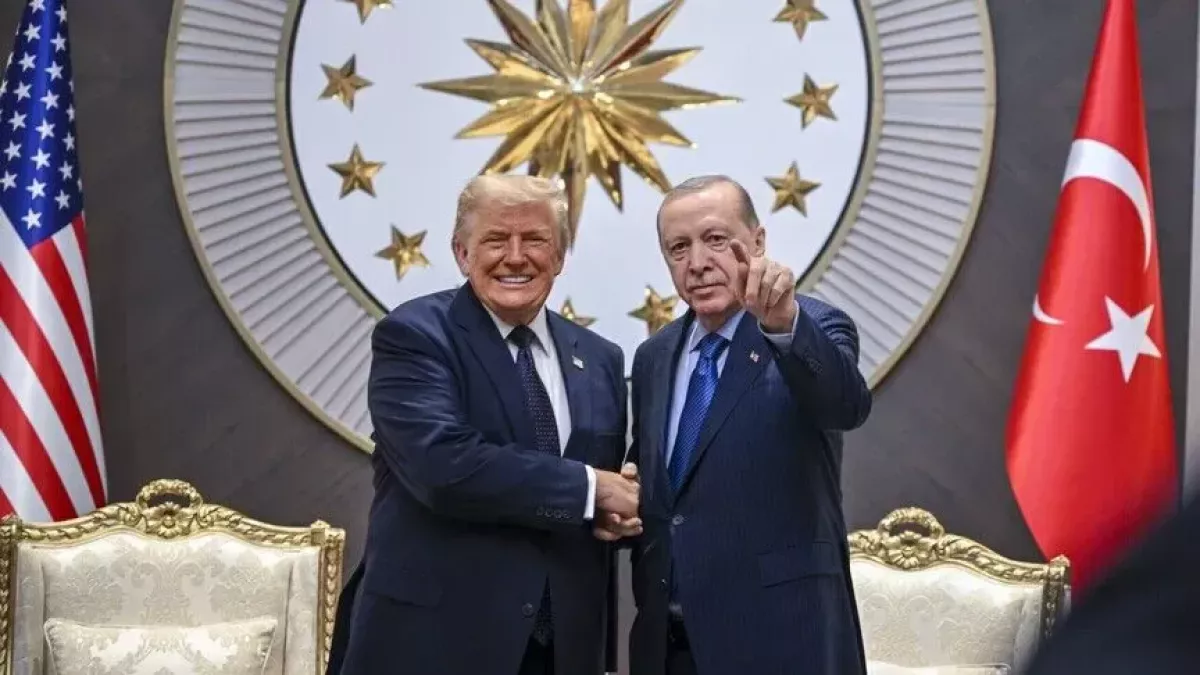
This time, however, he made a point of going further—publicly stating that Washington has no grievances with Ankara and that all U.S. sanctions would be lifted. In practical terms, this opens the way for Türkiye to receive F-35 fighter jets. The signal is unambiguous: directed at Emmanuel Macron and other European liberal leaders, it indicates with whom the United States is prepared to shape a new geopolitical order.
The delivery of F-35s would materially strengthen Türkiye’s position vis-à-vis the EU leadership, which regards Ankara as a rival to the entire bloc in the contest for influence in the Balkans. At the same time, the French president has for years been cultivating alliances with Greece aimed at military counterbalancing of Türkiye. That all of this unfolds within NATO itself underscores the contradiction with claims that Trump is the primary factor behind any erosion of alliance cohesion.
Has the Ukraine issue stopped dividing?
The Ukraine issue, long regarded as the central fault line within the collective West, appears to be losing its divisive edge. Against the backdrop of sharper disagreements elsewhere, the Russia–Ukraine war is increasingly becoming a matter on which Western countries can arrive at a workable—if uneasy—understanding. This shift has been driven by the gradual convergence of several European positions with that of Washington. What is emerging is an implicit consensus: the war continues, but with reduced financial commitments to Kyiv.
The €140 billion in aid pledged to Ukraine after the summit reflects this duality. While the headline figure suggests sustained support, €60 billion of that total consists of a previously approved, interest-free EU loan backed by frozen Russian assets—secured at the cost of additional internal strains within the bloc. The remainder is far less certain. Slovakia and Hungary have openly signalled reluctance to participate, the latter maintaining its established stance despite a change in government. The Czech Republic has limited its role to a “one-off and small” contribution to U.S.-based arms purchases for Ukraine. Poland may follow suit in scaling back support amid recent scandals, while Southern European countries have largely remained peripheral to such efforts from the outset.
Germany stands apart in this landscape. Its support for Ukraine has deepened, with its share of total military deliveries reaching 24.2% by February—compared with 64.6% for the United States, a figure that is proportionally smaller relative to national capacity. This increase is a relatively recent development. At the same time, Berlin is pursuing its own strategic aims: loosening internal constraints on militarisation and eroding long-standing taboos regarding the deployment of German forces in Eastern Europe. In this context, Chancellor Friedrich Merz’s post-summit statement—that NATO “remains united” and is “becoming European”—acquires a more pointed meaning. In German political discourse, the distinction between “European” and “German” has often been minimal.
For its part, Washington is continuing to streamline its role. President Donald Trump’s proposal to grant Ukraine a license to produce Patriot missiles signals not expansion but further disengagement. Given Ukraine’s limited capacity to establish such production in the near term, the practical burden shifts to European allies. This approach is consistent with the PURL mechanism highlighted by Matthew Whitaker, under which the United States has already supplied more than $6 billion in weapons to Ukraine, financed by European countries.
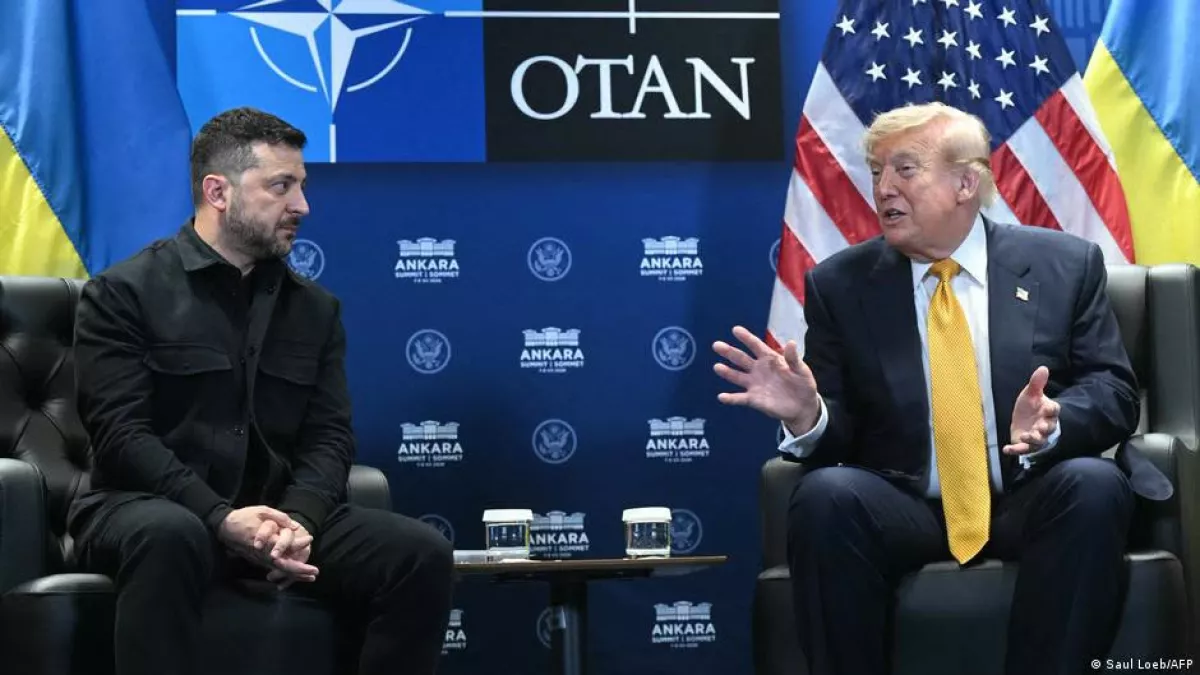
Washington is increasingly placing its engagement on a commercial footing, reflecting scepticism about the prospects of Ukraine and its current allies achieving victory in the war. During his meeting with Ukrainian President Volodymyr Zelenskyy, President Donald Trump emphasised that Ukraine is receiving substantial support from Western countries, while also stressing that “Russia has always been a major military power.” He did not repeat the talking points that have become common in Europe in recent weeks, particularly claims that Kyiv is once again making gains on the battlefield, including through the use of UAVs Instead, he pointed to the closeness between the Ukrainian and Russian peoples.
NATO is stepping back from annual summits
NATO leaders have decided not to convene summits in the next couple of years, despite describing the Ankara meeting as successful. The final communiqué contains no reference to the date of the next gathering, which had been expected to take place in Albania. Bloomberg reported that this omission was due to U.S. dissatisfaction with Albania and its level of defence spending. However, this explanation does not fully reflect the broader context. Albania is being positioned as a convenient scapegoat, while as early as the spring, EU diplomats had been indicating that, in order to avoid internal frictions, alliance members were considering abandoning the practice of holding annual summits. European liberal circles had also repeatedly hinted at a desire to scale back regular high-level engagement among leaders of the so-called collective West.
In recent days, European liberal media outlets have openly questioned the value of such meetings. The Hamburg-based Die Zeit noted: “It is now unclear when the next summit will take place. But it is quite obvious why there may be no rush: if its only purpose is to ‘manage the U.S. president,’ then such meetings are more of a distraction than a benefit.” London’s The Economist echoed a similar view, suggesting that summits might no longer be held annually but every two years, adding: “The fewer get-togethers with Mr Trump, the fewer the chances of a family meltdown.”
Under this emerging approach, the next NATO summit may not take place until 2028—a politically significant year, as it will coincide with the U.S. presidential election campaign, during which global liberal elites aim to return to power in Washington. Their expectation of such a political shift, which would allow for renewed and more active U.S. involvement in EU–NATO military efforts against Russia, informs parallel discussions about the possibility of a conflict with Russia around 2030.
For now, rather than attempting to resolve differences through compromise with President Donald Trump, these actors appear to be opting to wait out his administration. Although annual NATO summits are a relatively recent development—dating back only to 2021—they have served important functions in coordinating the policies of the collective West at a time of significant geopolitical challenges, requiring both close alignment and visible demonstrations of unity. The decision to scale them back suggests that this approach has proven difficult to sustain beyond a few years.
Fragmentation within the collective West
The growing interdependence of institutions within the collective West is increasingly allowing crises to spill across organisational boundaries, particularly between the European Union and NATO. This dynamic was evident at the Ankara summit, where no EU member publicly defended Spain after President Donald Trump threatened to cut off U.S. trade relations with the country. Chancellor Friedrich Merz later stated—only after leaving the immediate setting—that he had privately warned Trump, emphasising that “Spain is a member of the EU and that we will negotiate tariffs with the U.S. only jointly or not at all.”
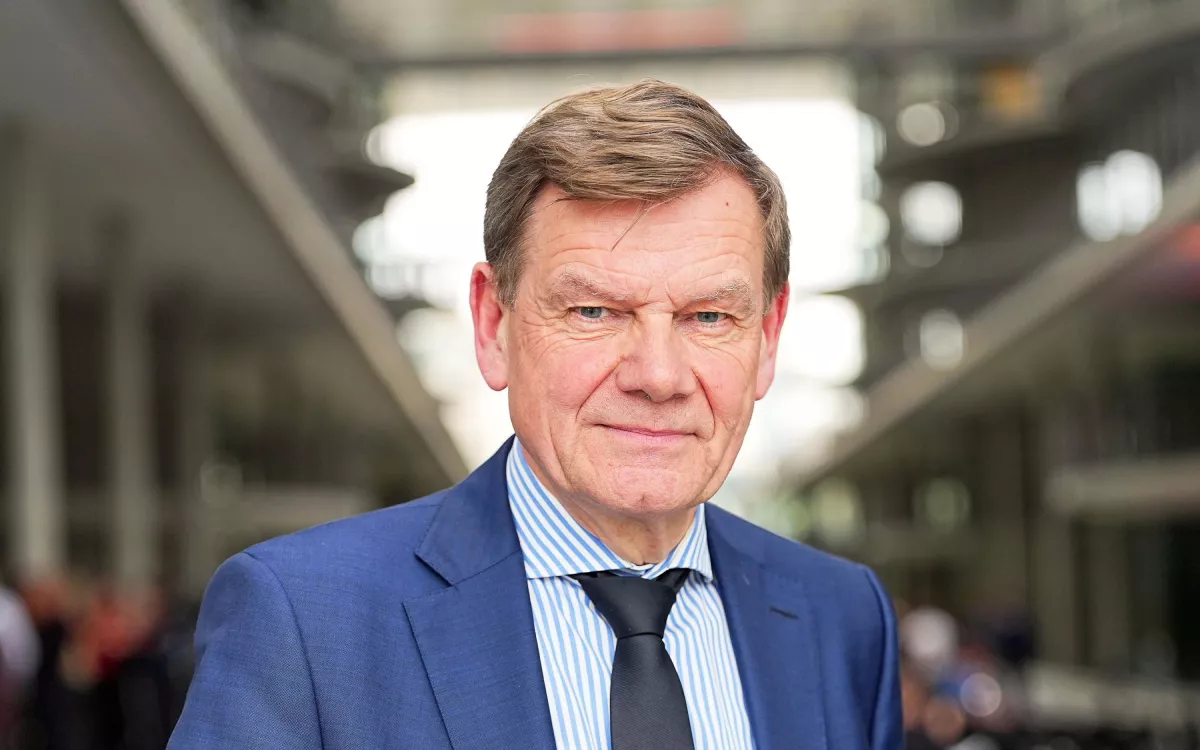
Germany’s Foreign Minister, Johann Wadephul, subsequently characterised Trump’s remarks, including those directed at Spain, as “irritating.” However, this criticism was delivered in a domestic broadcast context, limiting its direct political impact. At the same time, he balanced the critique by affirming that U.S. officials remain “very reliable in all positions and in all political discussions within NATO.” Notably, even the EU leadership refrained from directly defending Spain, with only a European Commission spokesperson offering a routine statement about “protecting the interests of all EU members.” A similar situation unfolded with Denmark, which was likewise left to deal with the United States on its own in Ankara.
Looking ahead, European liberal leaders appear to be factoring in the U.S. political calendar. Many expect that Trump’s influence could diminish following the November midterm elections. A strong performance by the Democratic Party could constrain his policy agenda and position the party for a potential presidential victory in 2028.
However, there is a critical caveat that reshapes this outlook: the positions of ruling European liberal forces across the major countries of NATO’s European segment are so weak that retaining power until then would be highly unlikely. Should non-liberal opposition forces come to power, they could restore transatlantic ties—but this would come at a cost, effectively amounting to a death sentence for the EU and NATO in their current forms.







 editor@caliber.az
 +994 55 444-88-98
 Азербайджан, Баку, ул. Низами, 203, Af Business House, 5-й этаж