










Azerbaijan at geopolitical forefront of US‑Israel Middle Corridor plans Article by American media
The American site Newsmax has published an article by Robert Zapesochny, focusing on Azerbaijan’s role in international politics and its strategic partnership with the United States and Israel. Caliber.Az presents an excerpt from the piece.
Editor's note: Robert Zapesochny is a researcher and writer. His work focuses on foreign affairs, national security, and presidential history. He's been published in numerous outlets, including The American Spectator, The Washington Times, and The American Conservative.
"The Abraham Accords, which began as a normalisation process between Israel and four Arab states, are gradually expanding into Central Asia.
The most recent example is Kazakhstan's announcement that it has agreed to join the Accords.
Azerbaijan is a natural contender for the next round of expansion, given its long‑standing security partnership with Israel and its steadily deepening engagement with the United States.
In recent years, Israel has received approximately 40 per cent of its oil imports from Azerbaijani fields. From 2016 to 2020, Israel was Azerbaijan's leading supplier of arms (69%).
The five Central Asian republics, often referred to as the C5, recently held a high‑level meeting with President Trump.
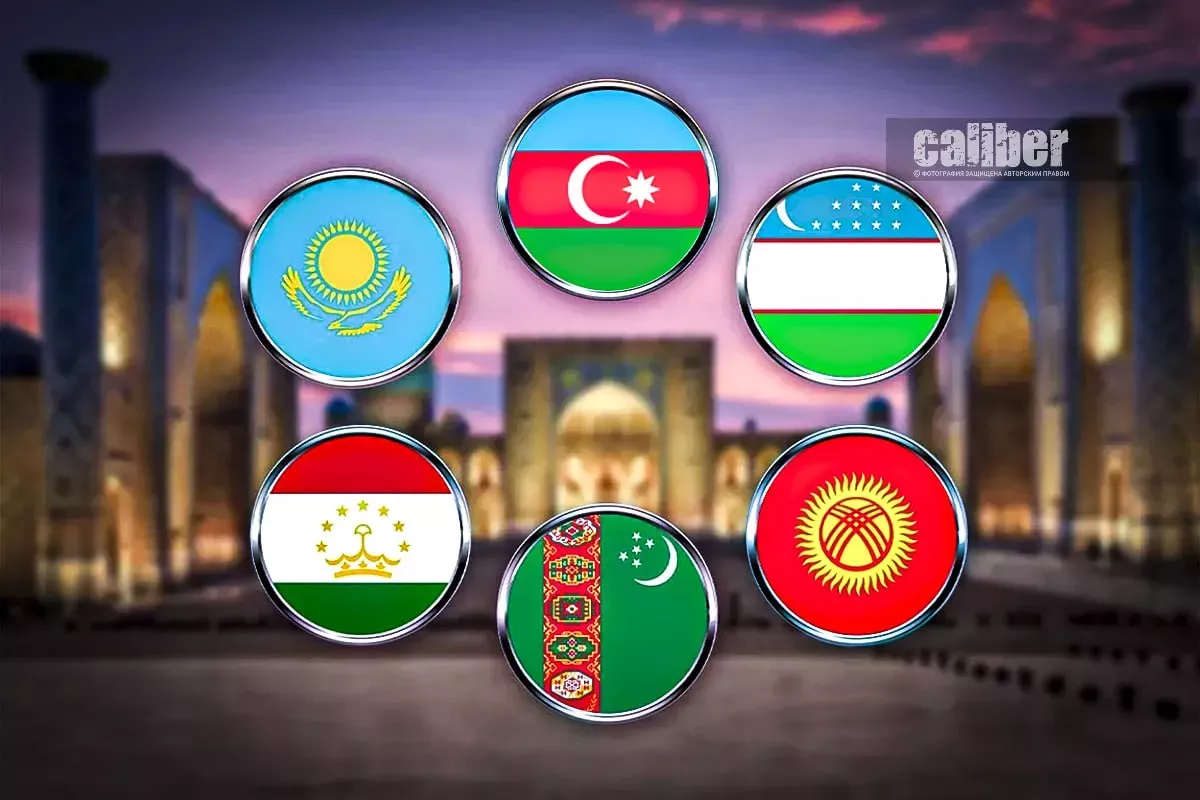
This year, the format effectively evolved into a "C6" once Azerbaijan formally joined the presidents’ dialogue. Azerbaijan's presence in this grouping matters in part because geography has placed it at the centre of what is increasingly called the Middle Corridor.
This route has become one of the most practical options that deliberately avoids both Russian and Iranian territory.
The Middle Corridor, built around the Baku-Tbilisi-Ceyhan route and its connected transport links, provides a direct trade route for goods moving from western China across Central Asia and the South Caucasus to Europe.
That's why Azerbaijan has become a pivotal hub for connecting Europe and Central Asia.
There are also emerging opportunities in the South Caucasus itself.
Armenia and Azerbaijan have been discussing new transport links that could, if fully implemented, open significant commercial opportunities for American companies.
Success will depend on the durability of the Armenia-Azerbaijan peace negotiations, which remain fragile but have advanced further than at any time in the past three decades.
If the political process continues and these links are completed, it could create new opportunities for the United States.
America could compete economically with China's Belt and Road Initiative, which has operated with relatively little resistance across Eurasia for more than a decade.
However, to take full advantage of these developments, Washington must update elements of its own policies in this region.
Time to update America’s Caspian policy
Earlier this year, I argued that Kazakhstan’s trade with the United States should no longer be constrained by the Cold War‑era Jackson–Vanik amendment; by the same logic, Azerbaijan should also be graduated from this amendment.
It's also time to reconsider Section 907 of the 1992 Freedom Support Act, which restricts certain forms of American assistance to Azerbaijan. This provision was enacted during the First Karabakh War.
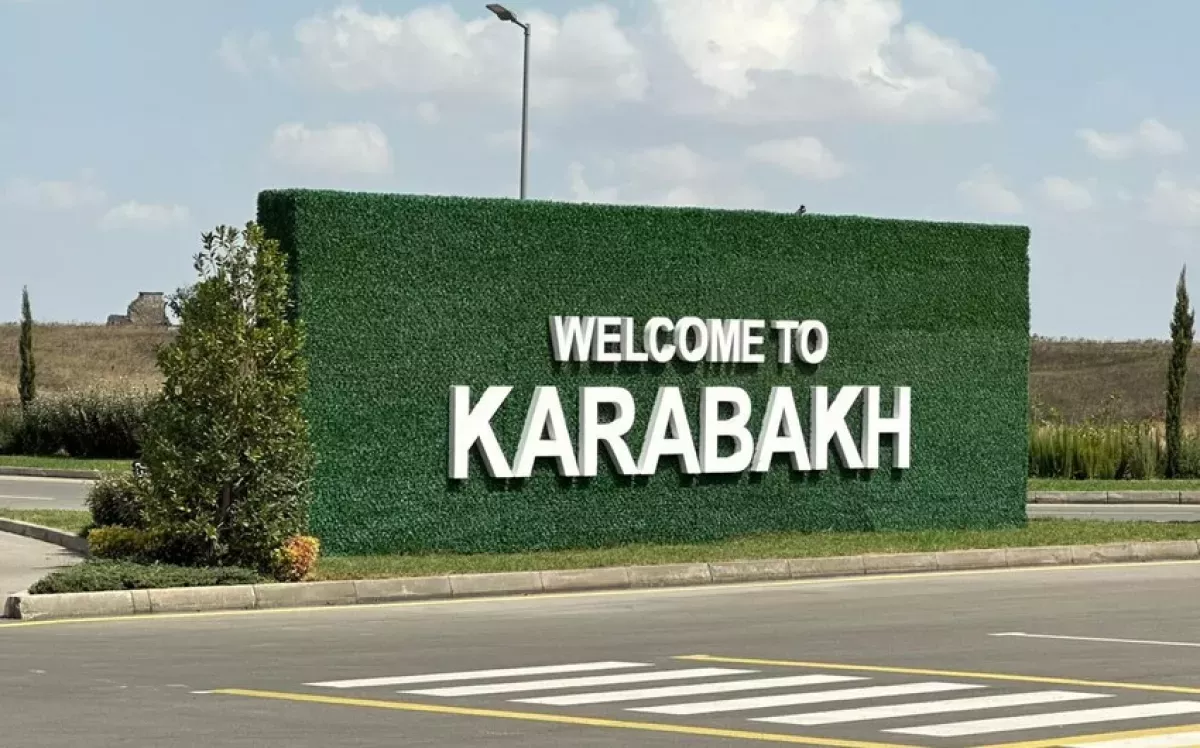
Azerbaijan prevailed in the conflicts of 2020 and 2023 and is now liberated and exercises full control over the territory.
Armenia, under Prime Minister Nikol Pashinyan, has taken the difficult but necessary step of accepting the Alma‑Ata Declaration of December 1991, which defined the borders of the newly independent post‑Soviet republics. Those borders place Karabakh inside Azerbaijan.
This reflects the legal principle of uti possidetis juris, which in Latin means "as you possess under law," the rule in international law that newly independent states inherit the internal administrative borders they held at the moment of independence.
Armenian lobby
In recent years, Armenia's government has been pursuing a pragmatic and pro-American foreign policy, while the Armenian lobby has not.
This lobby consists of two main diaspora organisations: The Armenian National Committee of America (ANCA) and the Armenian Assembly of America (AAA). They both remain committed to preserving Section 907’s restrictions.
Maintaining Section 907 at this point does little to serve Armenia's long‑term interests.
Repealing it could help Armenia and Azerbaijan put their long conflict behind them.
The Armenian lobby is hostile to Israel because Israeli weapons were decisive in Azerbaijan’s victories in 2020 and 2023. For the United States, a stable Azerbaijan is vital. It provides a secure supply route for Western goods, energy, and logistics," Zapesochny wrote.







 editor@caliber.az
 +994 55 444-88-98
 Азербайджан, Баку, ул. Низами, 203, Af Business House, 5-й этаж