










Azerbaijani theatre in Derbent and the Turkic initiative in Budapest Caliber.Az weekly review
The editorial team of Caliber.Az presents the latest episode of the programme “Events” with Murad Abiyev.
The President of the Republic of Azerbaijan, Ilham Aliyev, visited the Shamakhi district. During the visit, he took part in the opening of the livestock complex Shirvan Agro as well as the new building of the Shamakhi European Lyceum, built by the Heydar Aliyev Foundation. This educational institution, with a capacity of 1,200 students, consists of seven three- and four-storey buildings.

Azerbaijan’s entry into a new stage of development in the energy sector was marked by President Aliyev’s participation in the opening of the Absheron Battery Energy Storage Centre based on battery systems, operated by the open joint-stock company AzerEnerji. The battery-based energy storage centre is distinguished by its high speed: the batteries can be fully charged or discharged within two hours. Energy, including that generated during sunlight hours, is stored and automatically supplied to the grid during peak demand. In this way, these systems accumulate and store energy, making it available for use when needed. The creation of this battery-based energy storage centre makes Azerbaijan’s energy system more modern, flexible, and resilient. Especially with the increase in solar and wind energy production, such storage systems are considered a key component of the energy model of the future.
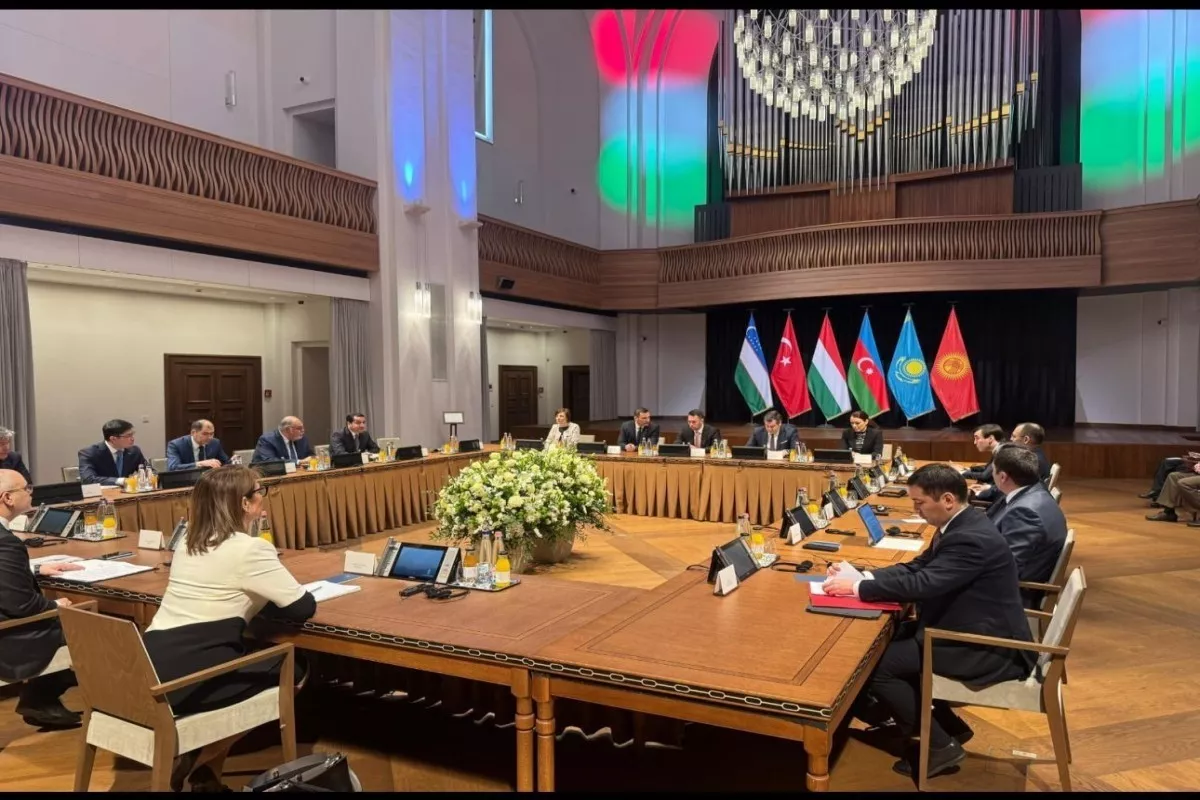
On the initiative of Hungary, a meeting was held of diplomatic assistants to the heads of state and government of the member and observer countries of the Organization of Turkic States (OTS). Azerbaijan was represented at this meeting by Hikmet Hajiyev, Assistant to the President and Head of the Foreign Policy Department of the Presidential Administration. In a post on his X page, he noted that the meeting reviewed the outcomes of the OTS Gabala Summit and emphasised the importance of cooperation in the field of security amid current global challenges.
The fact that Hungary, located in the heart of Europe and holding only observer status in the OTS, is taking a leading initiative within the organisation, speaks to the immense significance of this structure for Europe and the world as a whole.
Hajiyev himself highlighted this point in the aforementioned post. Quoting President Ilham Aliyev, he wrote: “The Turkic world—through its young demography, rich natural resources, energy potential, and strategic geopolitical position, including key transport routes—holds a significant place in the Eurasian continent and the OTS has evolved into an important geopolitical center.”
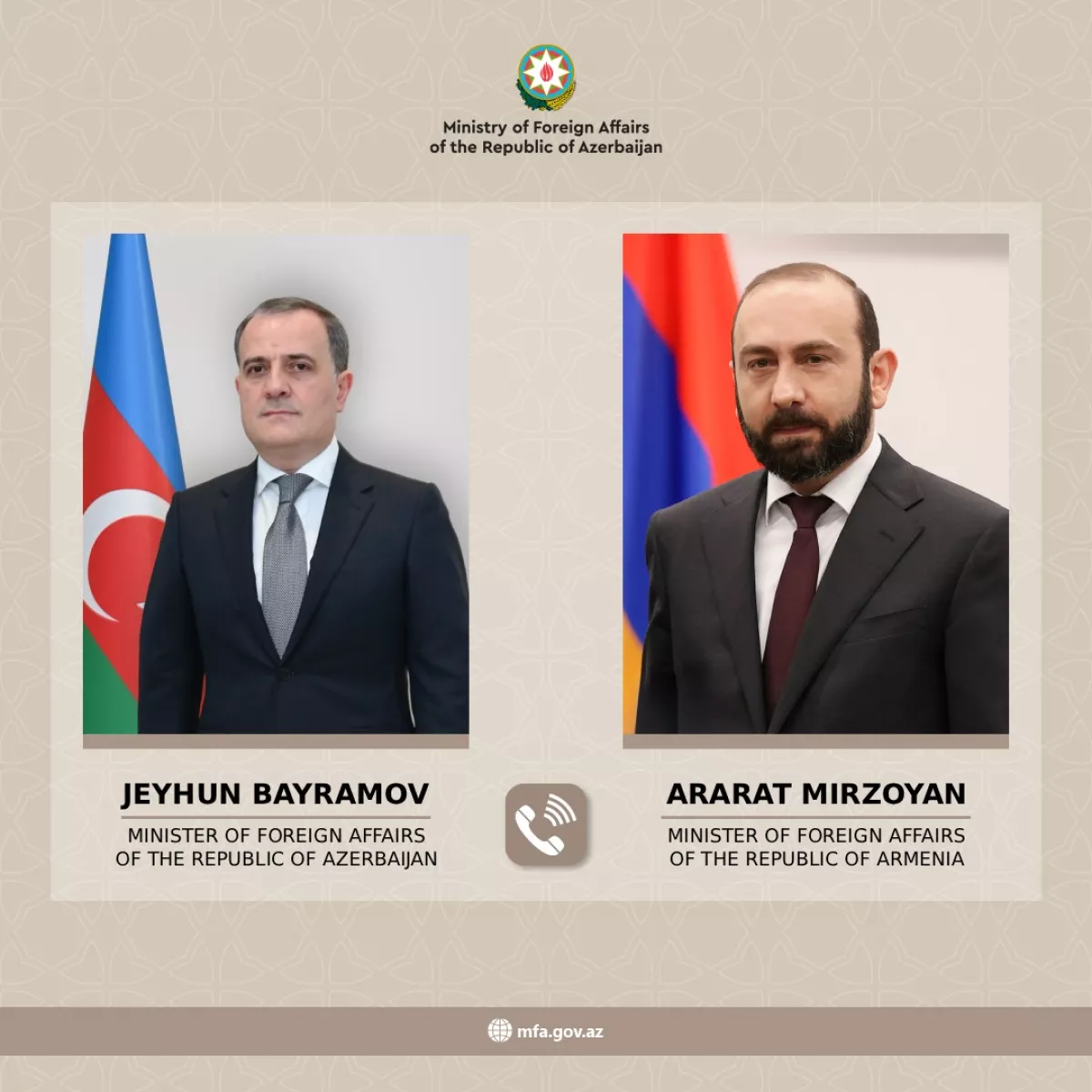
Last week, a telephone conversation took place between the foreign ministers of Azerbaijan and Armenia — Jeyhun Bayramov and Ararat Mirzoyan. The parties welcomed positive progress in advancing the normalization process between Baku and Yerevan. Bayramov and Mirzoyan also discussed regional issues and cooperation within multilateral platforms. While this conversation was not a breakthrough in the peace settlement process, it reflects a breakthrough that has already occurred — its businesslike tone demonstrates that peace between the two countries has de facto been established.
On March 27, Russian President Vladimir Putin participated via video conference in the reopening of the Azerbaijan State Musical Drama Theatre in Derbent following its reconstruction. During the ceremony, the Russian head of state noted that the reopening of the renovated theatre would be a significant event for the cultural life of Dagestan, the country as a whole, and the Caucasus region.
President Putin also highlighted the successful operation of the Russian Drama Theatre in Baku, which was opened over 100 years ago, and expressed his gratitude to Ilham Aliyev for supporting the theatre’s work.
In turn, President Aliyev, in his congratulatory address to the theatre’s staff, thanked the leadership of the Russian Federation and the Republic of Dagestan for their attention to preserving this monument of the Azerbaijani people’s cultural and historical heritage.
President Putin’s participation in the theatre’s reopening and his expression of gratitude to President Aliyev undoubtedly reflect the importance the Russian leader attaches to relations with Azerbaijan. Despite the crisis between Moscow and Baku following the downing of an AZAL passenger plane, Azerbaijan remains a strategically important partner for Russia. It should be noted that the geopolitical turbulence on Azerbaijan’s southern borders only reinforces this role. President Aliyev’s reciprocal words of gratitude also underscore the importance for Azerbaijan of maintaining good-neighbourly relations with Russia.
Last week, a 31-car freight train carrying humanitarian aid for Iran, sent by the Russian Ministry of Emergency Situations, arrived at the Astara railway station in southern Azerbaijan and then continued to the Islamic Republic.
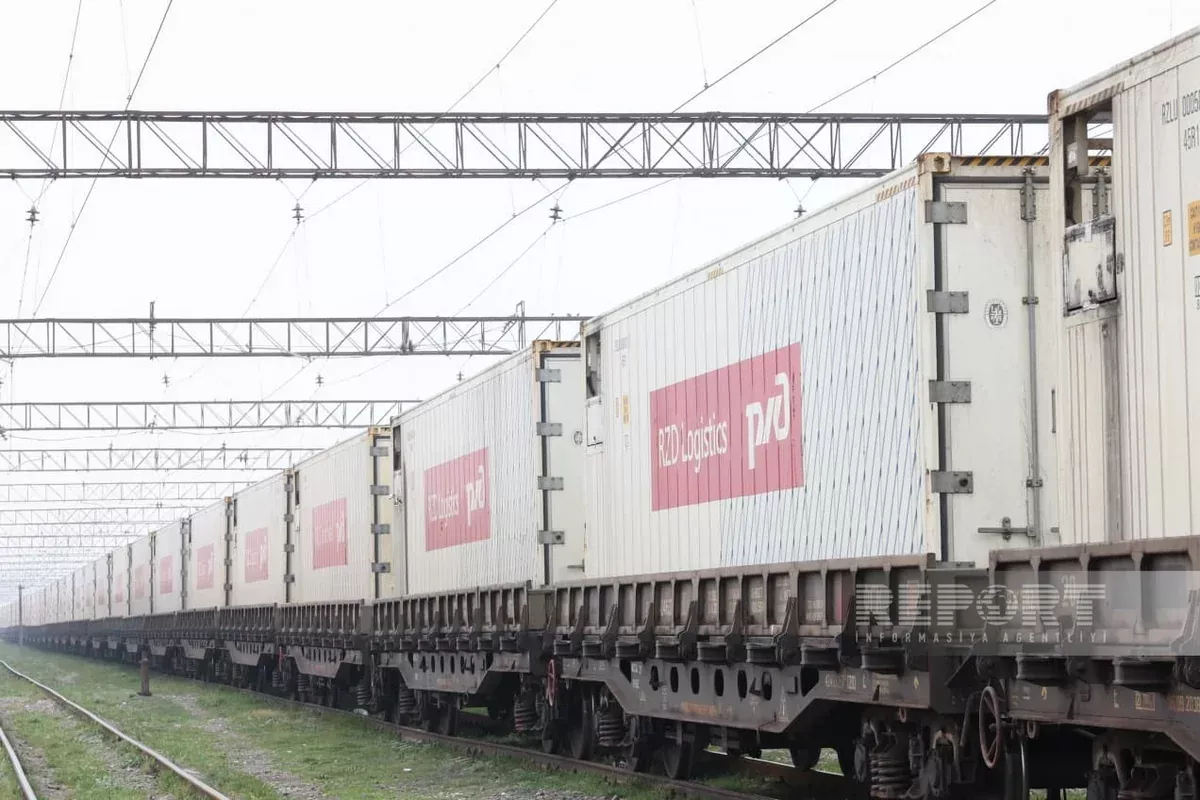
This provides an opportunity to highlight Azerbaijan’s humanitarian role in the situation involving Iran. The country was the first to respond with concrete measures: the first shipment of humanitarian aid was sent on March 10, followed by a significantly larger second shipment on March 18, which also included symbolic Novruz gifts.
At the same time, Baku opened its territory as a transit corridor, allowing supplies from third countries to be delivered — in particular, Russian cargo was transported via Lankaran and Astara. Subsequent large shipments followed, effectively turning Azerbaijan into an international humanitarian hub, a role officially acknowledged by the Iranian side.
Against this background, political gestures take on particular significance — President Ilham Aliyev’s visit to the Iranian embassy, condolences following the death of Khamenei, and contacts with the country’s new leadership. All these steps were taken despite the long-term activities of certain Iranian diplomats, experts, media outlets, and structures — such as Mehdi Sobhani, Ehsan Movahedian, Sahar TV, and IRGC-linked platforms — which have consistently conducted anti-Azerbaijani campaigns, spread disinformation, and even called for destabilisation. Even the incident with Iranian drones in Nakhchivan did not deter Azerbaijan from continuing to provide aid to the Iranian people. This is an example of genuine neighbourly relations.
Destructive elements within the Iranian elite indiscriminately labelled Azerbaijan as a source of threat, claiming that third parties were allegedly preparing aggression against Iran from its territory. Yet, amid a serious crisis, it was precisely the Azerbaijan–Iran border that became a channel for aid — delivering humanitarian supplies rather than threats. This clearly revealed the real situation and demonstrated who acts as a reliable partner and who works to undermine neighbourly relations.







 editor@caliber.az
 +994 55 444-88-98
 Азербайджан, Баку, ул. Низами, 203, Af Business House, 5-й этаж