










The Irony of Fate: US deports its most notorious Islamophobic provocateur Analysis by Shereshevskiy
The far-right commentator and one of America’s best-known Islamophobes, Milo Yiannopoulos, once called for the deportation of migrants. Now, he has been deported himself. If that is not a lesson, what is it?
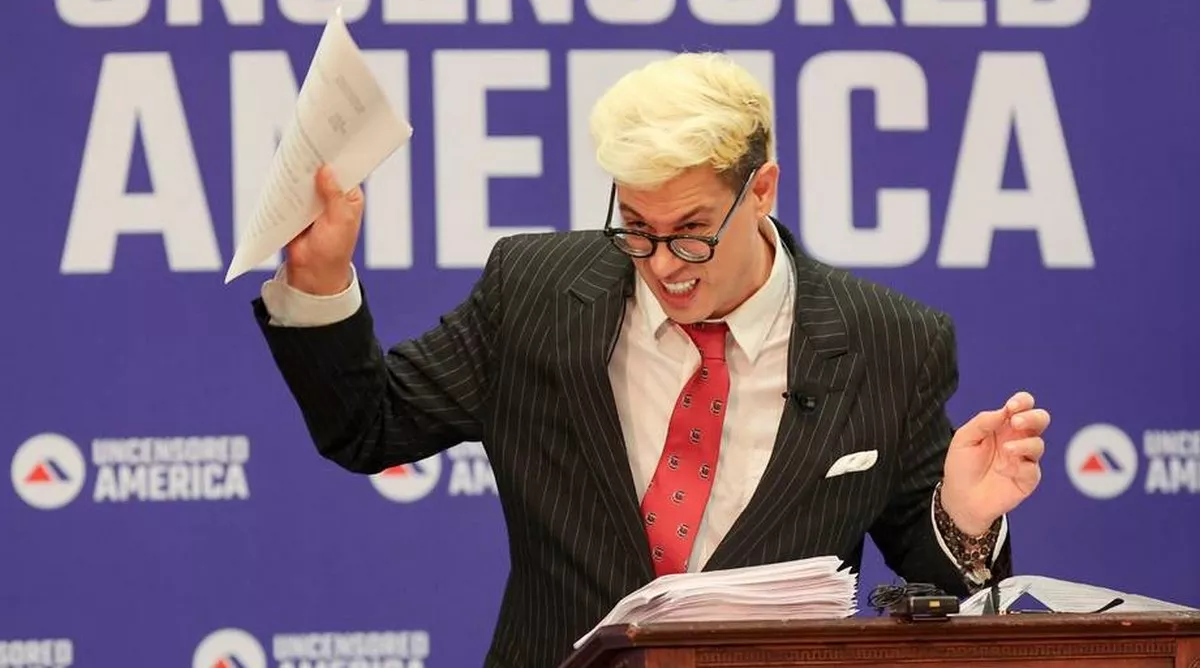
Milo Yiannopoulos, one of the best-known far-right commentators in the United States and a vocal opponent of immigration, has found himself on the other side of the deportation debate.
The 41-year-old Yiannopoulos, a former editor of the prominent right-wing news and commentary website Breitbart, was deported last Friday. The U.S. Department of Homeland Security (DHS) described him as “an illegal alien from the United Kingdom” and said he had been sent “back to his home country.”
Yiannopoulos, who has described himself as the “most fabulous supervillain on the internet,” has long advocated tougher immigration controls. His critics have accused him of promoting hate and Islamophobia.
In 2025, he wrote on social media: “We have got to deport millions and millions of people. Without that, nothing else matters.”
Yiannopoulos grew up in Kent in southern England. Half Greek and half Irish, he is a British citizen. Yet while criticising migrants, he chose to live not in his homeland but in the United States — a country that has become a new home for millions of migrants, including people of Greek and Irish descent.
On August 27, he was arrested after arriving at Louis Armstrong International Airport in New Orleans. Following his detention by U.S. Immigration and Customs Enforcement (ICE), Yiannopoulos was deported from the United States.
In 2015, Yiannopoulos began working for the increasingly popular far-right outlet Breitbart, attracting an audience with inflammatory statements against migrants, Islamophobic rhetoric, and provocative remarks. He later moved to the United States.
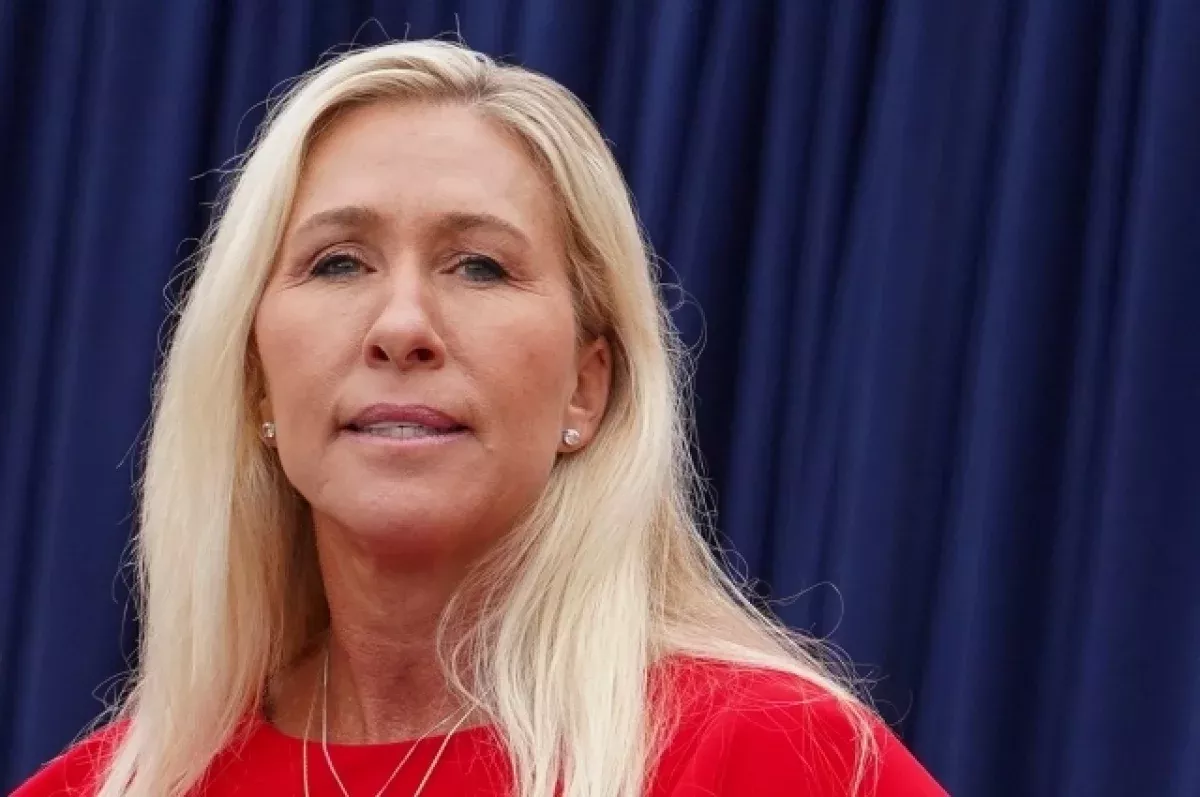
Over time, Yiannopoulos became a supporter of Donald Trump and took part in his presidential campaign. However, he later fell out of favour with the president and joined the ranks of his critics. He also worked for Marjorie Taylor Greene, a former Republican congresswoman known for her far-right conservative views, who later fell out with Trump and became one of his fierce critics.
Today, Yiannopoulos himself is critical of Trump. At the same time, a serious rift has emerged among the American right: Yiannopoulos is far from universally popular, and his criticism of the president has irritated parts of the conservative camp.
Among those who have feuded with Yiannopoulos is Laura Loomer, a right-wing commentator and Trump ally. It was Loomer who reported his detention by U.S. Immigration and Customs Enforcement, writing on X on Friday evening that his flight back to the United Kingdom had already departed.
“This subversive foreign agent is already out of the United States and DHS tells me he's NEVER allowed to come back to the United States ever again,” Loomer wrote.
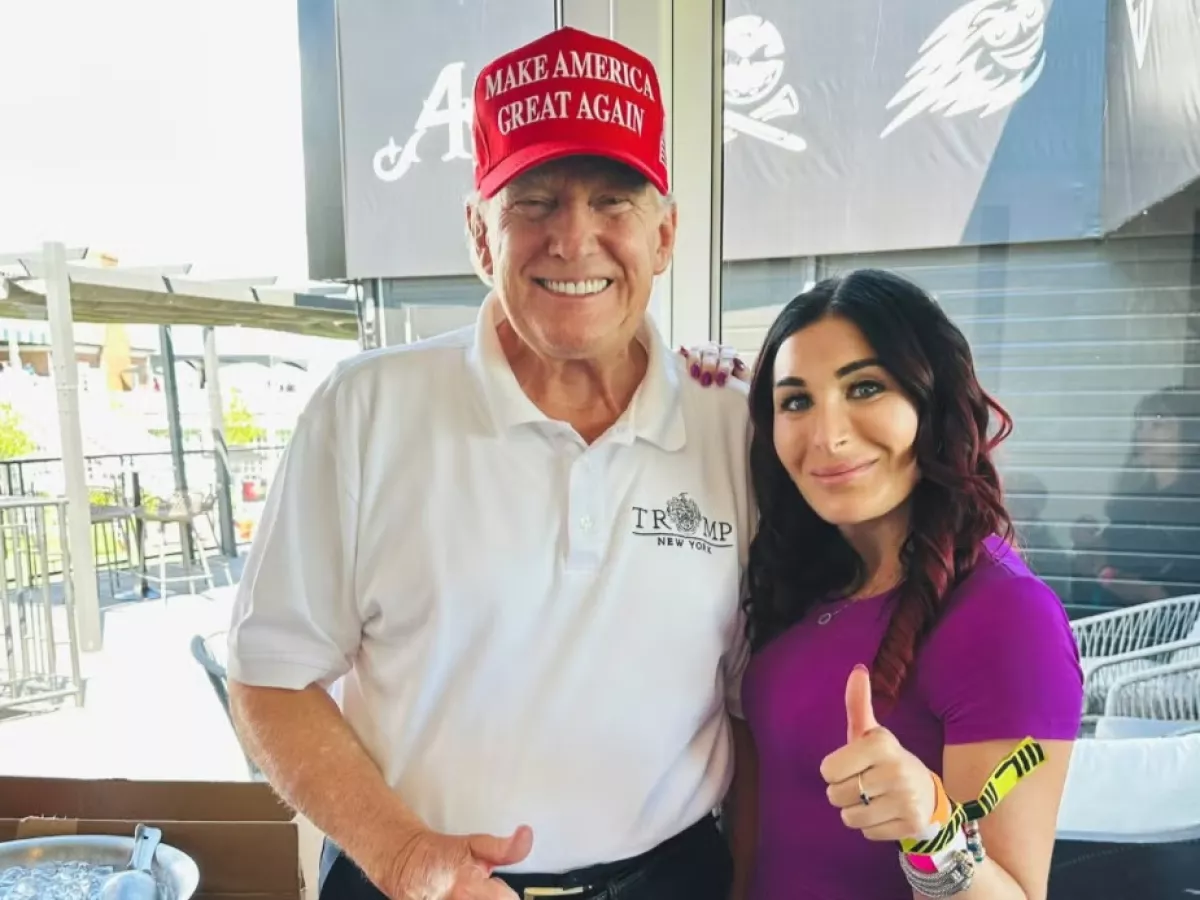
Loomer’s role in resolving the matter remains unclear. What is known is that she is close to Trump and has a certain degree of influence over the president. At the same time, there is no evidence that she was involved in Yiannopoulos’ deportation.
Yiannopoulos’ career has been marked by scandals, ranging from clashes with feminists to allegations of inappropriate conduct. Yet it was precisely his controversial nature that helped make him popular.
In 2016–2017, he decided to embark on a series of speaking engagements at American universities. At the University of California, Berkeley, his appearance sparked a confrontation between Yiannopoulos and his supporters on one side, and left-wing activists, feminists, and Antifa activists on the other. Protesters erected barricades, started a fire, and clashed with police. Yiannopoulos was eventually evacuated, and his university tour had to be cancelled.

The Berkeley College Republicans said in response that “The Free Speech Movement is dead.” In fact, however, Yiannopoulos arguably emerged from the episode stronger: the attention surrounding him only grew, while left-wing activists portrayed themselves as people incapable of engaging in open debate. Whether one should engage in debate with Yiannopoulos at all is a separate and more complicated question.
A man who spent years opposing migrants and fueling xenophobia toward people from Latin America and Muslim-majority countries in the Middle East ultimately found himself a victim of the very immigration system he had championed. The man who called on authorities to deport millions of people over bureaucratic technicalities ended up being targeted by those same rules.
Yiannopoulos’ karma was not immediate, but it was remarkably precise. Some 15 million undocumented migrants work for relatively low wages by U.S. standards in construction, agriculture, and food processing, helping generate corporate profits and keep food affordable for Americans. Without their labour, the economies of entire states would be brought to a standstill. Everyone knows this — and so does Yiannopoulos. Yet he chose to build his popularity and monetise it by stoking hatred toward these people, despite being far from a typical American himself.
The wave he helped create eventually reached him. That said, the scale of his personal troubles should not be exaggerated: unlike most migrants, Yiannopoulos is a wealthy man.
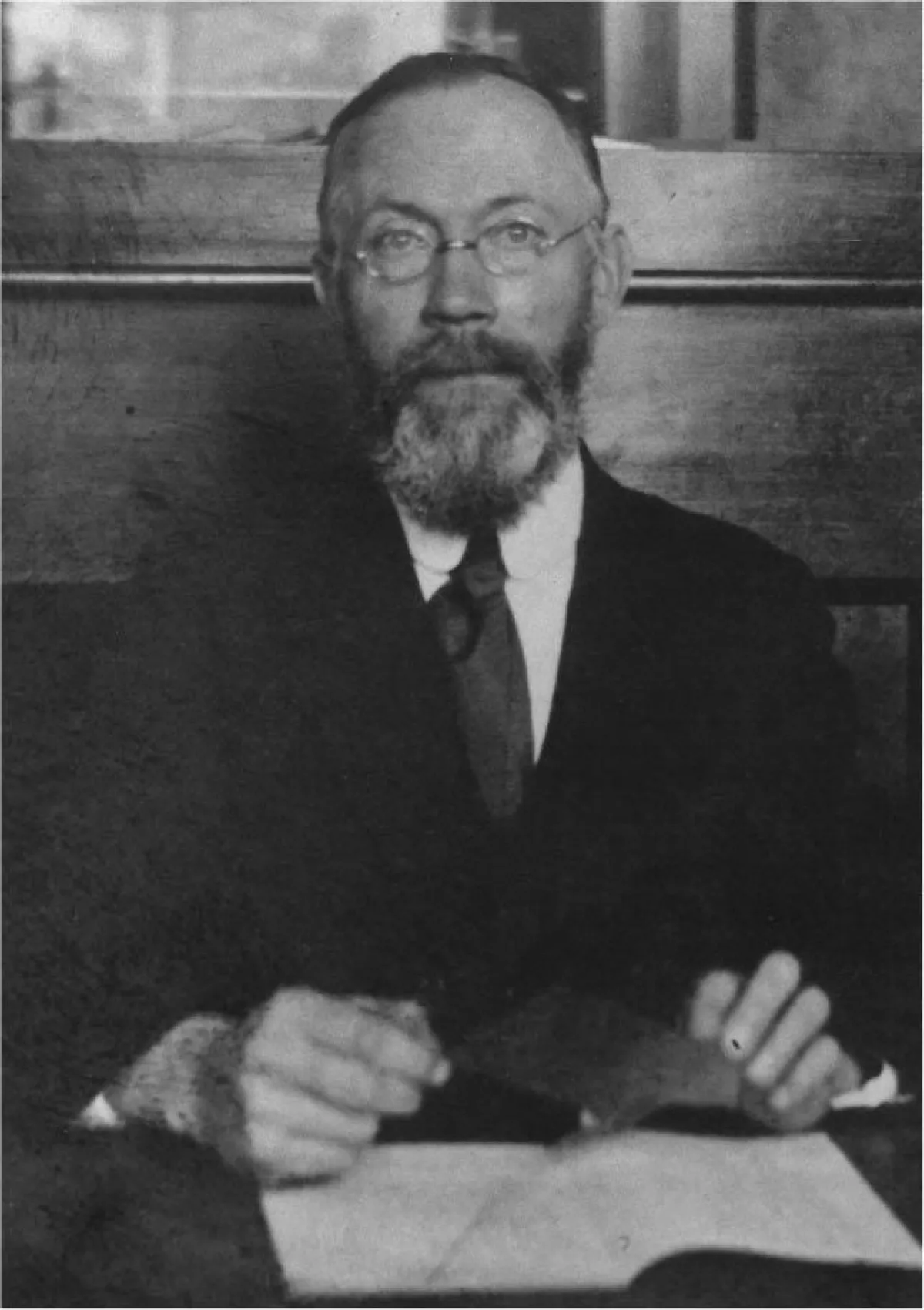
The left also showed itself in a less than favourable light in this whole affair. A century ago, Anton Pannekoek, a supporter of workers’ councils rather than party rule, argued that workers’ assemblies required absolute intellectual freedom — otherwise, they would be unable to make decisions on the most important issues. The Left Socialist Revolutionaries and Mensheviks, who opposed the Bolshevik dictatorship in the Soviet Union, would have fully agreed with this view.
Modern American leftists, by contrast, have shown through their behaviour that in some respects they are little different from admirers of Lenin and Stalin. If extra-parliamentary leftists, feminists, and Antifa activists consider it acceptable to silence opponents without even holding state power, one can only imagine what they might do if they acquired it.
The story of Yiannopoulos’ rise and subsequent deportation has exposed an internal crisis within the American far right. Although xenophobic sentiments remain strong in the United States, it is becoming increasingly clear that one cannot get very far by relying solely on hostility between ethnic and religious groups.
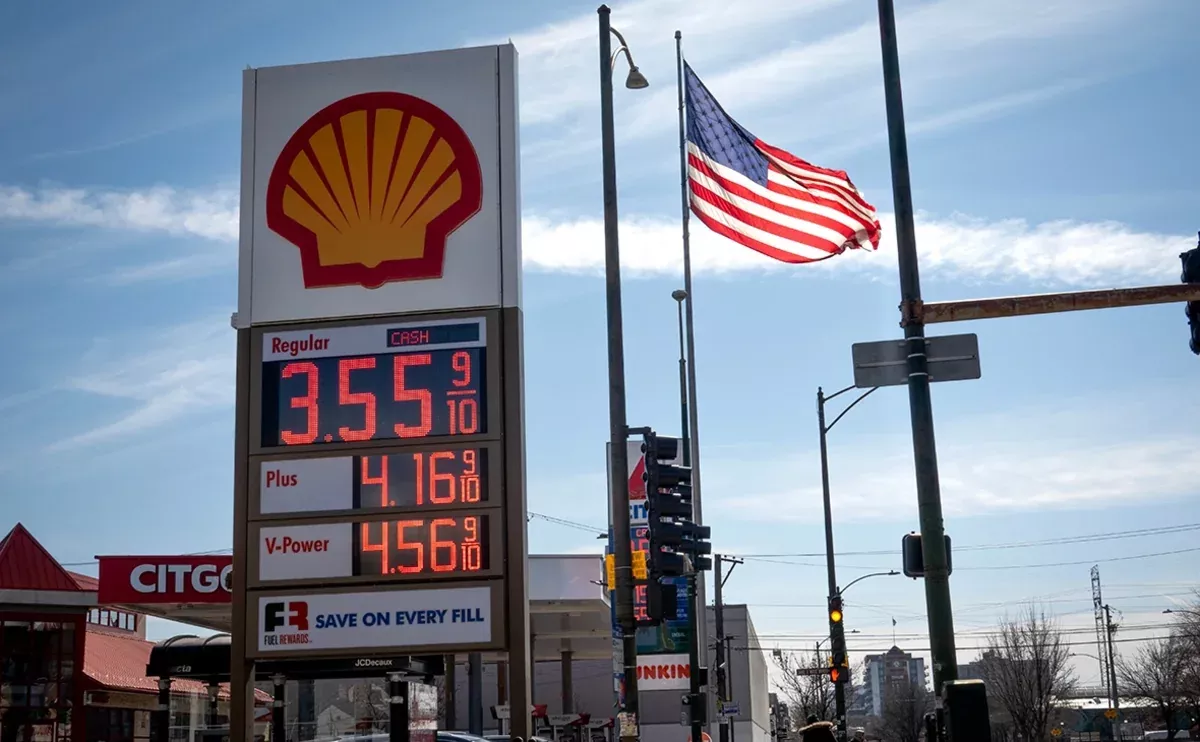
The economy continues to generate a host of problems despite GDP growth of more than 2% a year. Fuel prices continue to rise, social inequality is deepening, and a significant share of Americans are frustrated by the unaffordability of modern, increasingly expensive healthcare.
According to opinion polls, half of Americans angered by the actions of ICE support abolishing the agency, while 39% oppose doing so. Only 26% of respondents said they trust ICE, compared with 44% who expressed distrust. Fifty-eight per cent of Americans believe ICE uses excessive force during its operations, while 68% say authorities should investigate the deaths of local residents Renee Good and Alex Pretti in Minneapolis, which, according to these findings, involved agency personnel.
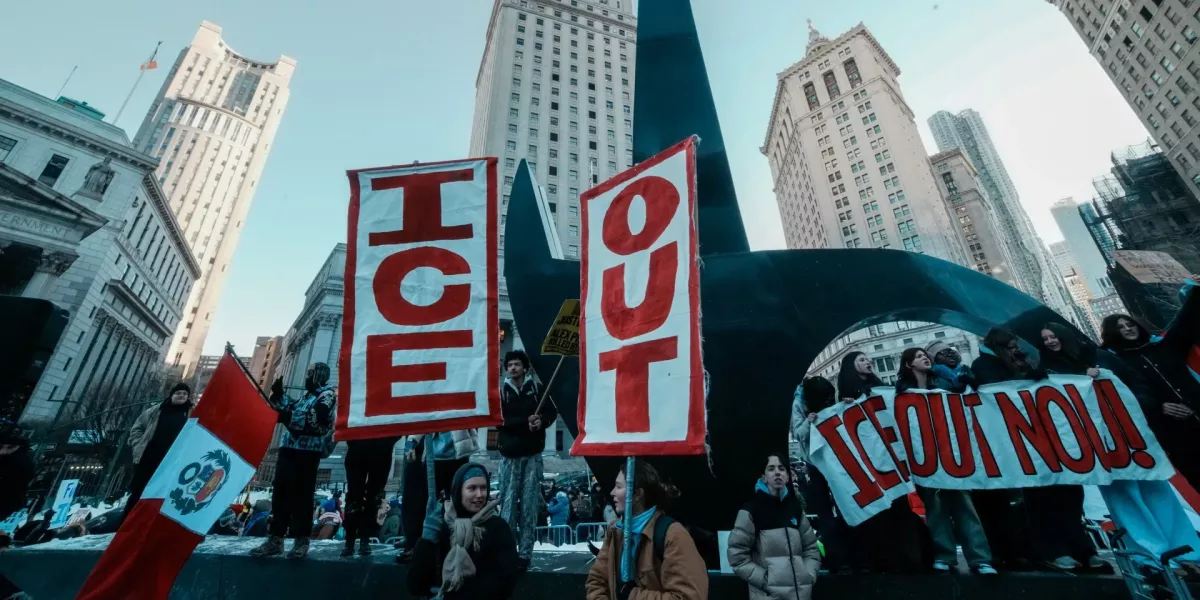
ICE raids, which Yiannopoulos wrote about approvingly and which have allegedly resulted in the deaths of U.S. citizens, have caused considerable public anger in American society. Ultimately, the policy he had supported for years turned against him — resulting in the deportation of one of its most outspoken advocates and popularisers.







 editor@caliber.az
 +994 55 444-88-98
 Азербайджан, Баку, ул. Низами, 203, Af Business House, 5-й этаж