










Oil, mines and November: Are the US and Iran once again on the brink of escalation? Analysis by Shereshevskiy
The United States has launched a strike on Larak Island aimed at preventing Iranian forces from mining the Strait of Hormuz.
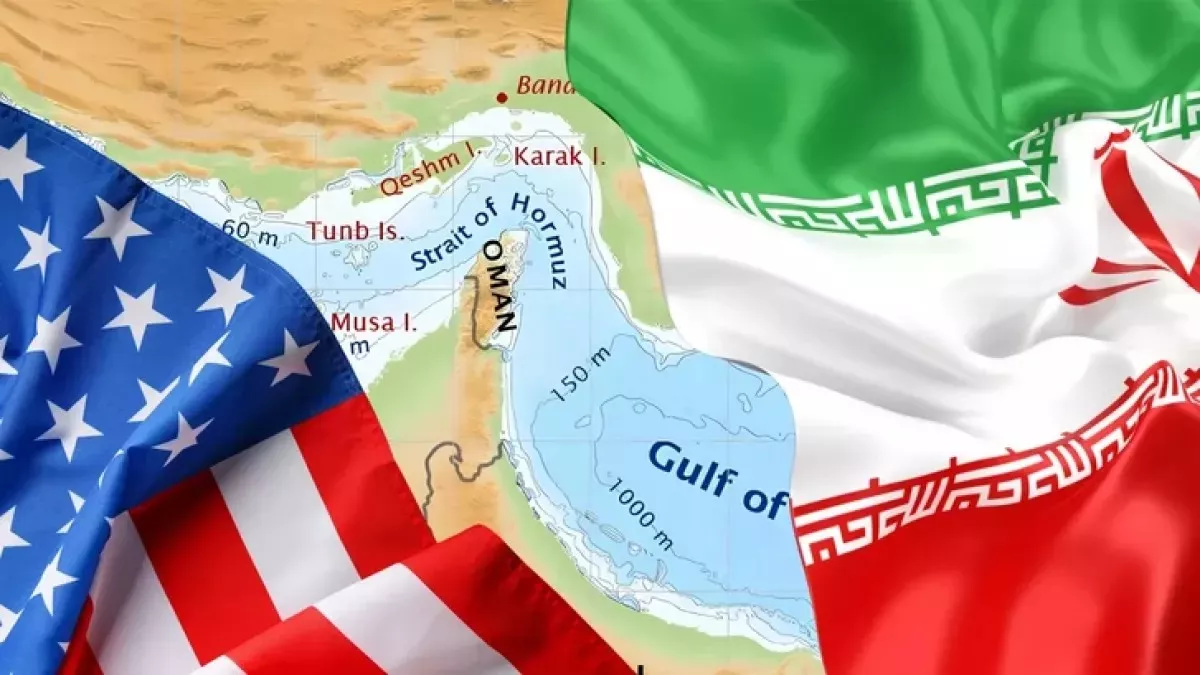
“U.S. forces struck two Iranian launchers on Larak Island. Islamic Revolutionary Guard Corps forces were observed preparing to launch rockets with sea mines into the Strait of Hormuz,” said CENTCOM spokesman Captain Tim Hawkins, adding that US forces “are monitoring the area closely, and remain prepared to protect the free flow of commerce through this essential waterway.”
Meanwhile, the IRGC-linked Tasnim news agency reported that the strike was carried out by a drone, killing two people and injuring two others.
This is the first known US strike against Iran since late July, when US President Donald Trump suspended a two-week military campaign in the Strait of Hormuz area and announced a shift toward an economic blockade of the Islamic Republic, accompanied by intensified sanctions against Tehran.
What is the reason?
Last week, the US military completed the clearance of the main shipping route through the Strait of Hormuz, removing mines previously laid by Iran in an attempt to block the waterway to commercial shipping. The effective blockade of this maritime route—which, before the outbreak of hostilities in the Middle East, accounted for around 20 per cent of global daily oil shipments and 20 to 25 per cent of global liquefied natural gas shipments—sent fuel prices higher and raised the prospect of a global economic downturn. It also triggered a sharp reaction from the United States ahead of the November midterm elections to Congress.
Here, one of Tehran’s objectives is clear: to inflict a defeat on the Republican Party, which is in power in the United States, in the elections.
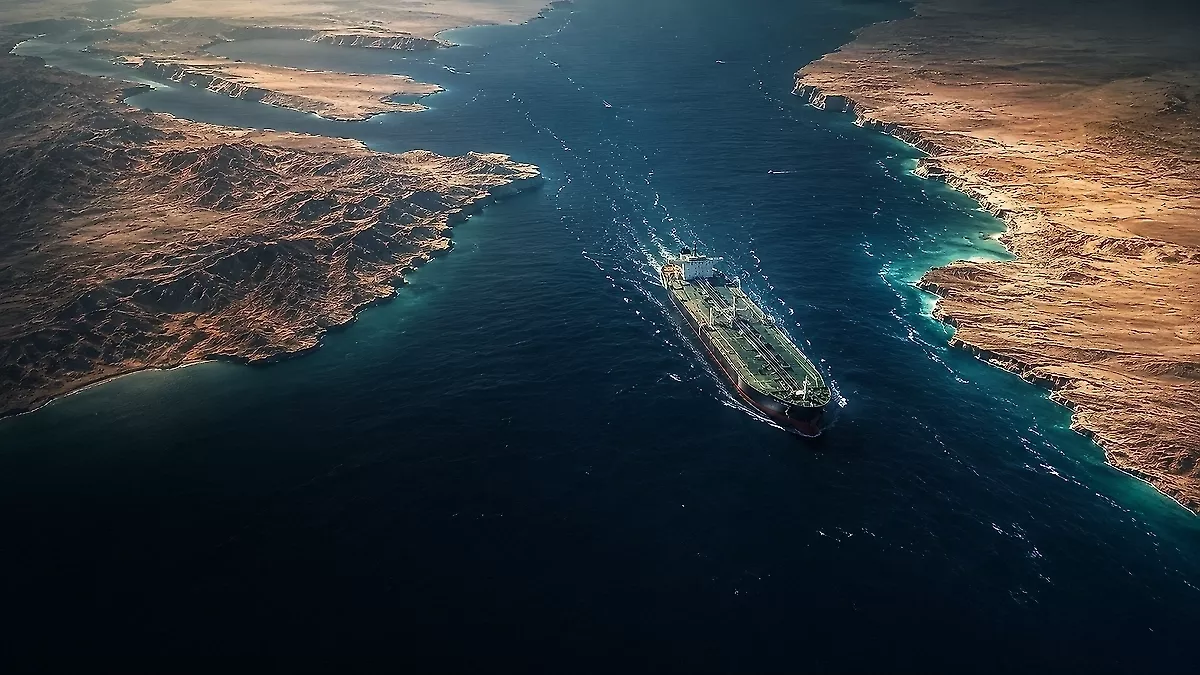
Meanwhile, in light of the upcoming elections, Donald Trump is focused on lowering the level of escalation with Iran, avoiding major clashes that could drive up fuel prices, and increasing the number of vessels passing through the strait in order to bring fuel prices down—an effort that has already achieved some success. In particular, it was previously reported that the United States had managed to significantly mitigate the blockade of the Strait of Hormuz, primarily through a series of strikes on Iranian military bases, missile launchers, and radar installations, weakening Iran’s ability to attack ships in the Strait of Hormuz. Second, the Americans have been providing support to commercial vessels, protecting them from attacks.
As a result, according to recent reports, 20–30 tankers carrying up to 10 million barrels of oil pass through the Strait of Hormuz every night—roughly half the pre-war volume. Moreover, the Trump administration expressed hope that by September, the flow of oil shipments could be increased to 60–70 per cent of pre-war levels. In addition, alternative routes have been put into use, including Saudi Arabia’s Yanbu port and the UAE’s Fujairah port, through which up to 9 million barrels of oil are exported daily. Thus, step by step, the intensity of the blockade of this vital global artery has been reduced.
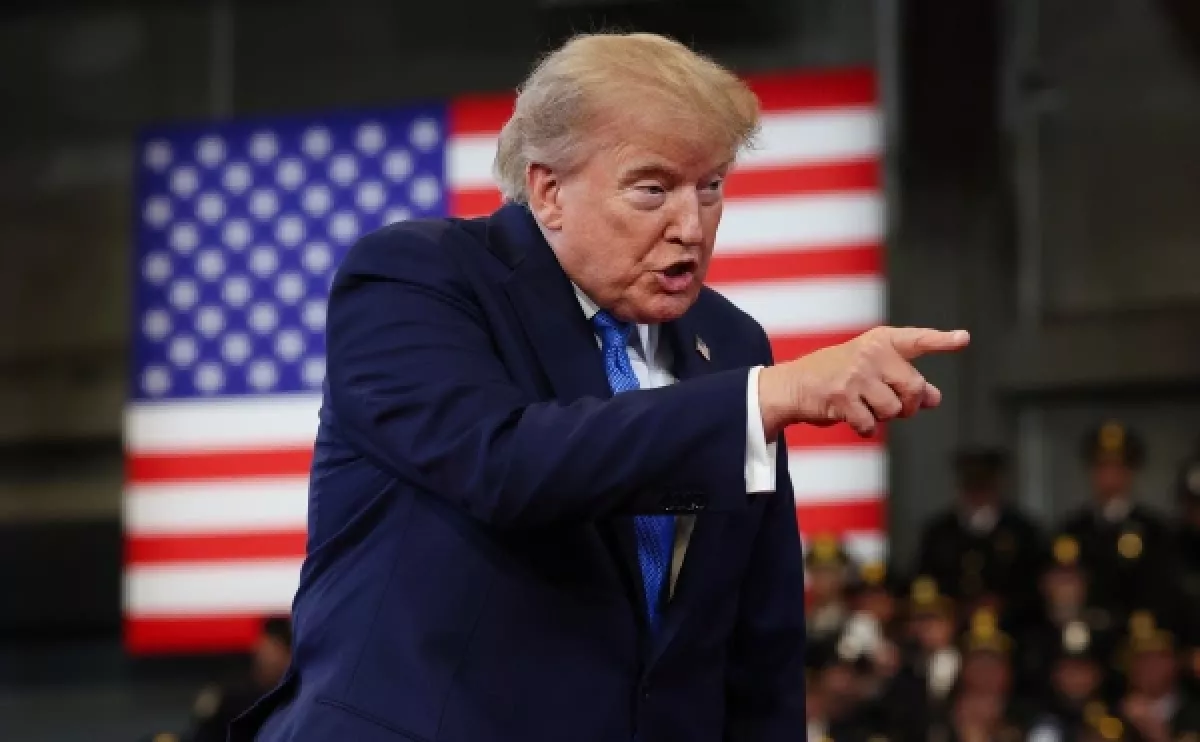
In light of this, Trump had previously stated unequivocally that any vessel attempting to lay mines in the strait would be “immediately and systematically destroyed.” In a post on Truth Social, the president also stressed that there was “a Zero Tolerance policy on mine placement in full force and effect.” Given Washington’s apparent lack of interest in further military escalation with Iran, it is reasonable to assume that the US account—that the strike specifically targeted Iranian military personnel attempting to lay mines in the Strait of Hormuz—is accurate. In other words, this appears to have been the decisive factor behind the strike.
Escalation through November?
For its part, the Islamic Revolutionary Guard Corps (IRGC) issued a statement warning that the US attack “will be met with a response from the sons of Iran and will lead to the aggressor being punished.” The response was not long in coming. Reports subsequently emerged of Iranian strikes against US warships in the Strait of Hormuz. Tehran is also believed to have launched a missile strike against Jordan, with air-defence systems reportedly activated and missiles intercepted over the country.
Thus, Iran intends to defend its interests and will continue its attempts to block the Strait of Hormuz. It may also launch strikes against ports and other critical facilities in countries allied with the United States in the Persian Gulf. Such a scenario would inevitably drive fuel prices higher on global markets, with repercussions for the domestic political situation in a number of countries around the world.
In light of these prospects, the question “Is it possible to avoid an escalation with the Islamic Republic before November?” is no longer merely rhetorical and increasingly appears to call for a negative answer.







 editor@caliber.az
 +994 55 444-88-98
 Азербайджан, Баку, ул. Низами, 203, Af Business House, 5-й этаж