










Afghanistan’s mineral gamble: What Kabul wants from Washington Analysis by Matanat Nasibova
Shifting geopolitical alignments are forcing countries on the periphery of the global system to seek new economic models, and modern Afghanistan is perhaps the clearest example of this trend.
The Taliban’s return to power in 2021 abruptly cut Afghanistan off from much of the global financial system. The freezing of the country’s foreign reserves and the sudden loss of Western aid — which had previously financed as much as 75% of the state budget — confronted Kabul with a harsh reality: its previous model of economic survival had effectively collapsed.
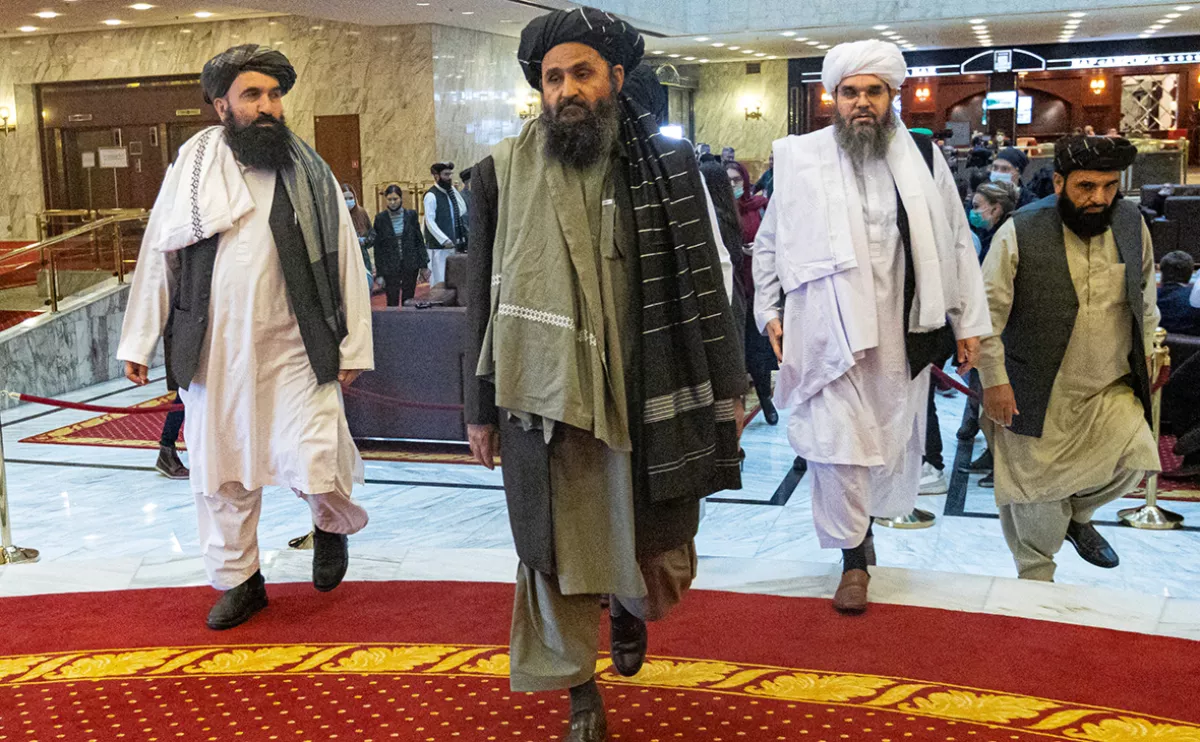
Deprived of Western support, the Taliban began searching for partners willing to engage with Afghanistan on pragmatic terms, with fewer human rights-related demands and political conditions. The resulting eastward pivot quickly brought a new group of key players into focus. Today, China, Russia, Pakistan, Iran, and Afghanistan’s Central Asian neighbours are among Kabul’s principal economic partners.
What Afghanistan has to offer
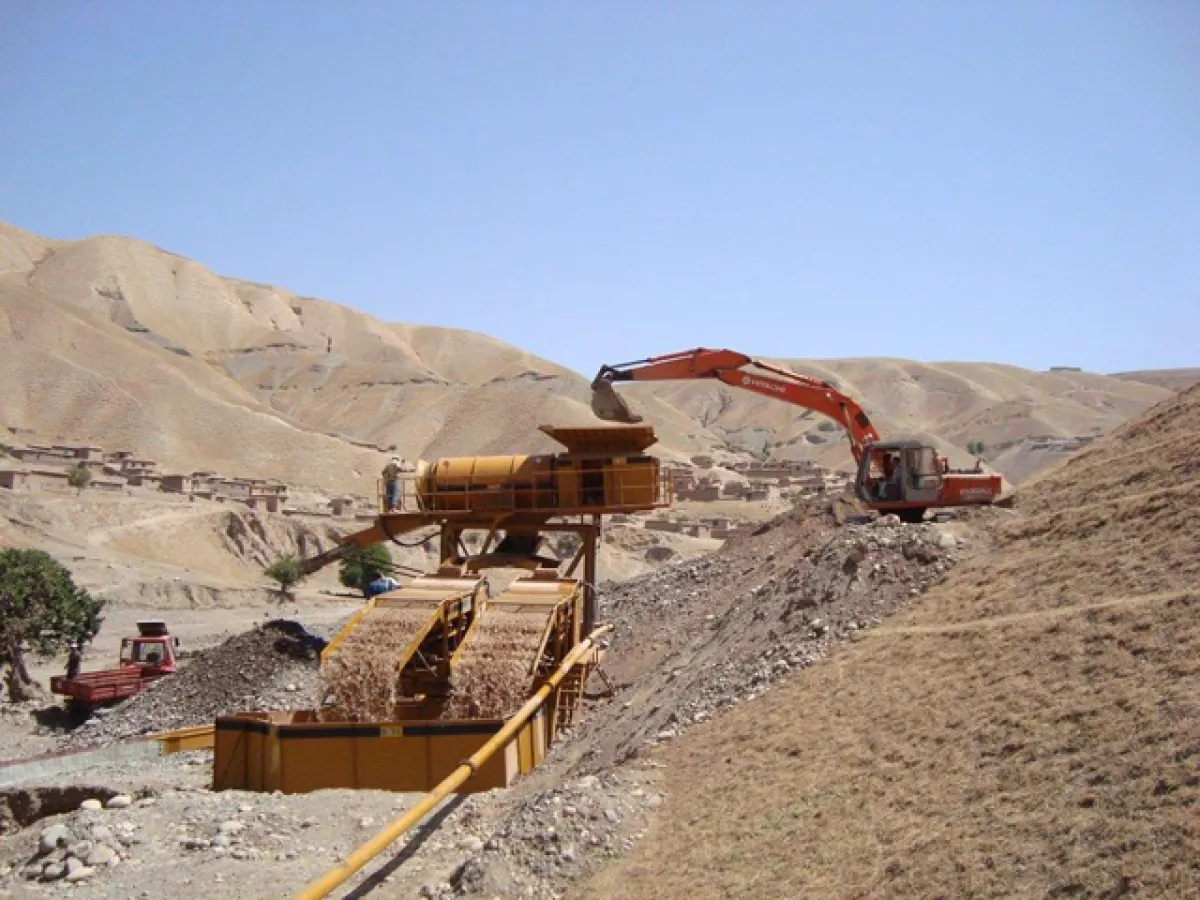
Afghanistan’s recent initiative to offer the United States access to its mineral resources is not merely a desperate bid to raise funds. Kabul hopes to use its mineral wealth to break through international isolation and gain the financial leverage needed to rebuild the country. By offering US companies contracts in mining, trade, and infrastructure, the interim government is seeking to turn Afghanistan’s vast untapped resources into a powerful diplomatic bargaining chip.
And the potential is indeed enormous. Afghanistan’s subsoil is believed to contain vast deposits of copper, lithium, cobalt, gold, iron ore, and rare earth elements — resources that have remained largely undeveloped after decades of conflict. Geological assessments conducted in previous years have consistently pointed to the same conclusion: the potential value of Afghanistan’s mineral wealth exceeds $1 trillion.
The Taliban are betting on a straightforward calculation: Washington, eager to diversify its supply chains for critical minerals, may be willing to put commercial interests ahead of political differences. By reaching out to the United States, the Taliban leadership hopes to lay the groundwork for closer economic and diplomatic ties and, above all, ease the pressure of sanctions.
Kabul’s formula is simple: access to Afghanistan’s mineral wealth in exchange for investment, the easing of restrictions, and at least a measure of international legitimacy.
Why the US, and will a deal actually happen?
Kabul’s decision to reach out to Washington reflects a clear desire to reduce its growing dependence on China, which is steadily emerging as the dominant economic power in the region, while also balancing the influence of Russia and Iran. For the United States, the proposal could be attractive in principle, particularly as Washington seeks to diversify critical mineral supply chains and reduce its dependence on China, which dominates the global rare earths industry.
However, the prospects for a comprehensive US-Taliban deal remain extremely slim. Rather than agreeing to a sweeping removal of sanctions, Washington is far more likely to consider targeted and incremental exemptions in return for specific concessions from the Taliban.
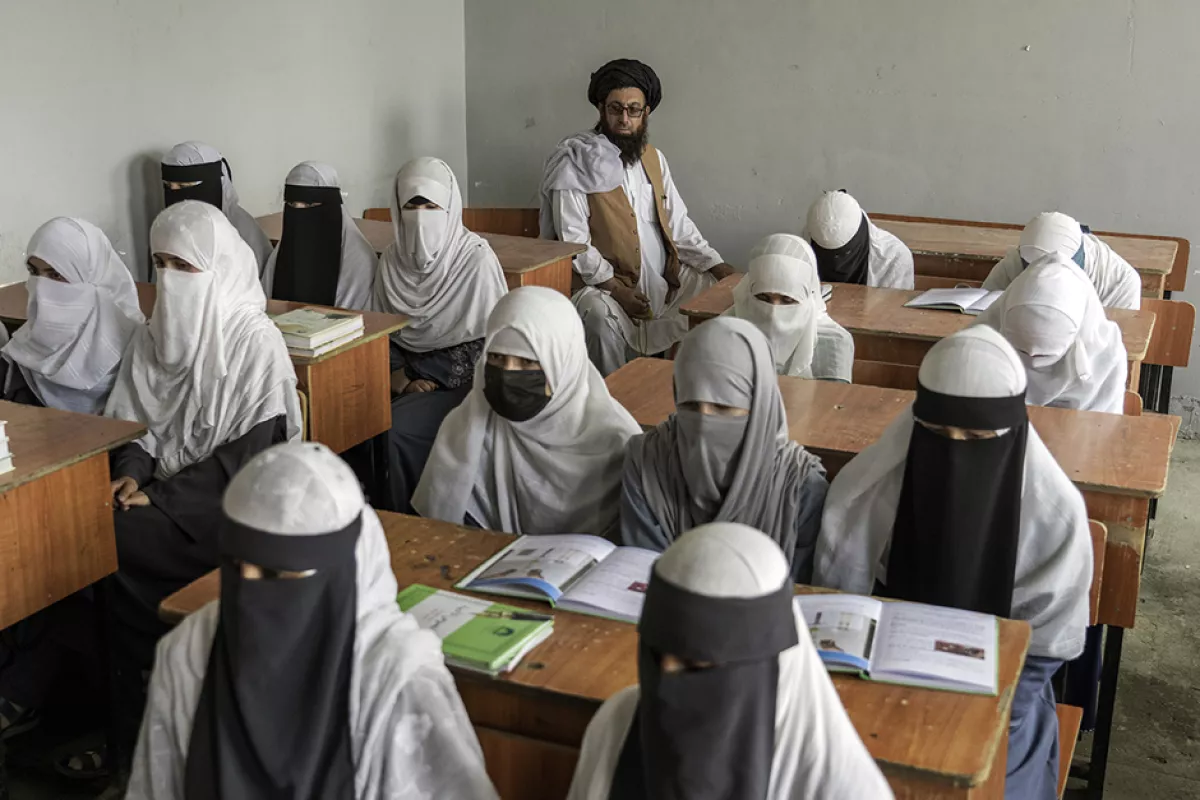
The United States continues to stand by the core demands outlined in the 2020 Doha Agreement. Washington expects the Taliban to sever all ties with Al-Qaeda, prevent extremist groups from using Afghan territory, restore women’s access to education and employment, establish an inclusive government representing Afghanistan’s ethnic and social diversity, guarantee freedom of movement, and release detainees.
Where is the main deadlock?
In practice, the dialogue runs up against a fundamental impasse. For the Taliban leadership, strict adherence to Sharia law remains far more important than the prospect of international recognition. The situation is further complicated by internal divisions within the movement. Pragmatically minded officials in Kabul may be willing to consider concessions, such as reopening schools to girls, but the Taliban’s hardline leadership in Kandahar has firmly blocked such moves.
At the same time, the West has few effective levers left to exert meaningful pressure. The freezing of roughly $7 billion in Afghan central bank assets and the imposition of stringent sanctions have failed to bring about the collapse of the regime. As a result, the Taliban have little incentive to simply comply with Washington’s demands.
Ultimately, Kabul appears willing to compromise only when doing so does not undermine its ideological foundations. A full lifting of restrictions or formal international recognition of the regime remains unlikely in the foreseeable future. Under these circumstances, Washington is more likely to limit itself to issuing case-by-case licenses allowing individual US companies to operate in Afghanistan — gaining access to its resources while carefully avoiding any step that could be interpreted as political recognition of the Taliban.







 editor@caliber.az
 +994 55 444-88-98
 Азербайджан, Баку, ул. Низами, 203, Af Business House, 5-й этаж